
Author's Note; May 16, 12pm: In another week and a half, I will finish this year of storytelling in the elementary schools. For five of the eight schools, it will be the last time I walk through those halls and into those classrooms. After nineteen years, that feels bittersweet.
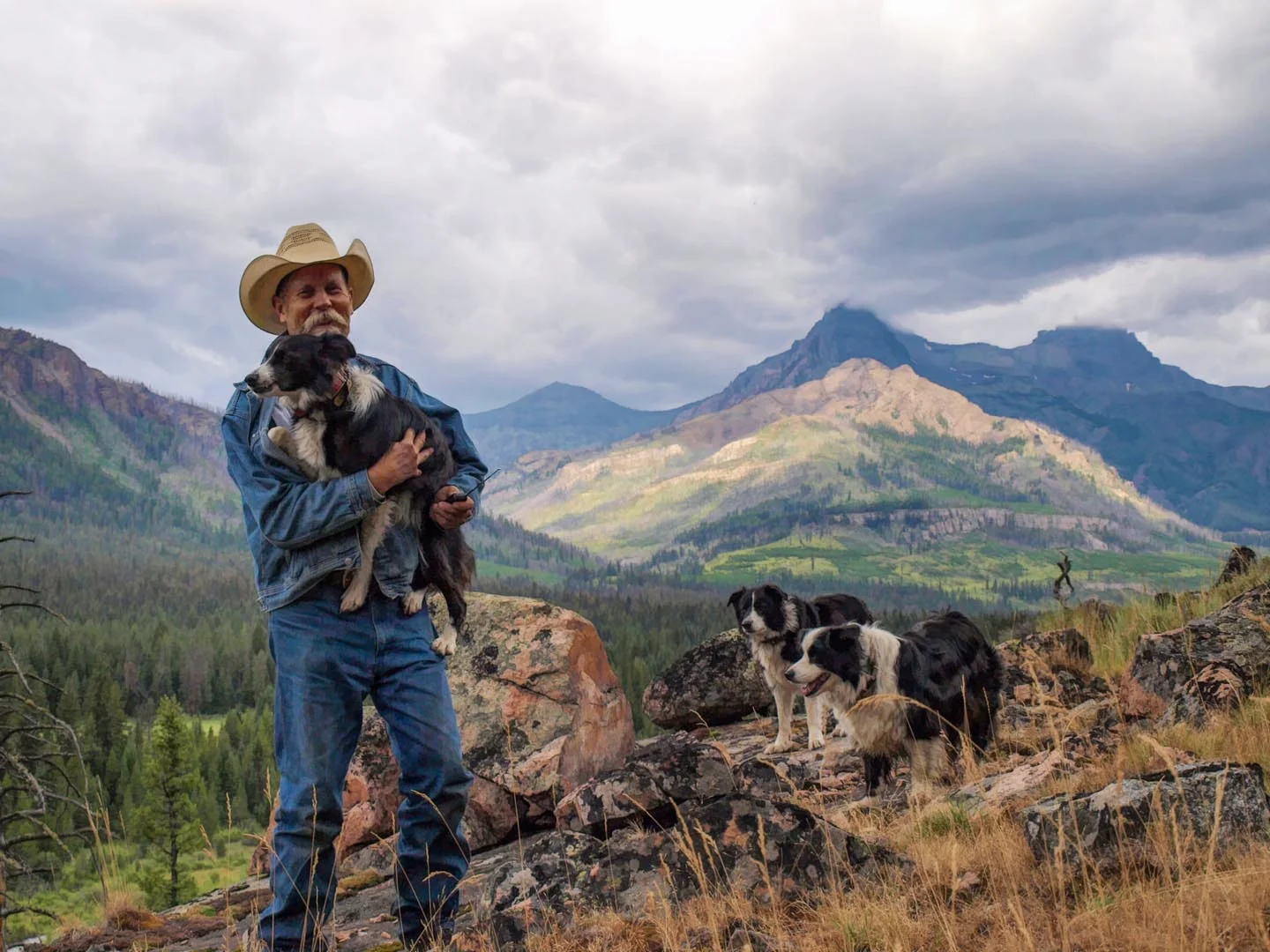
I am not quitting entirely. Next school year, I will cut back to three schools and three or four days of storytelling. Visiting twenty-five classrooms across eight schools is no longer something I can sustain at seventy-five. It came down to a simple choice: cut back, or stop completely. I am choosing to keep going.
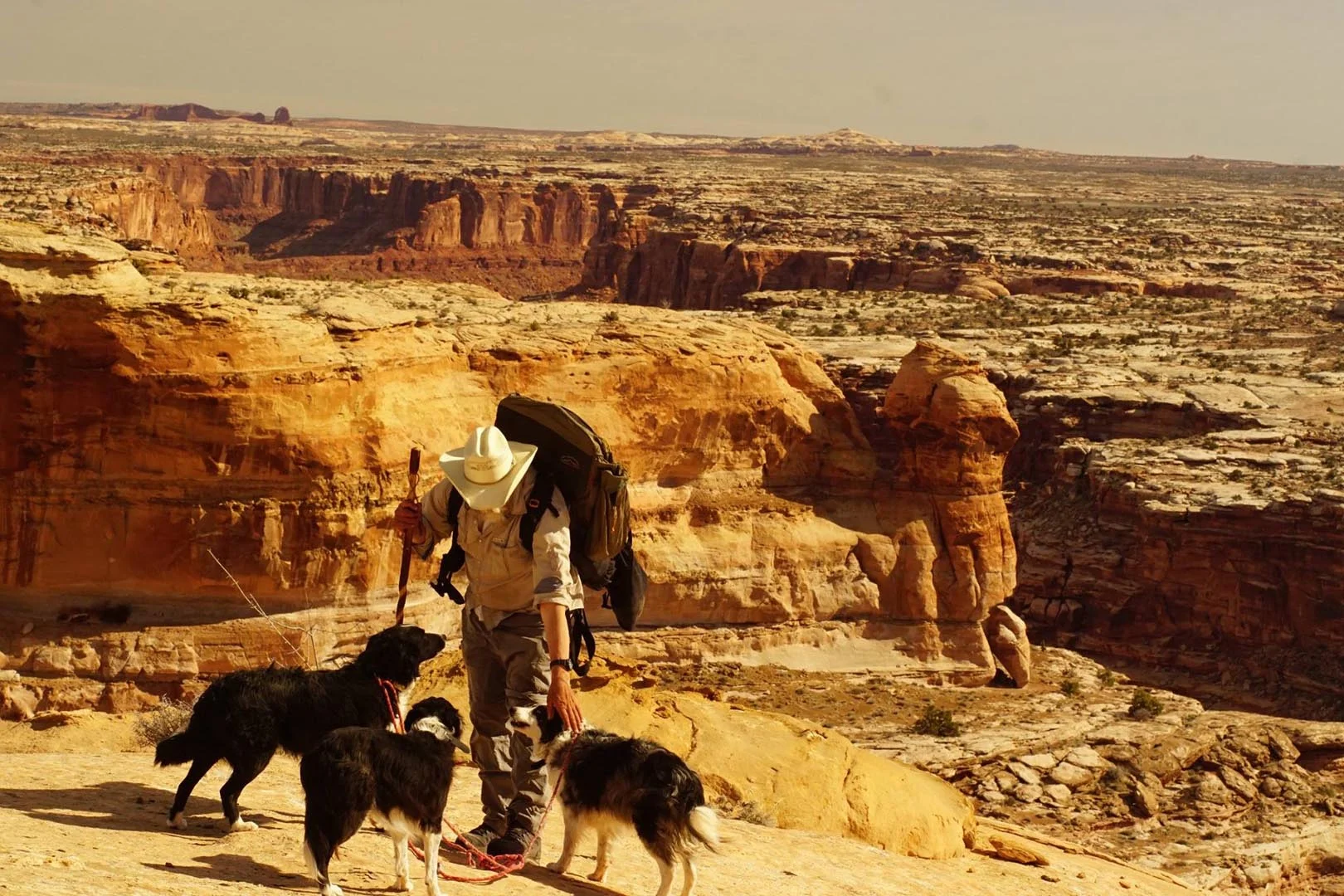
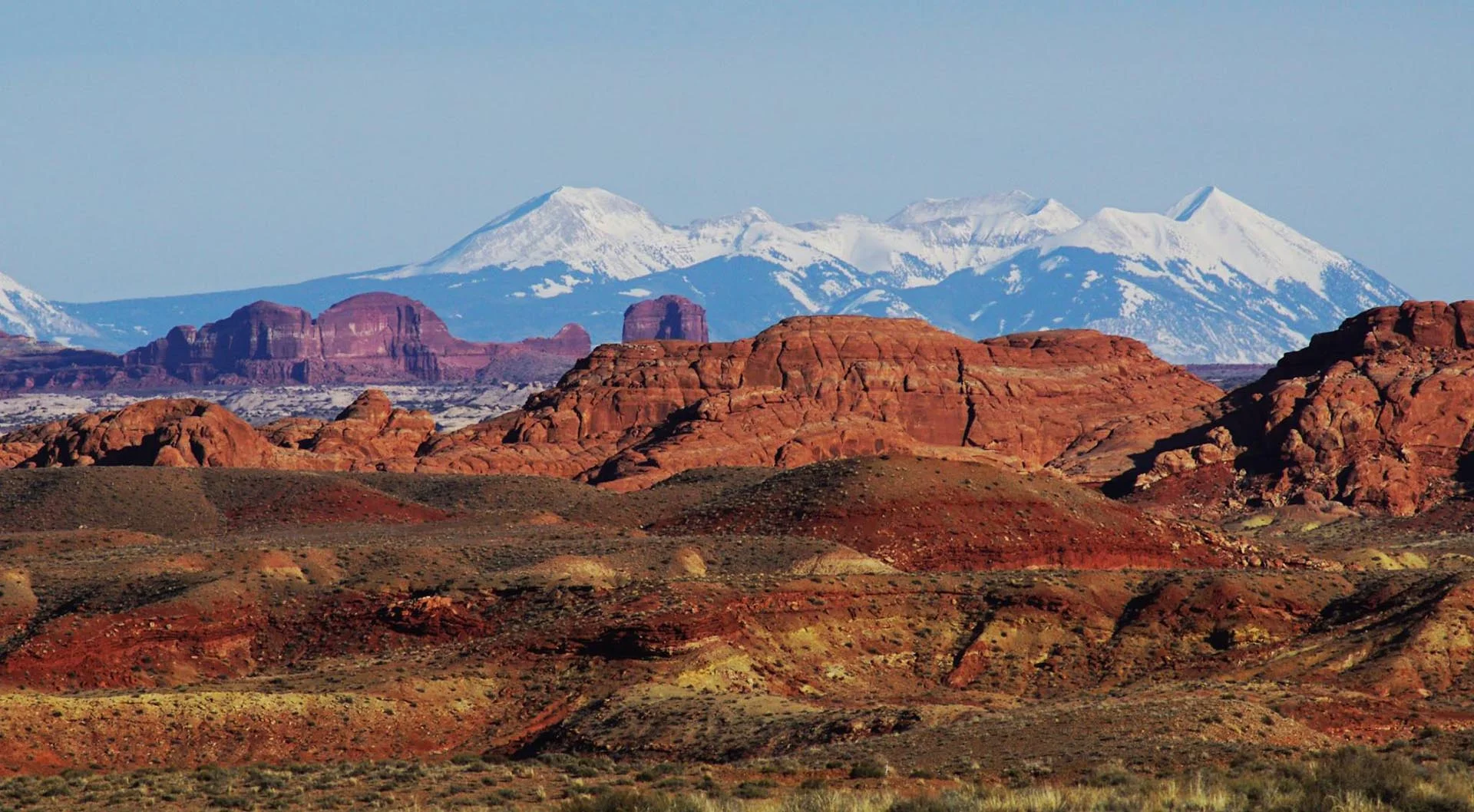
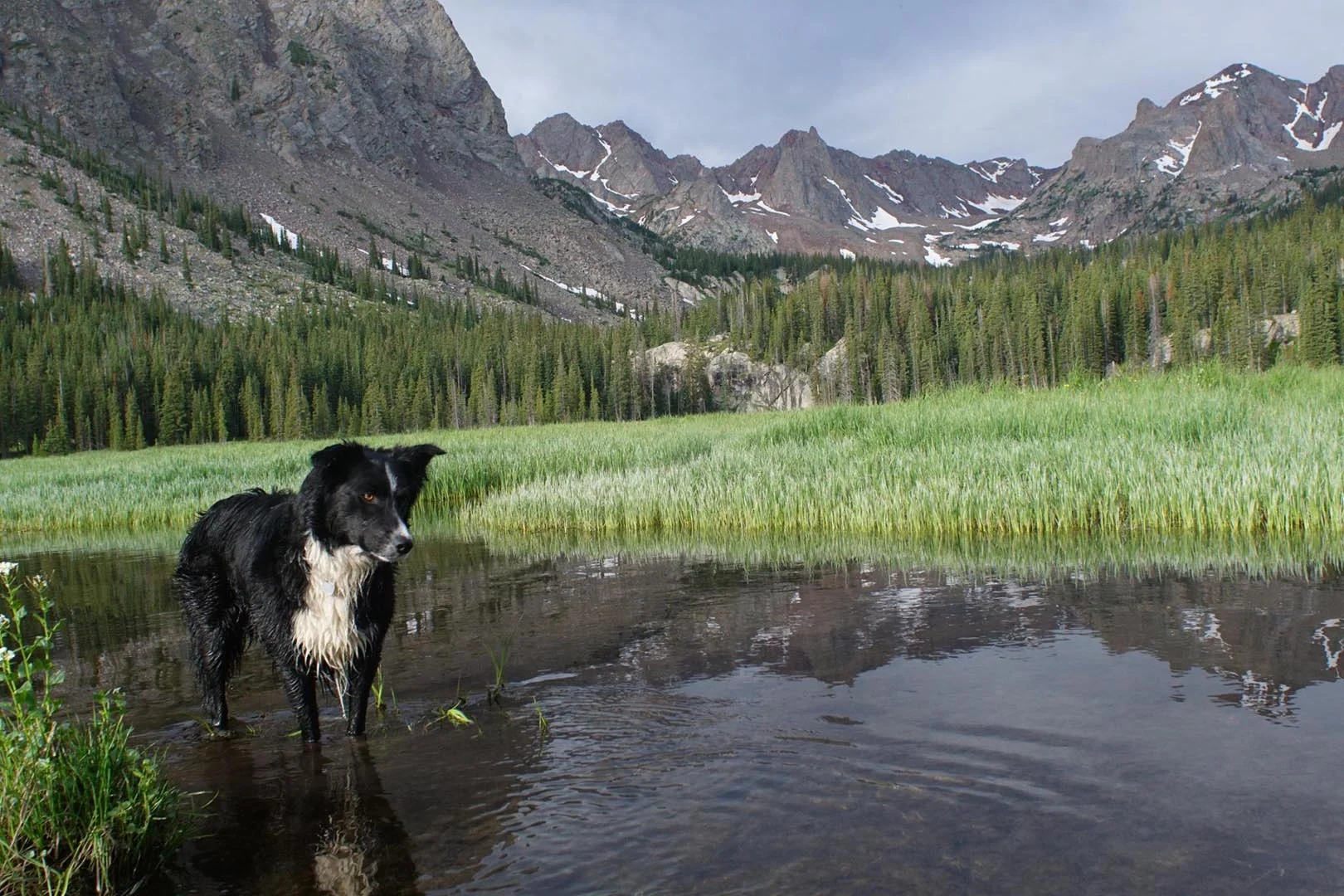
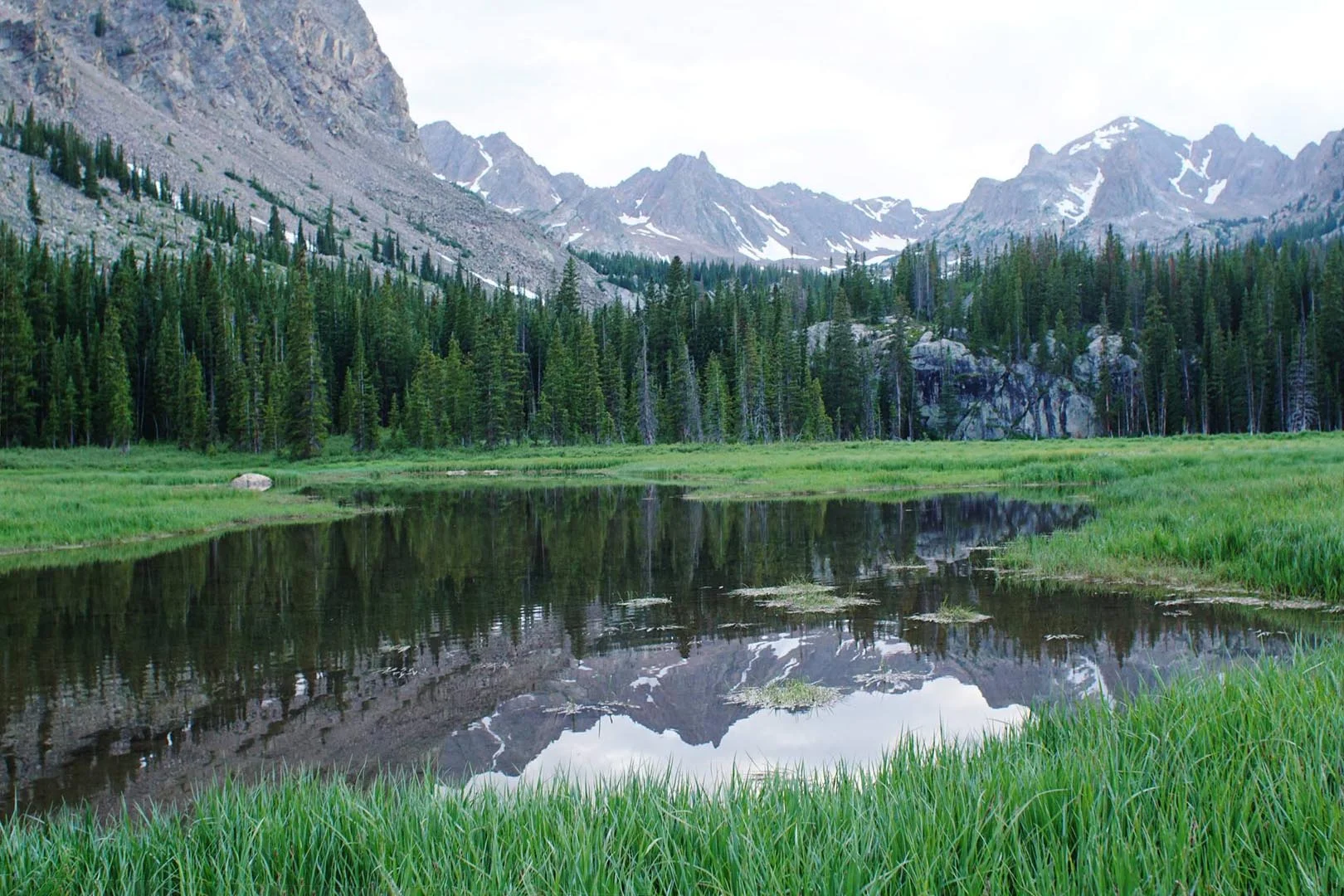
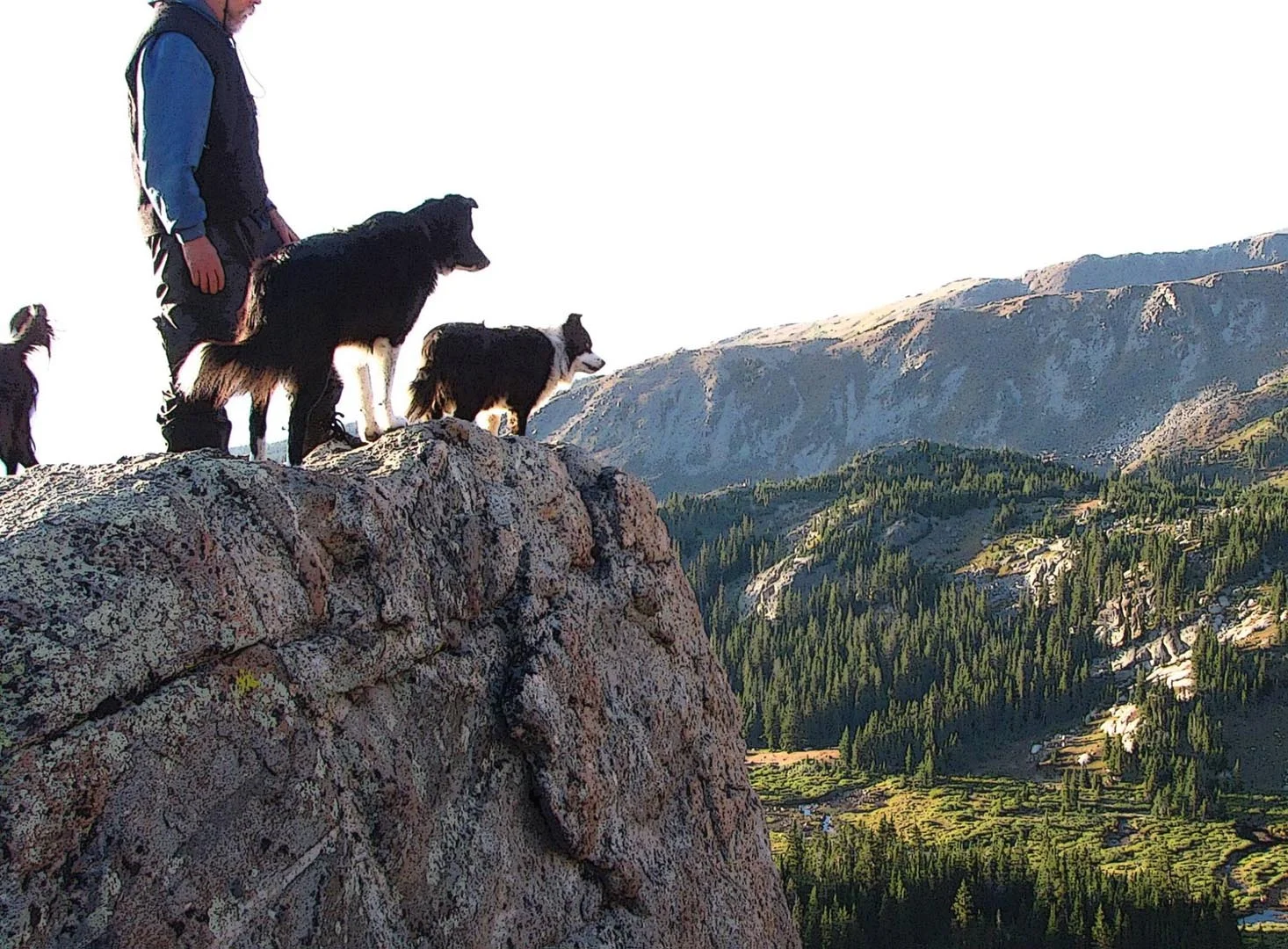
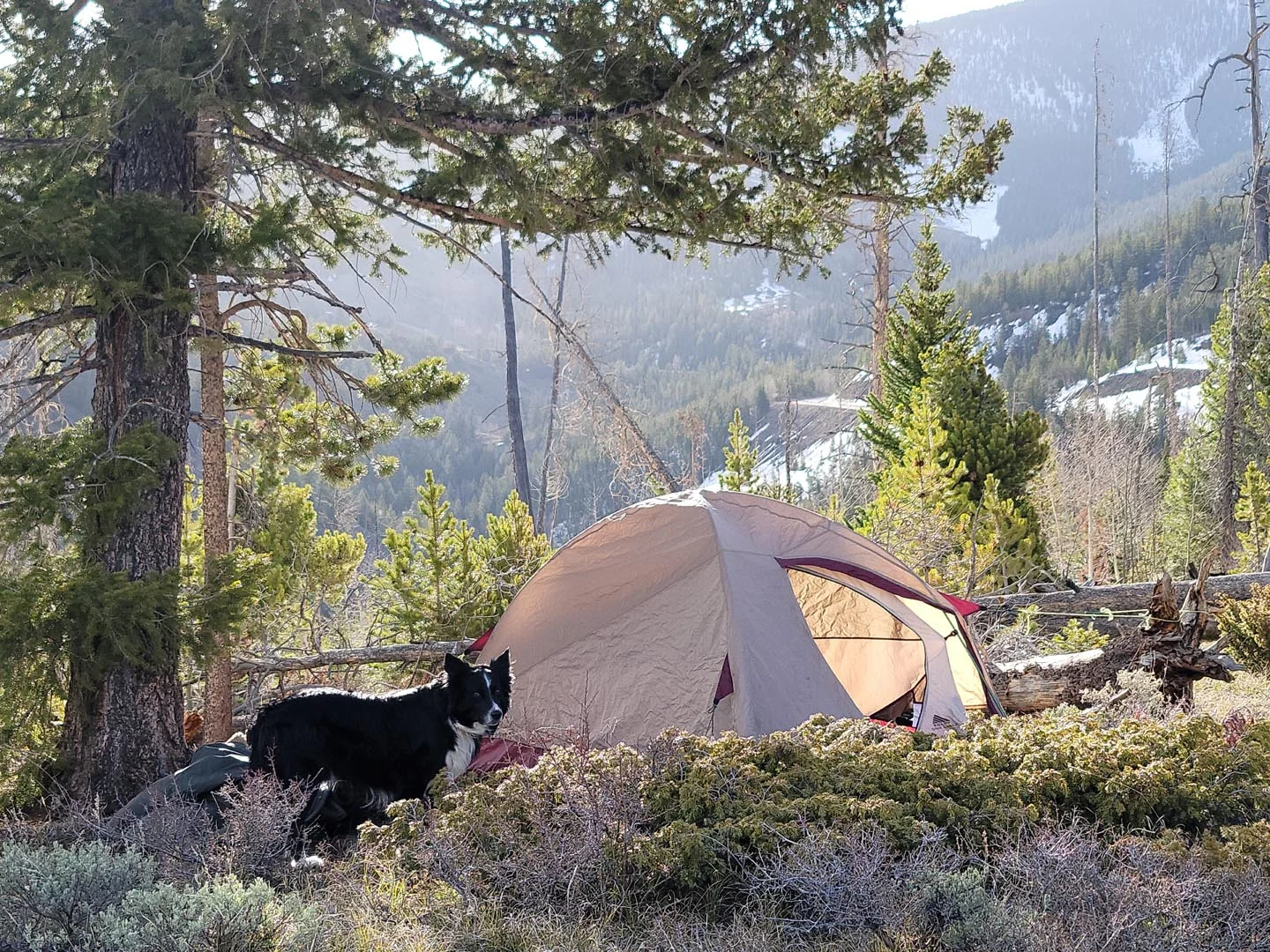
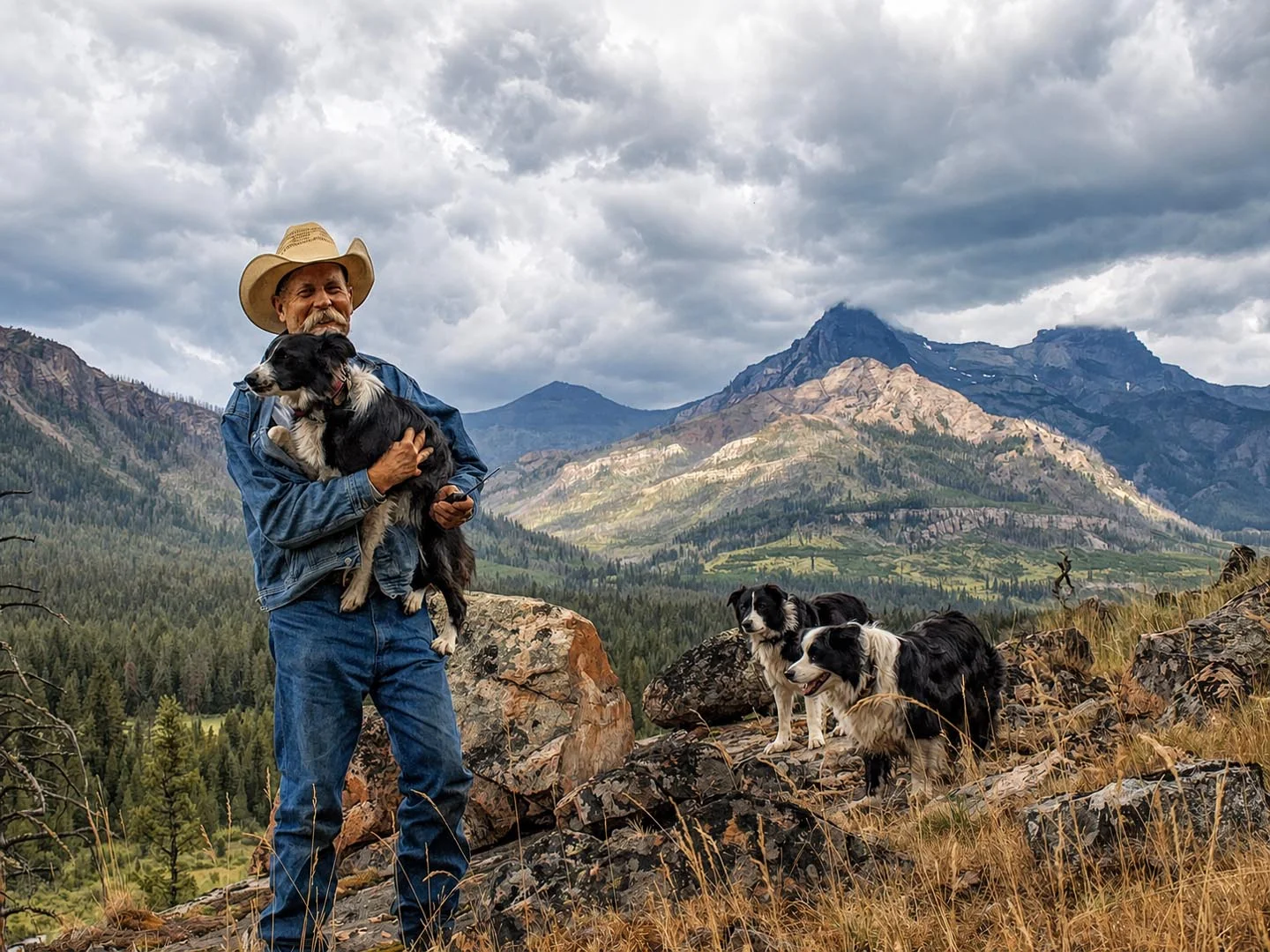
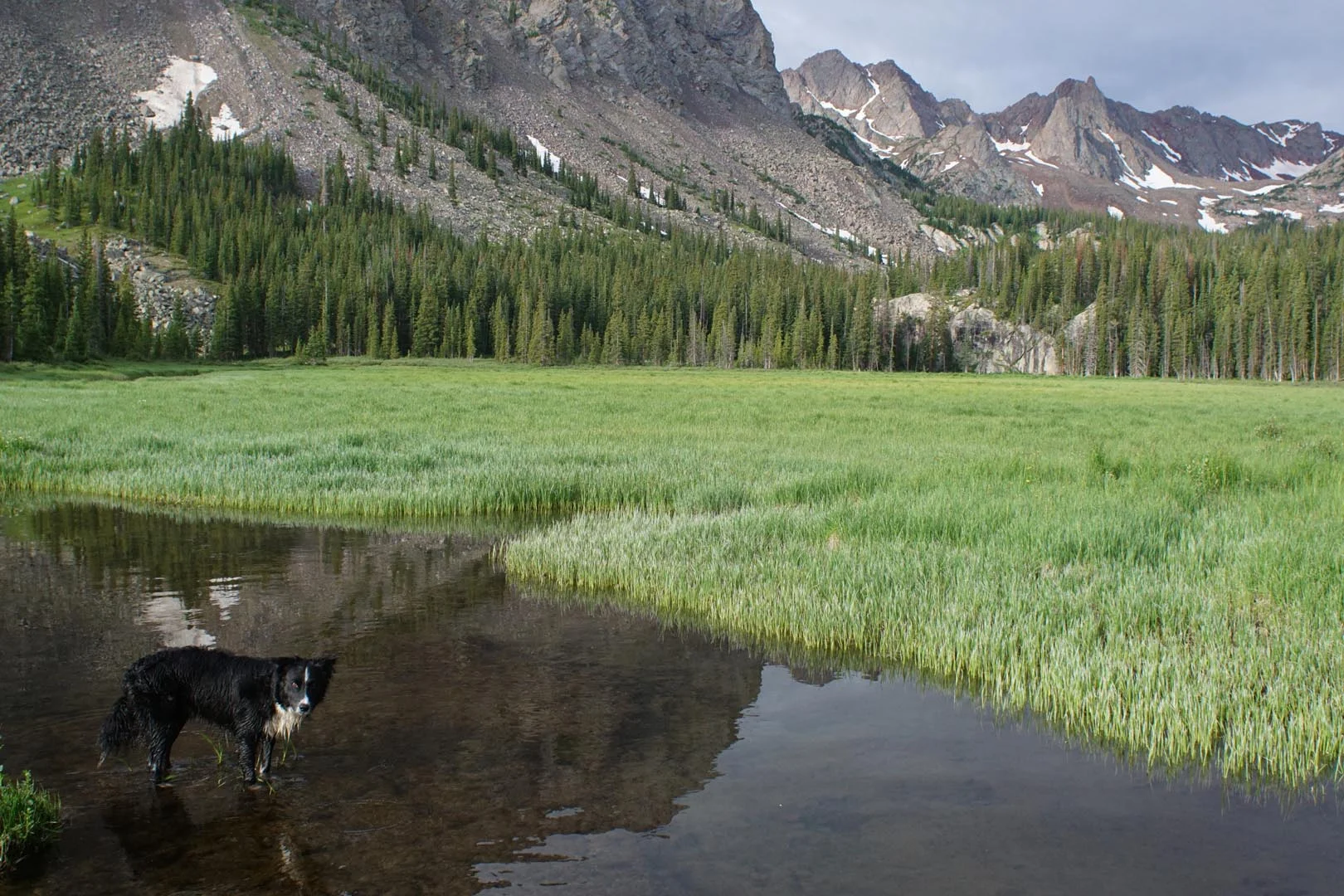
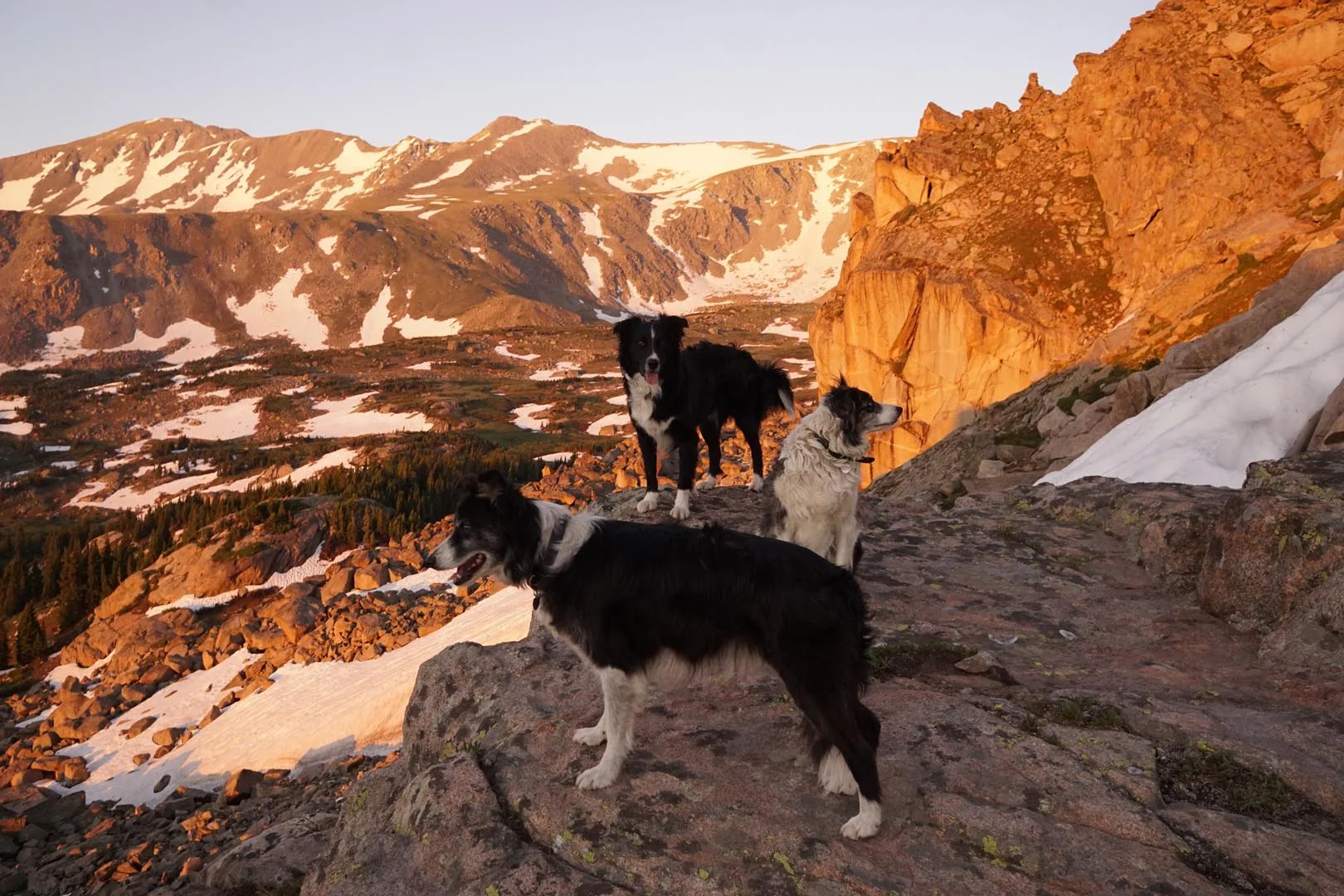
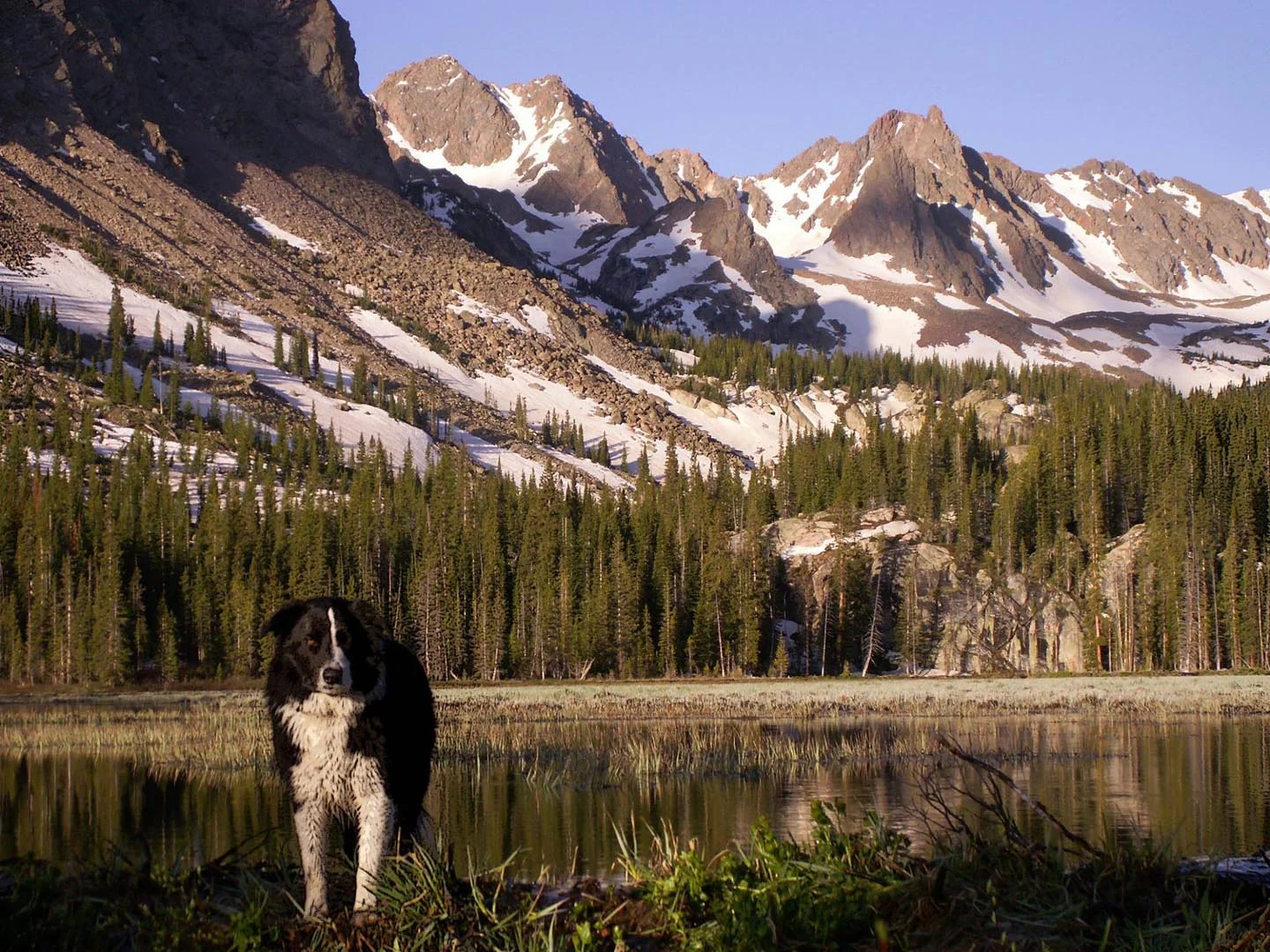
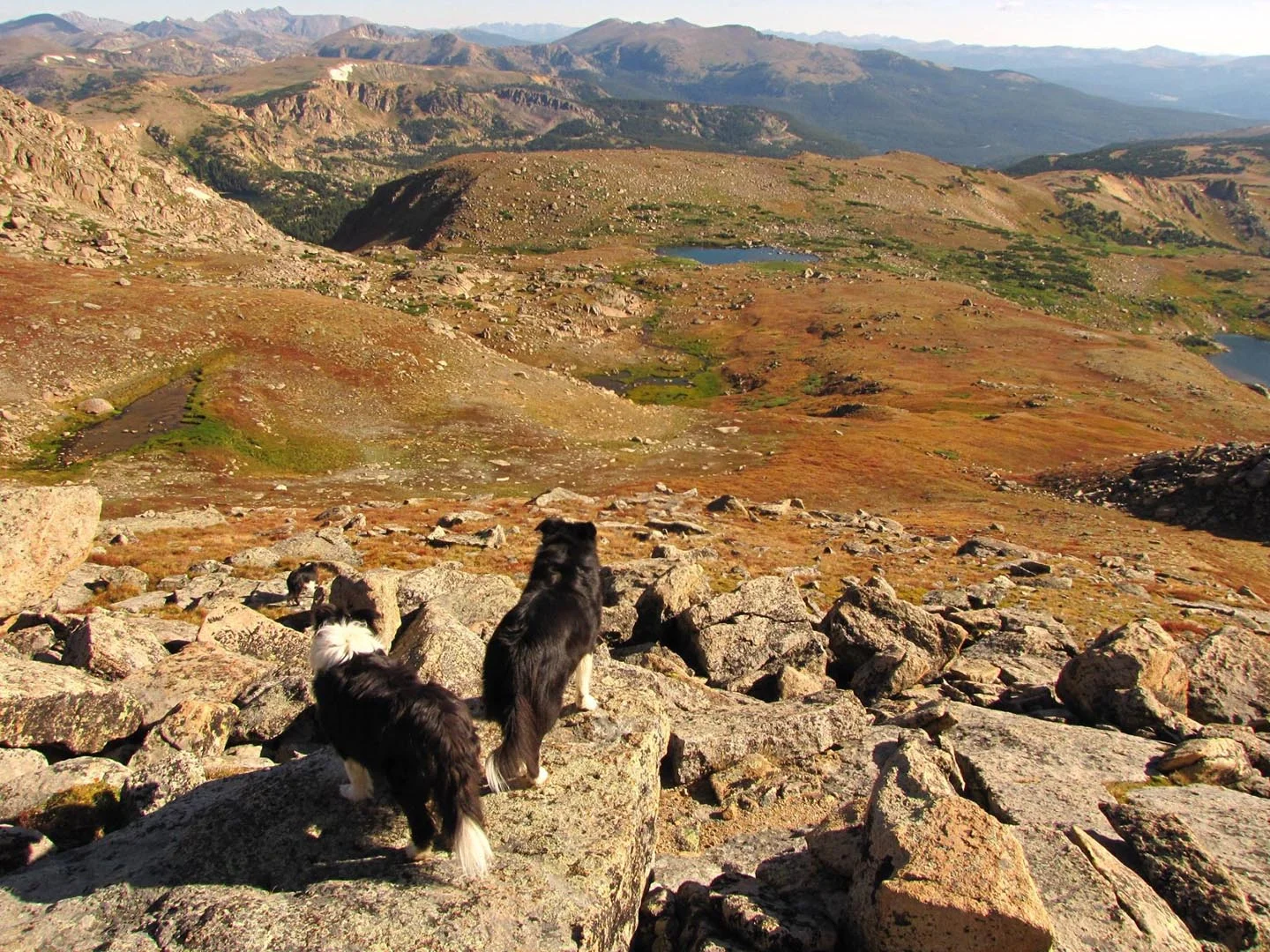
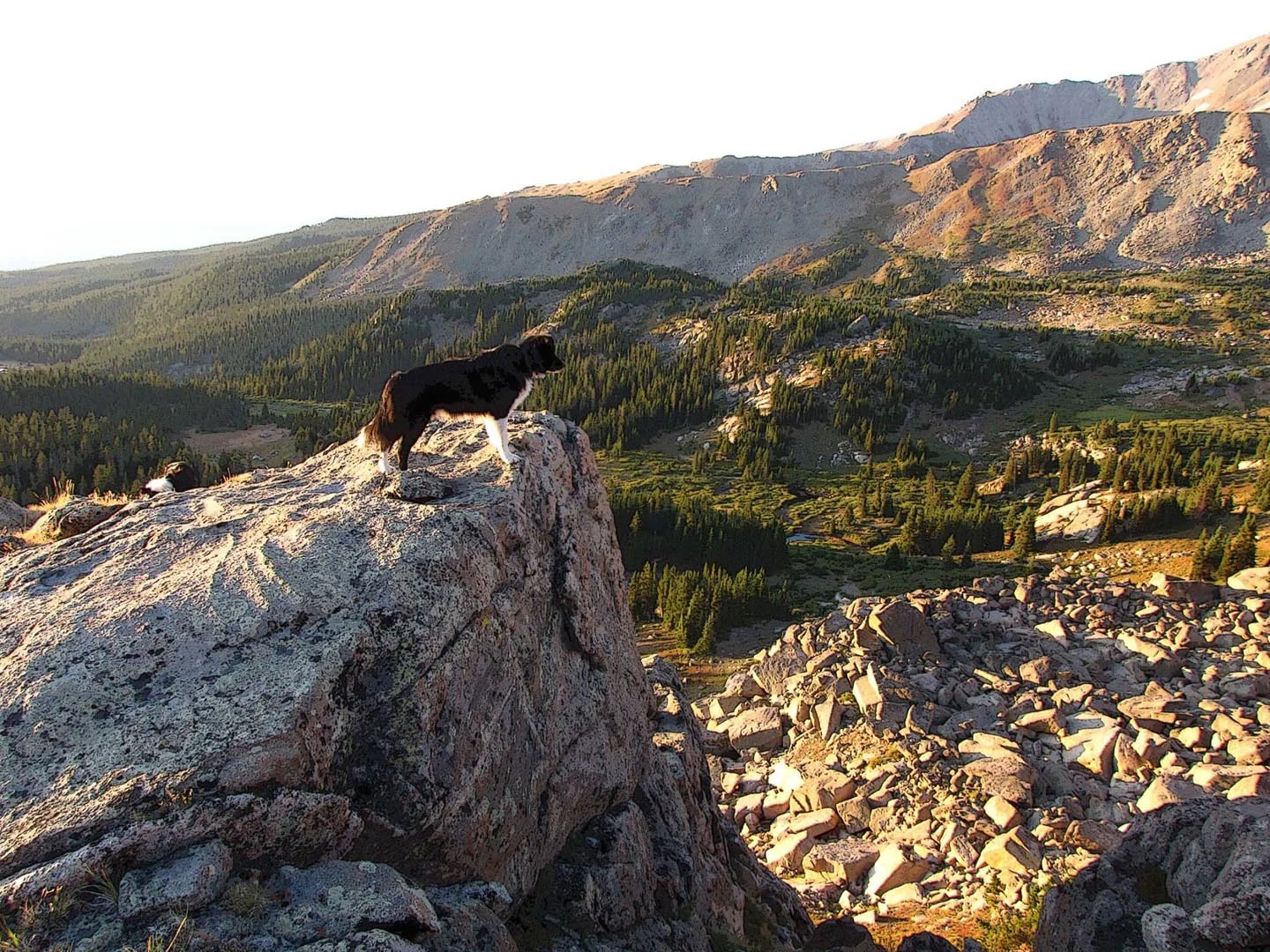
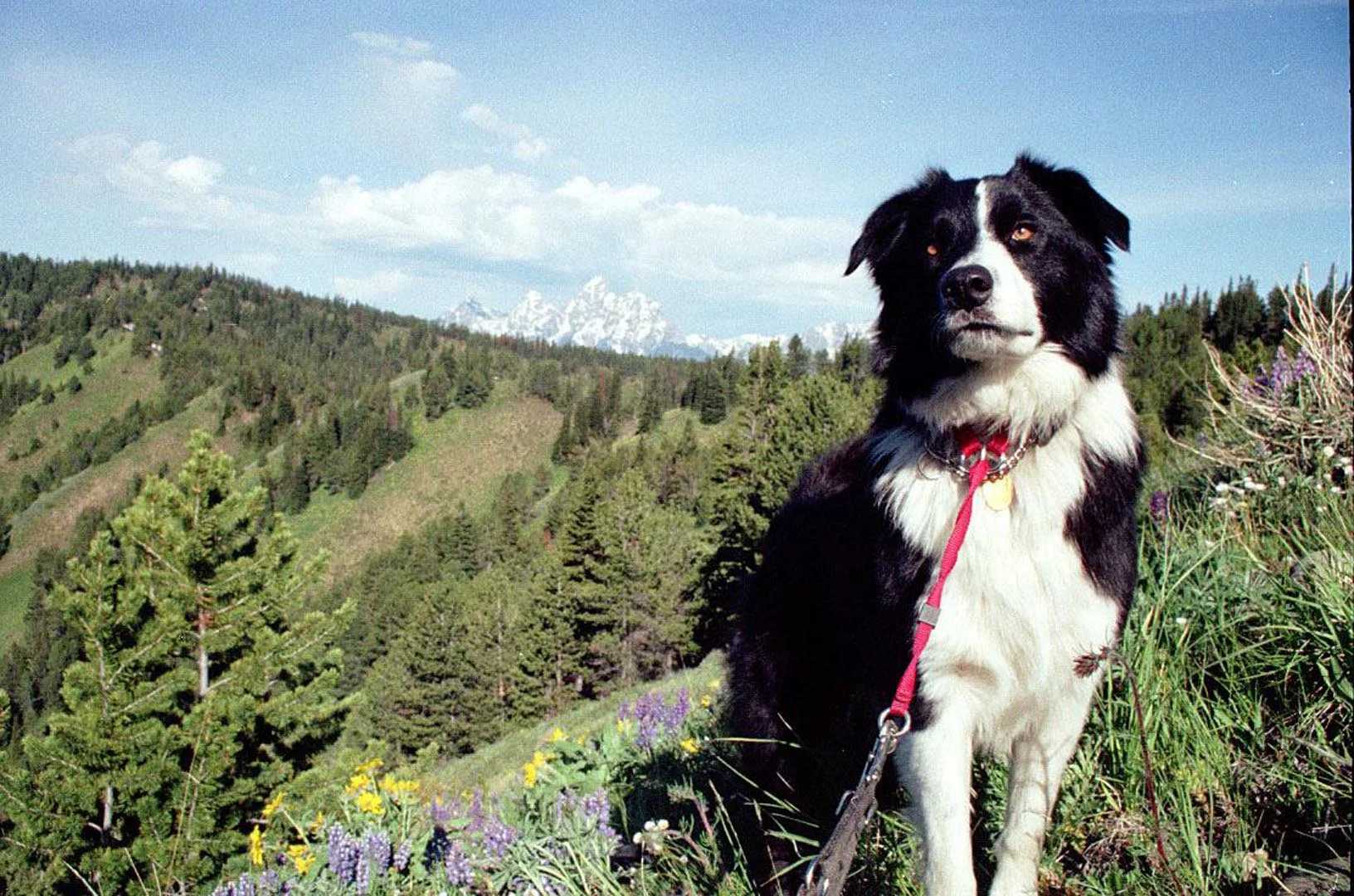
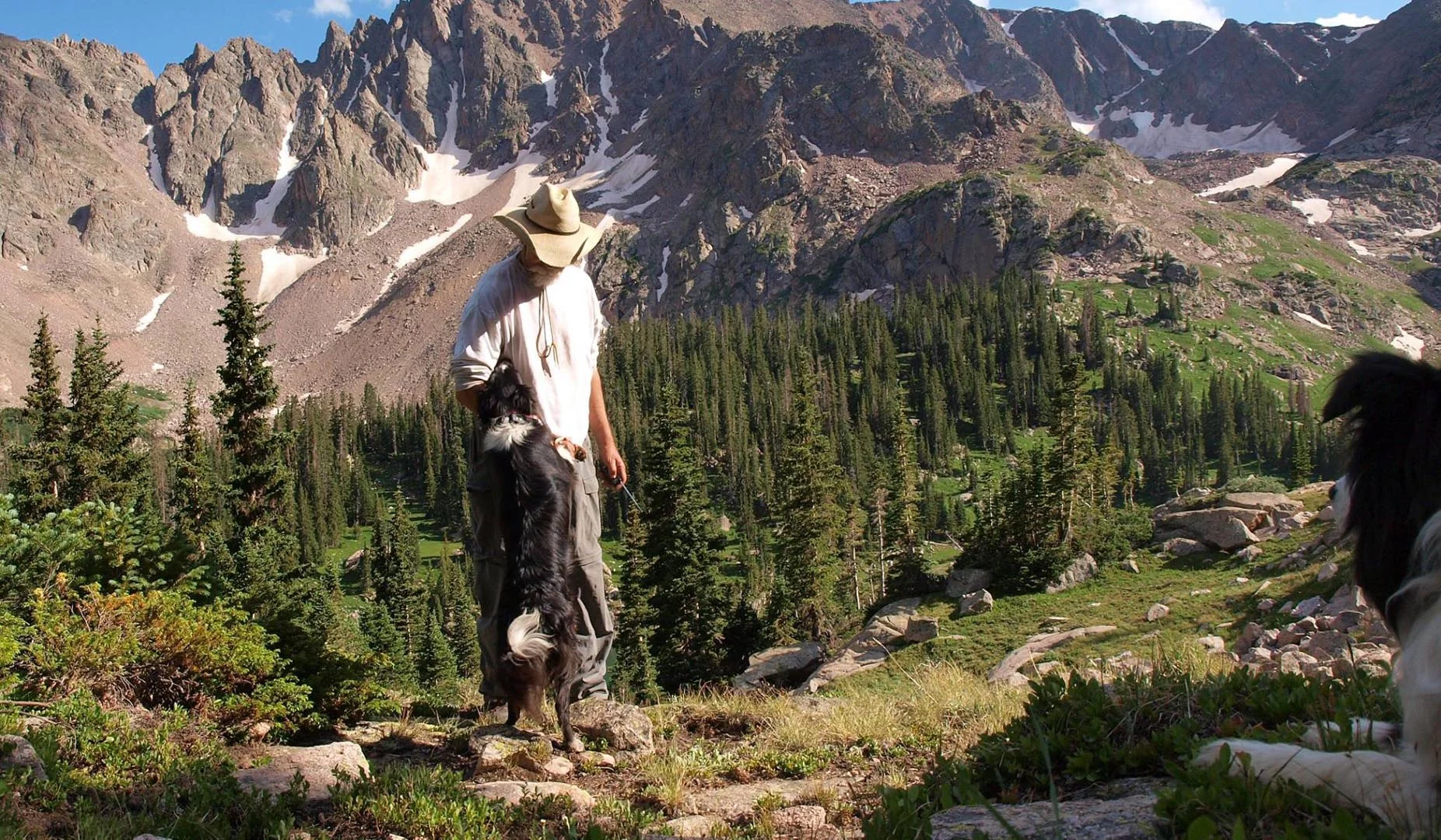
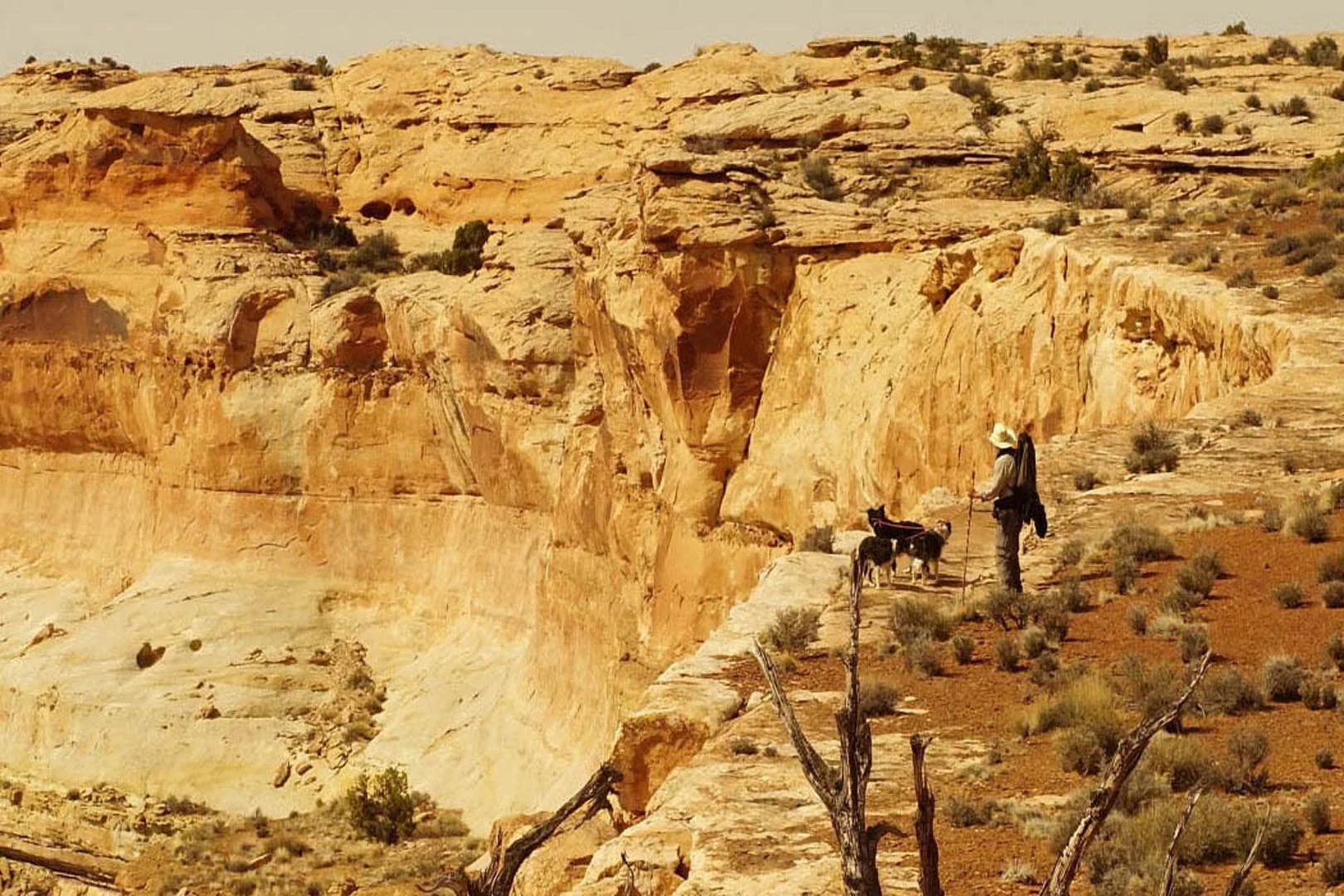
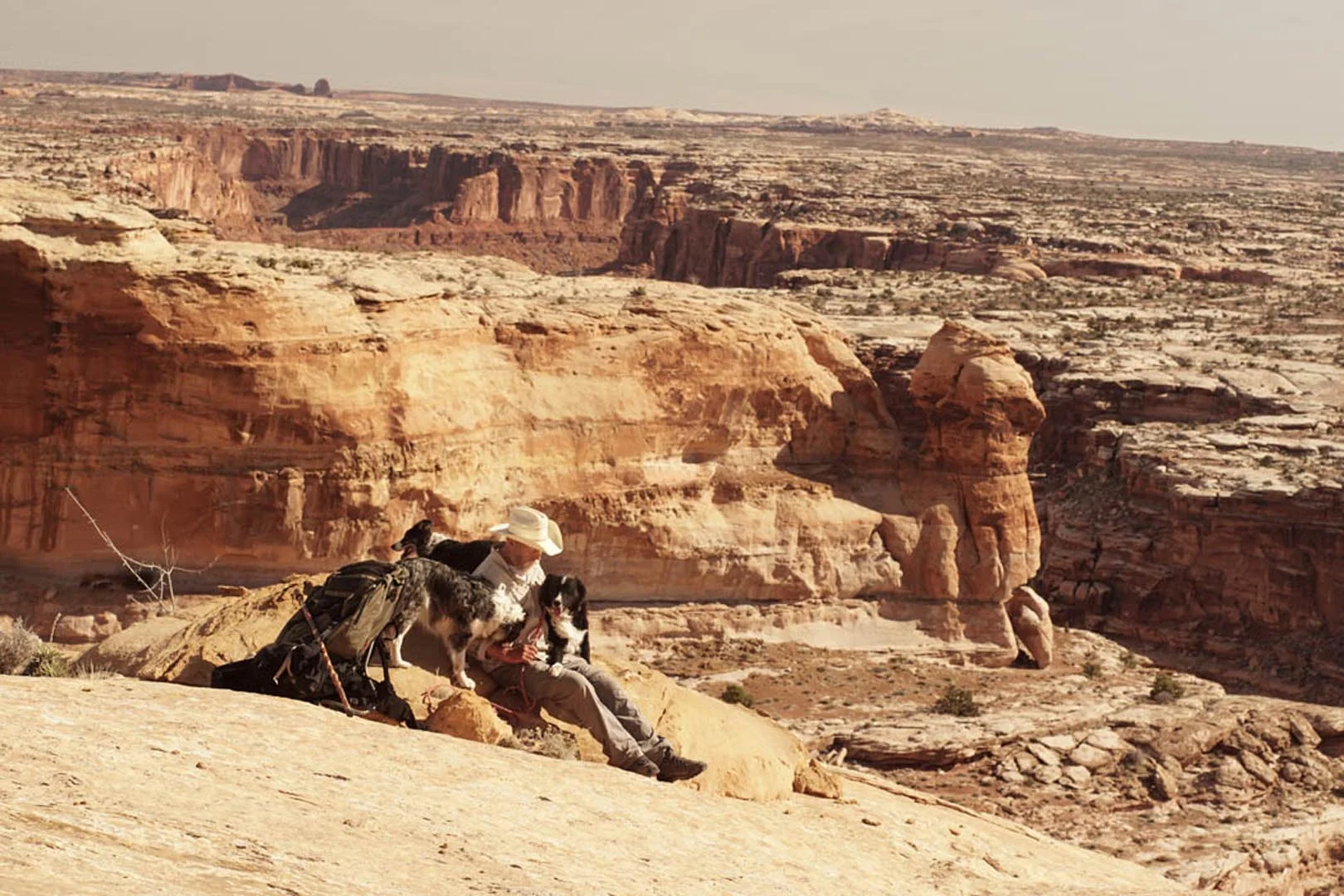
I hope something has come through to the children over the years, no matter which story I happened to tell. I hope they heard that I have loved my life on earth. I have explored the Rocky Mountains and Canyon Country, usually with border collies leading the way. I have been awestruck by the reefs and fish of the Coral Triangle. After each of my five trips to Indonesia, I came back with stories, photos, and videos to share with classrooms. Maybe some of that wonder will stay with them.
And I am still learning how to do this. Last week, I told the Lewis and Clark story in two classrooms and realized I was giving the students more history than story. So for the third classroom, before beginning Lewis and Clark, I added one of my favorite stories, based on Byrd Baylor's Coyote Cry. I had not told it in years. I changed parts of it, added to it, and the day went better than I imagined.
So I am scaling back, but I am still going. Nineteen years of telling stories to children is one of the good deeds of my life, and I am proud of it.
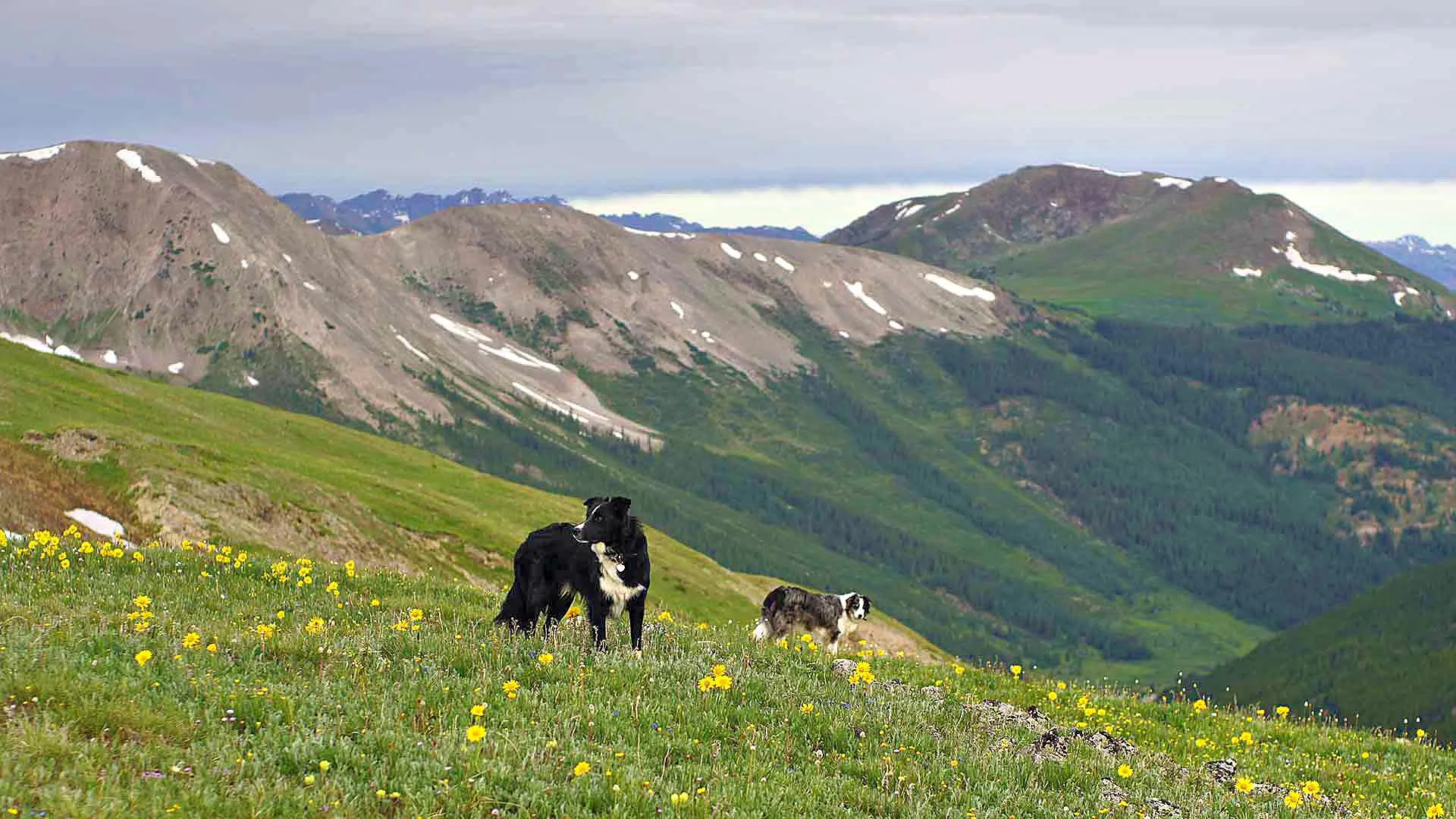
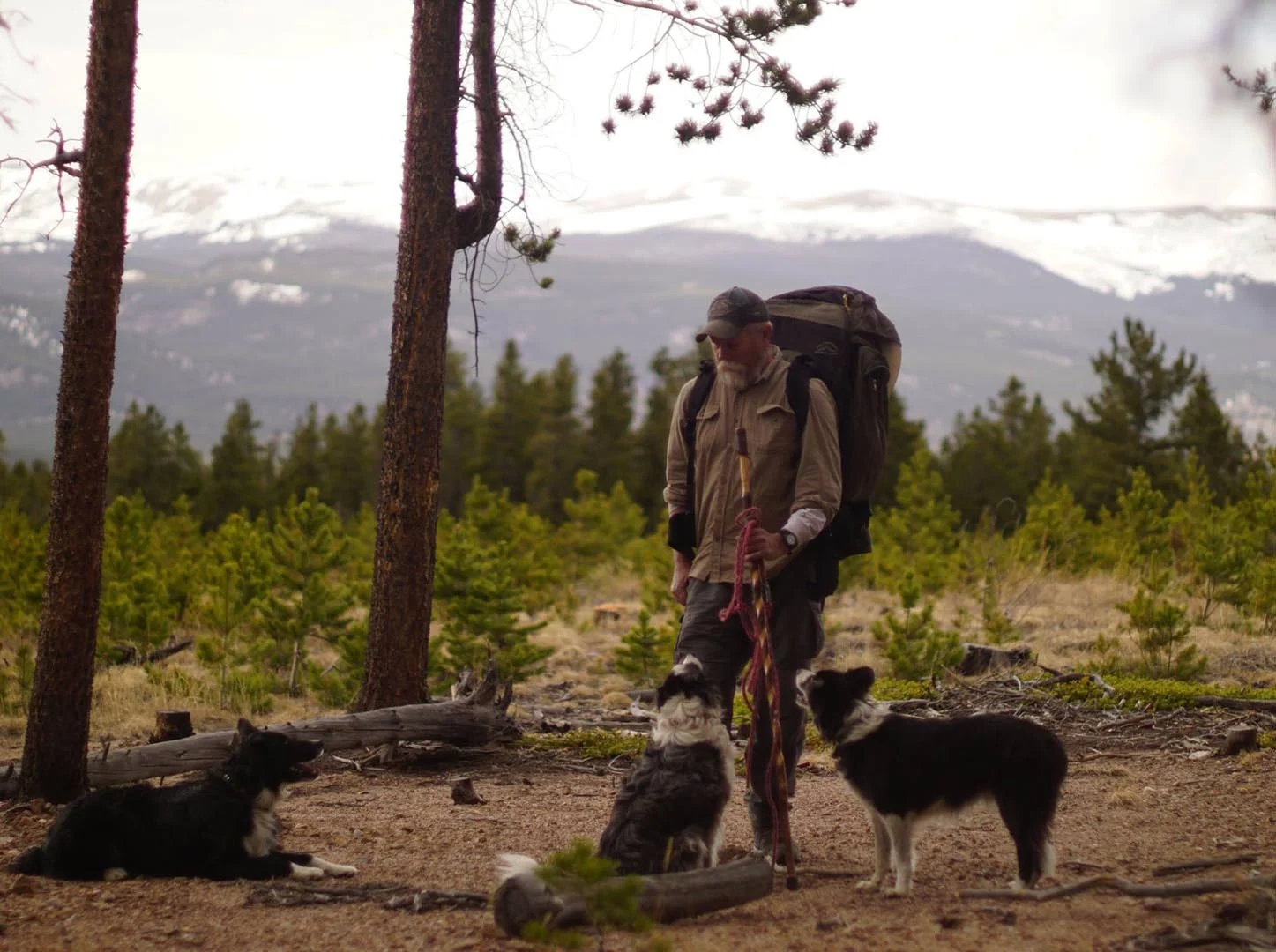
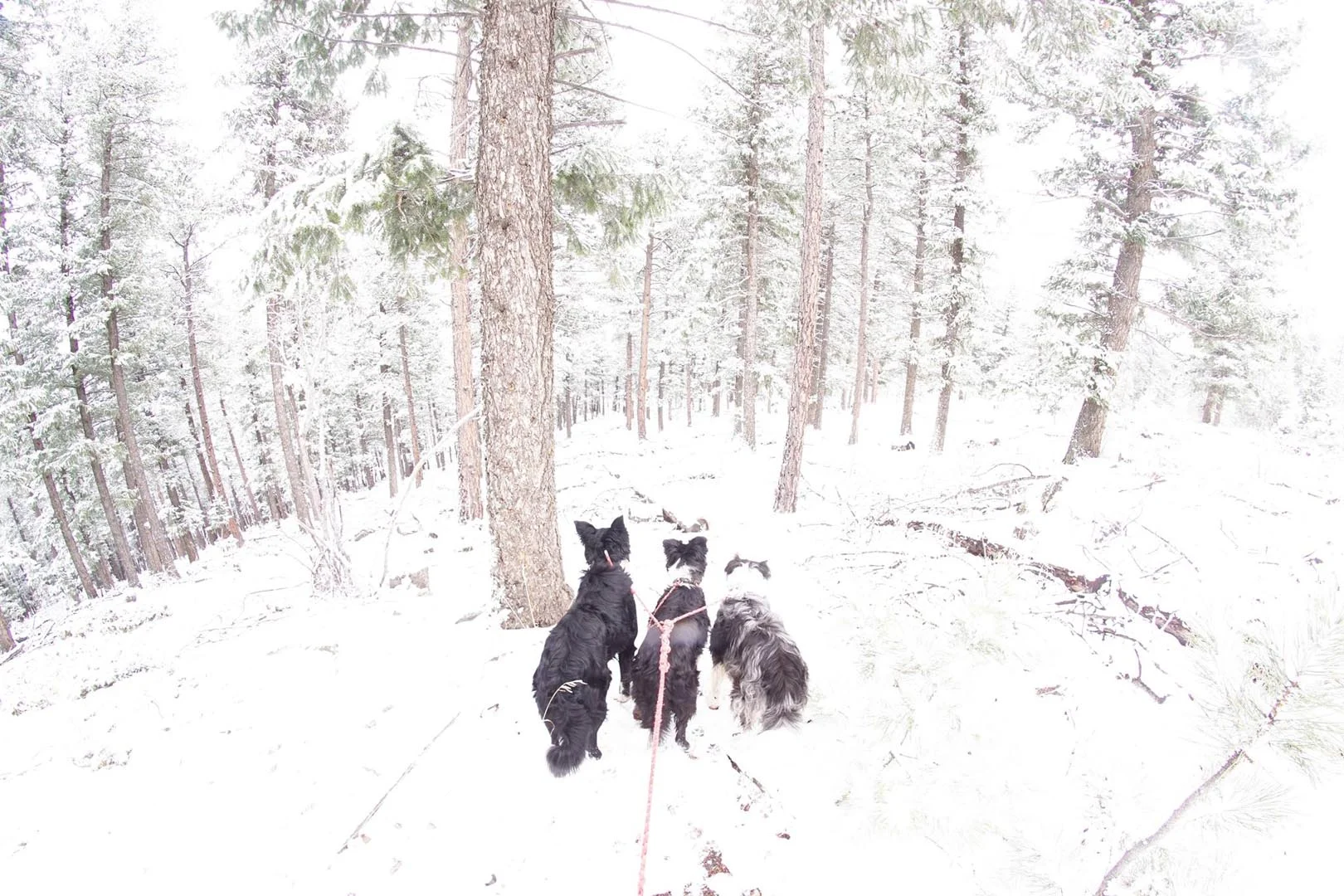
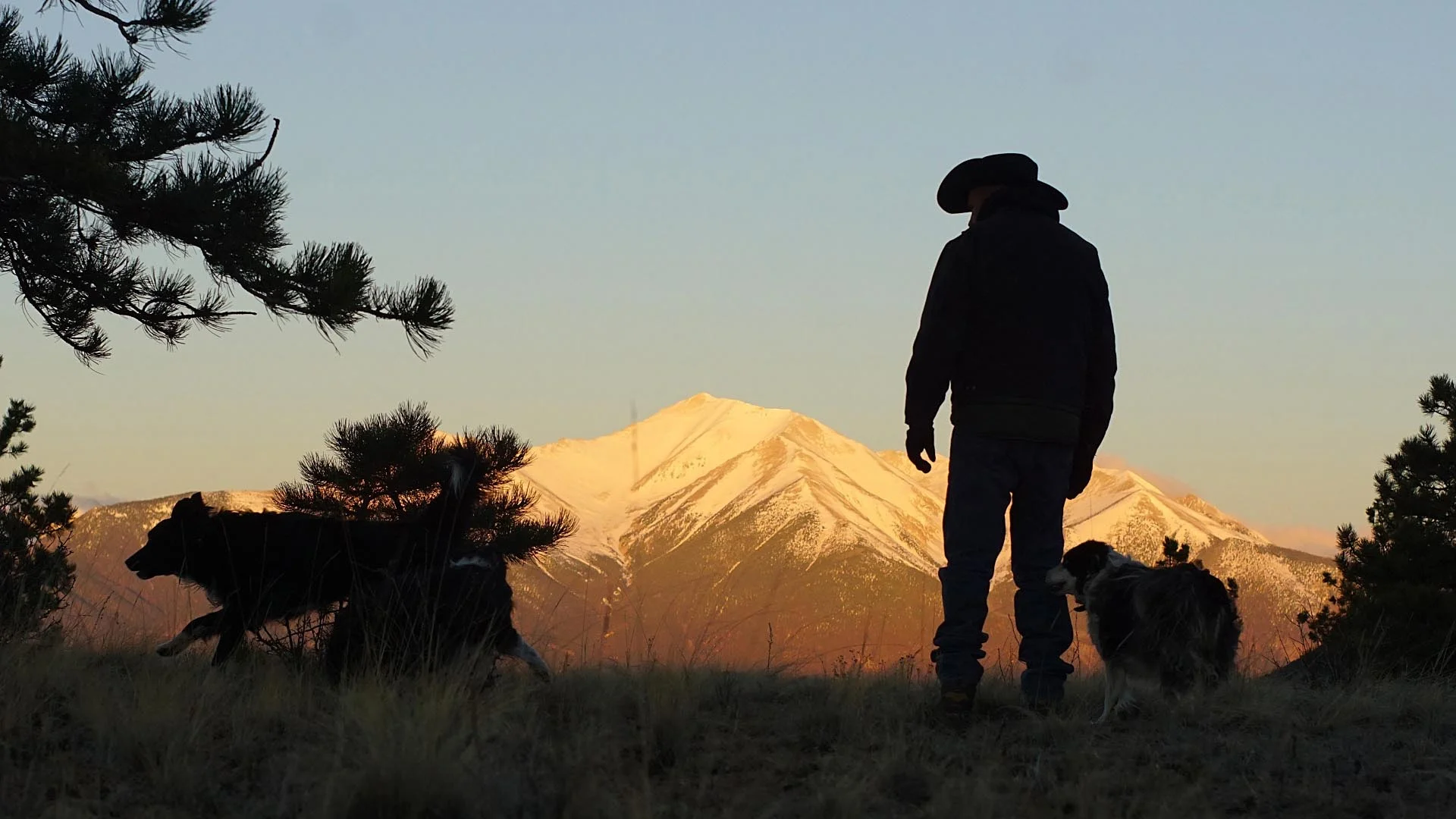
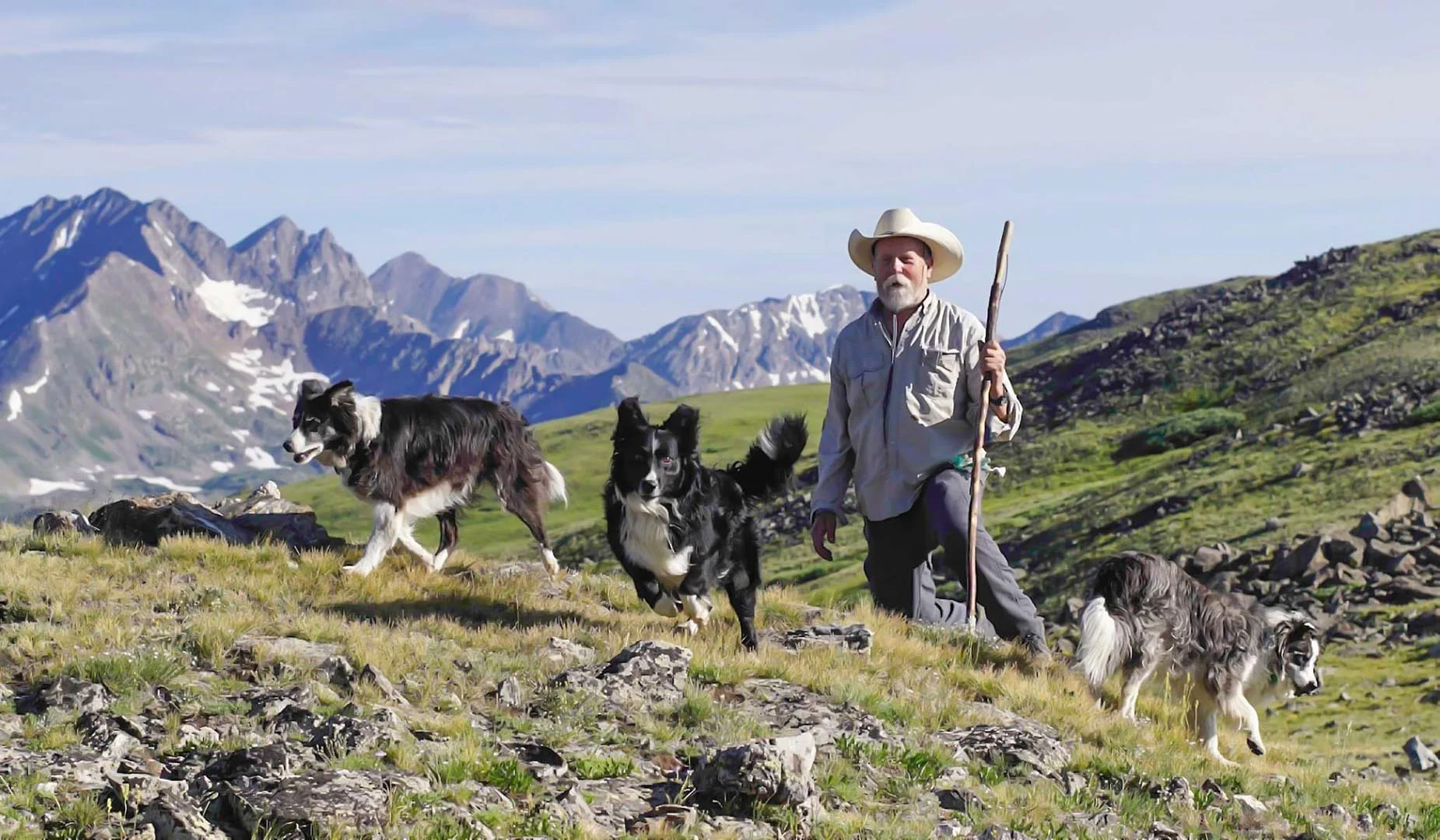
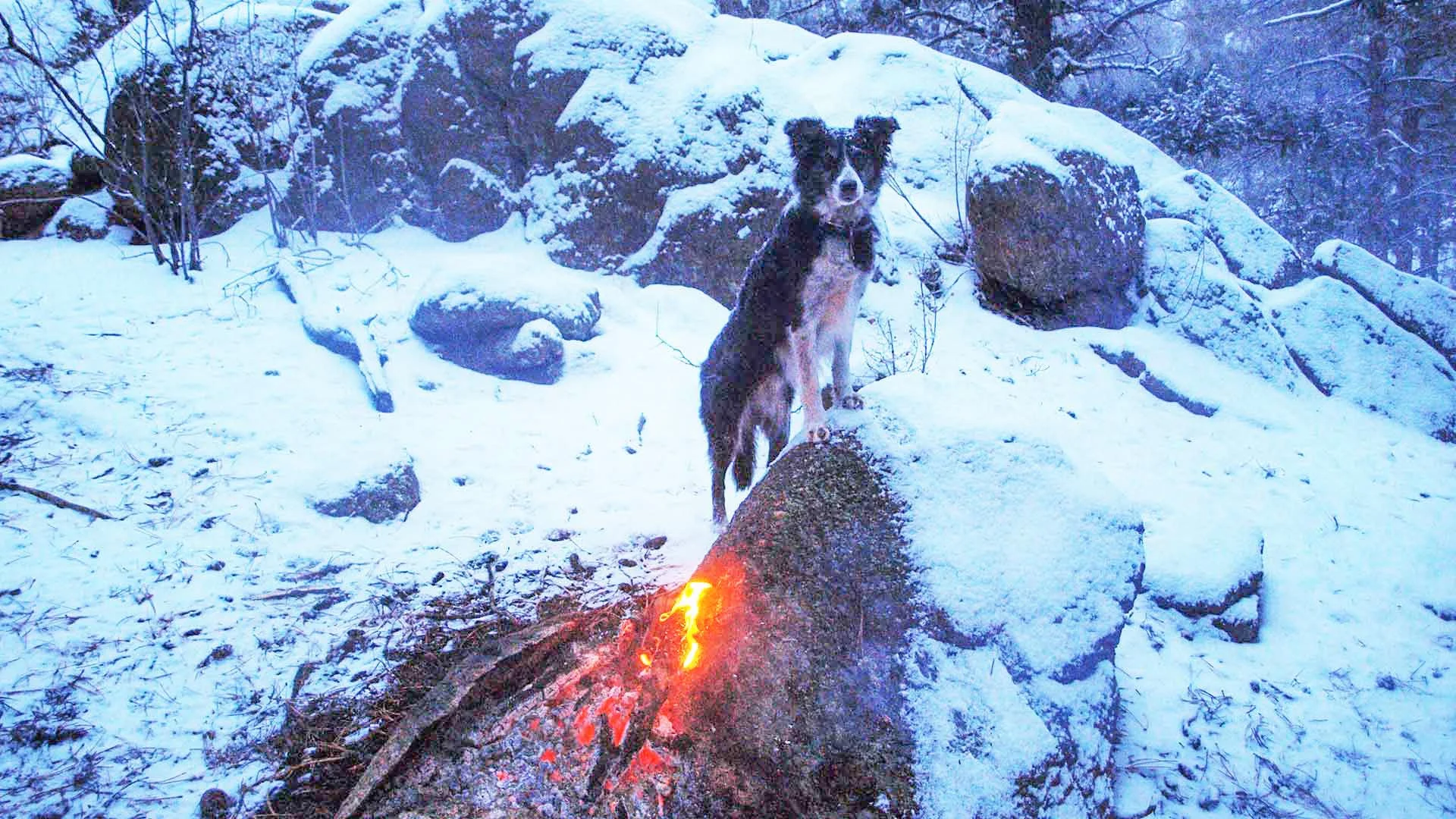
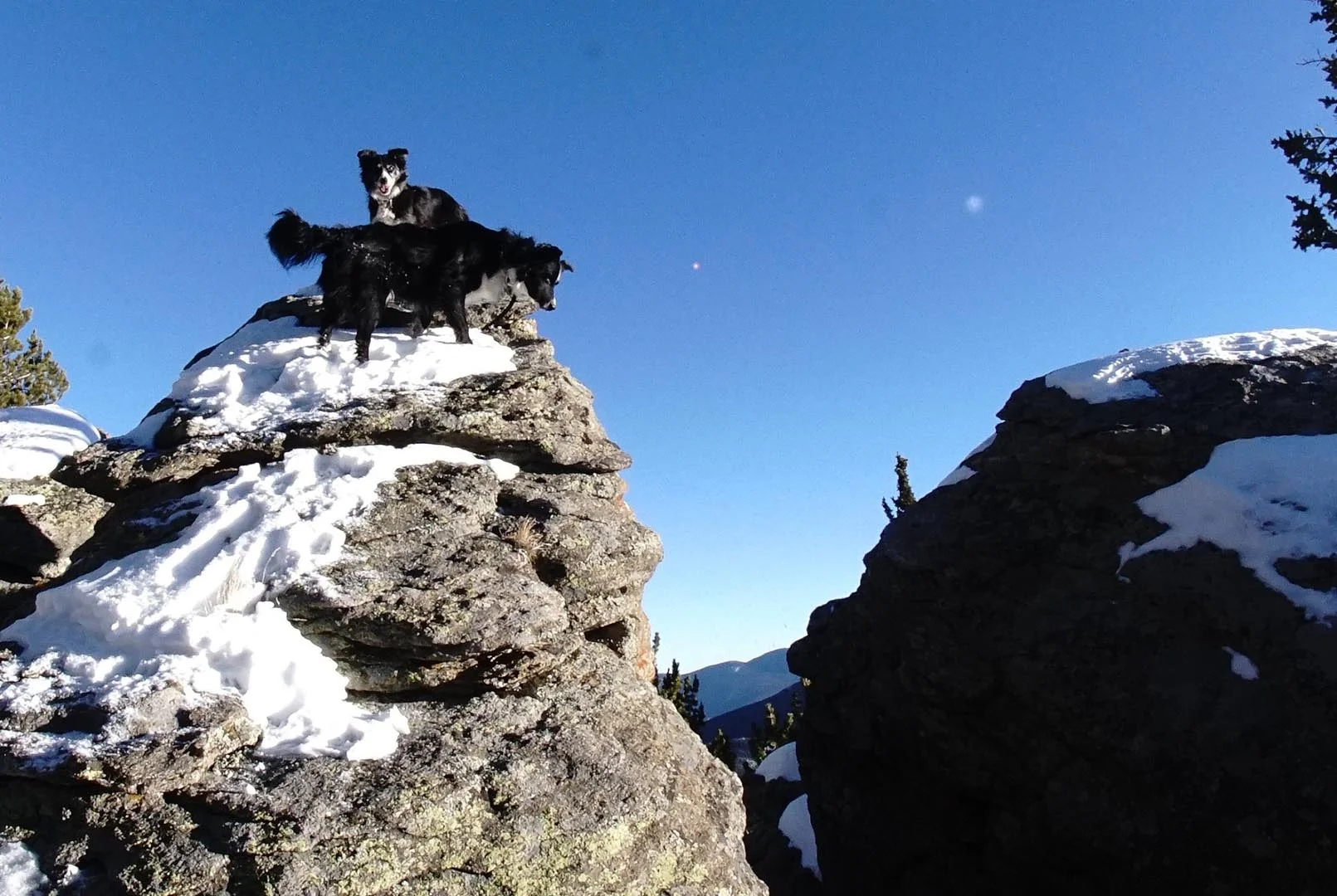
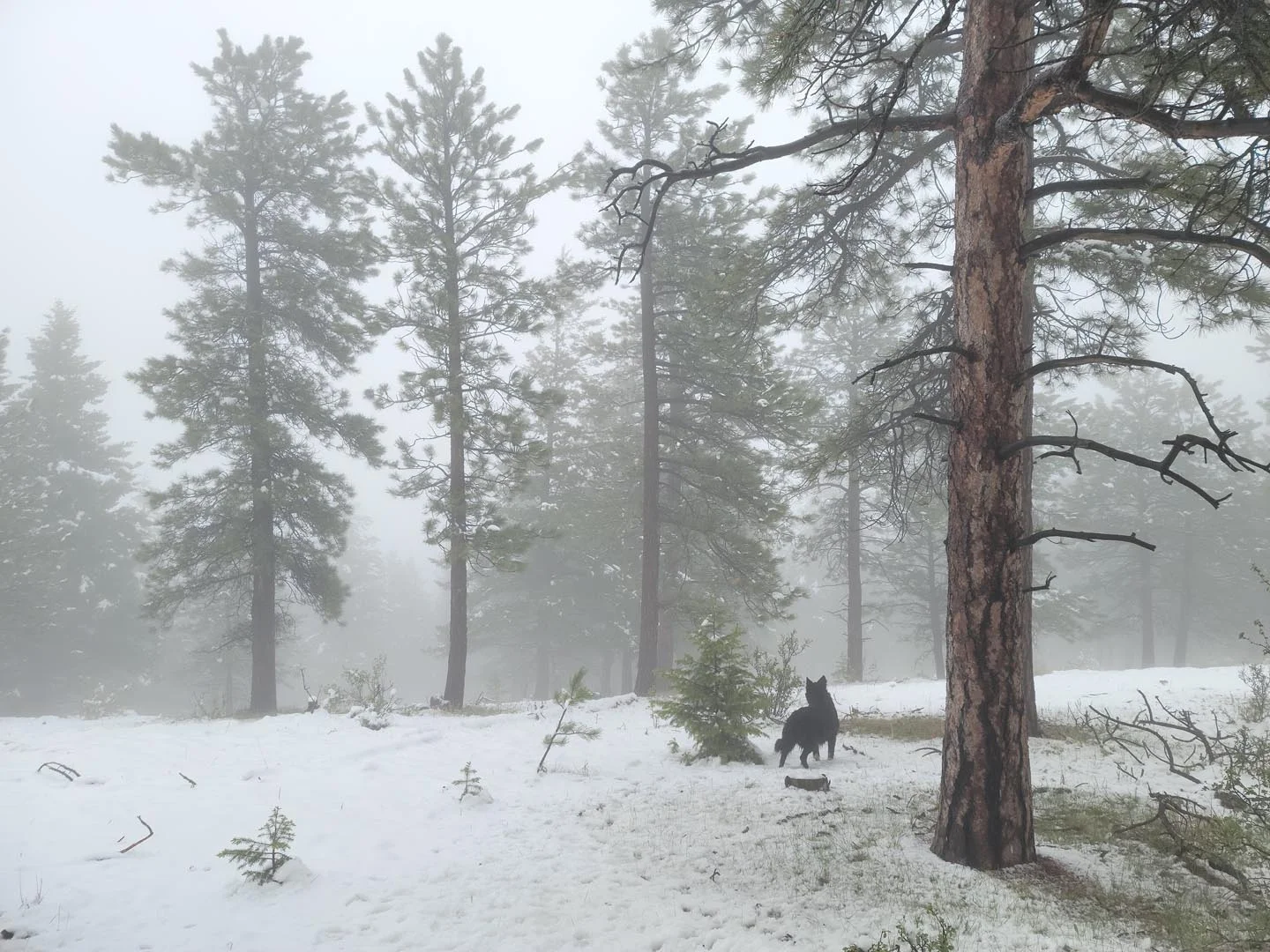
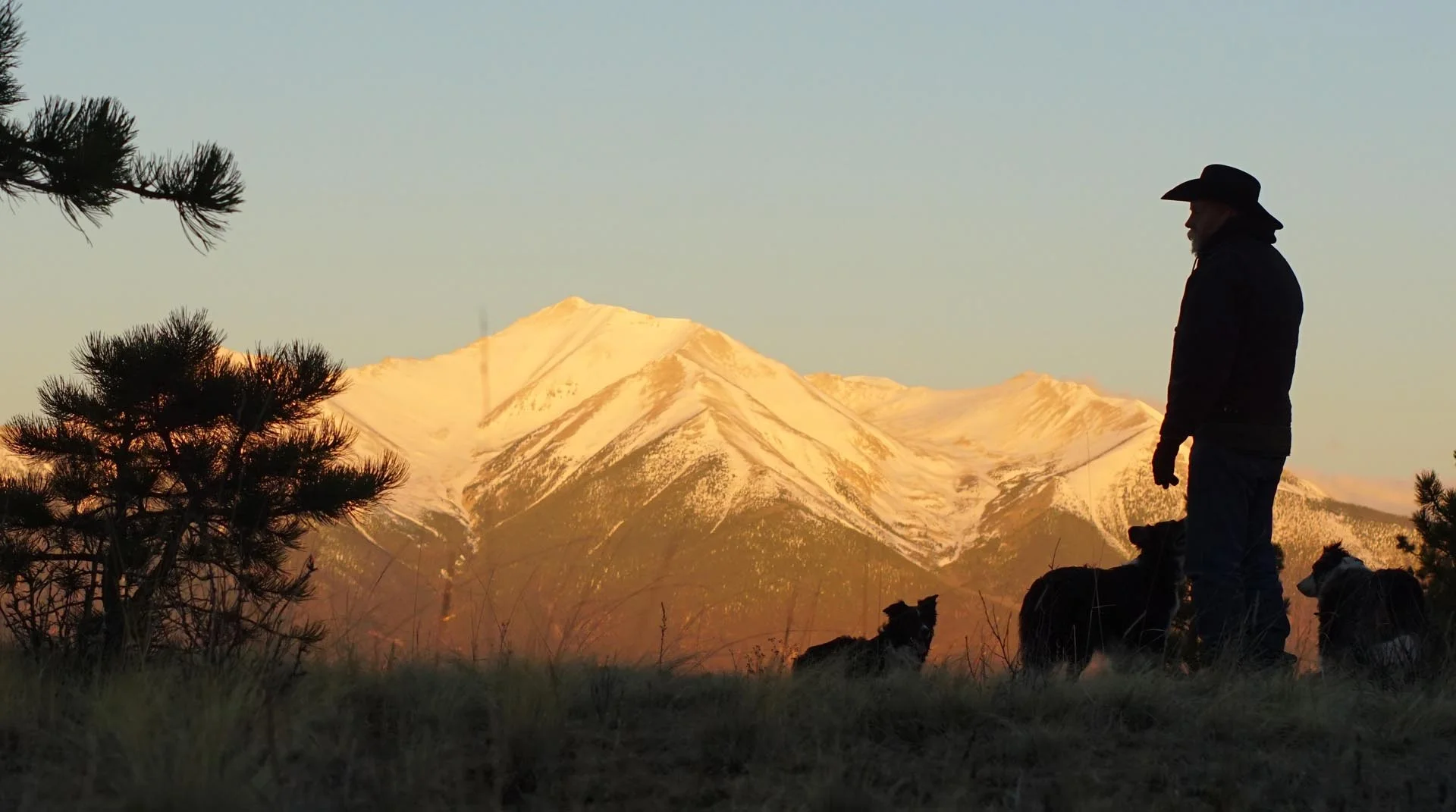
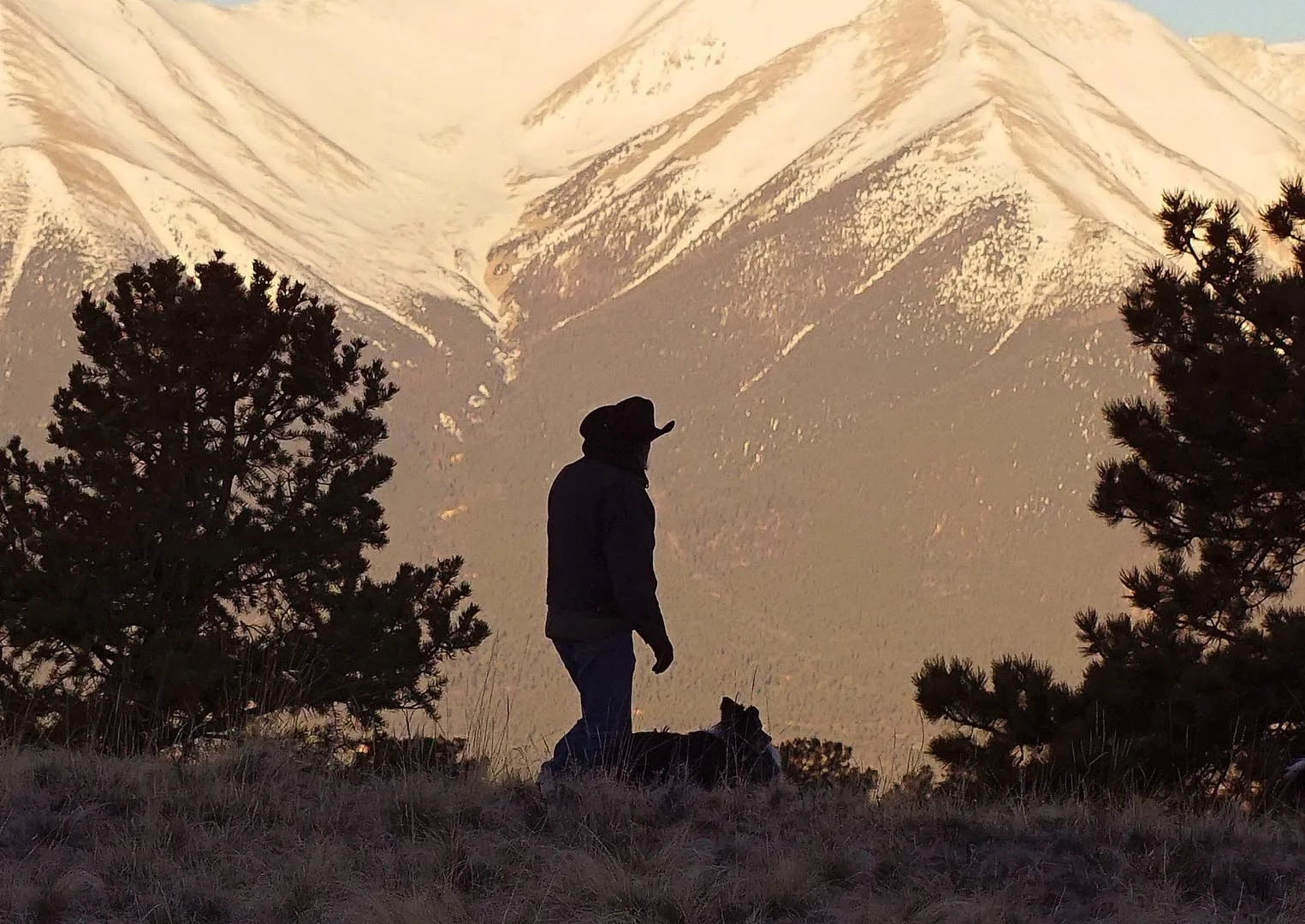
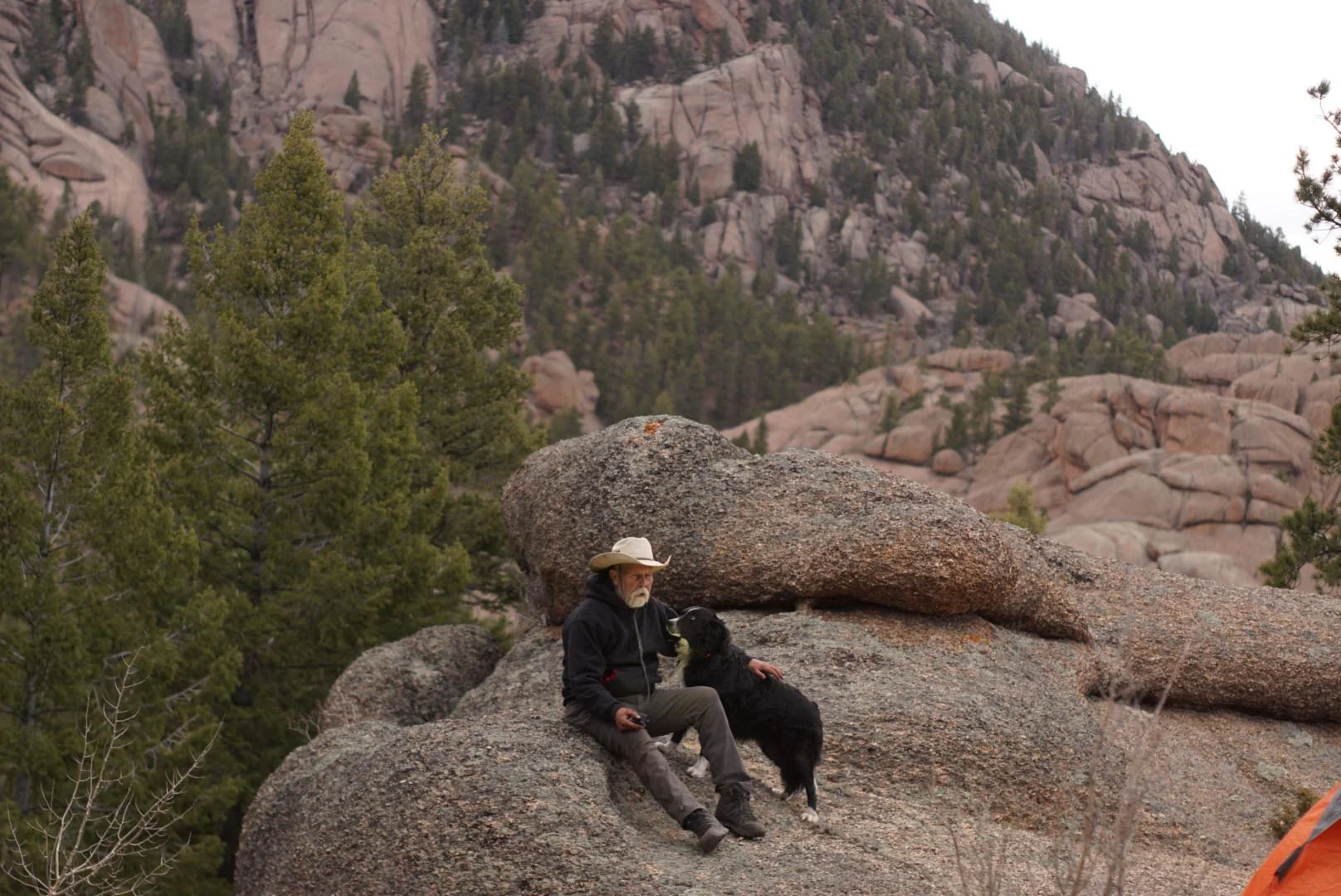
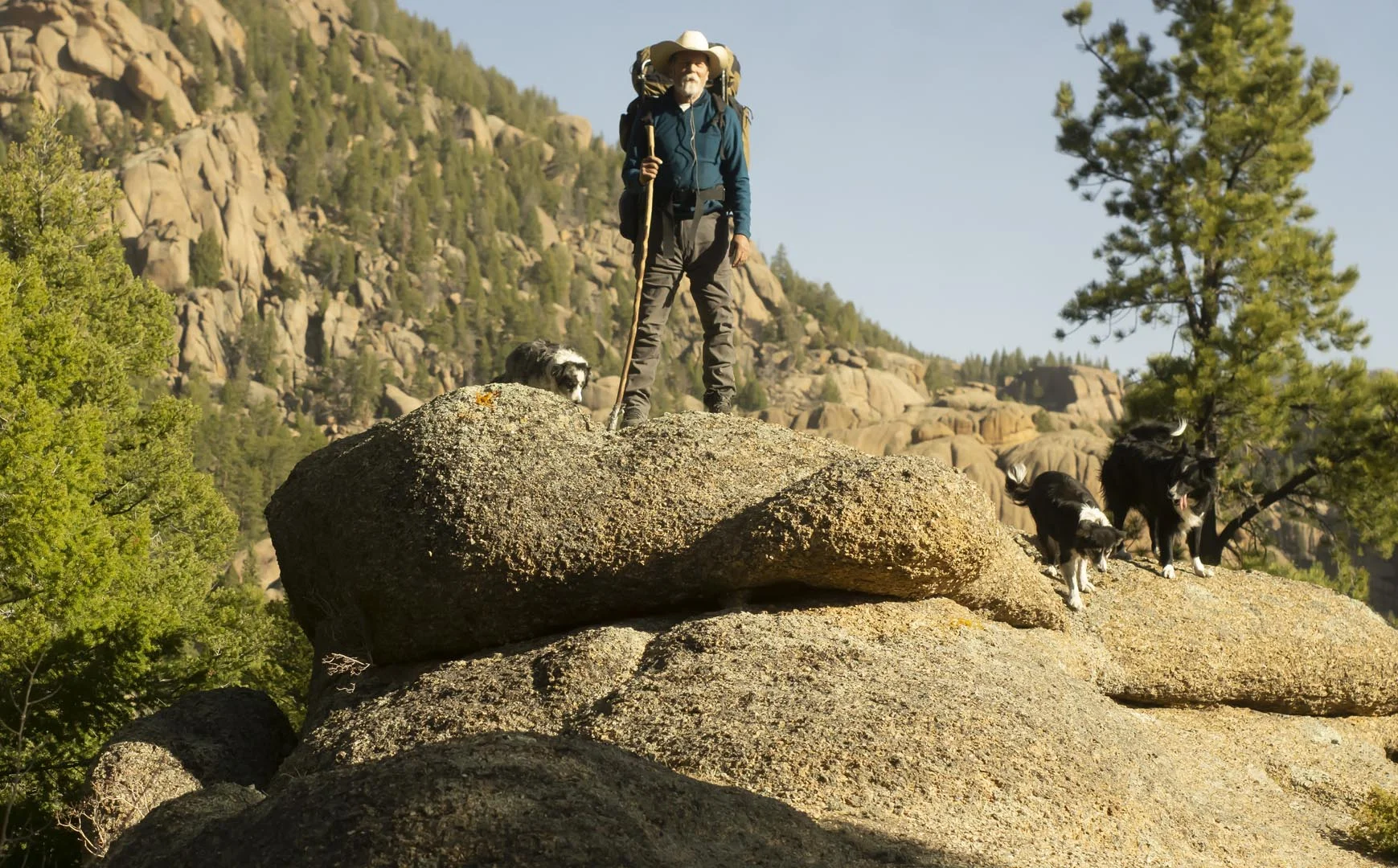
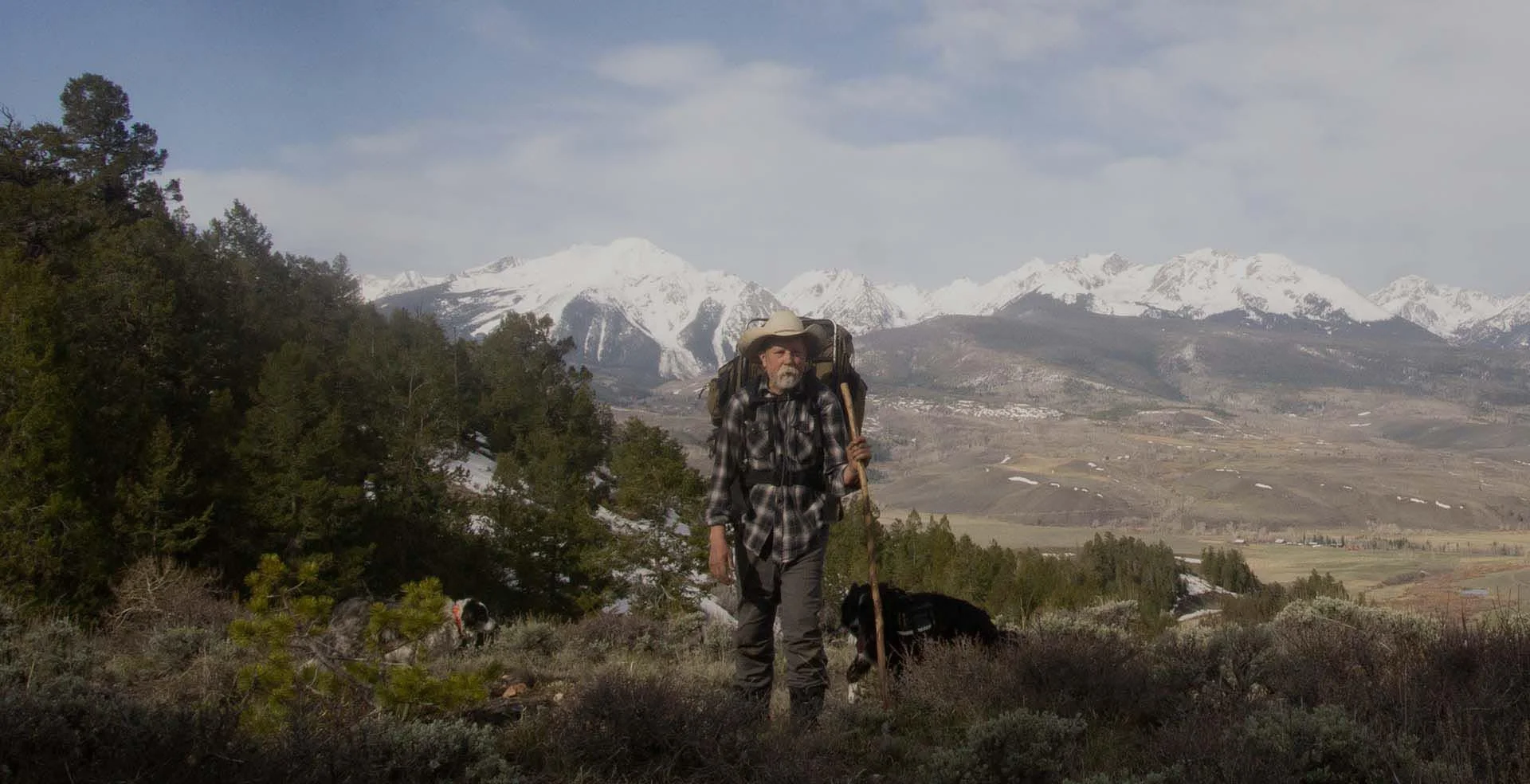
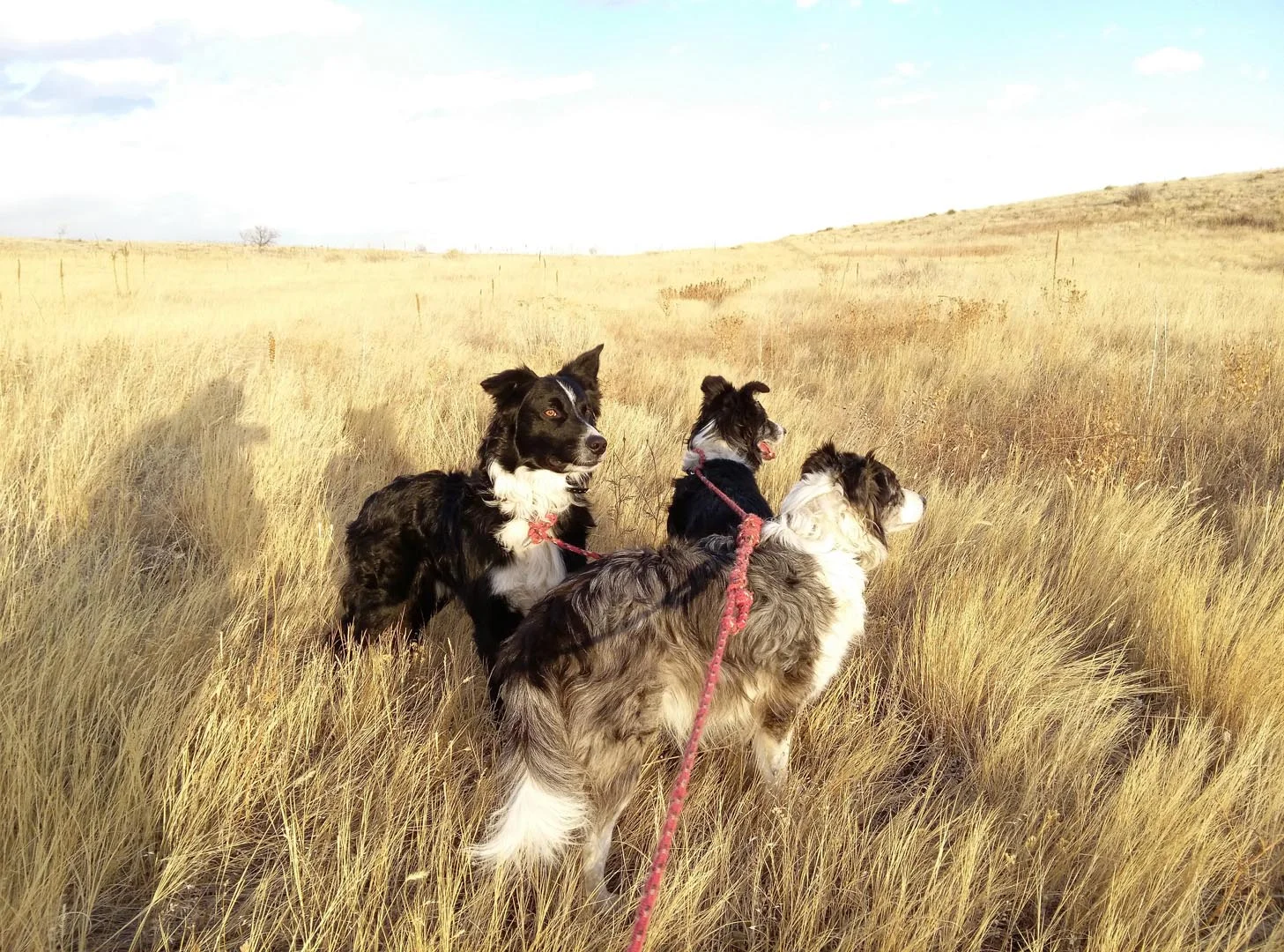
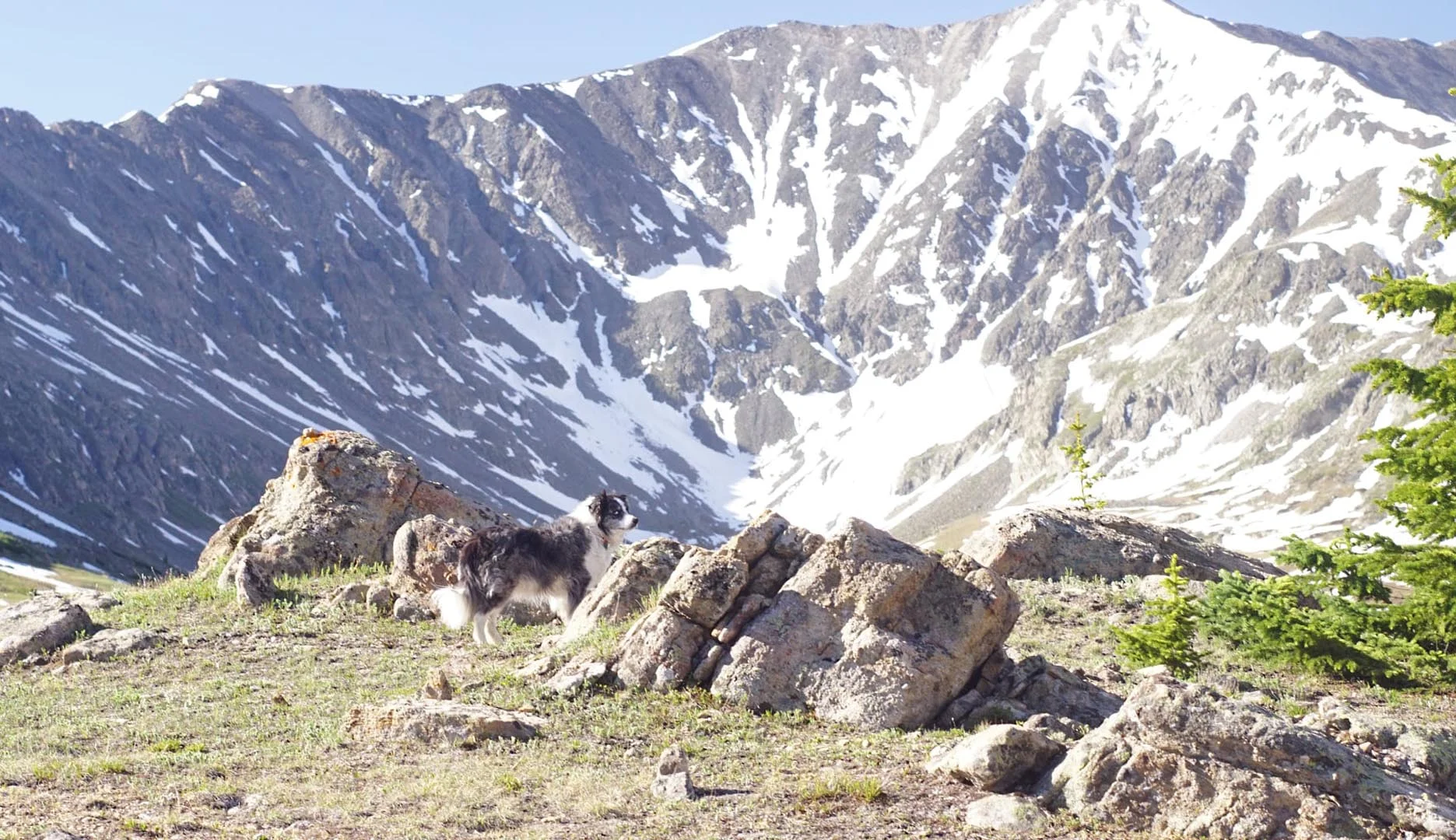
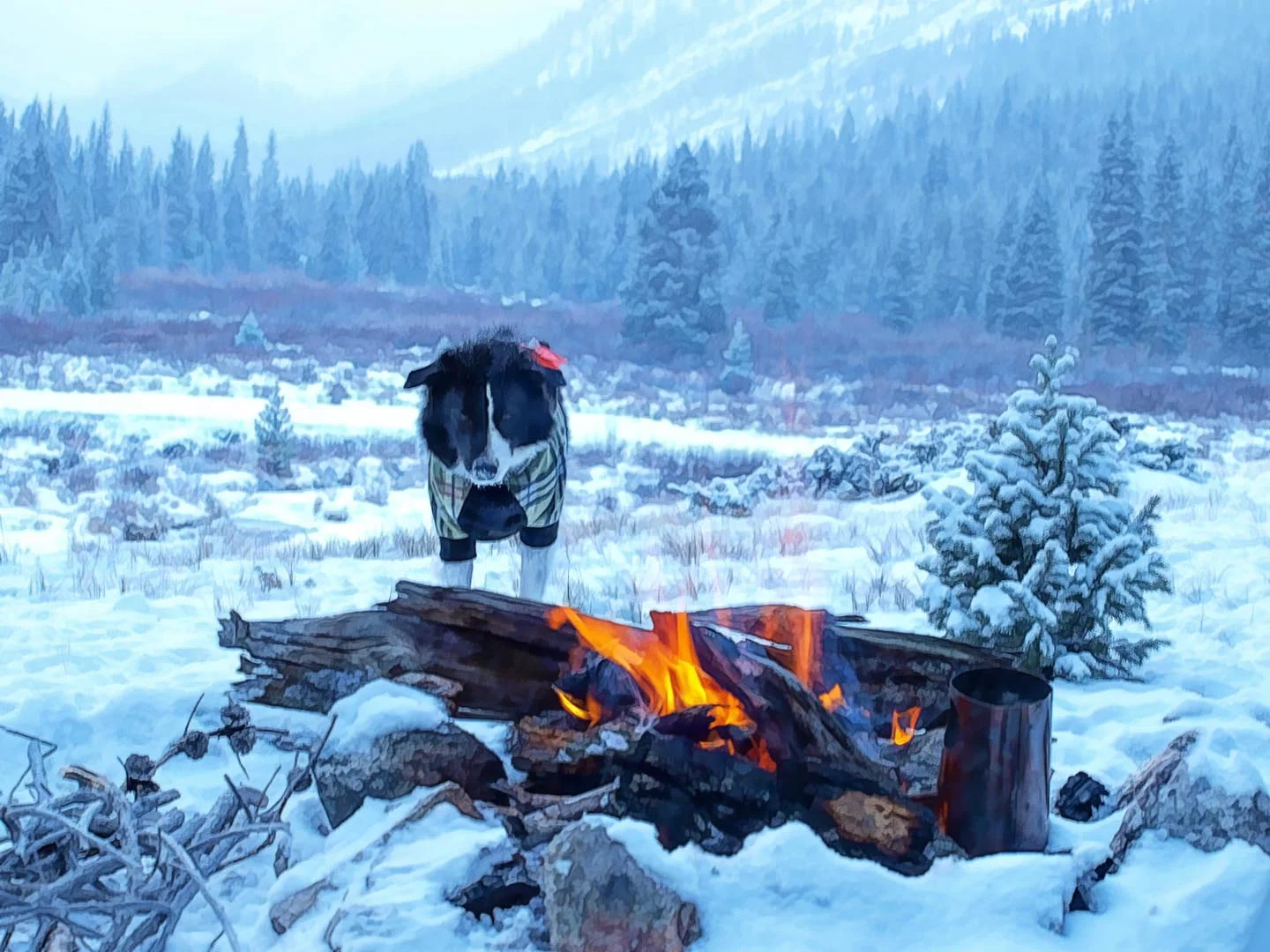
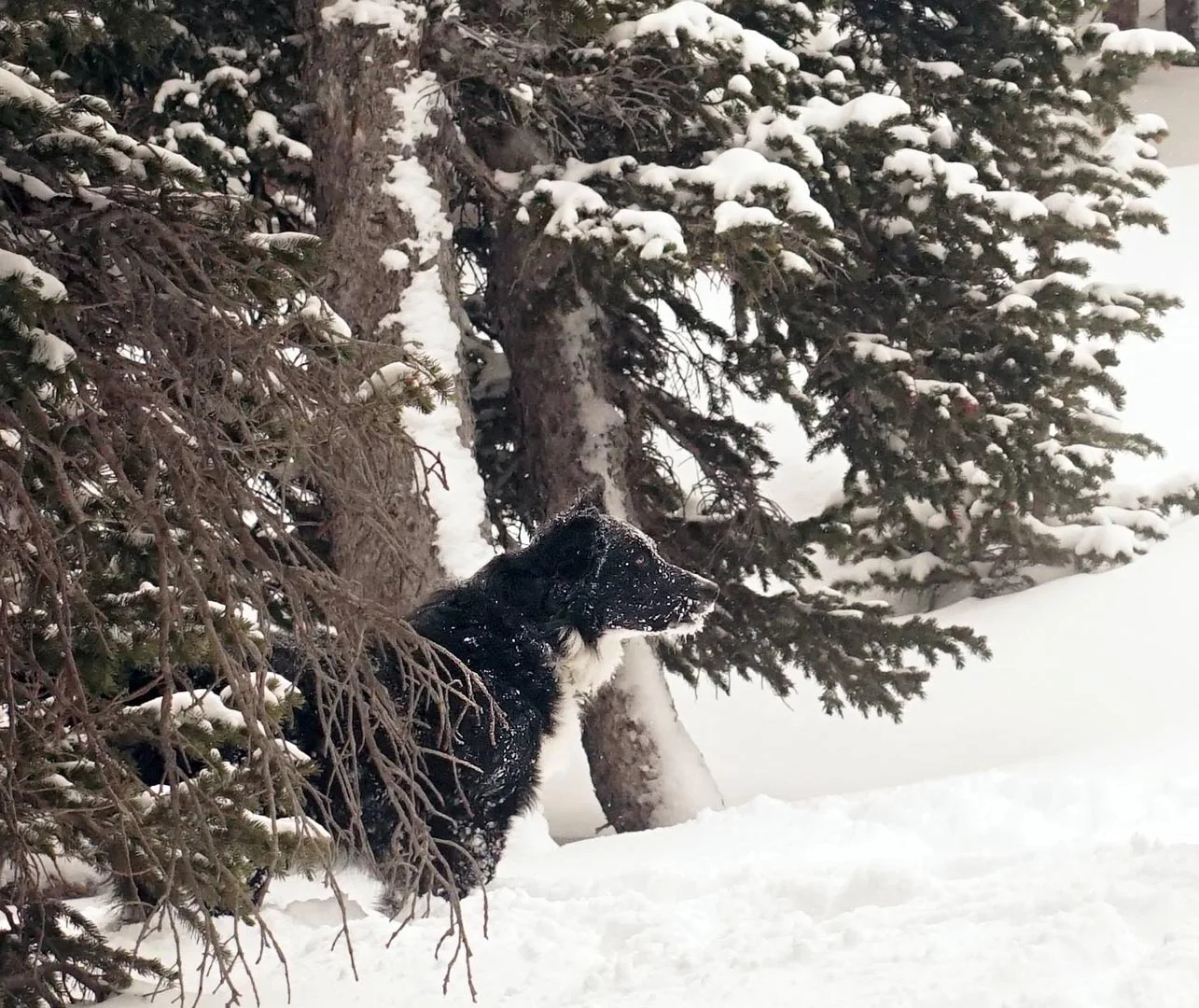
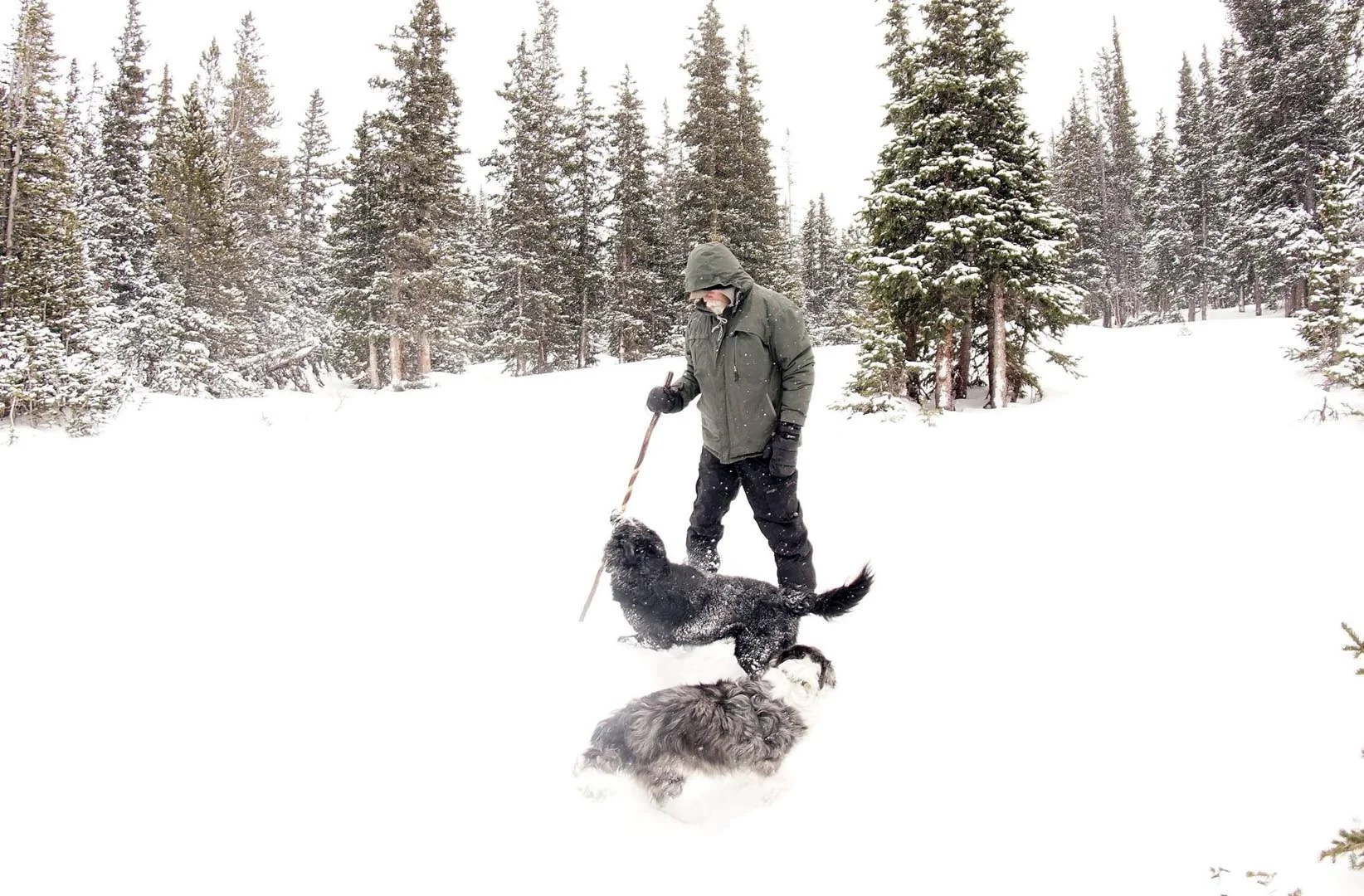
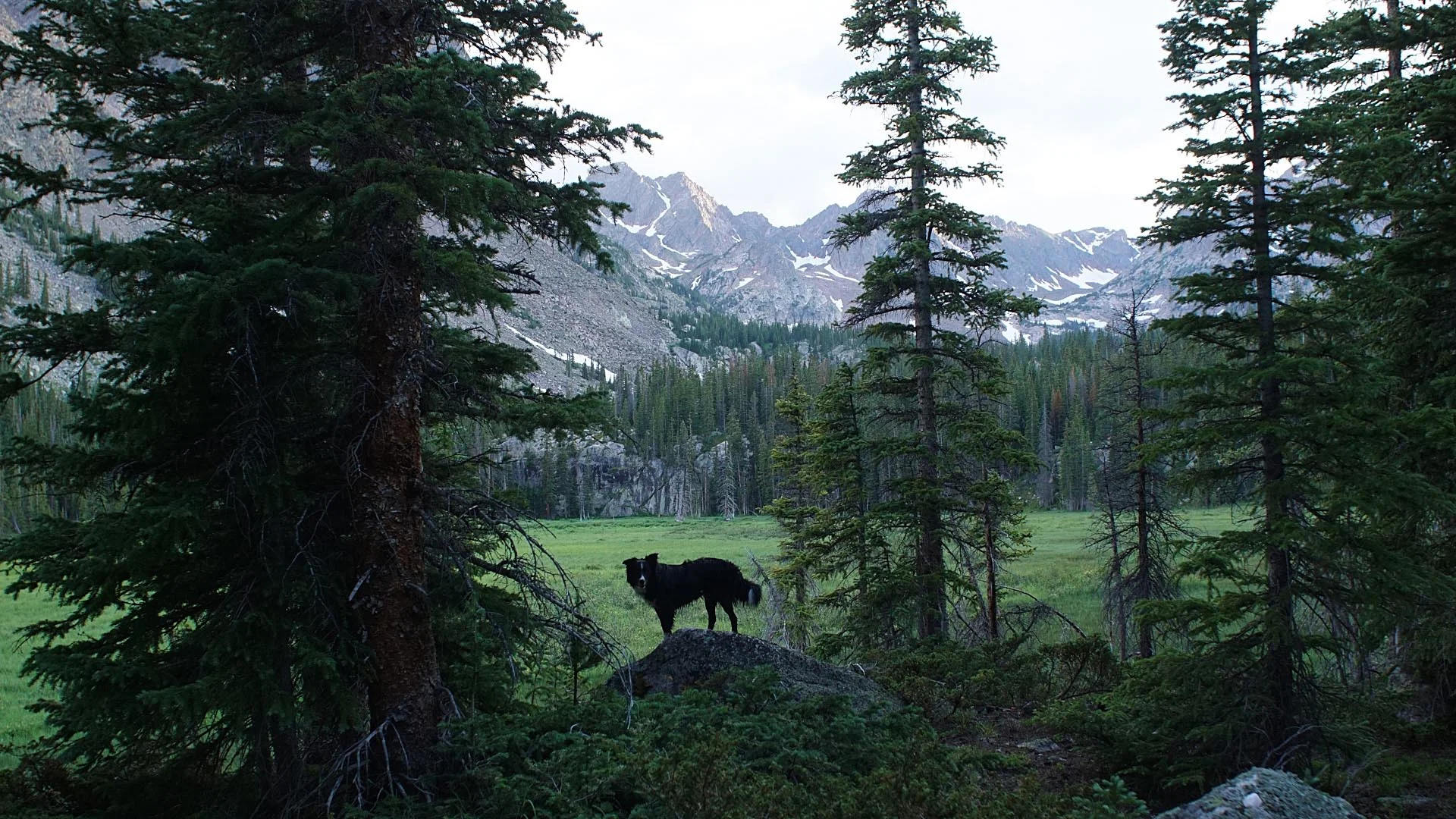
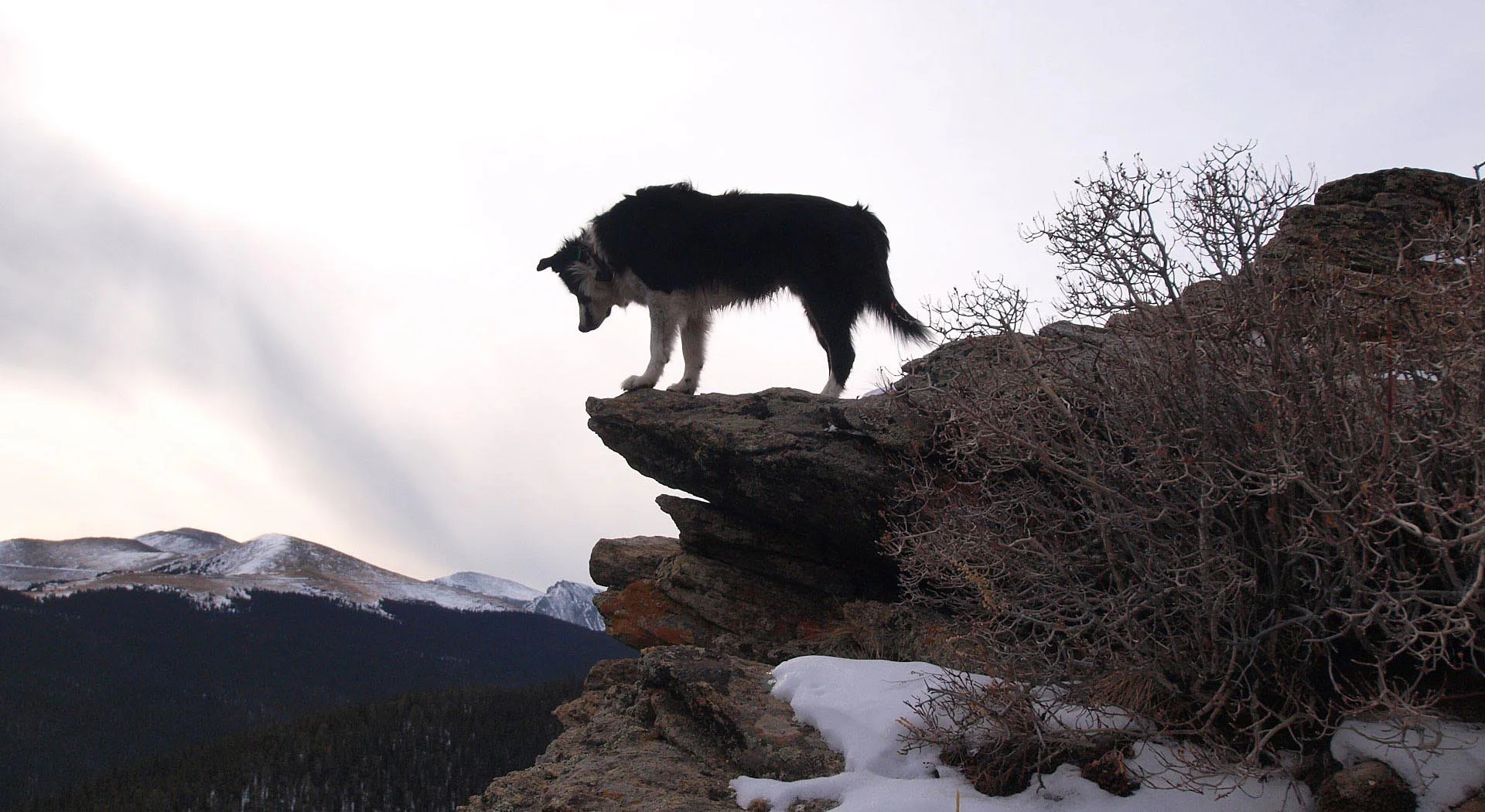
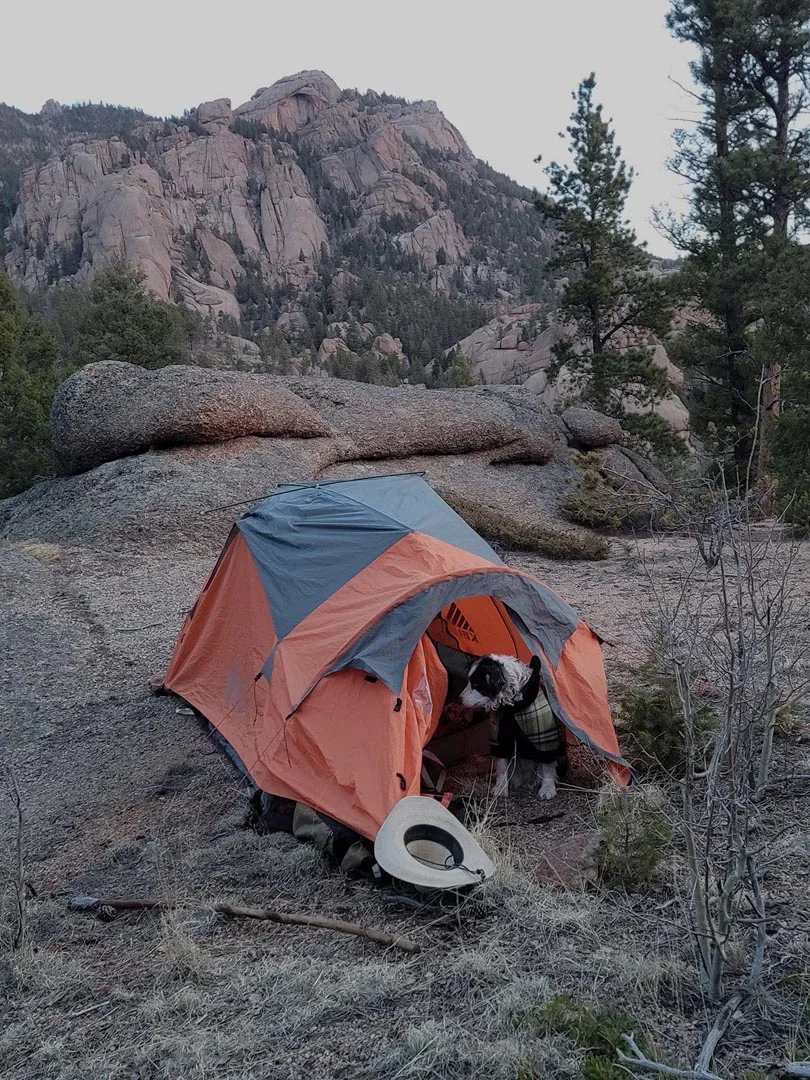
I know I am moving through the later years of my own story, with border collies Jess and Ridge by my side. But the voices I have heard in those hallways — "Hi, Mr. Jim!" — will stay with me. As the years continue to pass, those greetings will ring in my memory as pure joy. So will the quiet in the room, the intent faces, and the children not moving a muscle as they followed along with a story that came from my heart.
May closes out my 19th year of telling stories in schools. This month I am telling the story of the Lewis and Clark expedition, and I am drawing from the journals the explorers kept as they crossed the Great Plains in 1804.
What they saw is hard to picture today. They wrote that the plains were black with buffalo in every direction. A single view could hold ten or twenty thousand animals. The herds ran together into one dense band that reached the horizon and darkened the ground. The whole prairie looked alive.
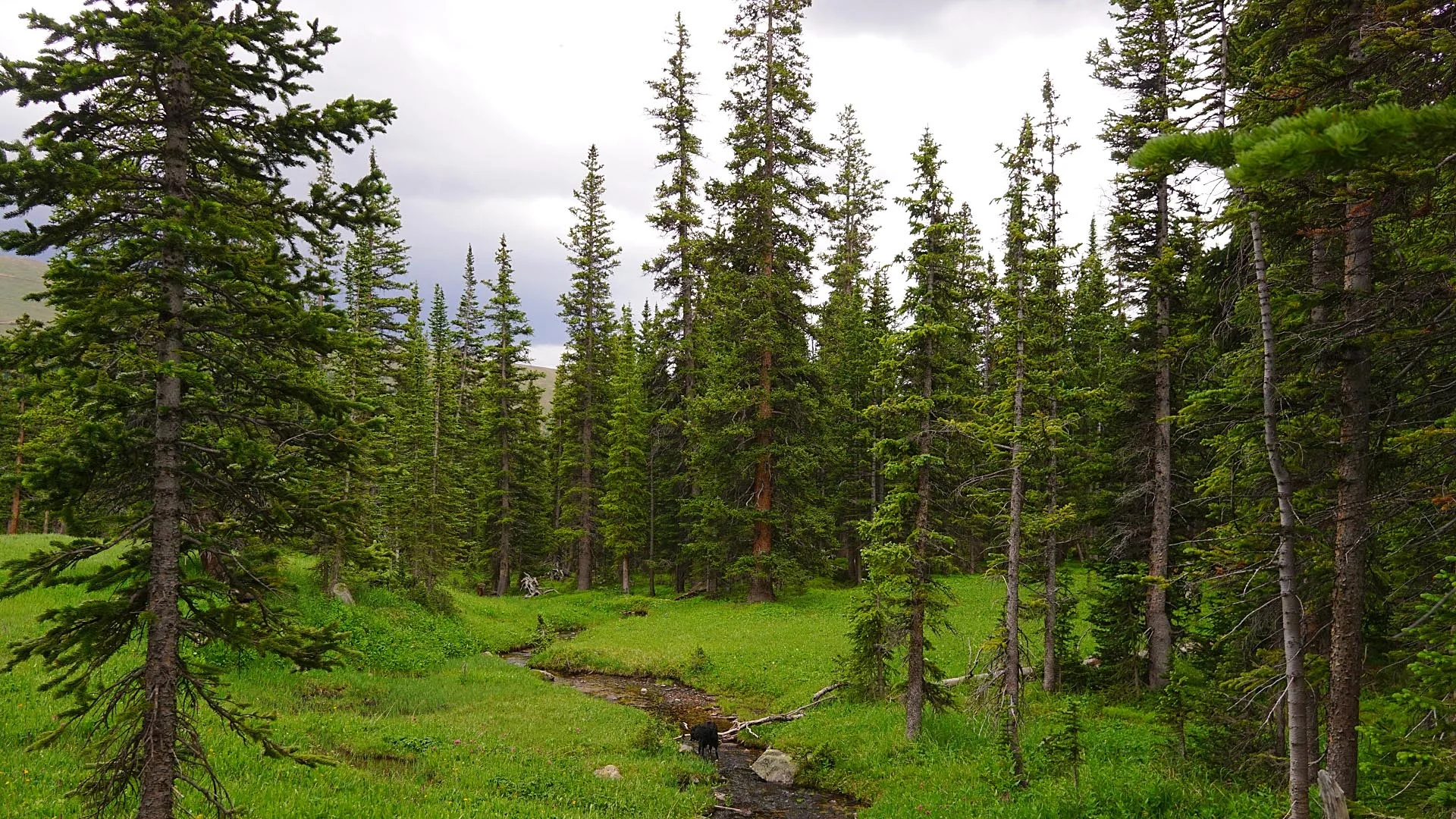
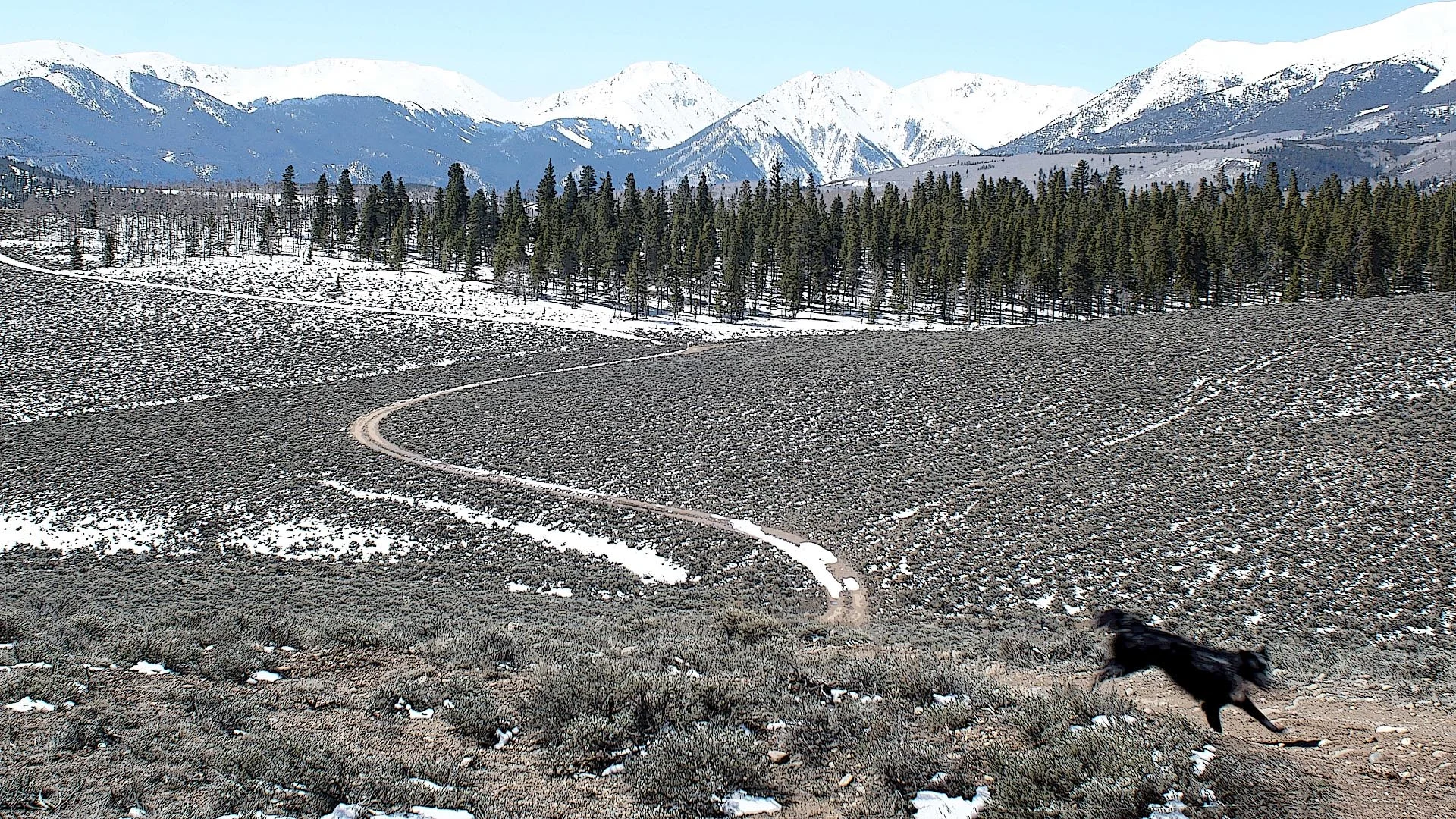
I have loved telling stories. After 19 years, visiting more than twenty classrooms a month has started to feel like work, so I am cutting back next school year rather than stopping. I am 74. I want to spend more of my time outdoors in the Rocky Mountains with Jess and Ridge while I still can.
The notes below are what I draw from when I tell the Lewis and Clark story in class. The link at the bottom goes to a separate page with more detail.
— Thomas Jefferson, Instructions to Meriwether Lewis
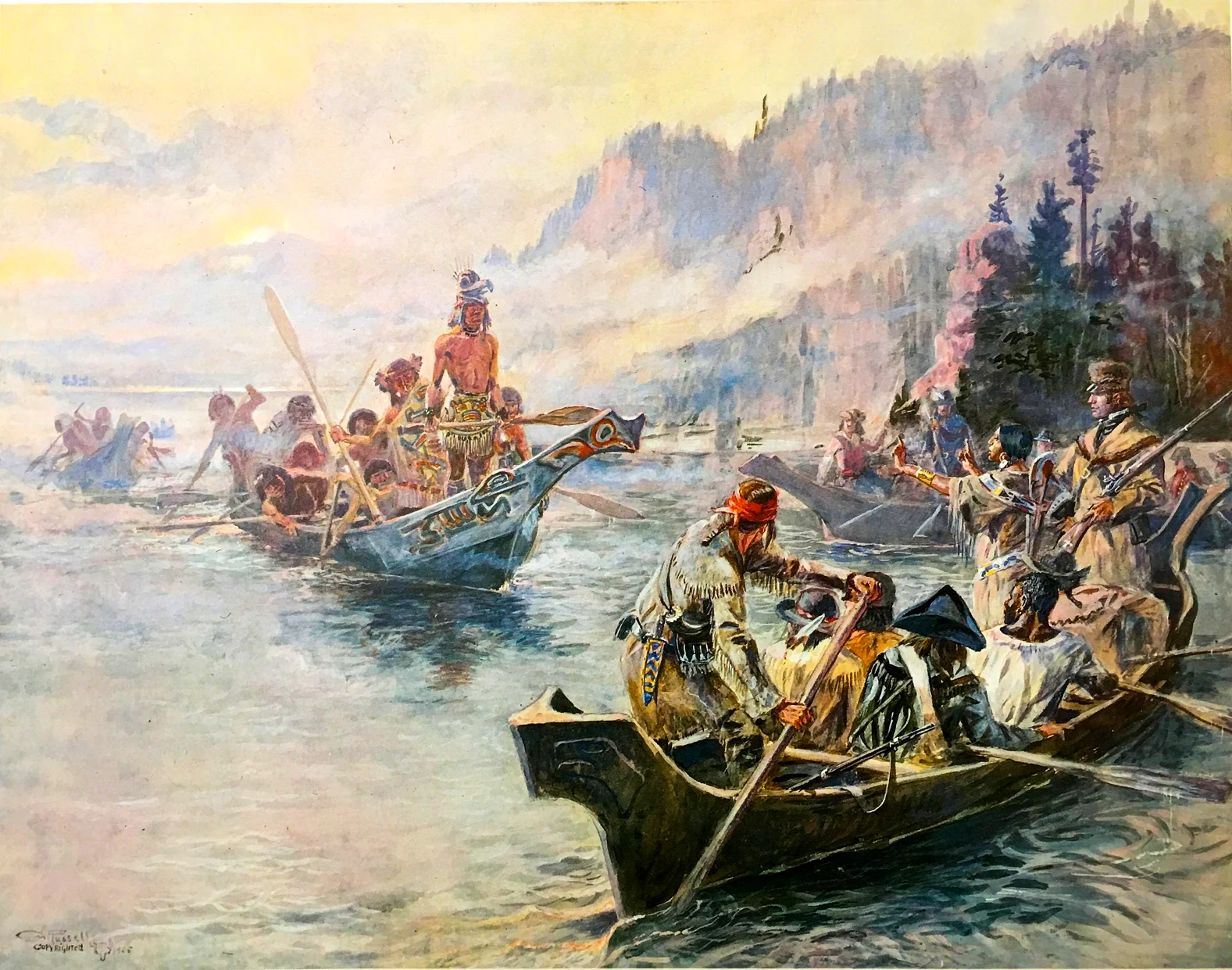
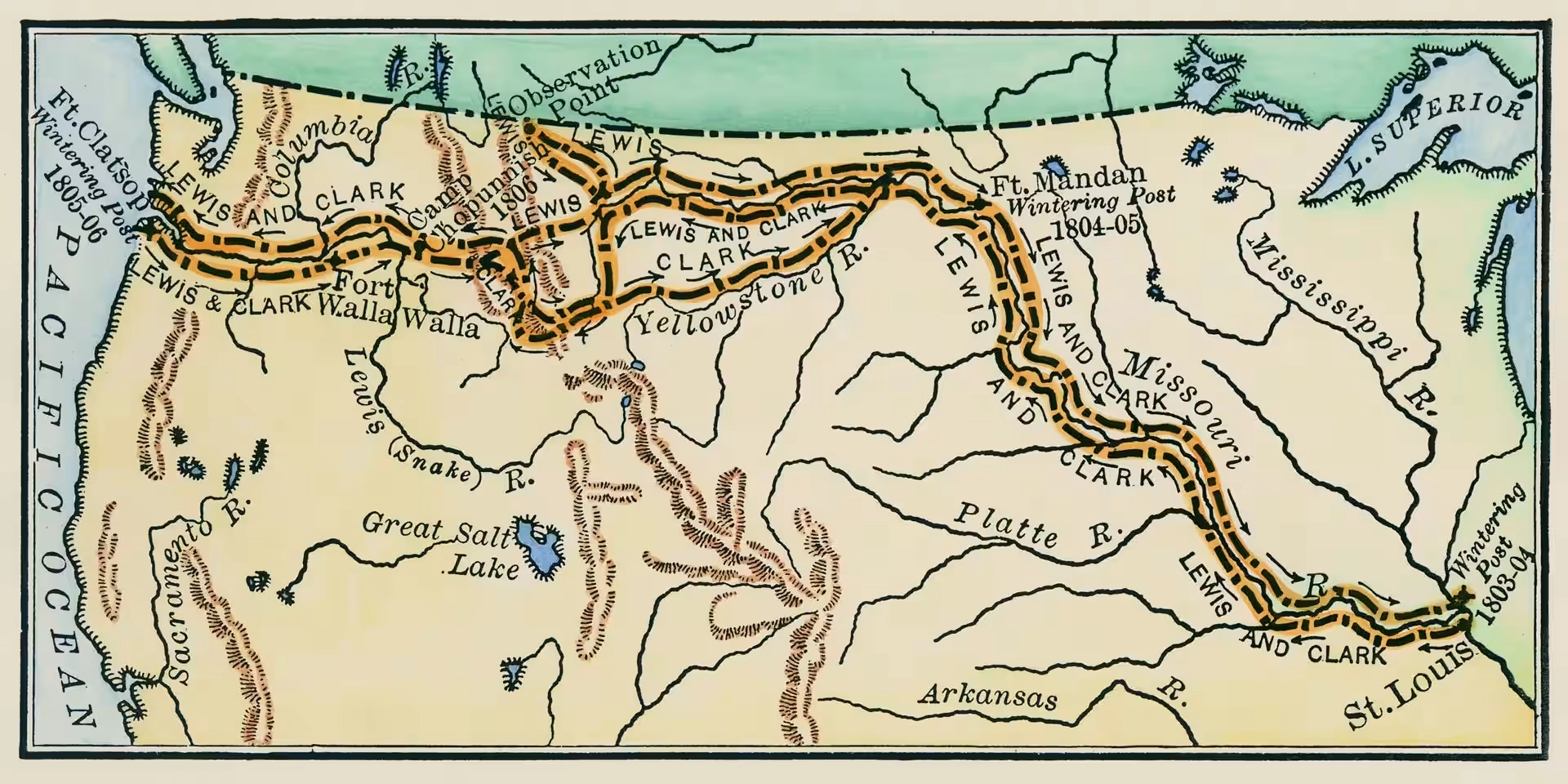
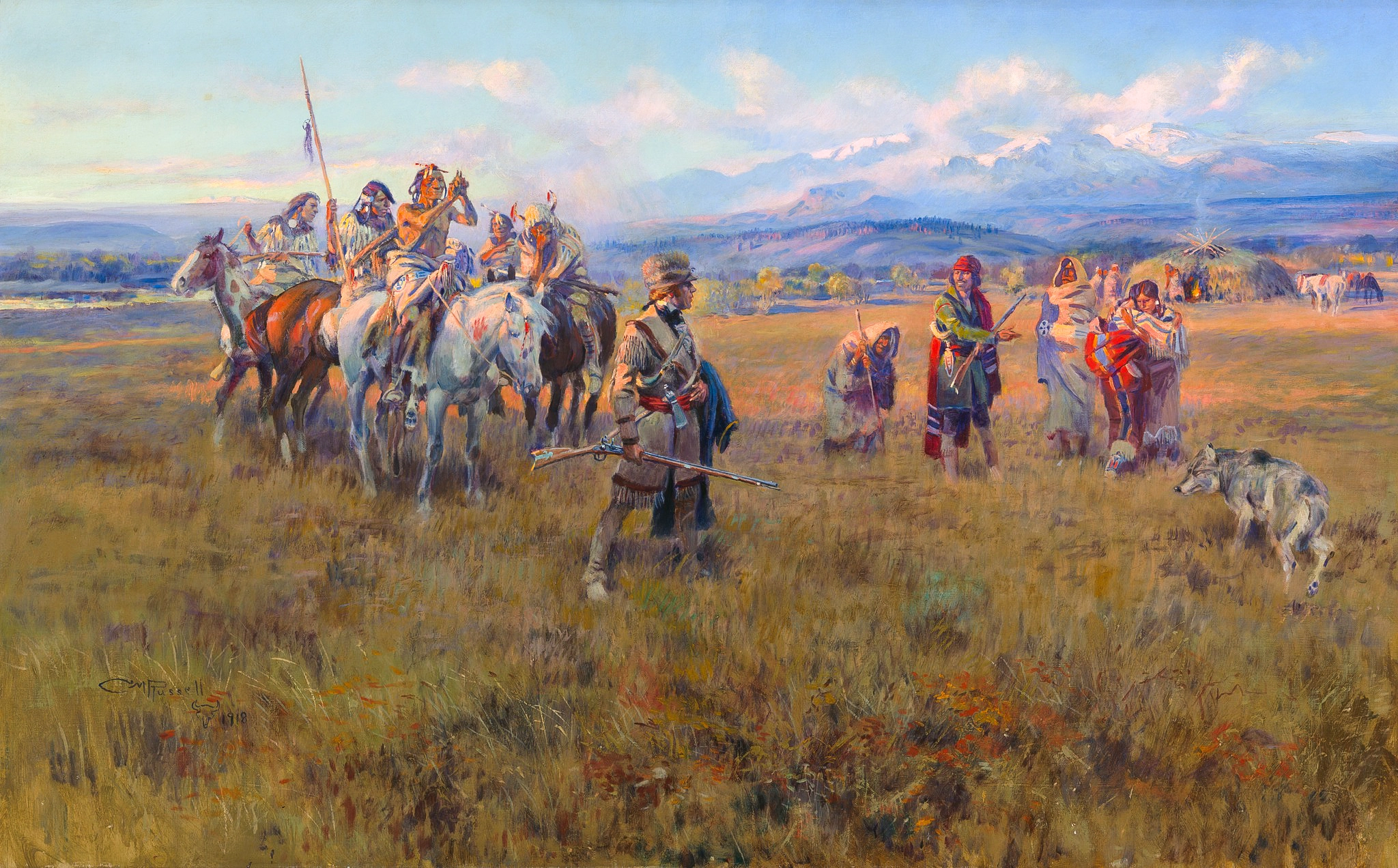
Imagine setting off on a journey into the completely unknown! In 1803, President Thomas Jefferson bought a massive piece of land called the Louisiana Purchase and sent Captains Meriwether Lewis and William Clark to explore it. Their main goal was to find a water route all the way to the Pacific Ocean.
But did you know they were being hunted? The Spanish government didn't want the Americans exploring this land, so they secretly sent heavily armed armies of soldiers four different times to track down and arrest Lewis and Clark! Luckily, the Spanish armies got lost or ran out of food and never caught them.
As the explorers traveled up the Missouri River, they entered a land completely black with huge herds of buffalo. But the land also held a sad history. Long before the explorers arrived, terrible sicknesses brought by early traders—especially smallpox—had already swept up the river. These diseases had devastated incredible Native American nations like the Omaha, the Arikara, the Mandan, and the Lakota Sioux.
The "Corps of Discovery" was a tough team, but two of its most famous members weren't regular soldiers.
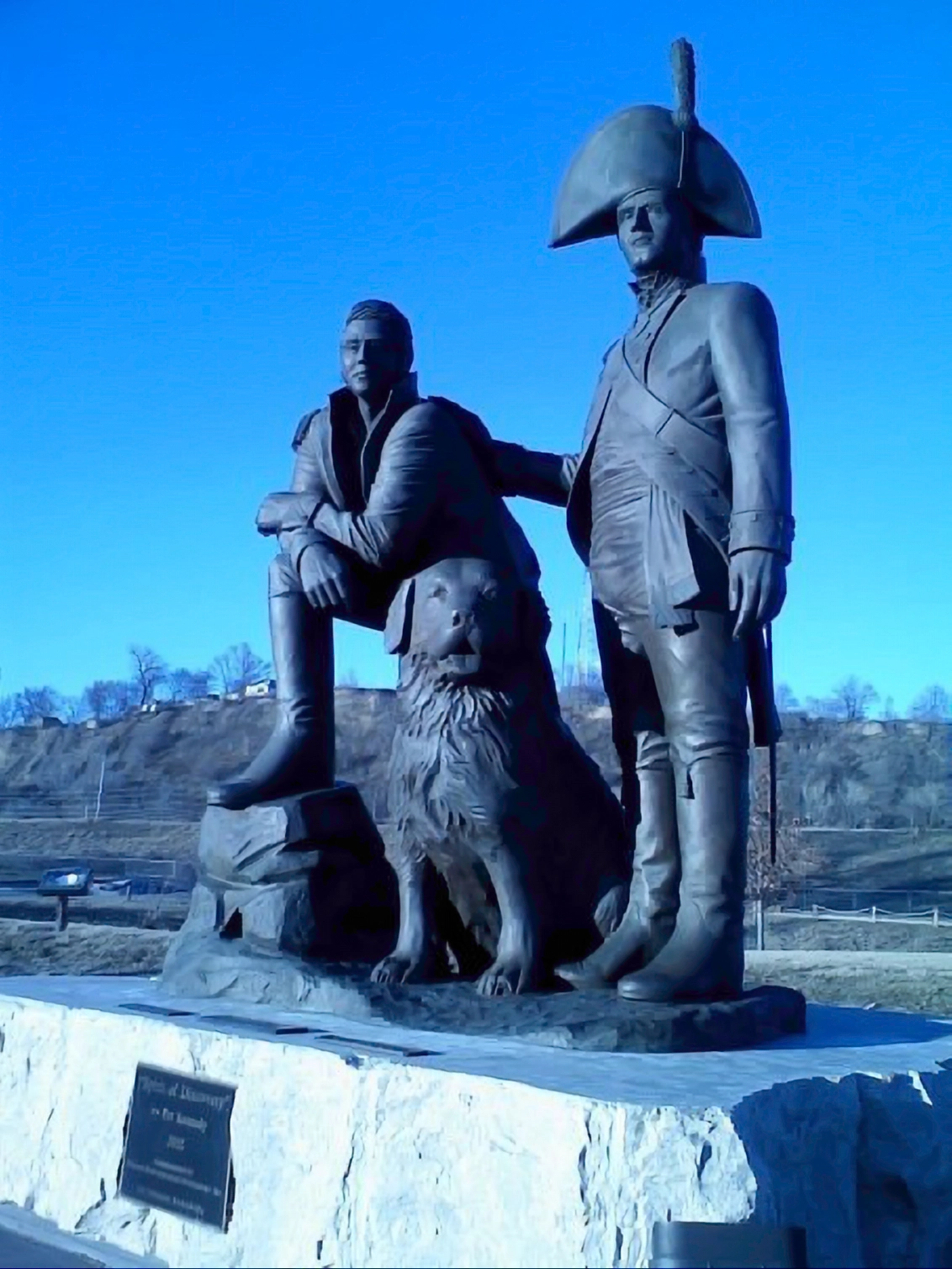
One was Seaman, Captain Lewis's giant Newfoundland dog. One pitch-black night, a 2,000-pound buffalo swam across the river and charged right into their camp, galloping inches away from the sleeping men's heads. Seaman bravely ran out and barked so fiercely that he scared the massive beast away, saving the entire camp from being trampled!
The other was York, an enslaved Black man owned by Captain Clark. York was an incredible athlete and a vital part of the team. He swam in rushing rivers, steered boats through dangerous rapids, and hunted buffalo for the men to eat. Native American children had never seen anyone with dark skin before and were absolutely fascinated by him. York loved to entertain them by making up stories that he had once been a wild bear! He would let the children sneak up on him, and then he would spin around and roar, sending them running and giggling in delight.
The explorers never would have survived without the help of Native American tribes who gave them food, horses, and directions.
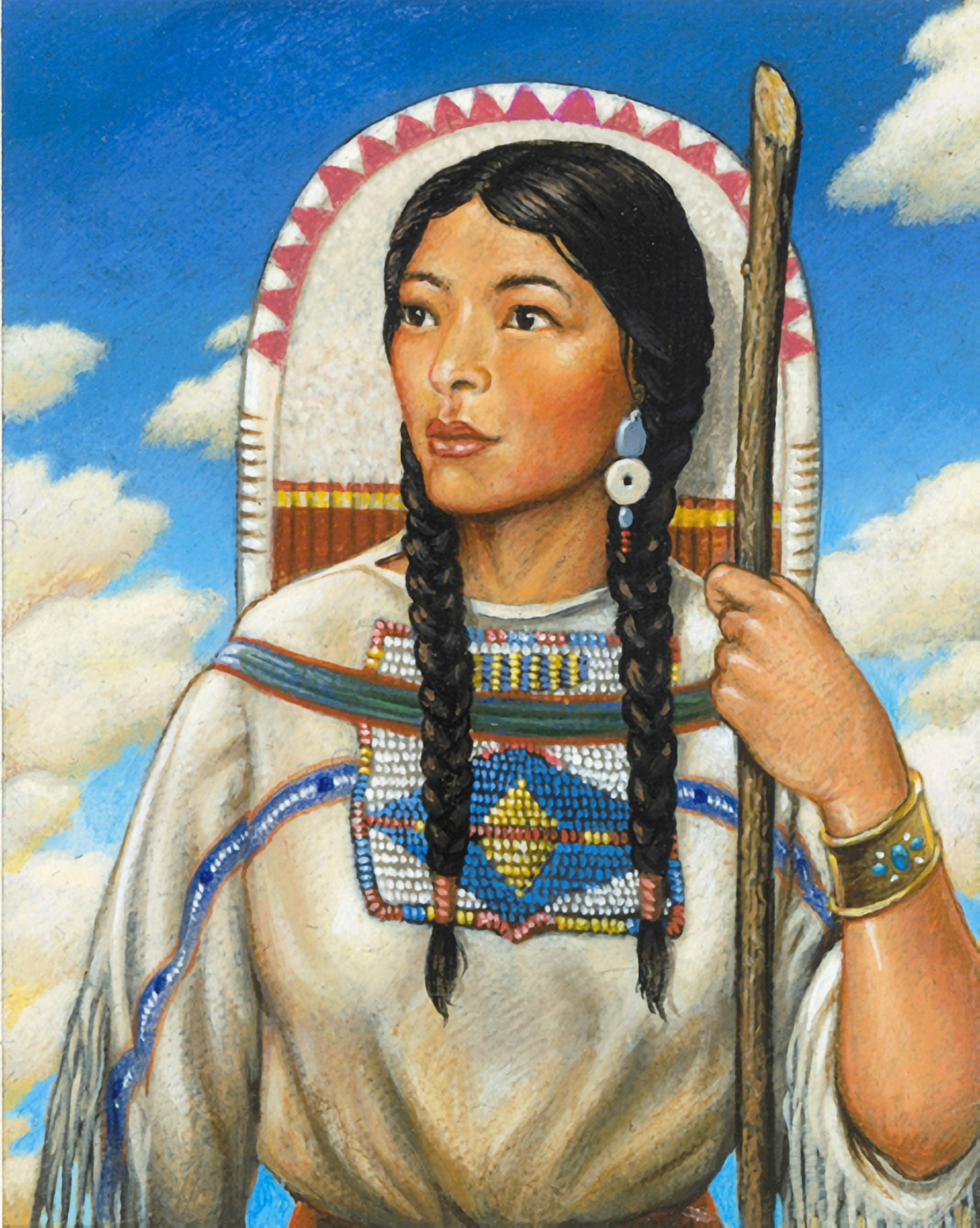
During their first winter, they hired a French trader and his teenage Shoshone wife, Sacajawea. Carrying her baby boy, Pompey, Sacajawea became an essential guide. The journals are full of profoundly human, empathetic moments. When they finally reached the Rocky Mountains, Sacajawea recognized the Shoshone chief—it was her own brother, Cameahwait! She threw her blanket over him and wept with joy. Later in the trip, she even gave up a precious piece of bread she had carried for months to feed a sick Captain Clark.
Other Native Americans showed incredible grace. An elderly Nez Perce woman named Watkuweis stopped her warriors from harming the explorers when they emerged from the mountains starving and weak, telling her people to "do them no harm".
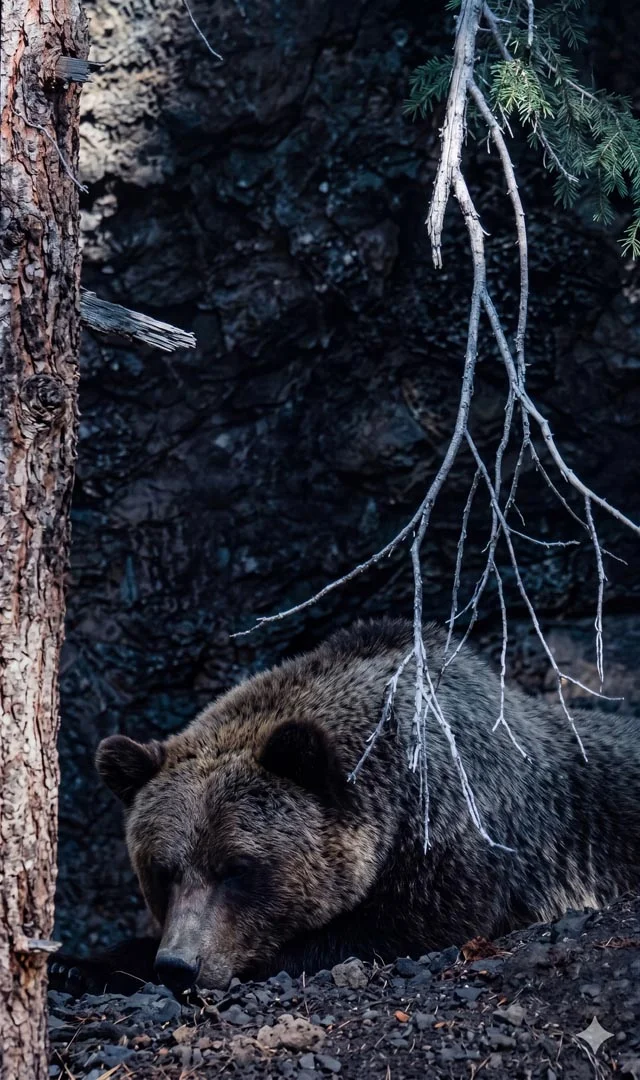
The explorers faced terrifying encounters with grizzly bears. Native Americans respected the grizzly so much that they painted themselves and hunted it in large groups, as if they were going to war. The explorers tried to hunt them with rifles, but quickly learned that unless they shot the bear perfectly in the brain, the furious monster would keep chasing them for half a mile!
Food became a major problem. When they crossed the freezing, snow-packed Bitterroot Mountains, they nearly starved and were forced to kill and eat their own pack horses to survive. When they finally made it to Idaho, the friendly Nez Perce fed them camas roots and dried salmon. But their stomachs weren't used to it, and almost all the men got terrible stomach cramps and diarrhea. Only two people didn't get sick: York, who had a sturdy stomach, and Sacajawea, whose body was already used to eating camas roots.
When they finally reached the Pacific Ocean, they had a big decision to make about where to build their winter fort. Amazingly, the captains held a vote and let everyone vote, including York and Sacajawea—an incredibly rare thing to happen in those days.
They built Fort Clatsop and spent a rainy winter desperately hoping a trading ship would sail by. They expected a ship to be there so they could buy new supplies and send their journals safely home to President Jefferson, but no ship ever came. To survive, the men bought and ate dogs! While dog meat was considered a fancy delicacy by the Sioux back on the plains, tribes in the west like the Clatsop and Nez Perce thought eating dogs was absolutely disgusting.
The trip back was full of adventure. While exploring a shortcut, Captain Lewis and a few men ran into a party of Blackfoot (Piikani) Indians, including a teenager named Wolf Calf and a leader named Sidehill Calf. They camped together peacefully, but at dawn, the Indians tried to steal the explorers' guns and horses. A desperate fight broke out. Reuben Field stabbed Sidehill Calf, and Lewis shot another warrior. The explorers left a peace medal around the dead warrior's neck, jumped on their horses, and rode 100 miles without stopping to escape.
Meanwhile, Captain Clark’s group traveled through a special pass called Pryor Gap. According to local Crow Indian legends, this gap was home to elusive, magical dwarfs known as the "Little People," and warriors would shoot arrows onto the cliffs as offerings to these powerful spirits.
The explorers safely returned to St. Louis in 1806, but their lives took very different paths:
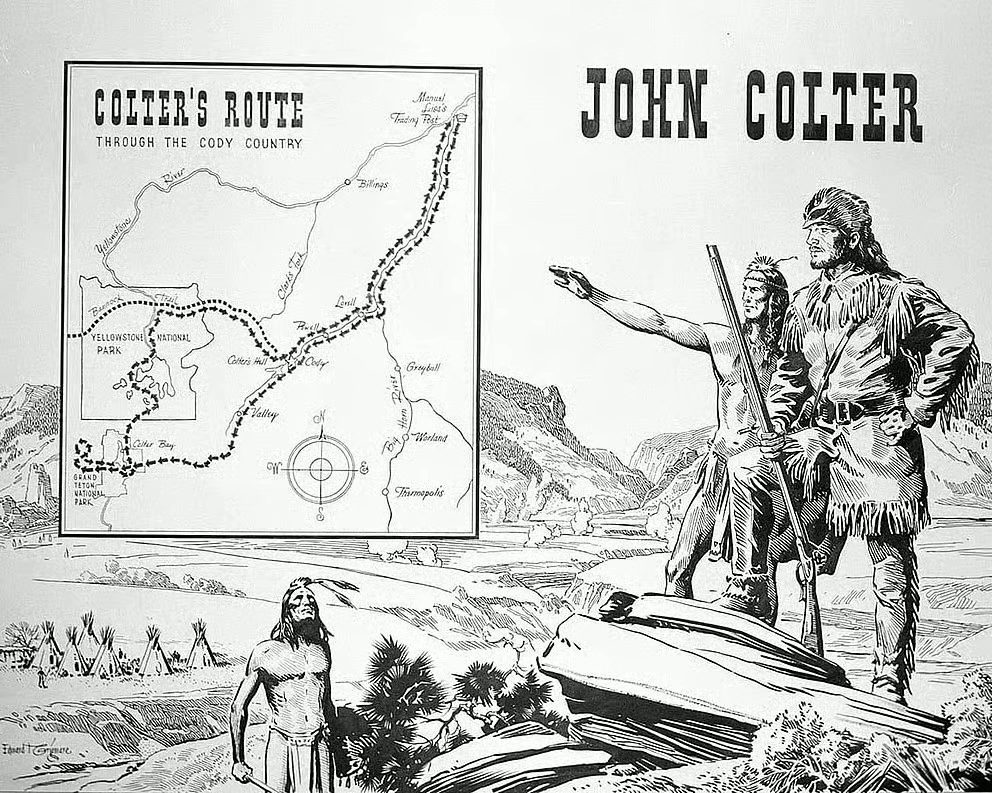
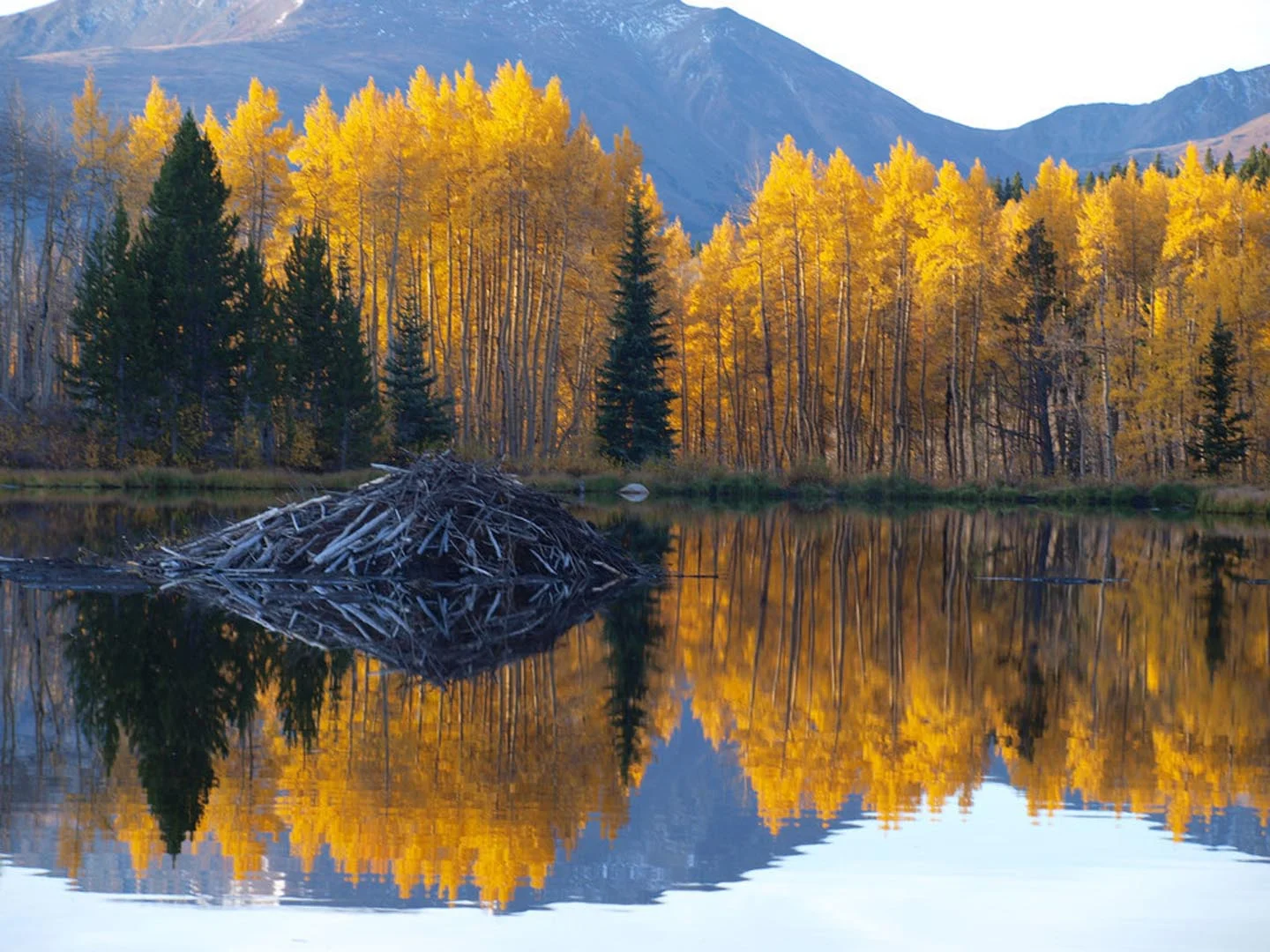
John Colter: He went back to the mountains and became famous for a legendary "Race for Life." He was captured by the Blackfeet, stripped naked, and told to run. Chased by hundreds of warriors, he ran until his nose bled, killed a warrior with the warrior's own spear, and hid inside a beaver house (or driftwood) in the river until he could escape!
York: Sadly, even though he was a hero on the trip, Captain Clark refused to grant York his freedom when they returned. Clark even whipped York for asking. York was forced to wait over ten years before he was finally freed.
Sacajawea: She lived a quiet life and died of a fever just a few years later, though some legends say she lived to be nearly 100.
The Captains: Meriwether Lewis became a governor but struggled with terrible sadness, dying tragically just three years after the trip. William Clark lived a long life, adopting Sacajawea's son Pompey, while another member, Patrick Gass, lived to be 98 years old!
The Corps of Discovery’s journey from 1804 to 1806 was more than a mapping expedition; it was a masterclass in physical resilience, observation, and the discipline of moving forward. Today, their story serves as a template for how to engage with the world with curiosity rather than just "passing through."
Here is how their adventure can provide a roadmap for a meaningful life today, paired with narrative and historical reflection.
Lewis and Clark were under strict orders to document everything—plants, animals, weather, and river currents. This wasn't just for science; it was a way to truly see the land.
The Inspiration: In a fast-paced world, we often forget the details of our own days. The "Lewis and Clark spirit" encourages us to be active observers of our own environment—noticing the way a specific tree changes through the seasons or the behavior of the animals we walk with.
"The object of your mission is to explore the Missouri river, & such principal stream of it, as, by its course & communication with the waters of the Pacific Ocean… may offer the most direct & practicable water communication across this continent for the purposes of commerce."
— Thomas Jefferson, Instructions to Meriwether Lewis
The journals are filled with accounts of the men being exhausted, wet, and hungry, yet they continued. Meriwether Lewis often wrote about the satisfaction found in a hard day's work outdoors. They found that physical movement was the best cure for a heavy mind.
The Inspiration: Their journey reminds us that staying active and maintaining a connection to the earth is a requirement for health and peace. The "adventure" isn't just the destination; it’s the physical effort required to get there.
"I ascended the hills from whence I had a most pleasing view of the Country… and I confess that I beheld those rivers with some degree of pleasure."
— Meriwether Lewis, May 26, 1805
The "Corps of Discovery" was a small group that relied entirely on one another. They had to maintain a sense of order and mutual respect to survive the Rocky Mountains and the Bitterroot range.
The Inspiration: Adventure is often best shared with loyal companions—whether they are family, friends, or the animals that depend on us. The expedition reminds us that having a "reason to move" every morning is often tied to the beings traveling alongside us.
"We were now about to penetrate a country at least two thousand miles in width, on which the foot of civilized man had never trodden… I could but esteem this moment of my departure as among the most happy of my life."
— Meriwether Lewis, April 7, 1805
Lewis and Clark expected to find a "Northwest Passage"—a continuous water route to the Pacific. Instead, they found the massive, snow-capped Rocky Mountains. They didn't quit; they traded their boats for horses and kept walking.
The Inspiration: Life rarely goes according to the original map. The expedition teaches us that when we hit a "mountain range" we didn't expect, the goal isn't to find a way back, but to find a new way over.
"Proceeded on."
— The most frequent entry in William Clark’s journals.
The expedition was a "long walk" that lasted over two years. It was fueled by a simple, grounded philosophy: look closely at the world, take care of your companions, and no matter how difficult the terrain, proceed on.
Journals of the Lewis & Clark Expedition
Click for additional information about the Lewis and Clark Expedition
Yes, the return journey from the Pacific Coast was significantly faster than the trip out.
While it took the expedition about a year and a half to travel from the St. Louis area to the Pacific Ocean, from May 1804 to November 1805, the return trip took exactly six months. They evacuated their winter camp at Fort Clatsop on March 23, 1806, and arrived safely back in St. Louis on September 23, 1806.
There are several key reasons why the journey home was so much quicker:
Downstream Travel: The biggest factor was that they were traveling downstream for the vast majority of the return trip. On the way out, the men had to exhaustingly row, pole, and tow their heavily loaded boats against the rapid, muddy current of the Missouri River. On the way back, the rushing current carried them swiftly toward home. Because of this, they were able to descend a section of the lower Missouri in less than three weeks that had taken them more than four months to ascend in 1804.
Knowing the Route and Finding Shortcuts: The explorers no longer had to blindly navigate unmapped terrain, having strategically buried, or cached, supplies and sunken canoes along their outward route to use on their way back. Furthermore, while studying his maps during the winter on the Pacific coast, Captain Clark realized their outward journey had included a massive detour, and he charted a new overland shortcut that saved them 500 miles on the return trip.
Extreme Eagerness to Get Home: The party was extremely anxious to see their country, families, and friends again. Driven by this urgency, the men rowed with great velocity. To maximize their speed near the end of the journey, the party even made a pact to stop taking breaks to hunt and cook during the day, choosing instead to subsist on wild pawpaw fruit as they rowed, which allowed them to advance their journey by an extra 12 to 15 miles every day.
Yes, the Lewis and Clark expedition relied on Native American guides to cross the treacherous Bitterroot Mountains in both directions.
Here is how they navigated the mountains on each leg of the journey:
The Westward Crossing: During their initial trek west in the fall of 1805, the expedition was guided by an elderly Shoshone man whom the explorers called Old Toby. Even with his guidance, the crossing was an incredibly grueling ordeal; the party faced harsh winter conditions, trackless wilderness, and extreme starvation. However, Old Toby successfully navigated them across the Lolo Trail and out of the mountains to the hospitable Nez Perce, or Chopunnish, people.
The Eastward Return Crossing: On their return journey in June 1806, they were guided back over the mountains by the Nez Perce.
Initially, the over-eager explorers attempted to cross the Bitterroots without a guide because the Nez Perce warned them that the mountain snow had not yet melted. The explorers soon found themselves paralyzed in snow that was ten to fifteen feet deep. Realizing it would be madness to proceed blindly and risk losing all their baggage, scientific discoveries, and lives, they retreated.
The captains dispatched men to recruit Nez Perce guides, offering a reward of two guns. Three Nez Perce men agreed to lead them and proved to be admirable pilots. They easily found the trail beneath the snow and led the expedition safely across in a relatively easy crossing. Captain Clark noted in his journal that without the assistance of these expert guides, the explorers would never have found their way.
Yes, a grizzly bear chased Captain Meriwether Lewis into the Missouri River.
This terrifying encounter occurred in June 1805 near the Great Falls of the Missouri. Lewis had just shot a buffalo and was intently watching it fall when he realized that a large grizzly bear had crept up to within twenty steps of him. In his excitement over the hunt, Lewis had forgotten to reload his rifle.
Because he was standing on a completely open, level plain with no trees or bushes for hundreds of yards, Lewis had nowhere to hide. He sprinted toward the river for about eighty yards, but the massive bear charged open-mouthed at full speed and was gaining on him fast.
Realizing he could not outrun the animal, Lewis plunged waist-deep into the Missouri River. His plan was to wade out to a depth where he could stand but the bear would be forced to swim, giving him a tactical advantage. Once in the water, he spun around and pointed his espontoon (a bladed spear) at the charging predator.
The bear reached the water's edge just twenty feet away from Lewis, but the moment Lewis presented his spear in a posture of defense, the bear suddenly became frightened, wheeled around, and retreated across the plains just as fast as it had pursued him. After the close call, Lewis resolved to never again let his rifle remain unloaded for even a moment.
York and Sacajawea were indispensable to the survival and success of the Lewis and Clark expedition, providing crucial skills in navigation, diplomacy, foraging, and crisis management.
Vital Labor and River Navigation: A man of immense strength and an elite riverman, York performed heavy manual labor to build winter forts and was specifically trusted by Captain Clark to help steer their fragile canoes through the terrifying, boiling rapids of the Clearwater, Snake, and Columbia rivers.
Medical Care: York provided tender nursing care to Captain Clark when he suffered from violent stomach illness on the Ohio River. Later, when nearly the entire camp was incapacitated by severe dysentery from eating camas roots in Idaho, York's sturdy constitution spared him from the illness, allowing him to make soup and nurse the starving, weakened men back to health.
Hunting and Diplomacy: York carried a rifle and regularly hunted game, including buffalo, to feed the men. Furthermore, Native American tribes were absolutely fascinated by his dark skin; his entertaining presence and feats of strength helped win the favor of various nations, easing diplomatic tensions. He also took on crucial guard duties, such as standing sentry at Fort Clatsop.
Securing Horses for the Mountain Crossing: The expedition would have likely perished without horses to carry their supplies over the Rocky Mountains. Sacajawea served as the essential interpreter with the Shoshone, recognizing their chief, Cameahwait, as her own brother. This emotional reunion secured a friendly alliance and the needed horses. She also saved the party by warning Captain Lewis when the Shoshone secretly planned to leave for the plains, which would have left the explorers stranded in the mountains.
Saving Essential Goods: When her husband panicked and nearly capsized the white pirogue during a sudden squall, Sacajawea calmly reached into the rushing water to rescue the expedition's most vital papers, navigation instruments, and medicines. The captains noted that without her quick actions, they would have suffered an "almost insupportable loss."
Foraging and Medicine: When the men faced starvation, she used her knowledge of native plants to forage for edible foods like wild artichokes, fennel, yamp, and wappato roots, making mush and bread that kept the men fed. She showed the men how to cure rattlesnake bites using roots, and consistently shared what little she had, including giving up a precious piece of bread to help hearten a sick Captain Clark.
A Symbol of Peace: Because Native American war parties never traveled with a woman and an infant, the presence of Sacajawea and her baby, Pompey, served as a "white flag" of peace. This instantly signaled to suspicious and potentially hostile tribes that the explorers were friendly, preventing violent confrontations.
Vital Guidance: She recognized crucial landmarks, such as Beaver's Head Rock, assuring the captains they were on the right path to finding her people. She also successfully guided Clark's party through mountain shortcuts like Bozeman Pass on the return journey.
The Lewis and Clark Expedition consisted of 45 to 50 people during the first phase of the journey, but was later reduced to a "permanent party" of 33 individuals who traveled all the way to the Pacific Ocean.
When the Corps of Discovery officially departed from Camp Dubois in May 1804, the roster included roughly 45 members:
2 Officers: Captain Meriwether Lewis and Second Lieutenant William Clark.
Military Personnel: 27 enlisted American soldiers.
Civilian Boat Crew: Hired French-Canadian watermen, or engagés, to handle the heavy river transportation.
Enslaved Companion: York, a Black man enslaved by William Clark.
Translators: Guides of mixed Native and European ancestry.
In April 1805, at Fort Mandan in modern North Dakota, the captains sent the temporary boatmen and a small military escort back to St. Louis with maps and specimens for President Jefferson. The remaining group of 33 people pressed forward into uncharted territory:
2 Officers: Meriwether Lewis and William Clark.
26 Enslaved/Enlisted Men: Three sergeants, 22 privates, and York.
2 Interpreters: George Drouillard and Toussaint Charbonneau.
1 Native Woman: Sacagawea, a Shoshone woman who joined at Fort Mandan.
1 Infant: Jean Baptiste Charbonneau, Sacagawea’s newborn son.
1 Mandan Representative: A Native courier who briefly accompanied them.
Note: Captain Lewis’s Newfoundland dog, Seaman, also made the entire round-trip journey but is not counted in the human roster.
Only one member of the entire expedition died during the two-year journey: Sergeant Charles Floyd, who passed away from a suspected ruptured appendix in August 1804.
The Lewis and Clark expedition traveled upriver against the powerful current of the Missouri River by utilizing a variety of strenuous manual techniques. The crew operated a 55-foot military barge (keelboat) and two smaller pirogues, employing five primary methods depending on the water depth, riverbank terrain, and wind conditions:
After wintering at Fort Mandan in the spring of 1805, the expedition's travel methods changed drastically as they transitioned from heavy military transports to a smaller, more nimble fleet. The primary changes to their upstream travel included:
The Lewis and Clark expedition still feels like the ultimate adventure because it was not just a trip across a map. It was a journey into uncertainty. The Corps of Discovery left Camp River Dubois on May 14, 1804, and over the next 28 months crossed roughly 8,000 miles of rivers, plains, mountains, forests, and Pacific coast before returning to St. Louis on September 23, 1806.
They were searching for a water route to the Pacific, but what they really found was something larger: the scale of the continent itself. Jefferson’s official instruction was to explore the Missouri River and discover “the most direct & practicable water communication across this continent,” but the land quickly proved bigger, rougher, and more complicated than anyone in the East had imagined.
For anyone who loves wandering outdoors, that is what makes the story so powerful. They pushed upriver in boats, crossed endless prairie, faced grizzly bears, endured hunger and storms, climbed toward mountain passes, and finally realized there were still “immense ranges of high mountains” ahead. The adventure was not that everything went according to plan. The adventure was that the plan broke apart, and they kept going.
There is also a deeper lesson here. This was not an empty wilderness. The Lewis and Clark Trail passes through the homelands of more than 60 Tribal nations, and the expedition survived in large part because of Native knowledge, diplomacy, trade, and guidance. Sacagawea helped the Corps communicate with the Shoshone, and York made important contributions while still being enslaved by William Clark.
That makes the expedition inspiring in a more humble way. It reminds us that true exploration is not just charging forward. It is paying attention. It is learning from people who know the land. It is accepting discomfort, weather, hunger, mistakes, and surprise. It is the old outdoor truth: the farther you go, the smaller you feel, and the more alive the world becomes.
Thomas Jefferson, setting the mission:
“The object of your mission is to explore the Missouri river…”
— Thomas Jefferson, instructions to Meriwether Lewis, June 20, 1803.
Meriwether Lewis, realizing the scale of the unknown:
“The good or evil it had in store… was for experiment yet to determine.”
— Meriwether Lewis, April 7, 1805.
Lewis, comparing their boats to the ships of great explorers:
“This little fleet… were still viewed by us with as much pleasure…”
— Meriwether Lewis, April 7, 1805.
William Clark, seeing wonder in the natural world:
“What a field for a botanist and a naturalist.”
— William Clark, August 1, 1804.
Patrick Gass, moved by the beauty of the land:
“This is as handsome a place as I ever saw…”
— Patrick Gass, June 13, 1804.
William Clark, near the Pacific:
“Ocian in view! O! the joy.”
— William Clark, November 7, 1805.
For people who love to wander, hike, camp, and explore, Lewis and Clark still speak across the years. Their journey reminds us that the world is larger than our plans, that beauty often appears after hardship, and that the best adventures are not just about reaching the destination, but about becoming more awake to the country beneath our feet.
"The trail leads upward, through the trees and into the light. It is a journey of discovery, both of the world and of oneself." - Gary Snyder
"The mountains are a silent teacher, a reminder of our own mortality and the endurance of the earth." - Enos Mills
(click on photos below for larger image . . . - Esc or clicking outside of image will close it)

Journals of the Lewis & Clark Expedition
Click for additional information about the Lewis and Clark Expedition