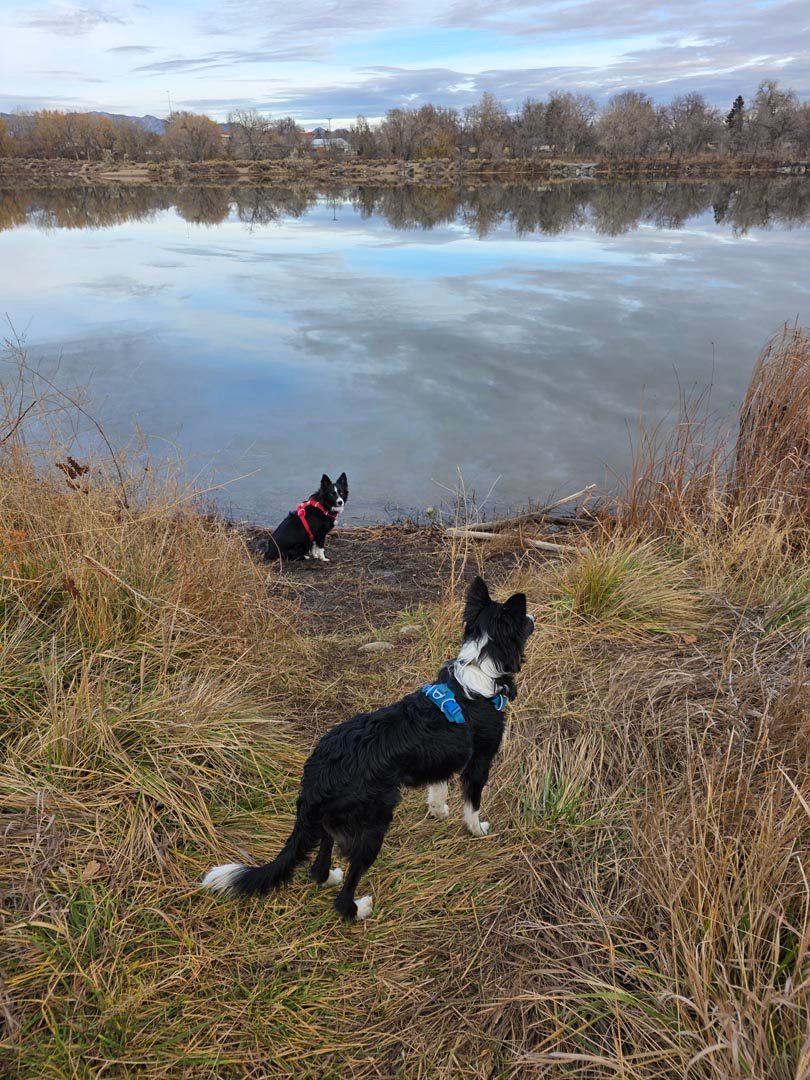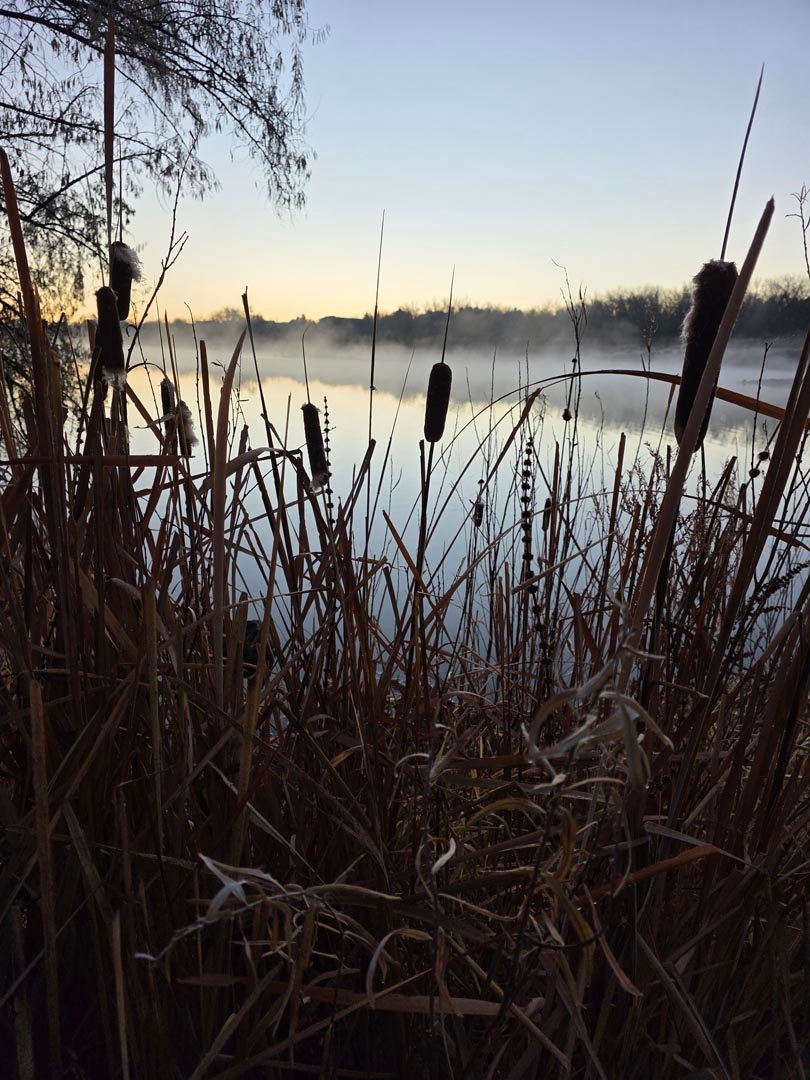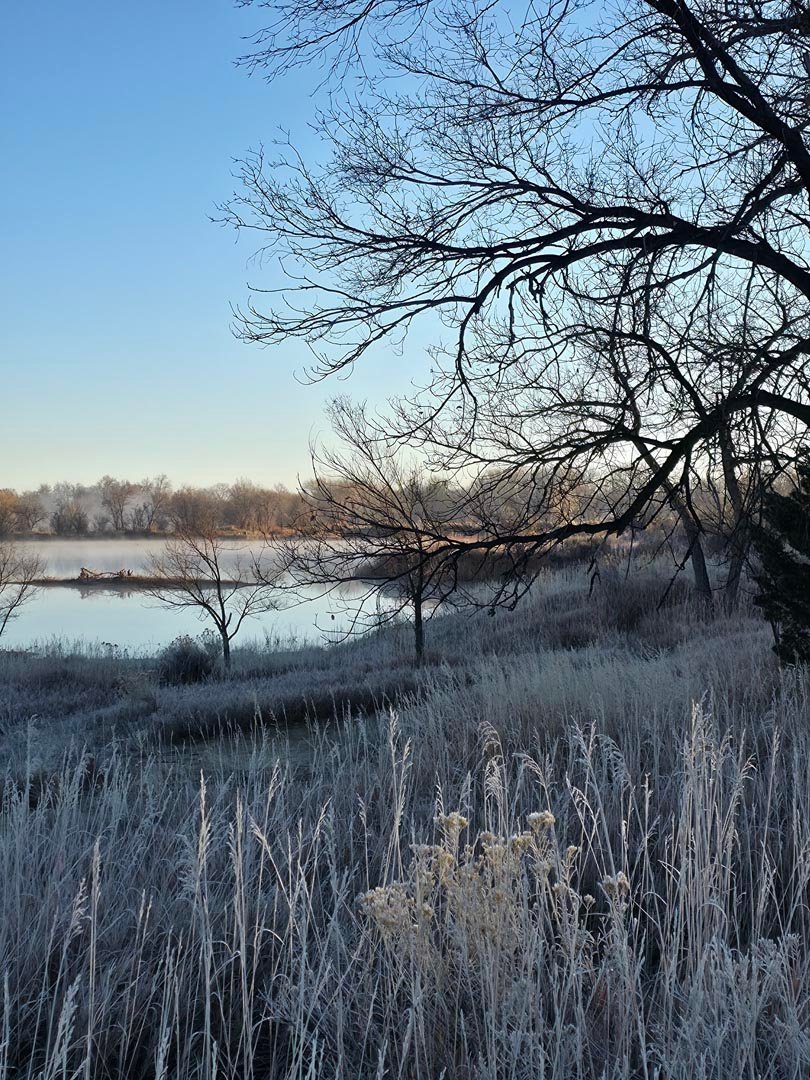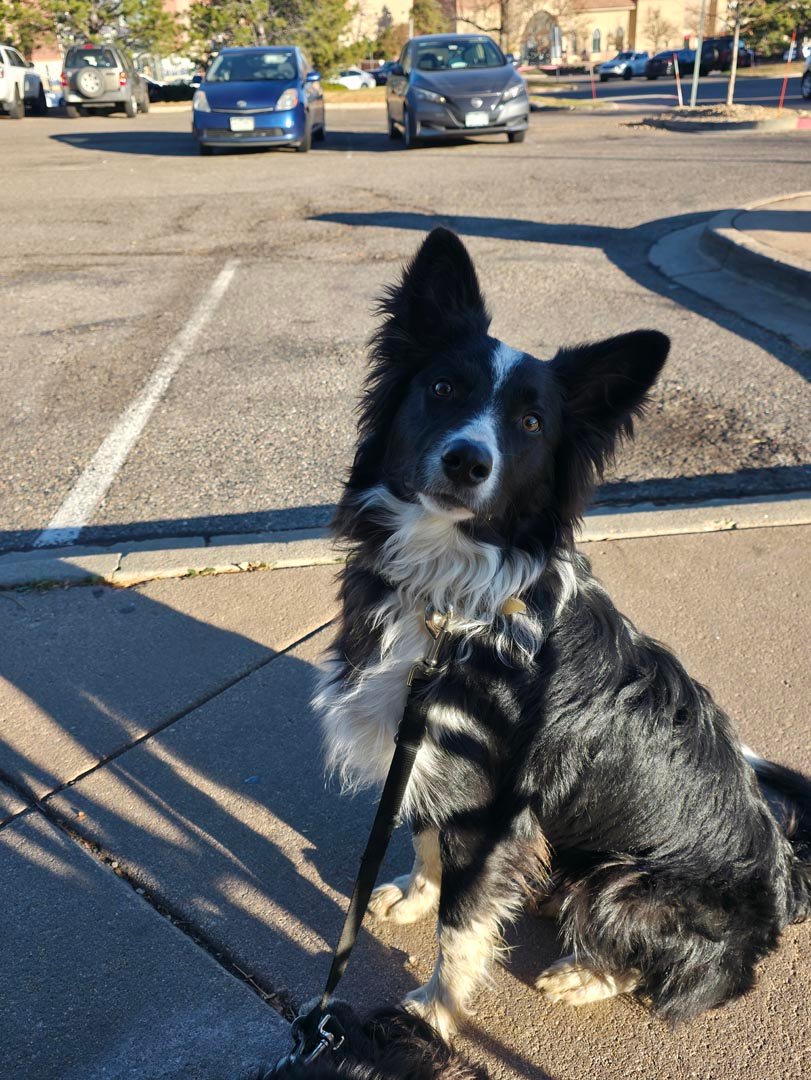
This morning I woke to find several inches of fresh snow had fallen overnight, and it was still drifting down. For a moment, I considered taking the truck out to the East River access, but the roads were icy. Besides, the open river valley is less than a ten-minute walk away.
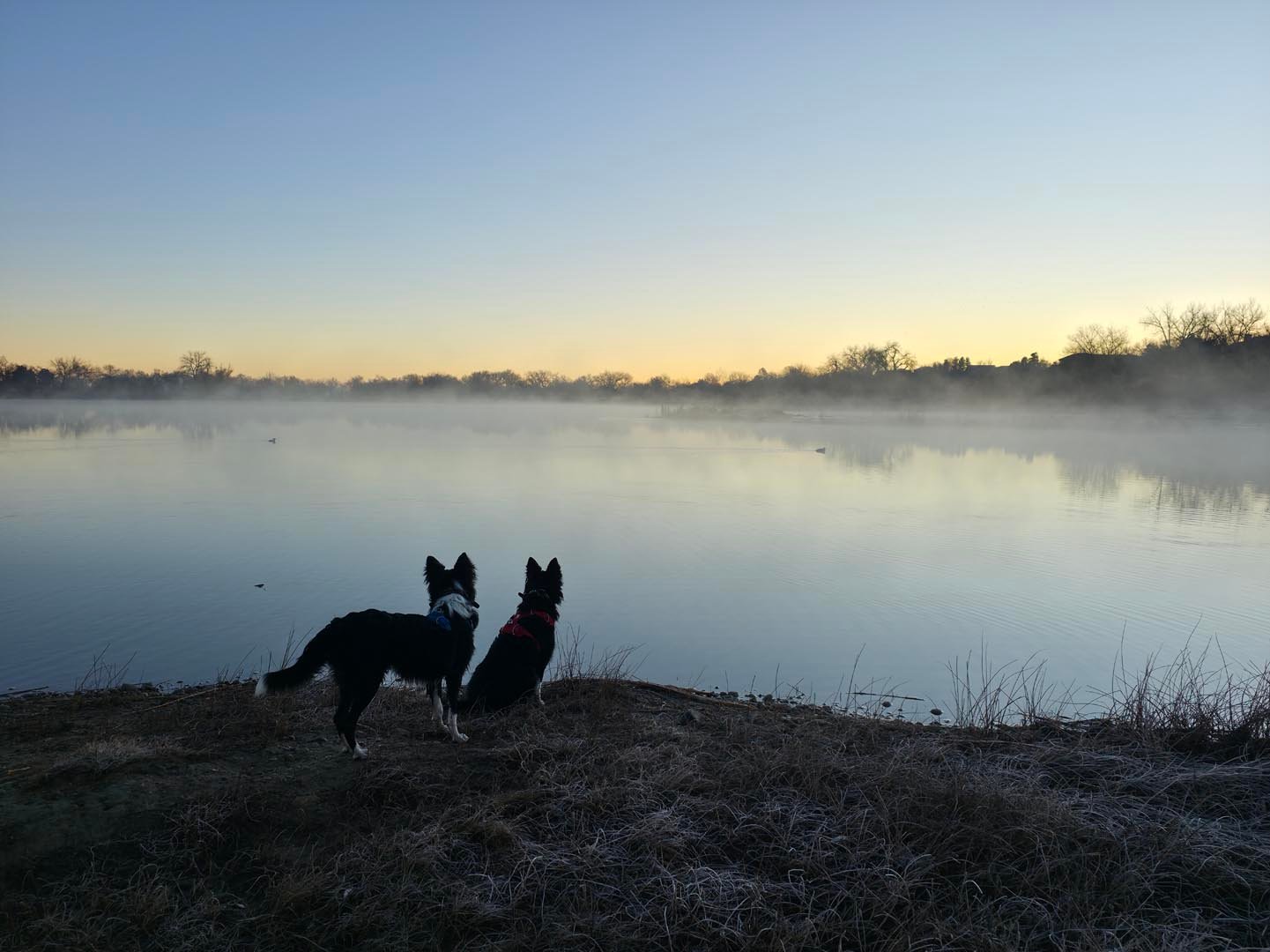
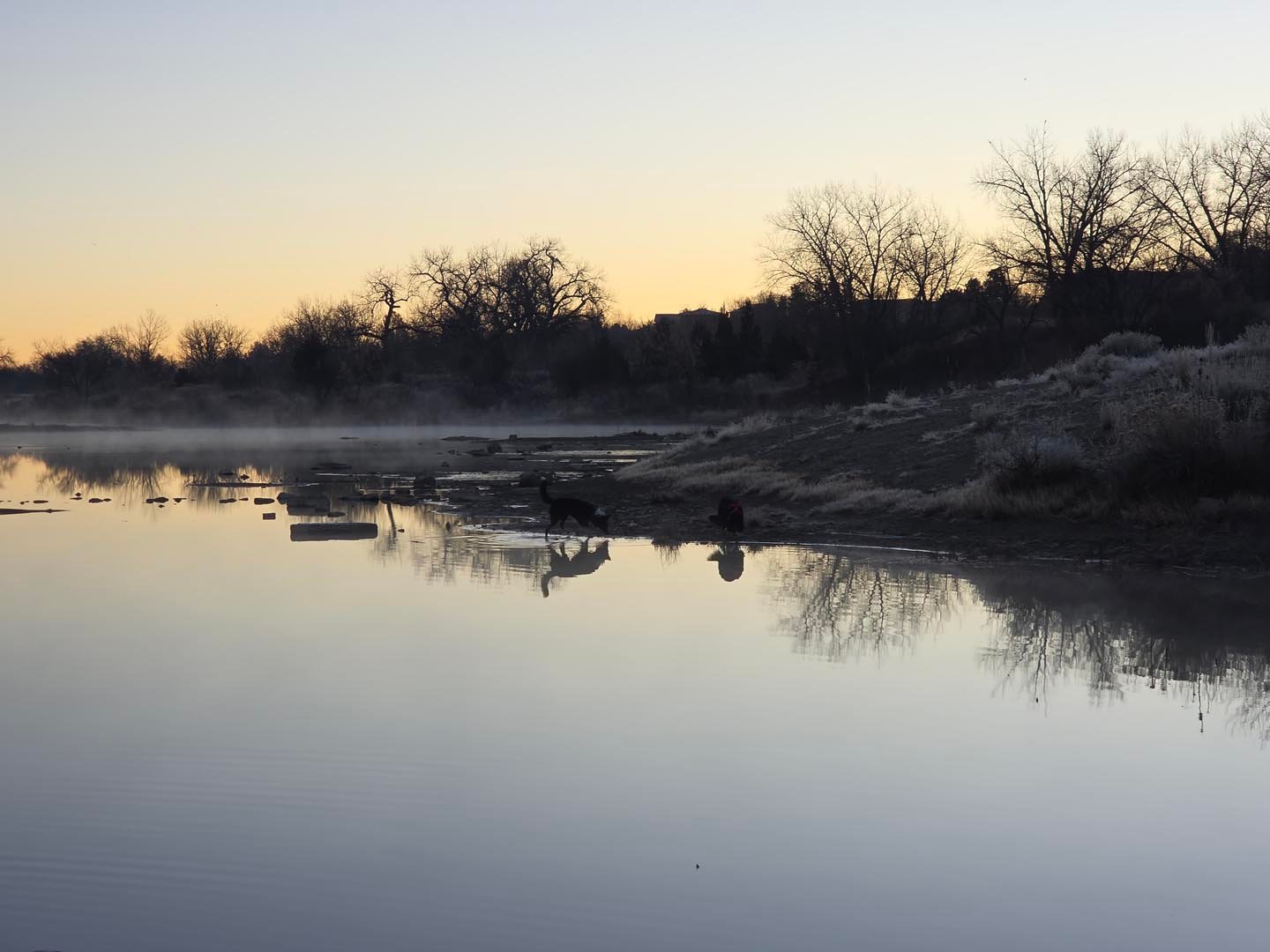
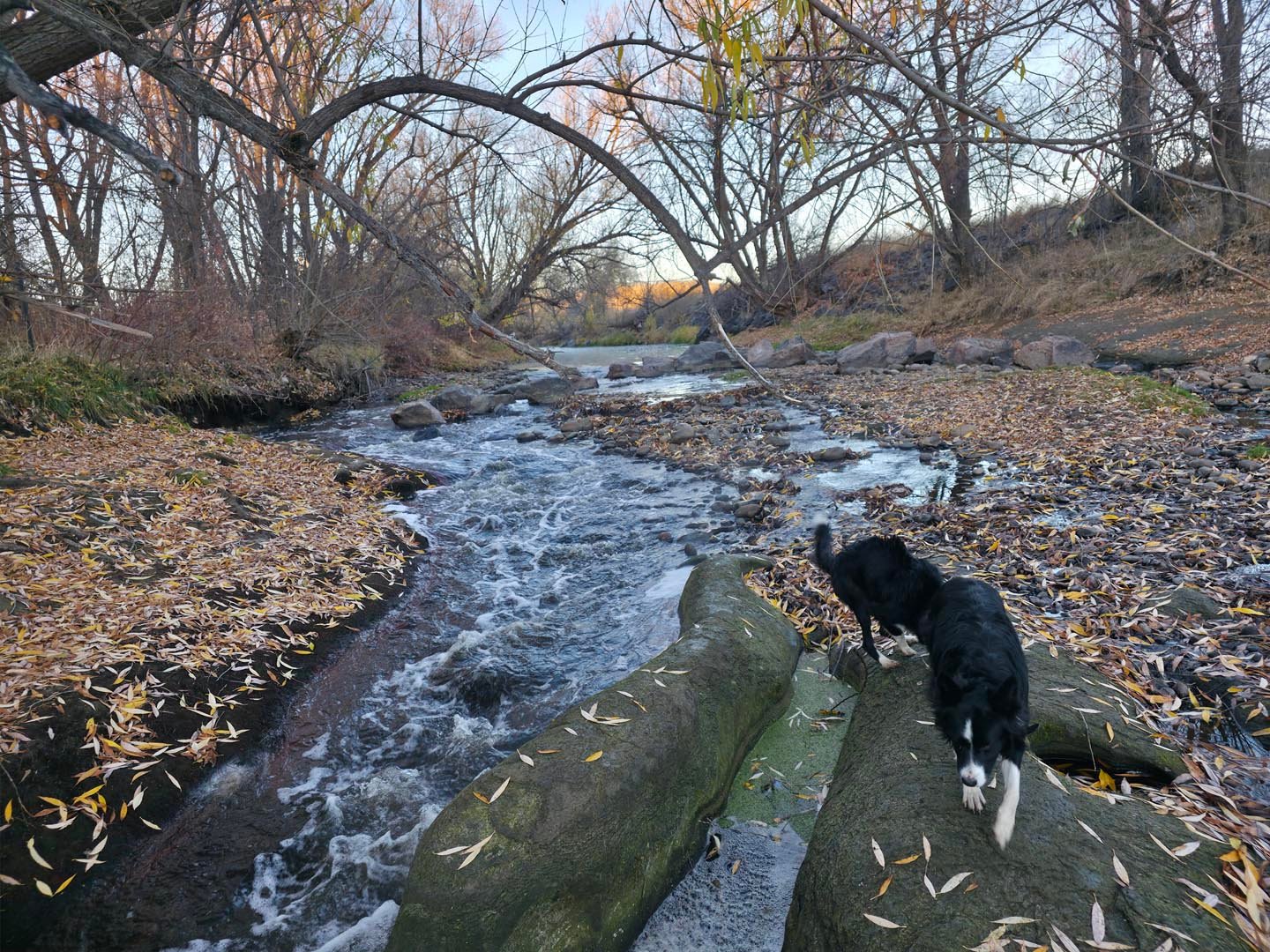
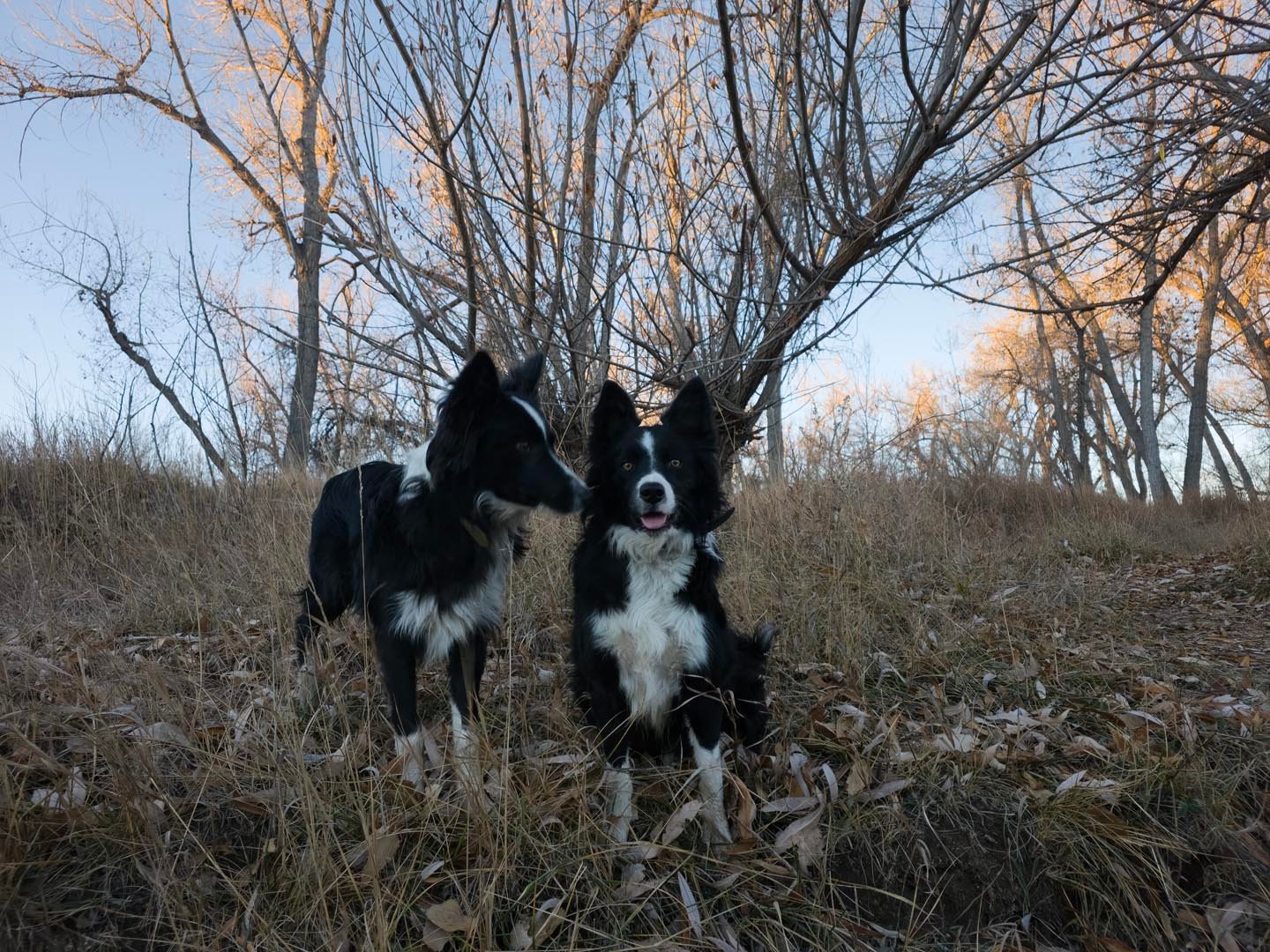
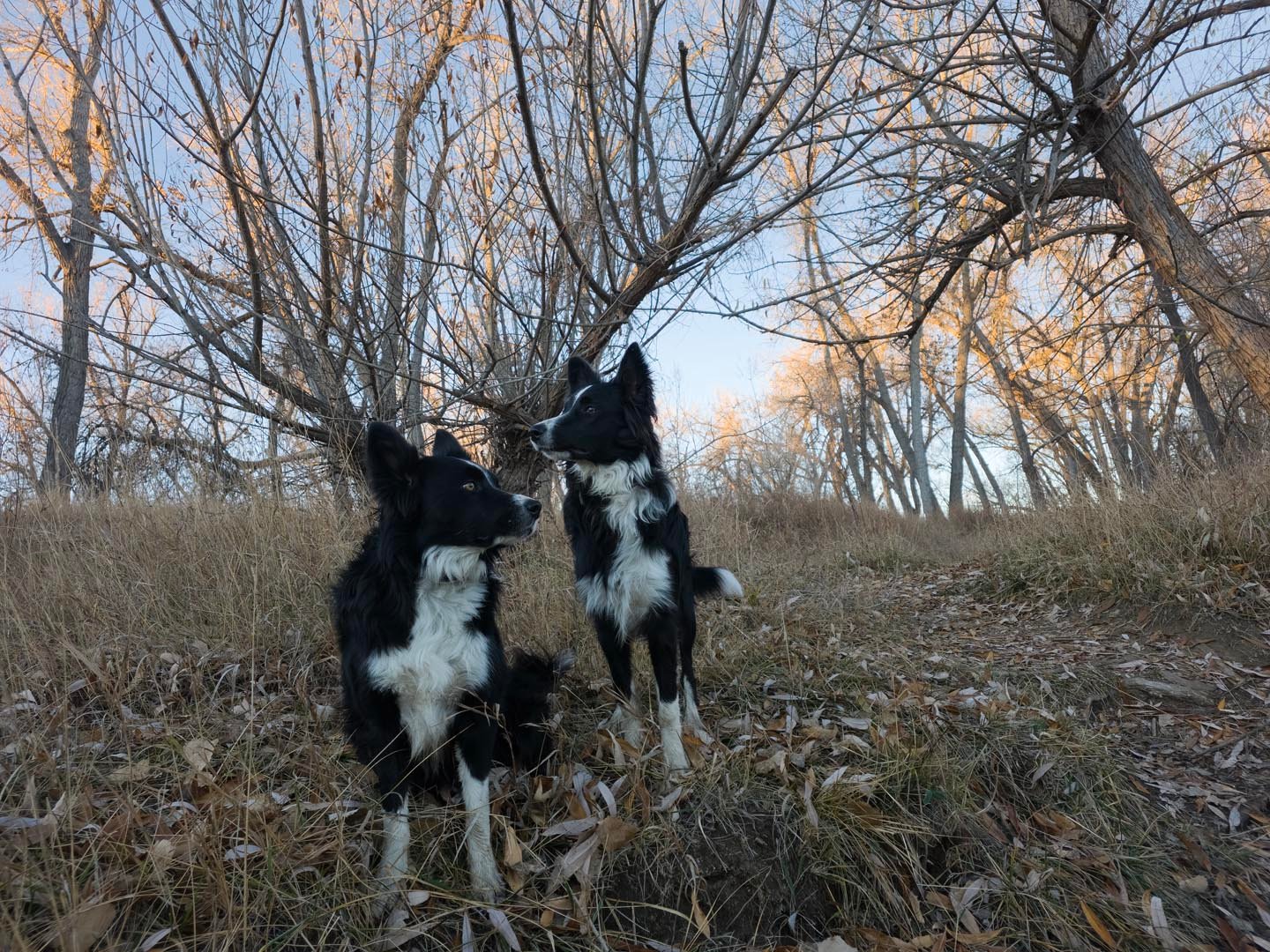
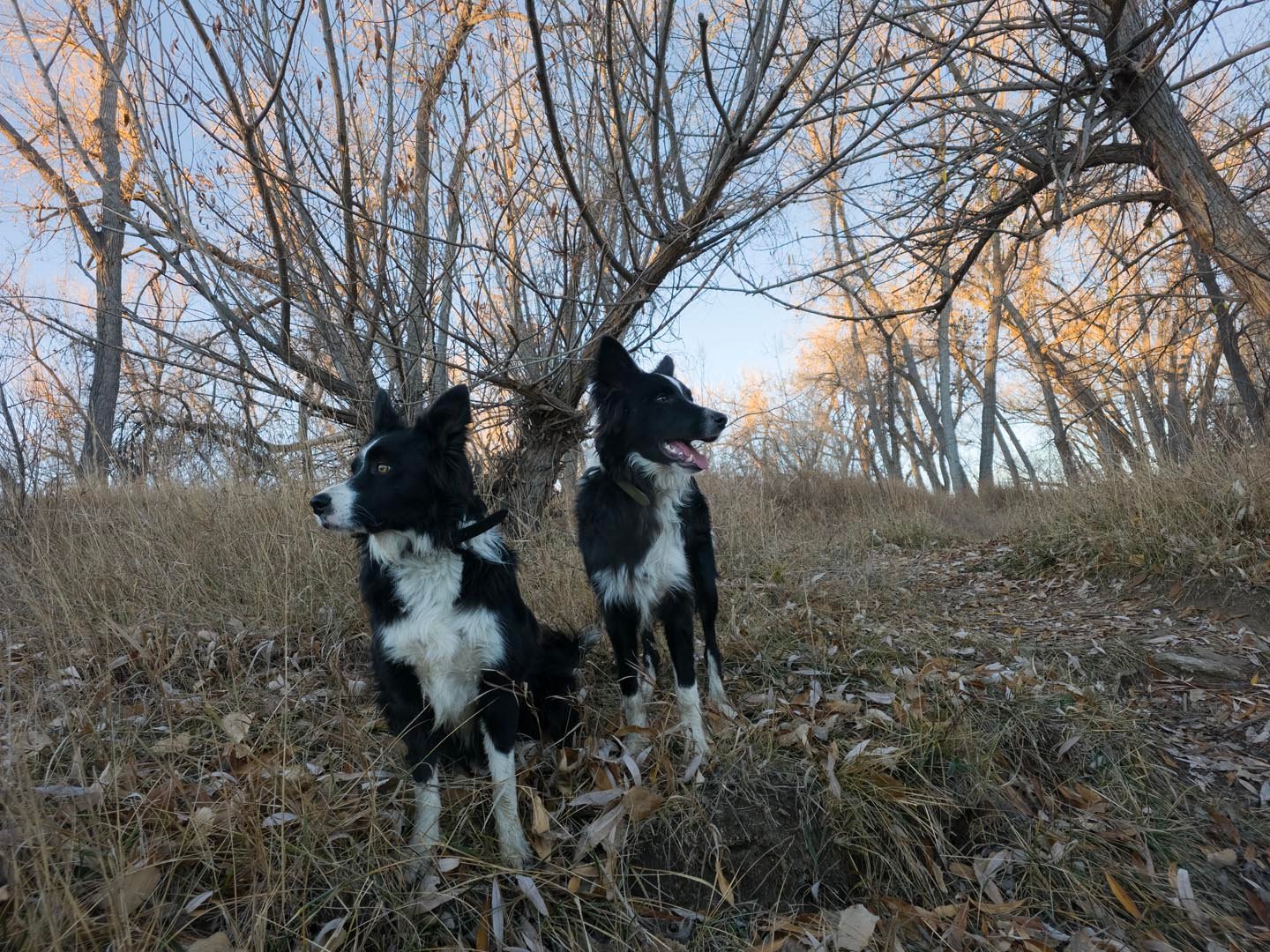
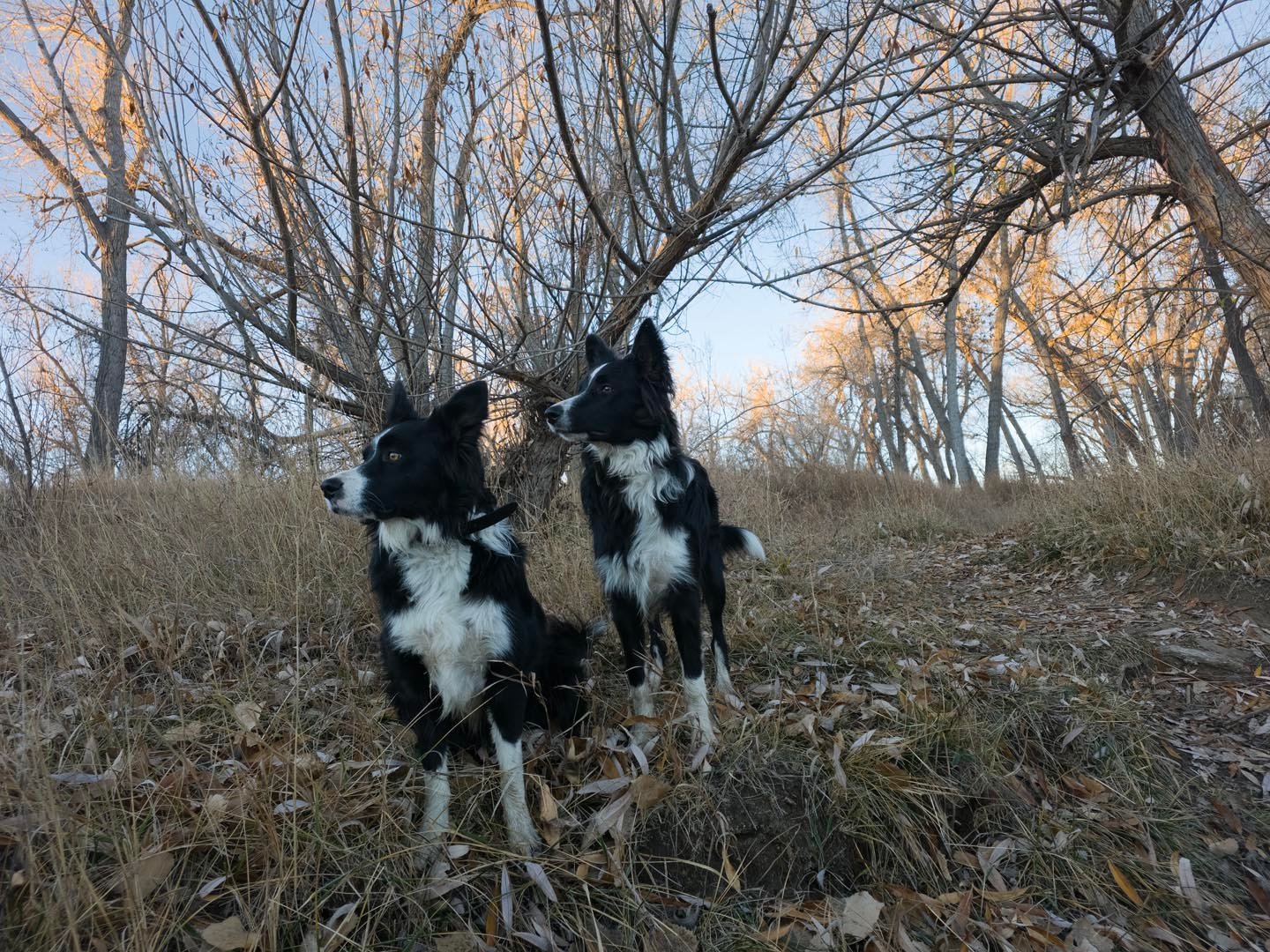
I layered up—winter pants, coat, spiked boots—and pocketed some hand warmers. Jess and Ridge (border collies) were already at the door, crackling with the instinctive ecstasy of snow, as if winter itself had whispered their names. I leashed them up, and we headed out into the quiet.
Once we got past the houses and stepped into the valley, the landscape came into view with quiet grace, silent and utterly beautiful. The snow was heavy and wet—sticky enough to cling to every branch and twig. Chokecherry, wild plum, buckthorn, willows, and towering cottonwoods were all dressed in the same luminous white. It looked like a painting no artist could finish—too delicate, too alive.
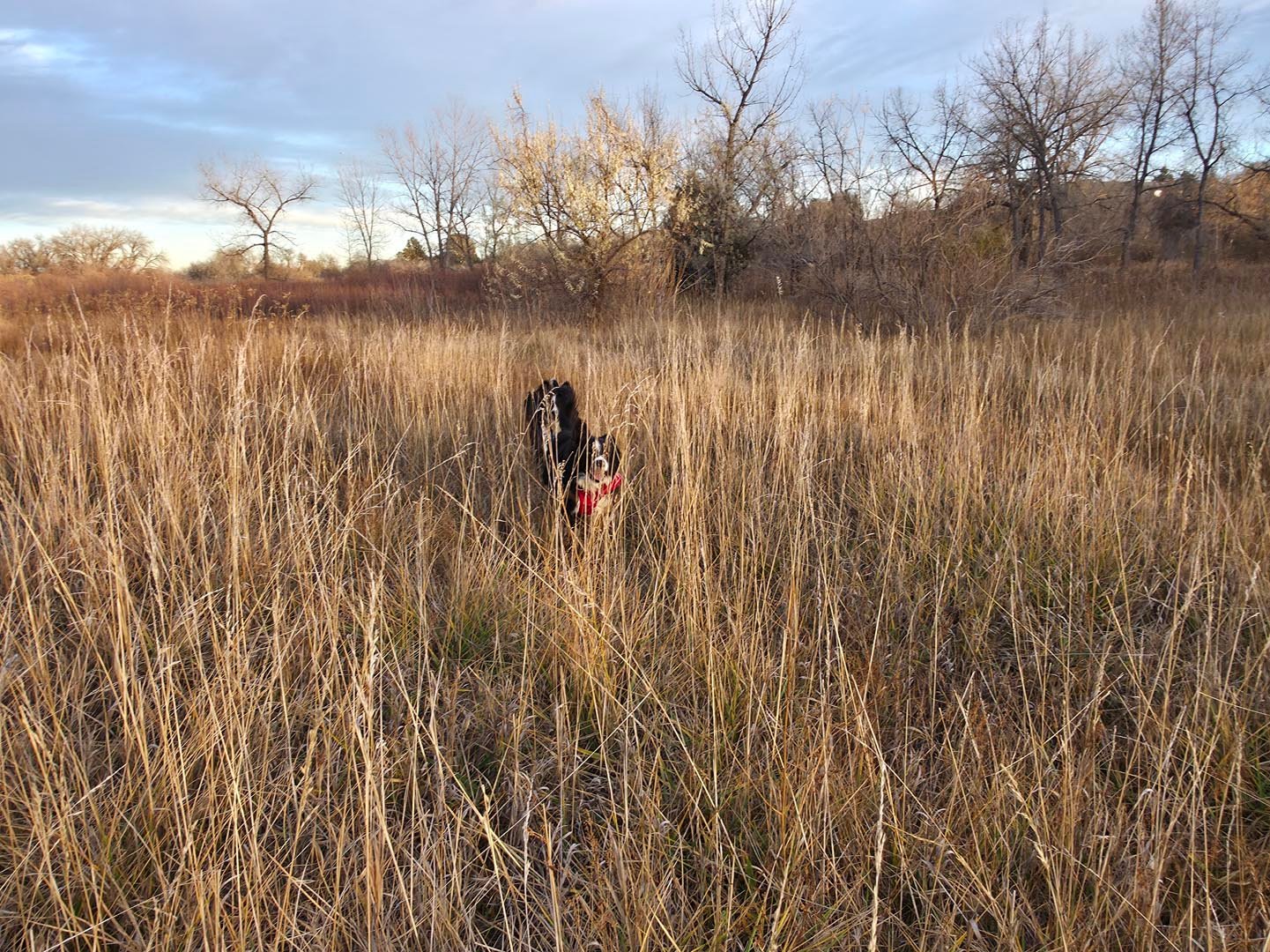
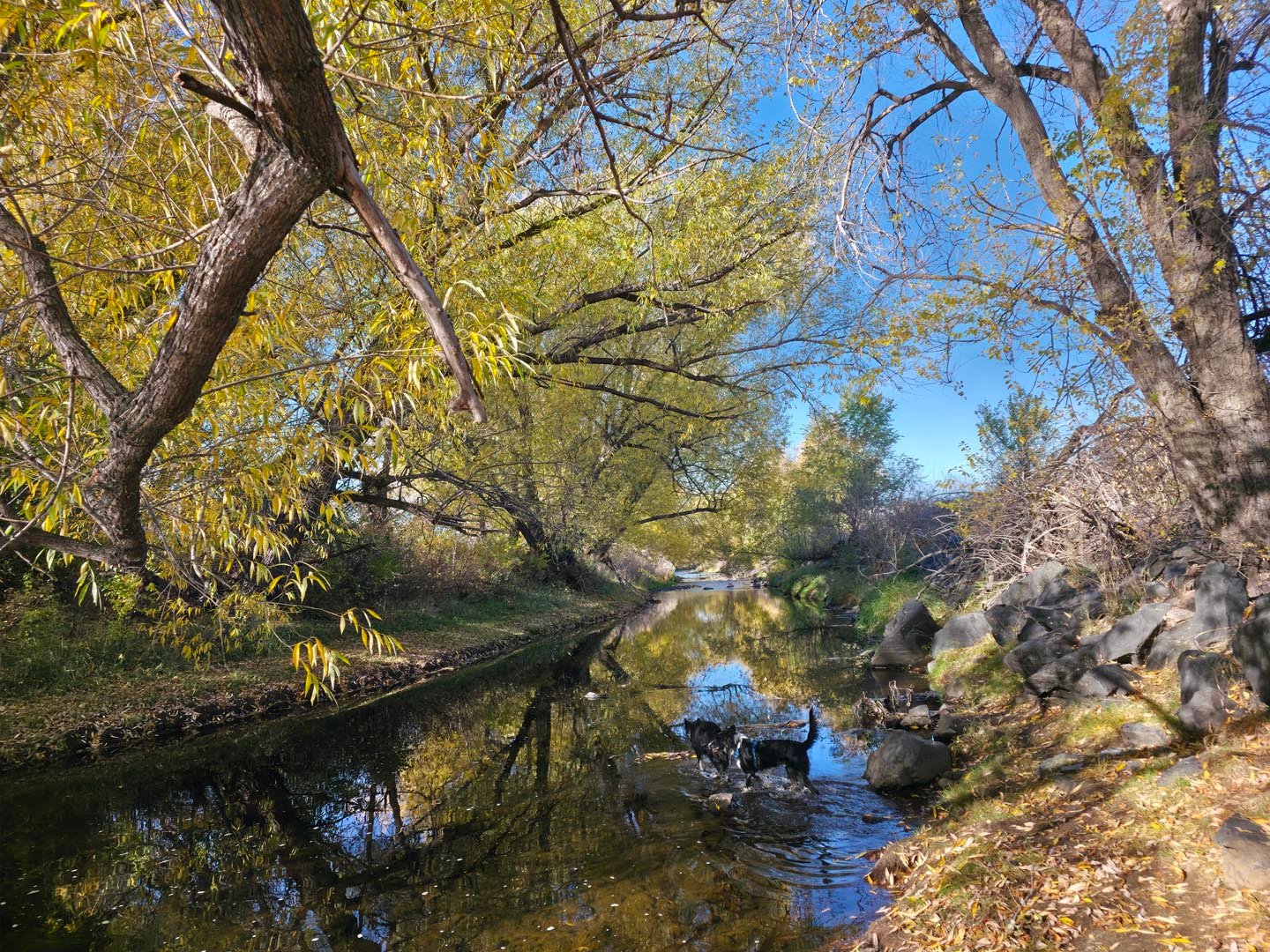
I took the long loop along the river, winding through the cottonwood groves, where the snow muffled every sound except the occasional shake of a branch or the soft crunch of paws and boots. We stayed out for almost three hours, just moving through it—me in a kind of trance, the dogs weaving ahead like animated brushstrokes in the white.
The snow held. The silence held. I came home, made coffee, and fed the chickens.

.jpg)
.jpg)
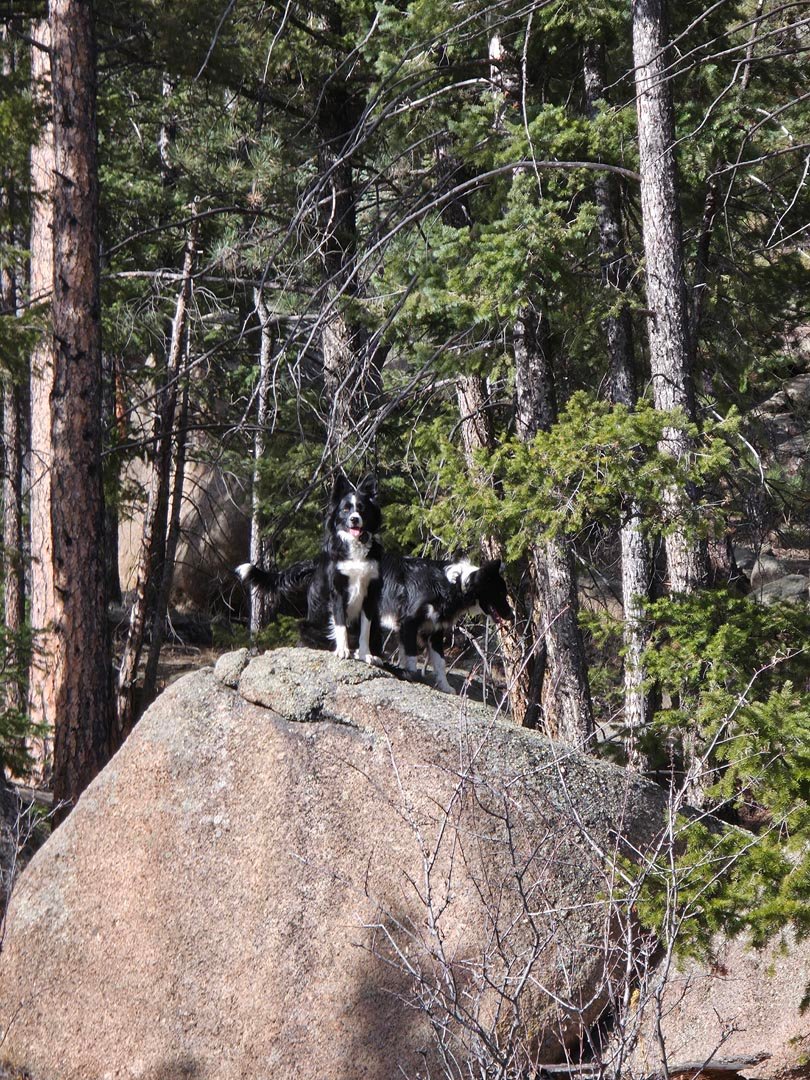
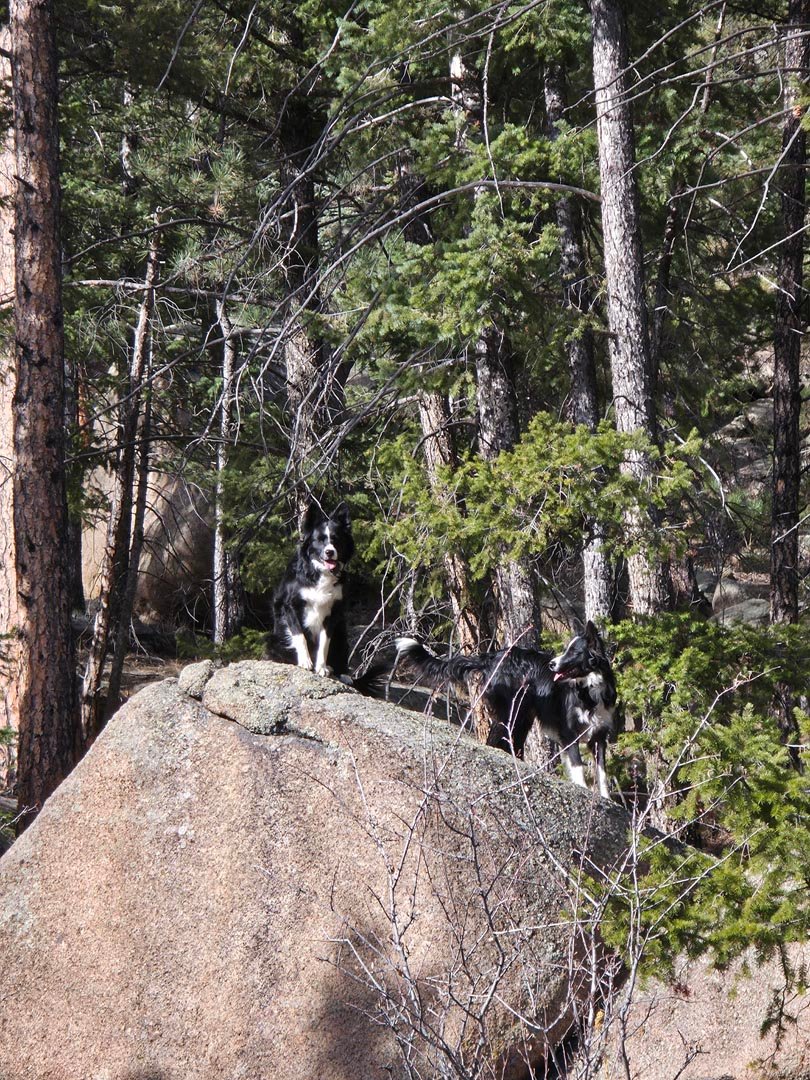
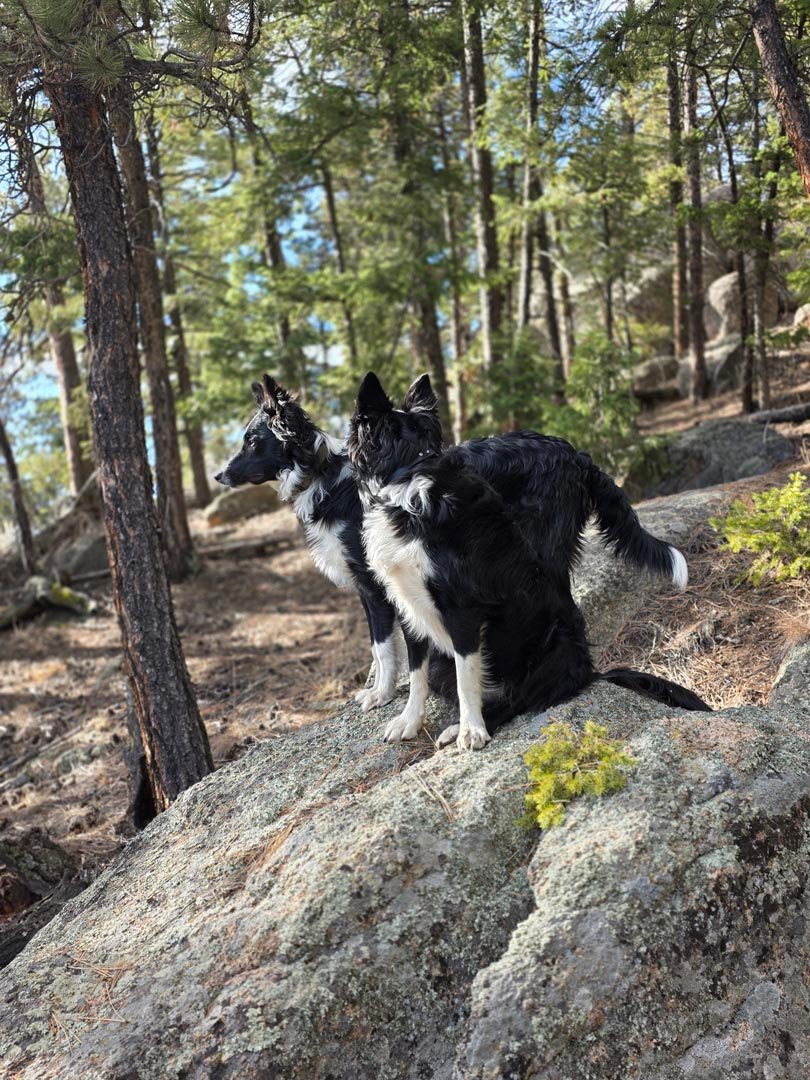
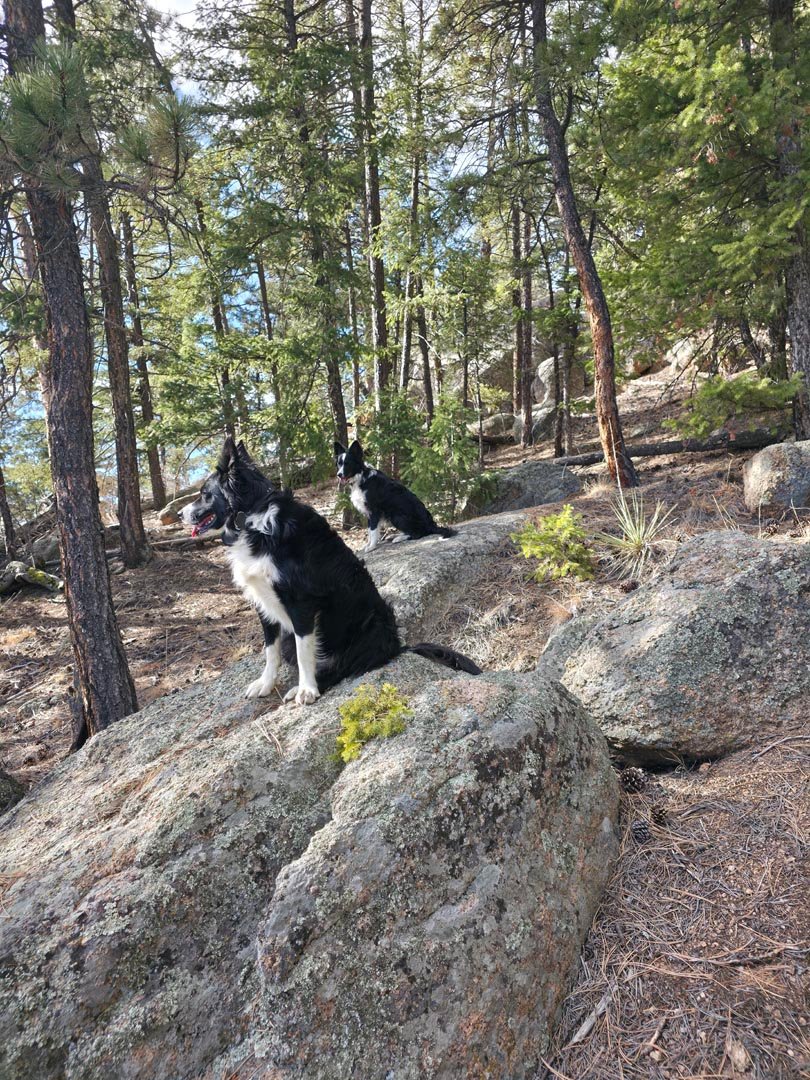
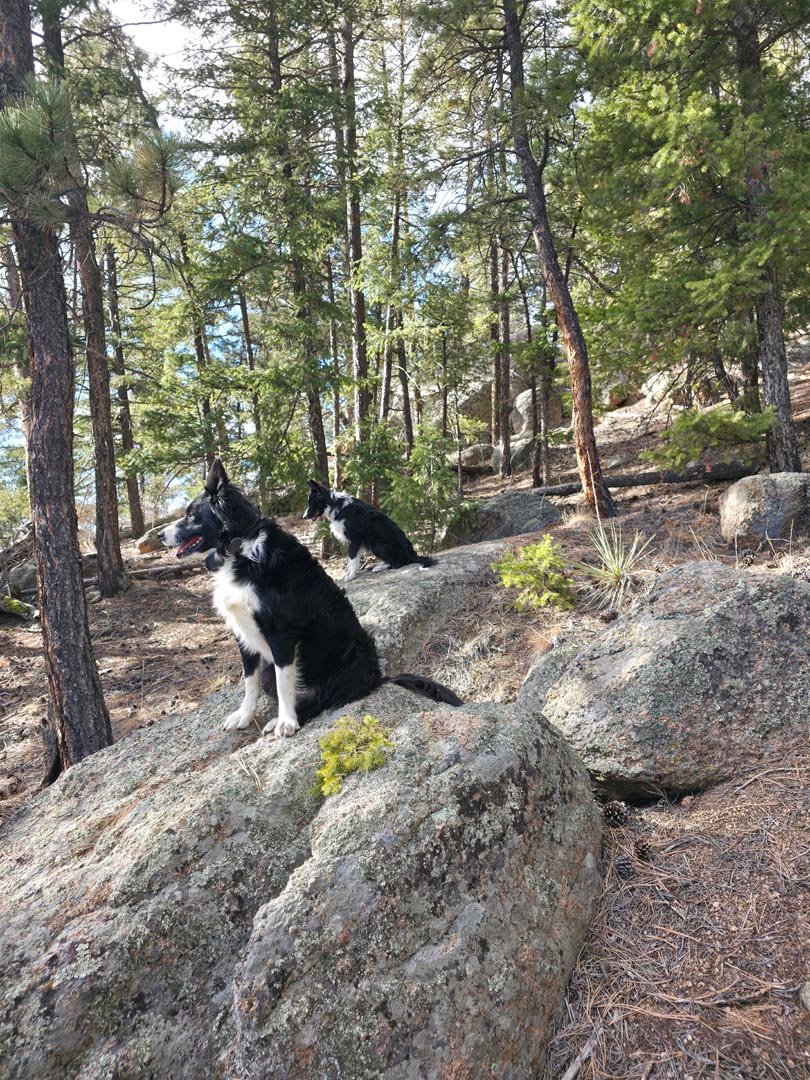
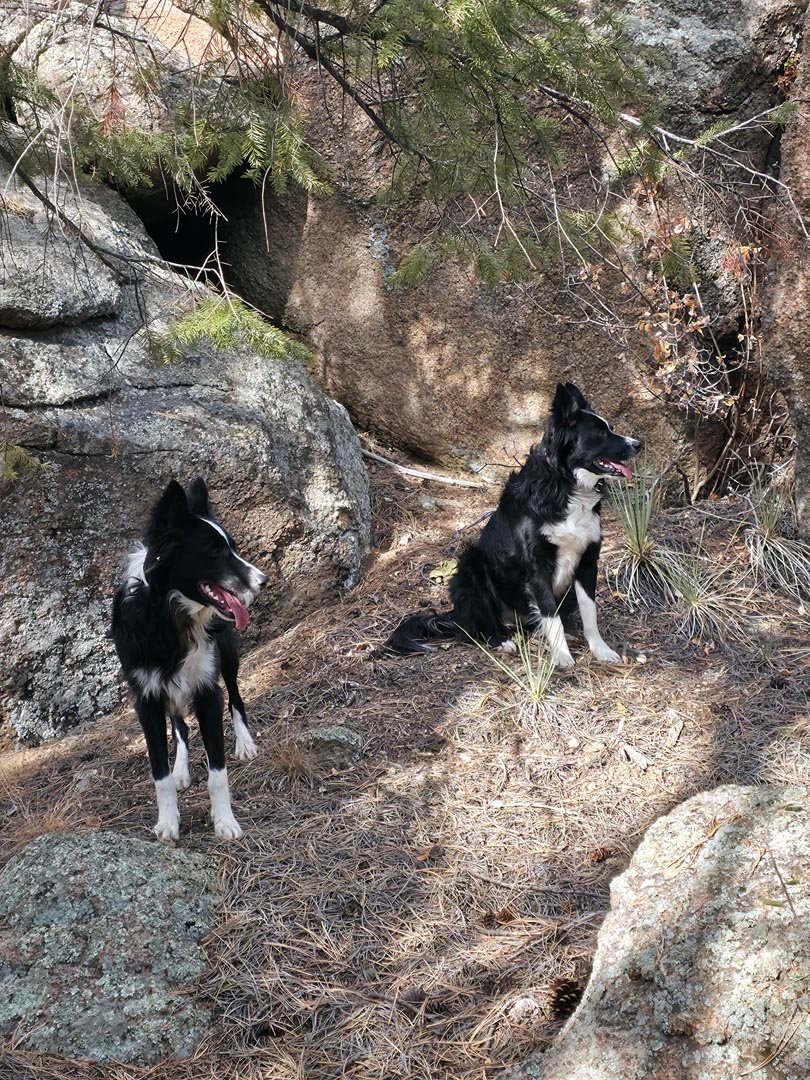
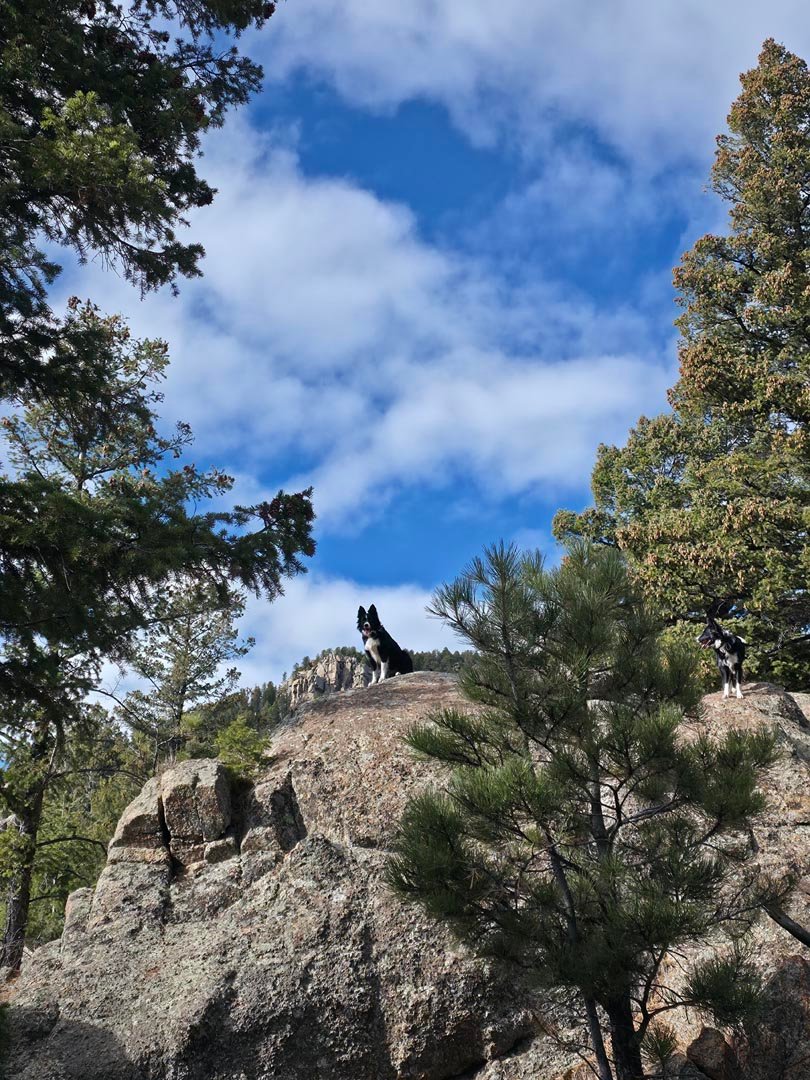
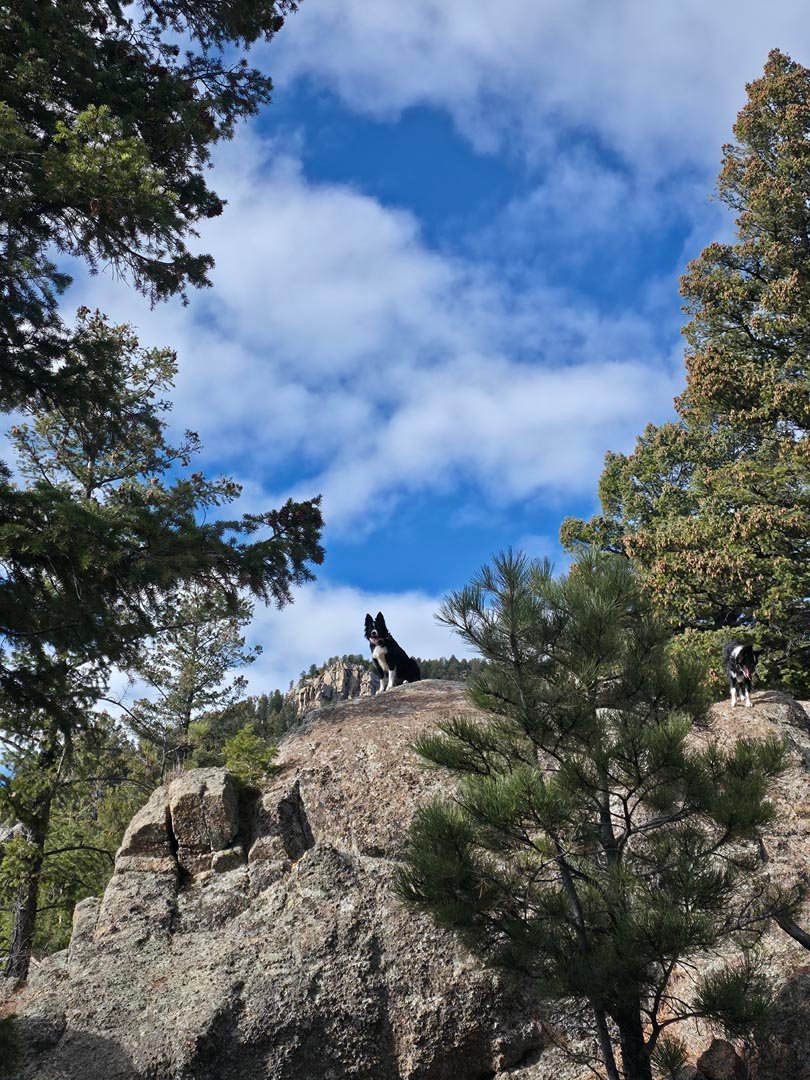
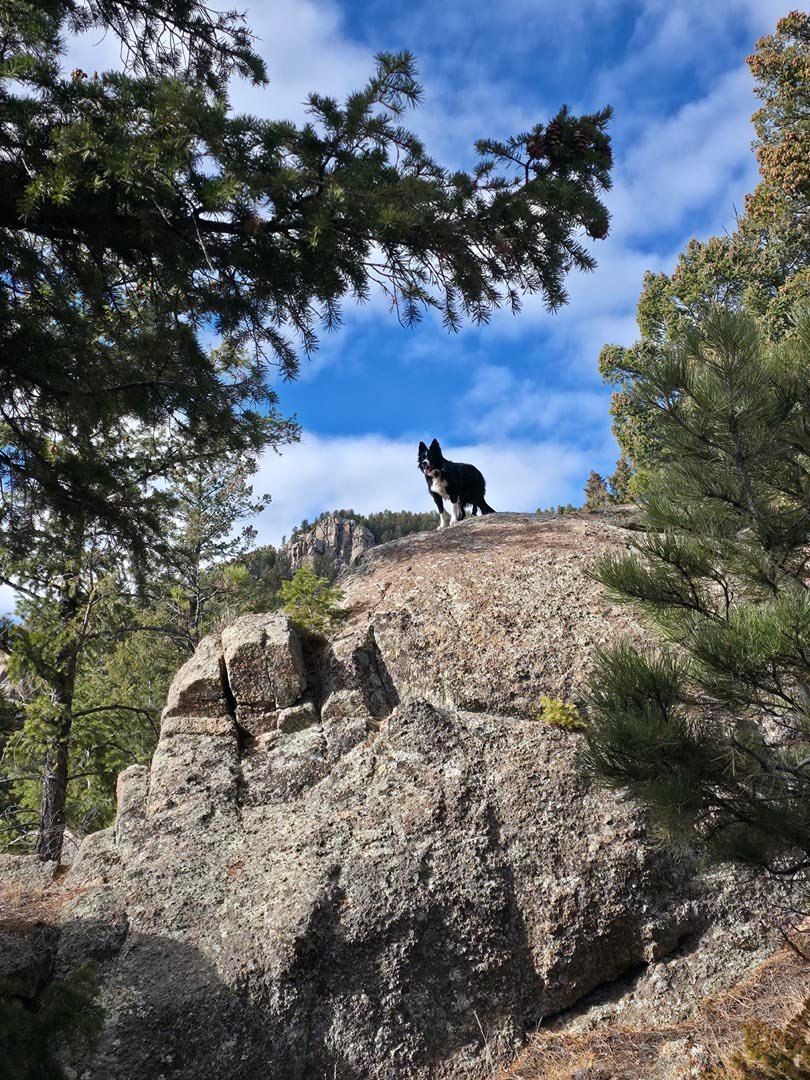
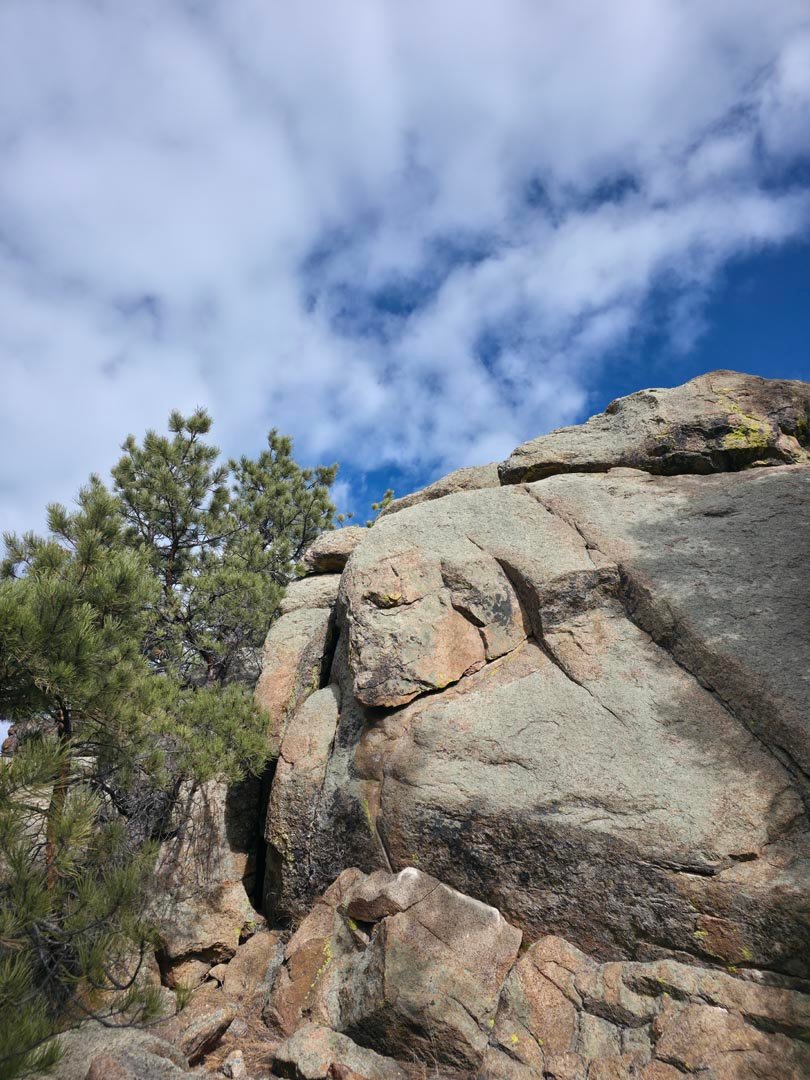
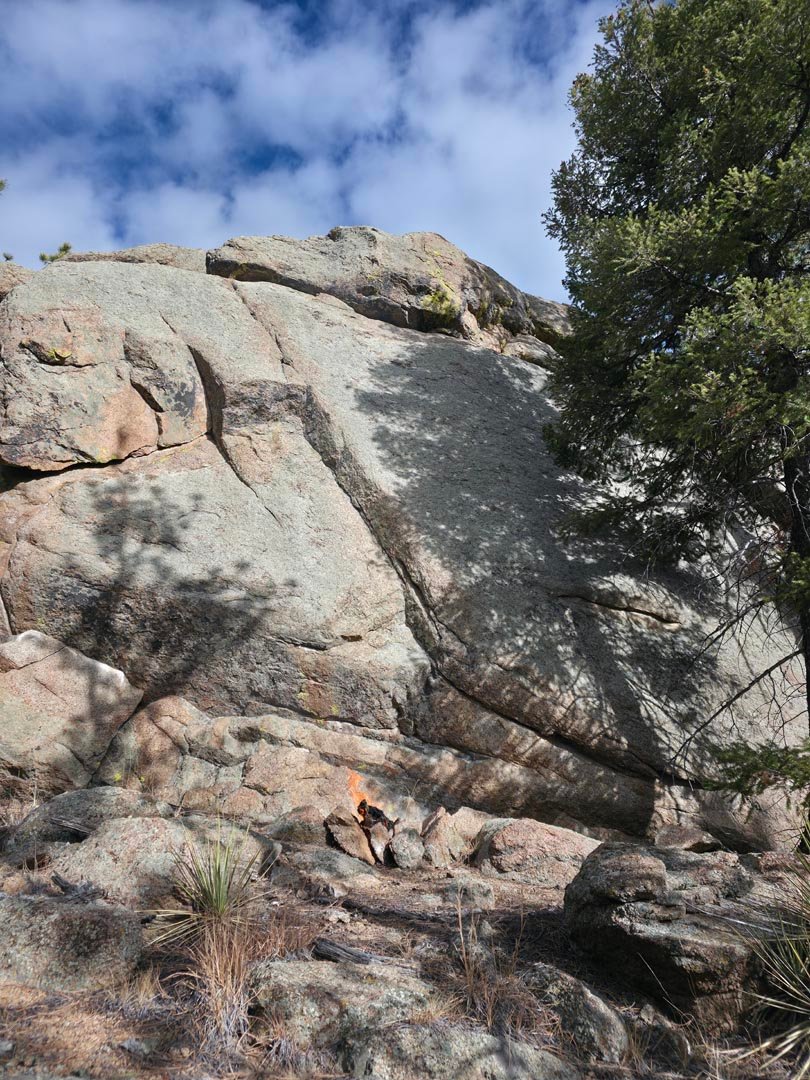
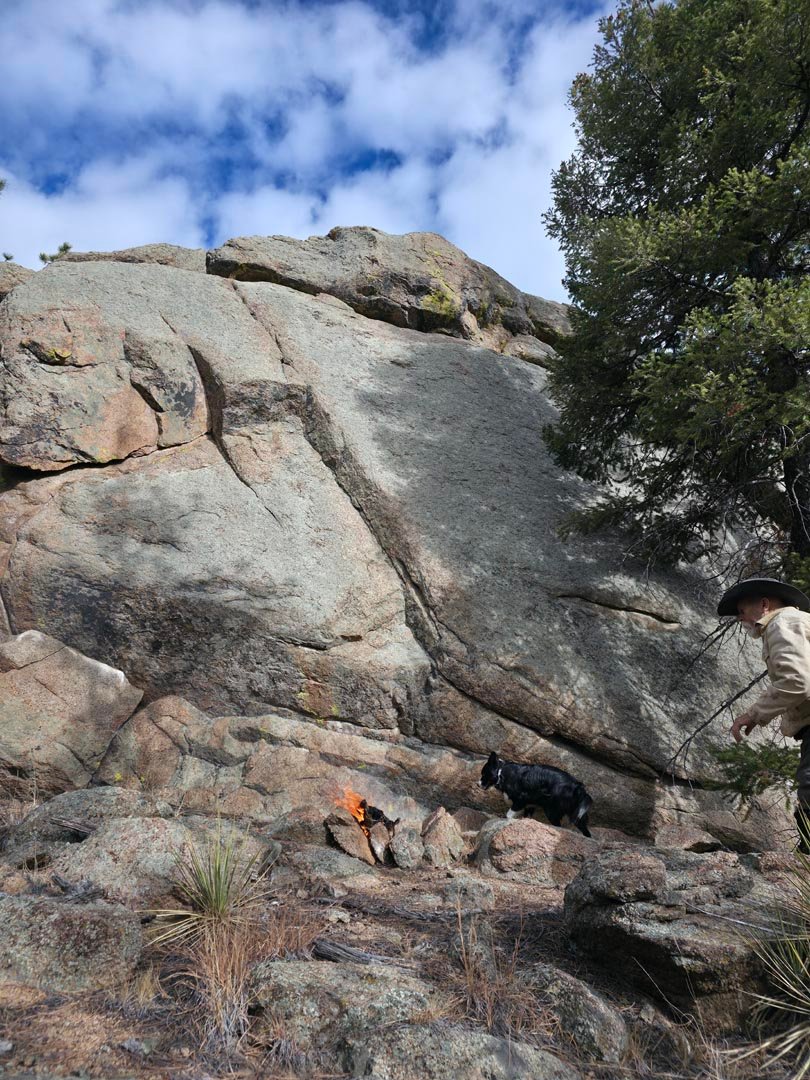
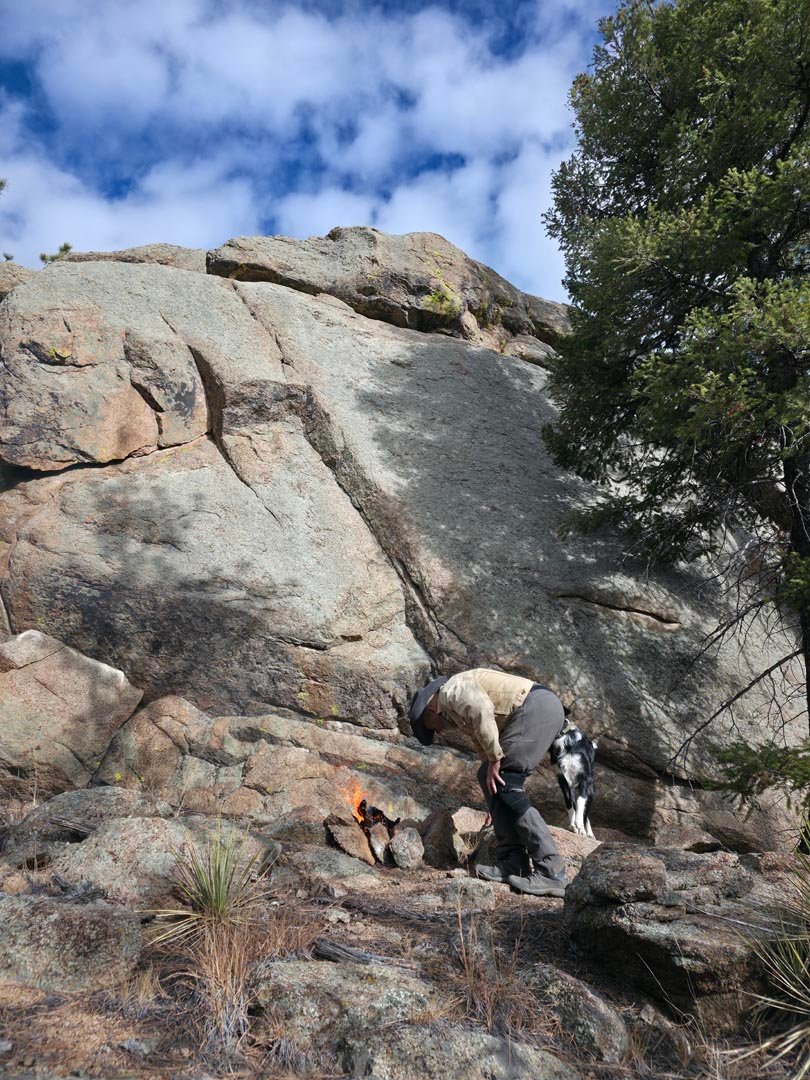
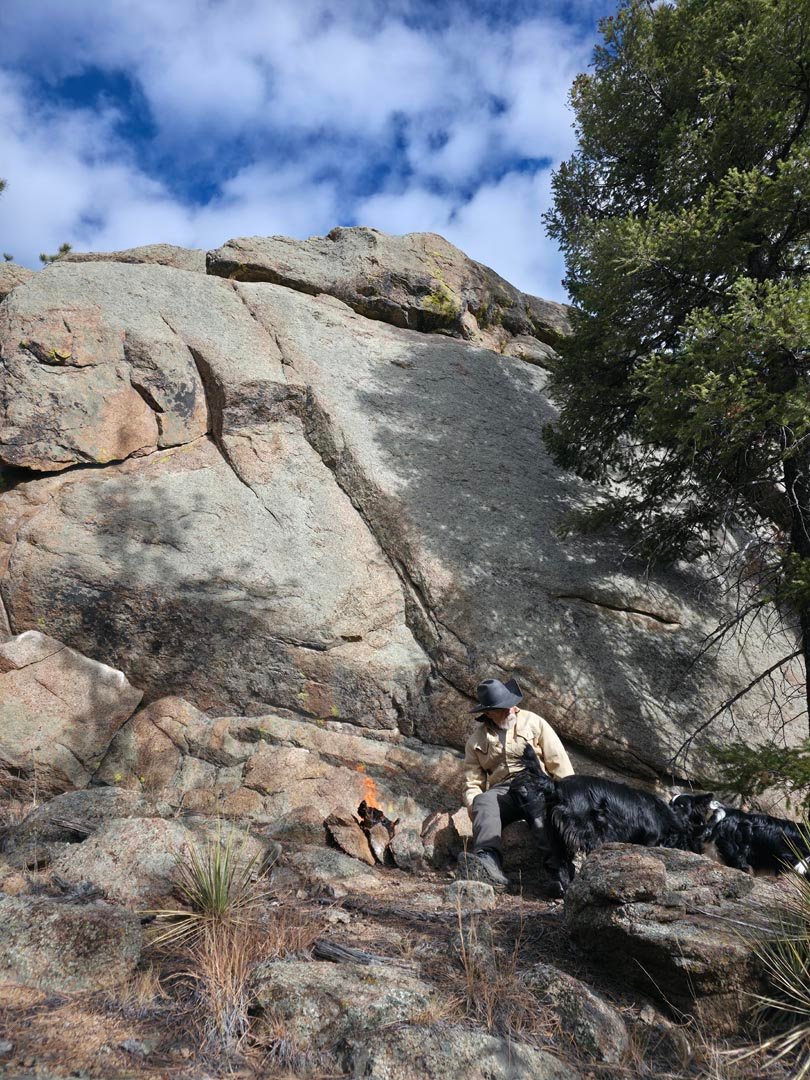
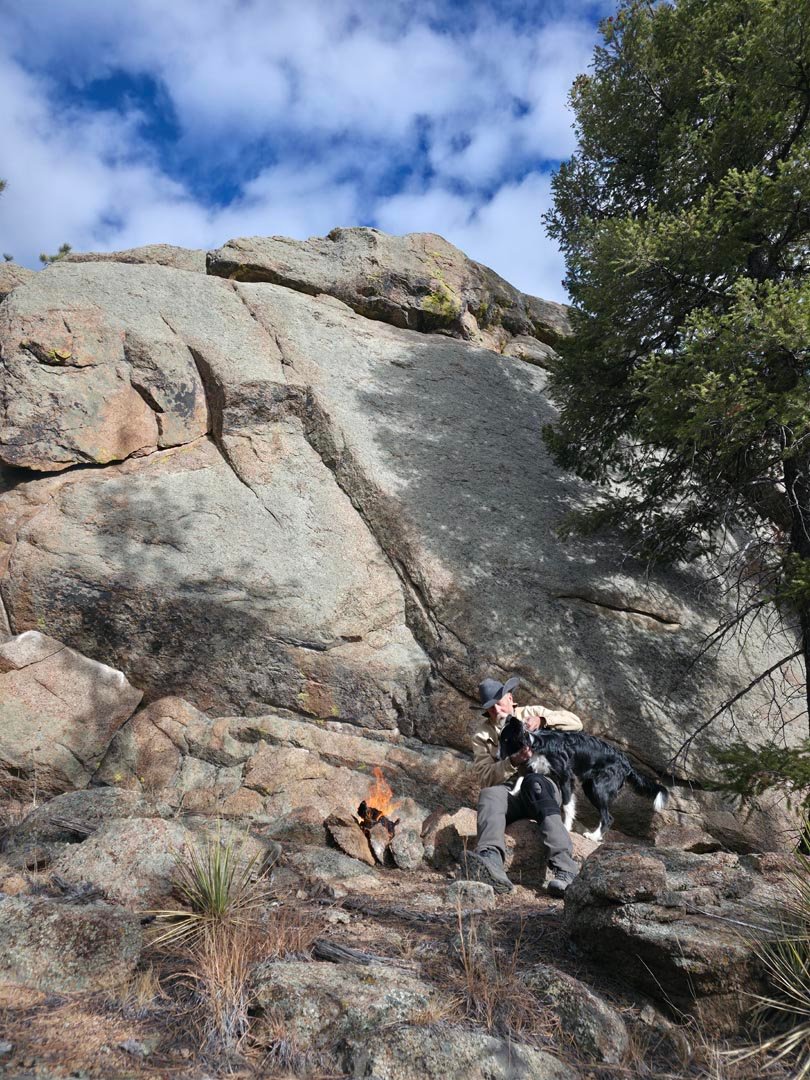
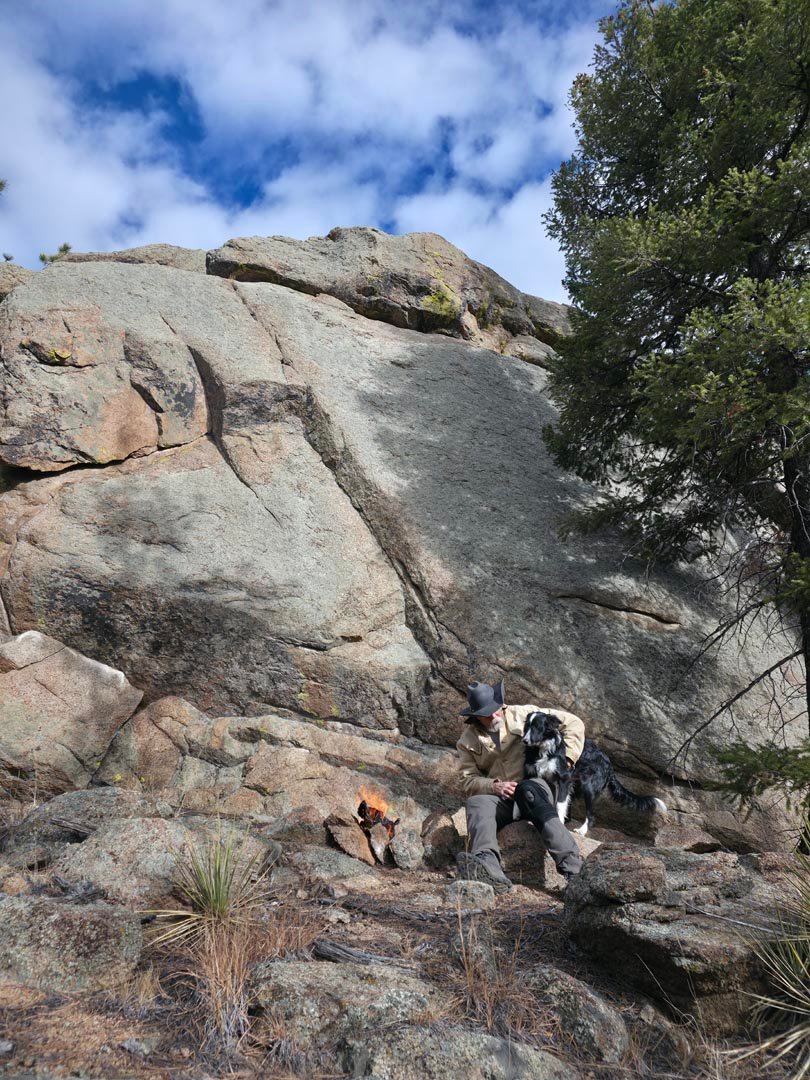
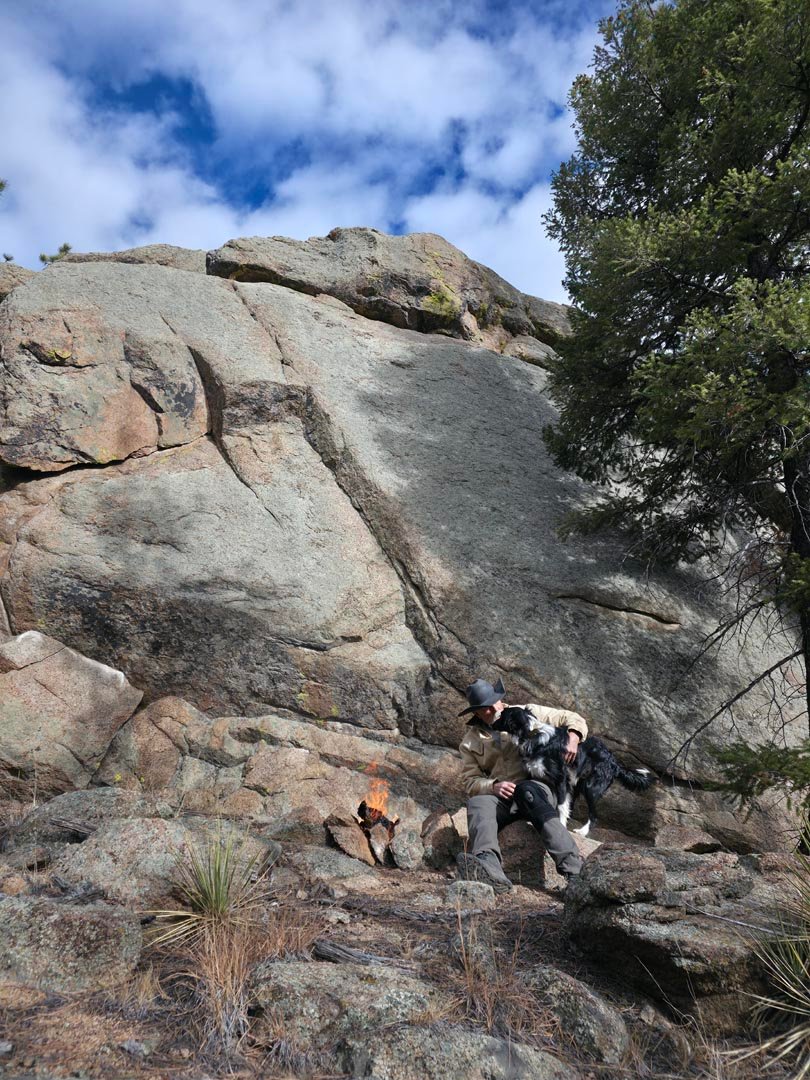
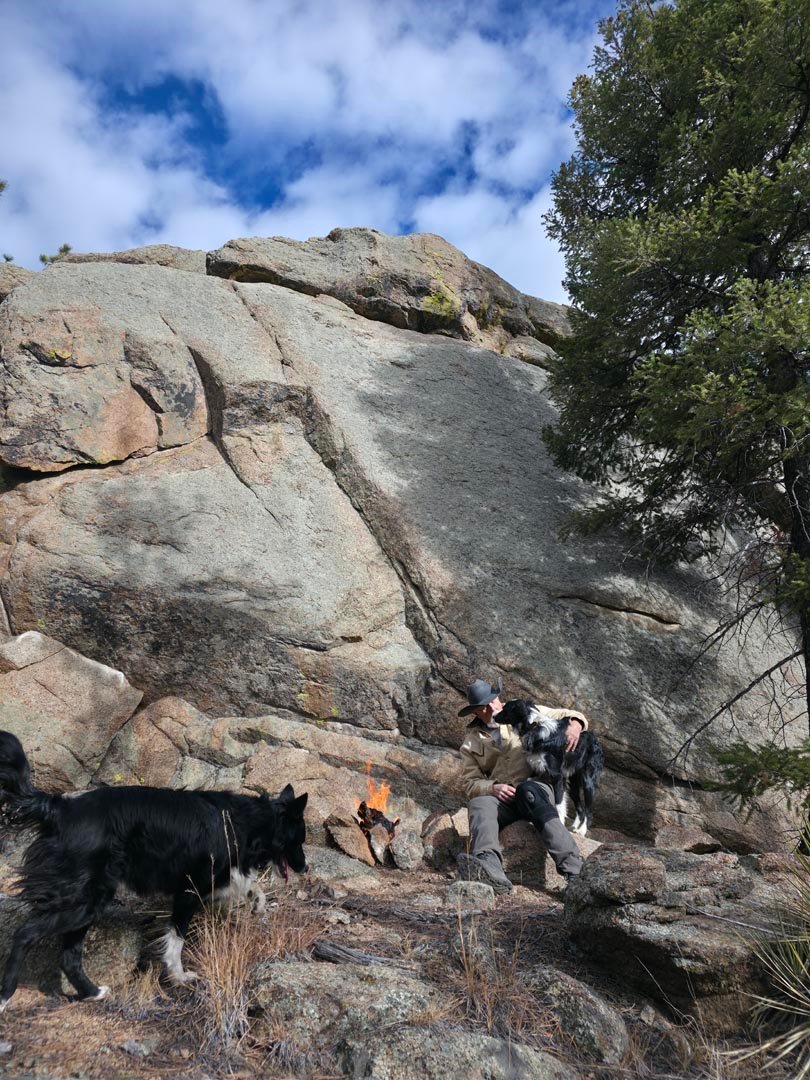
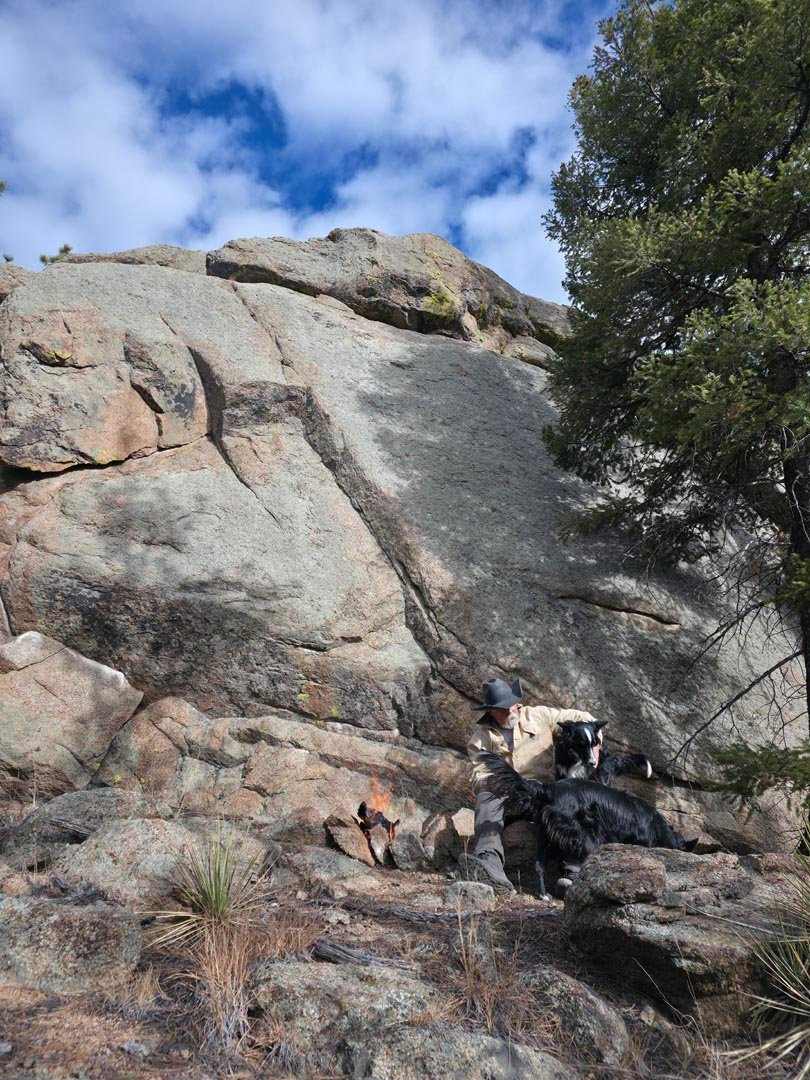
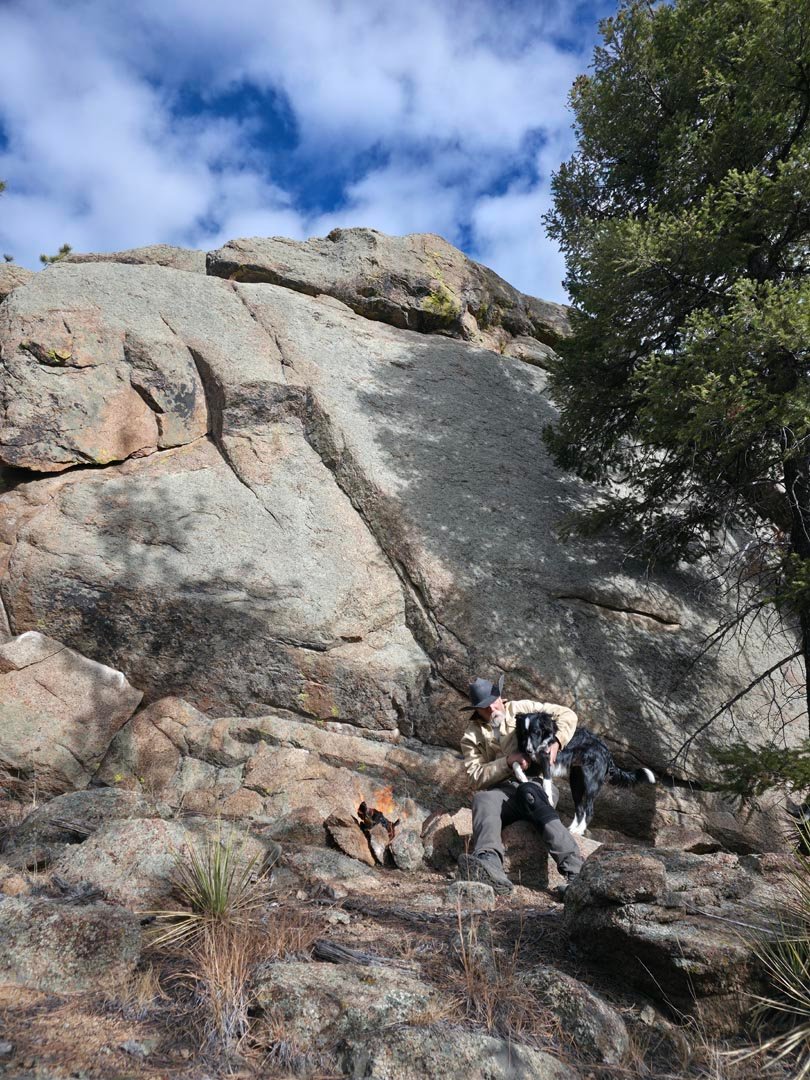
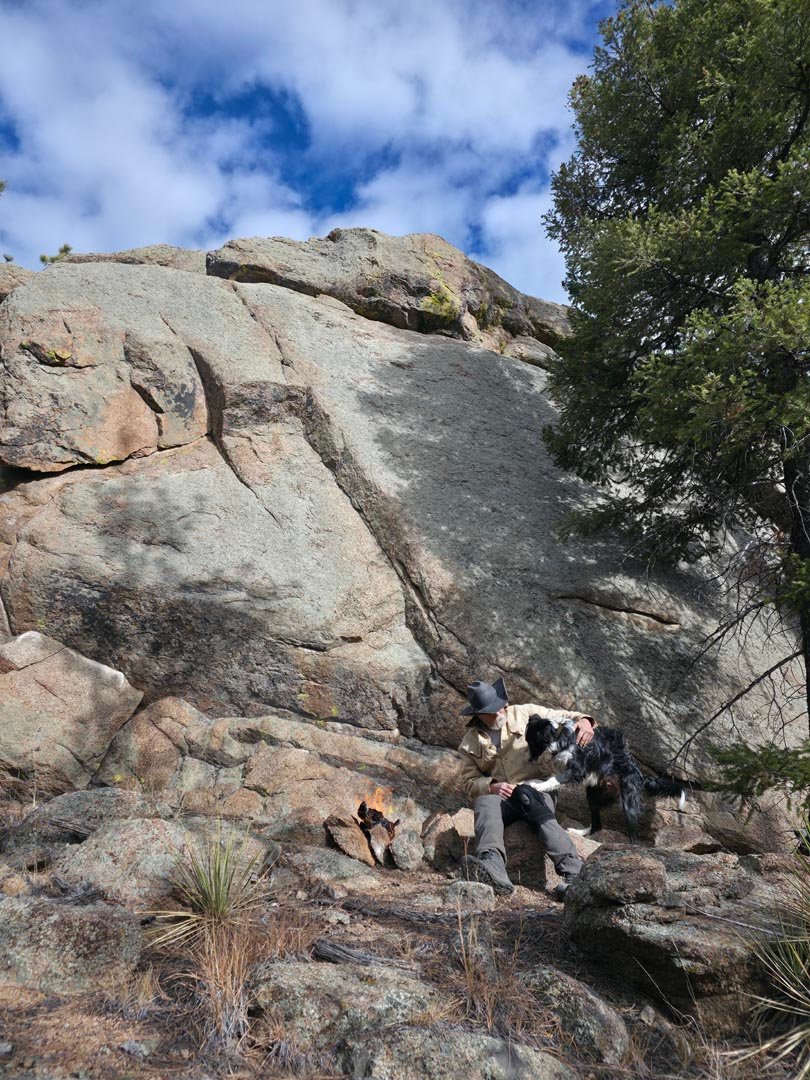
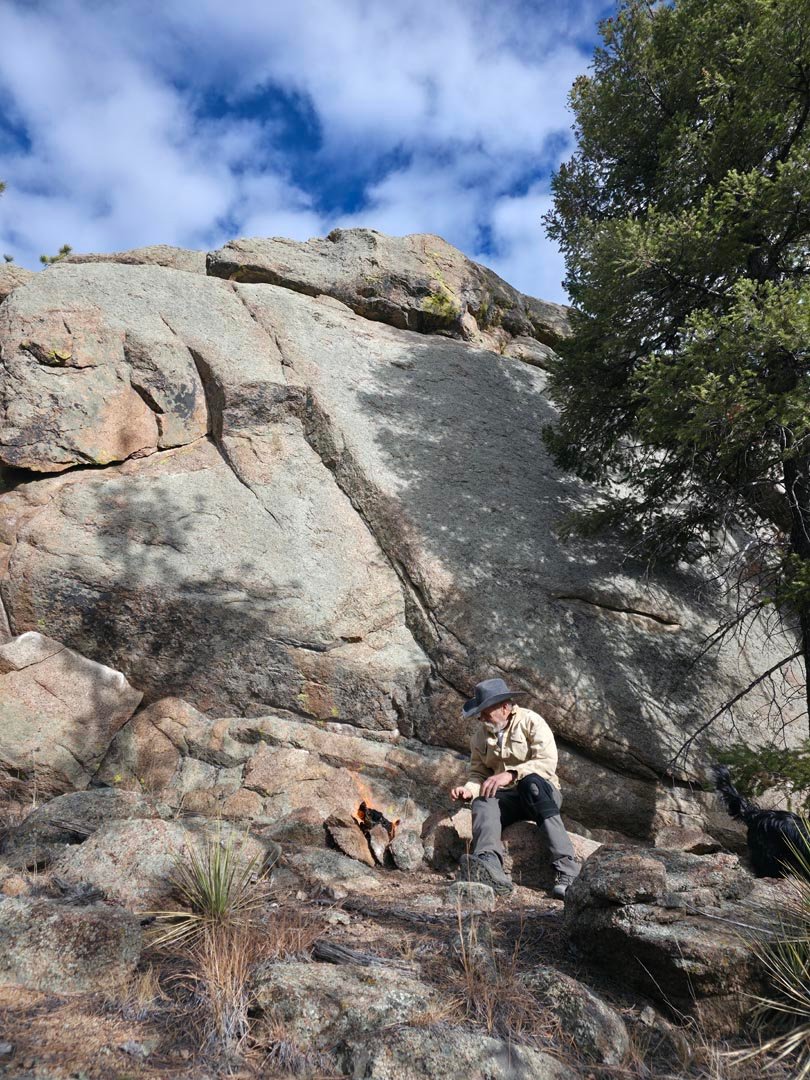
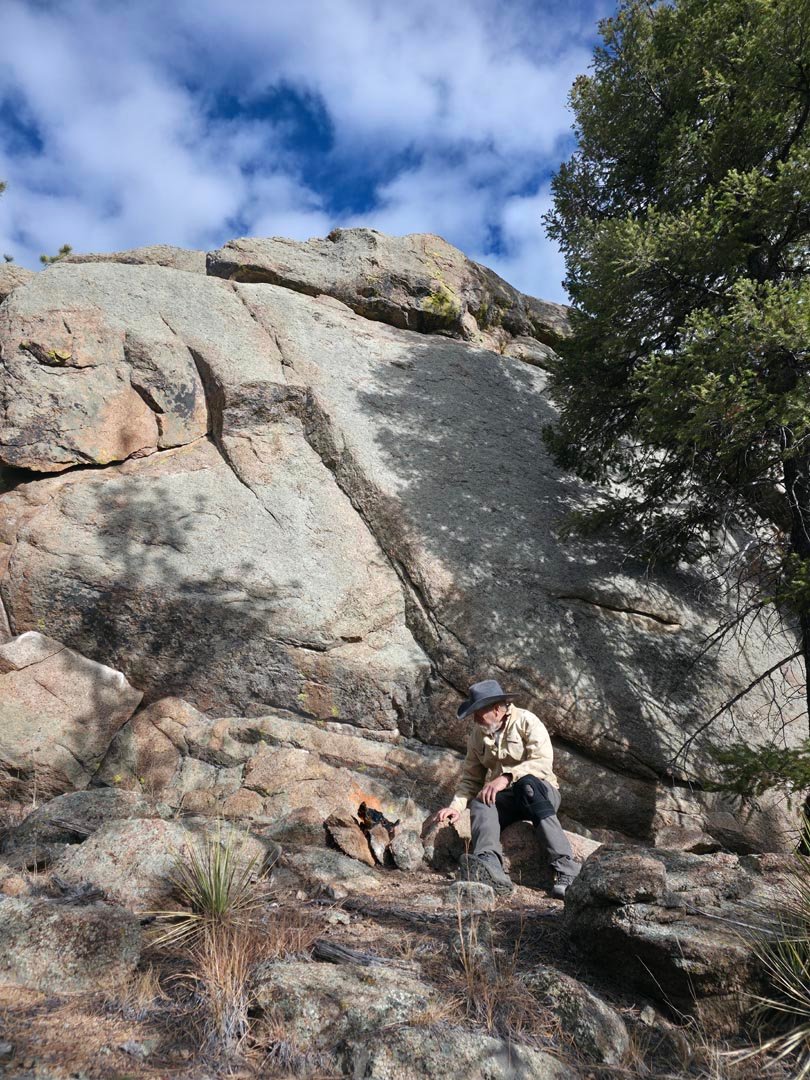
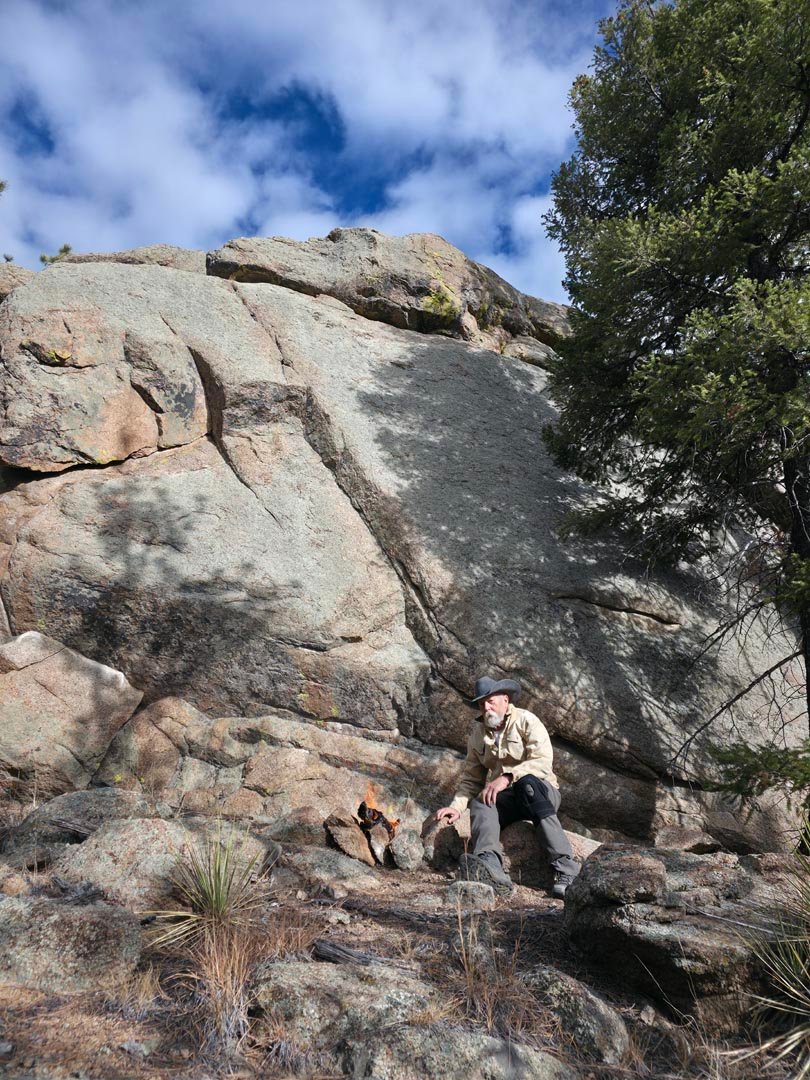
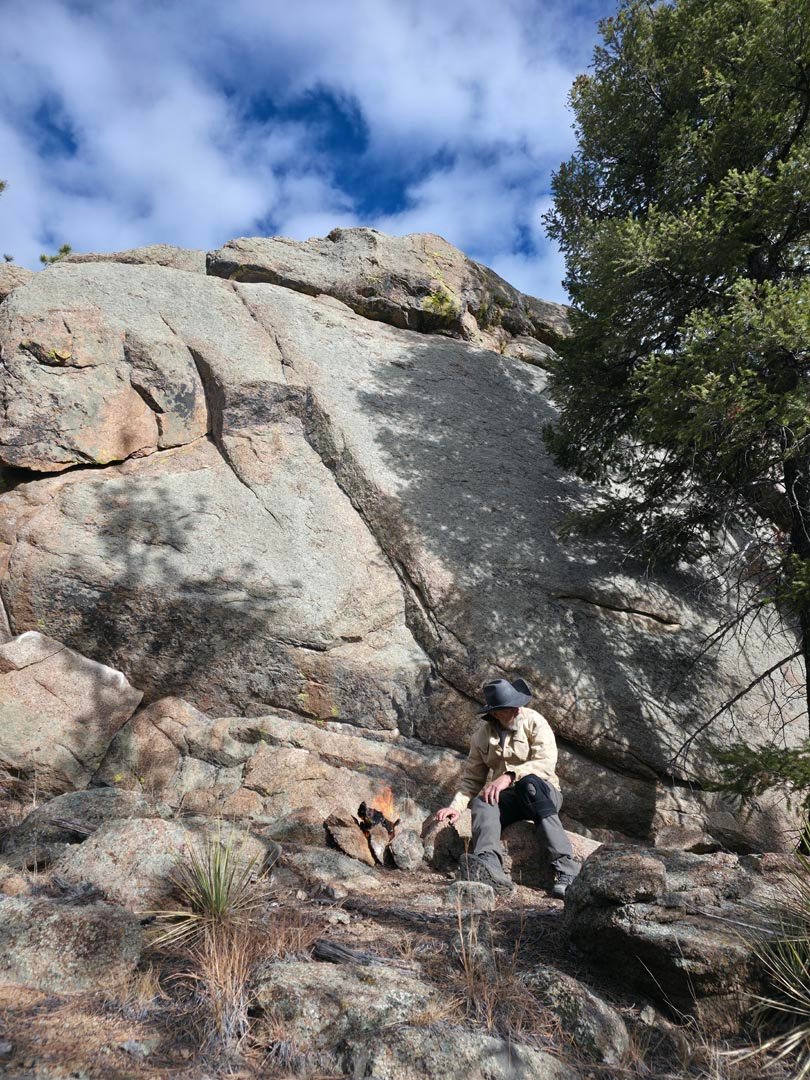
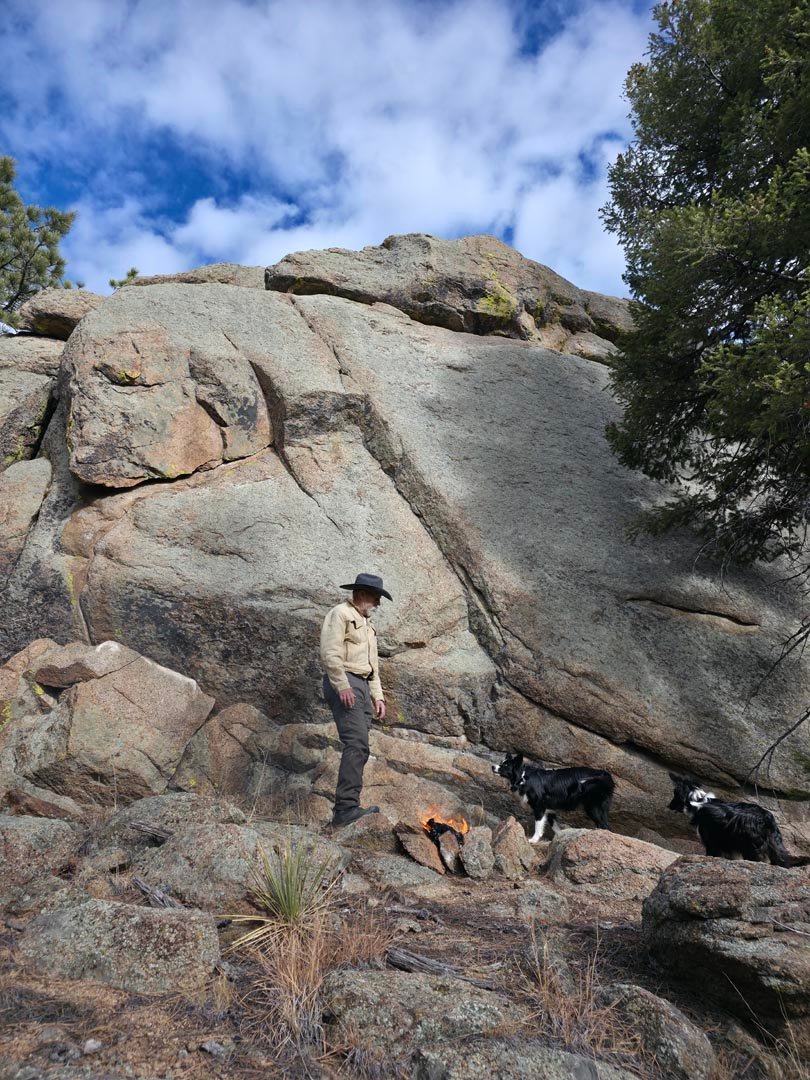
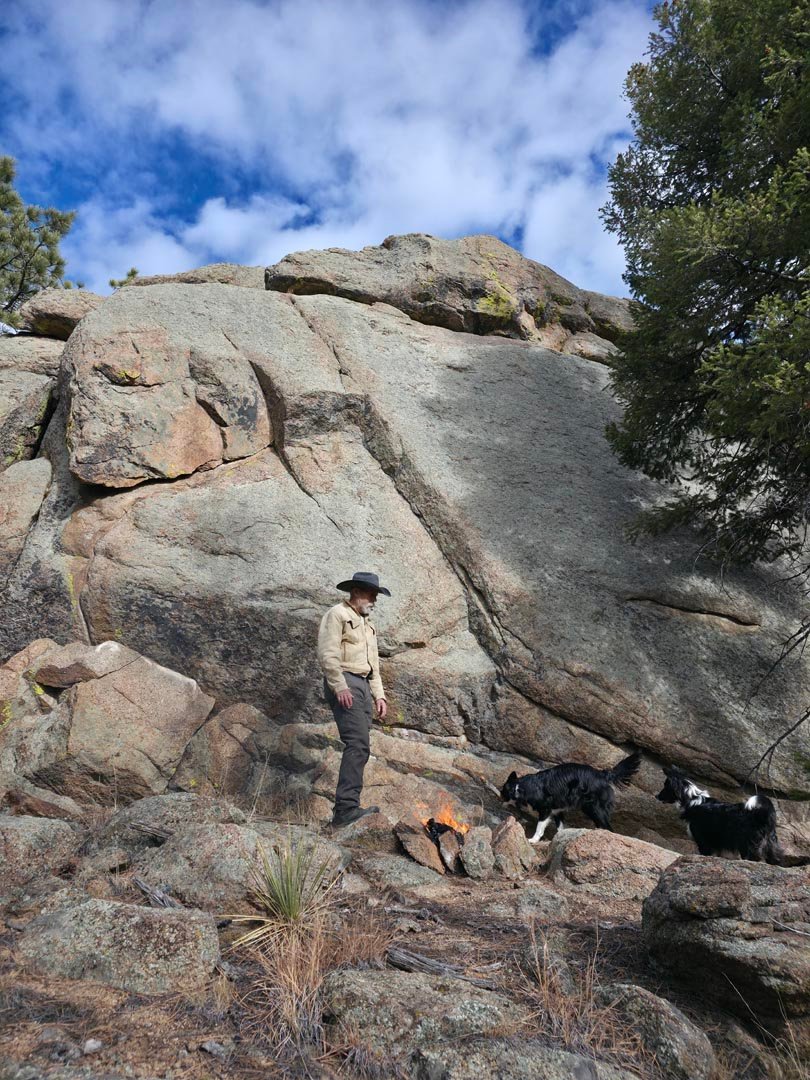
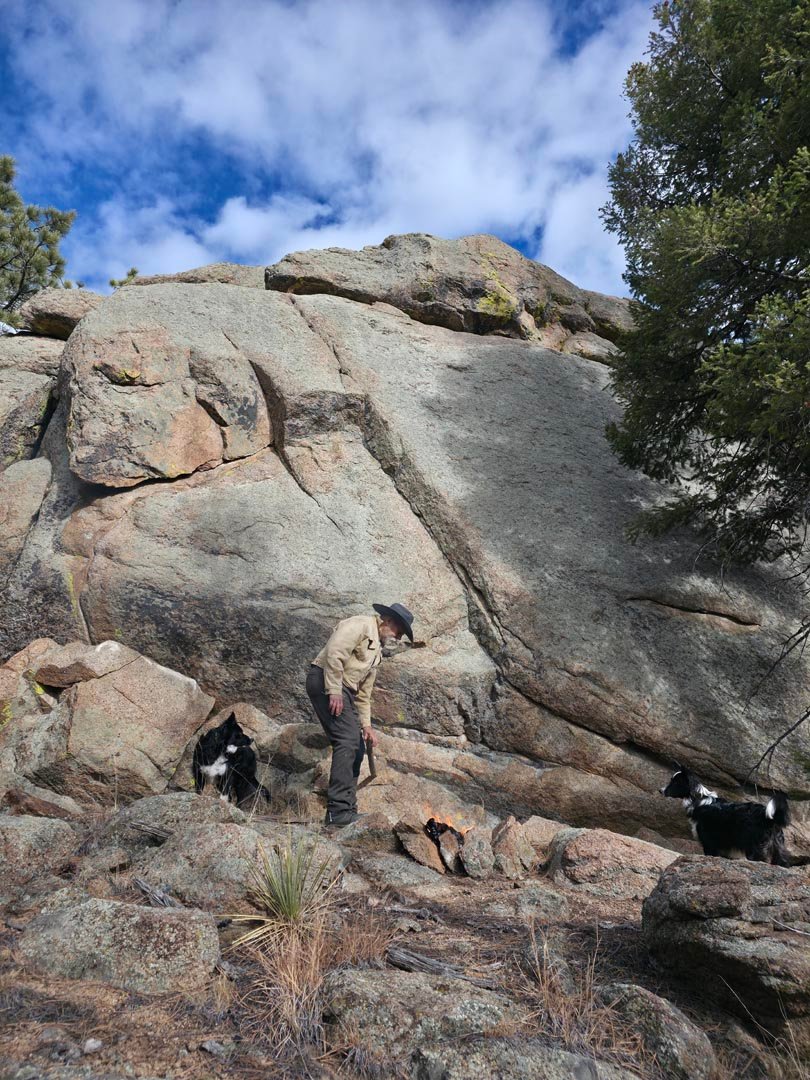
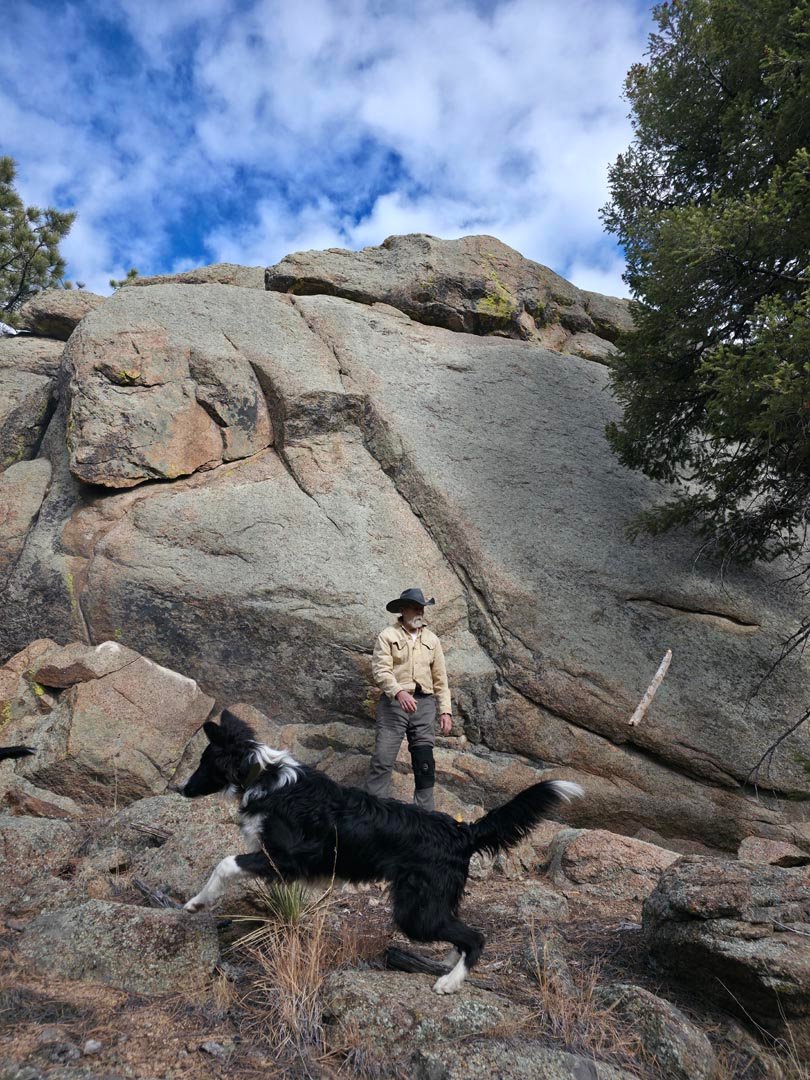
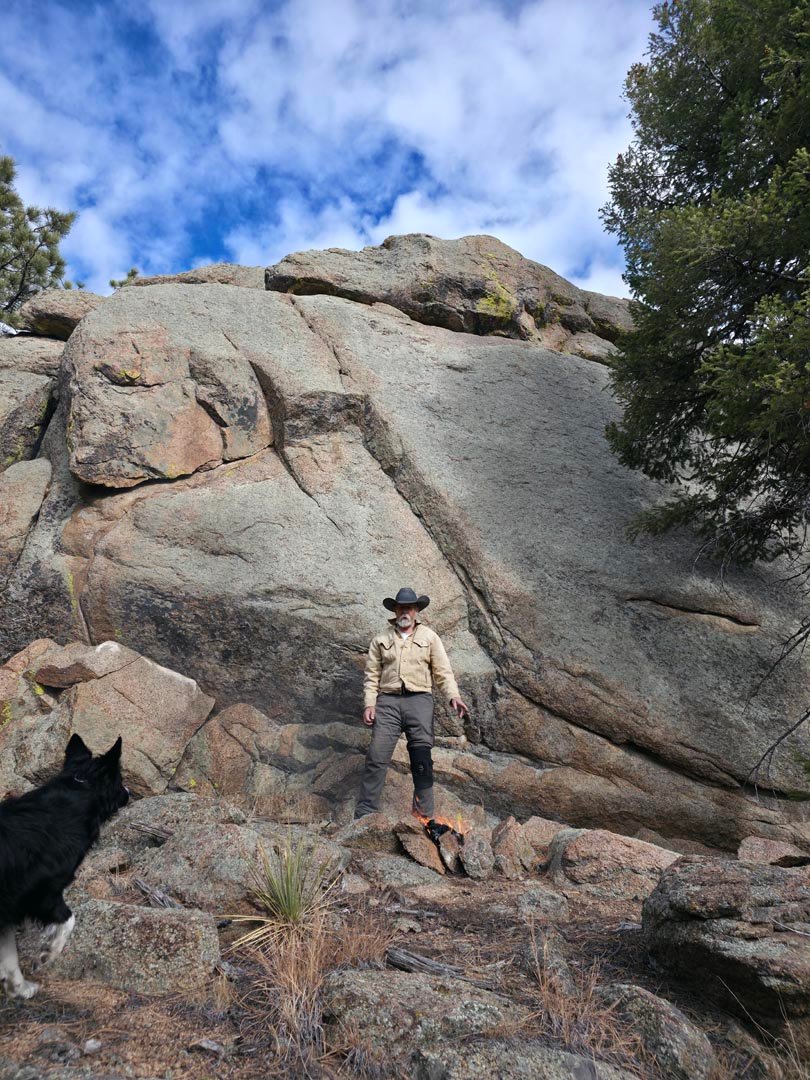
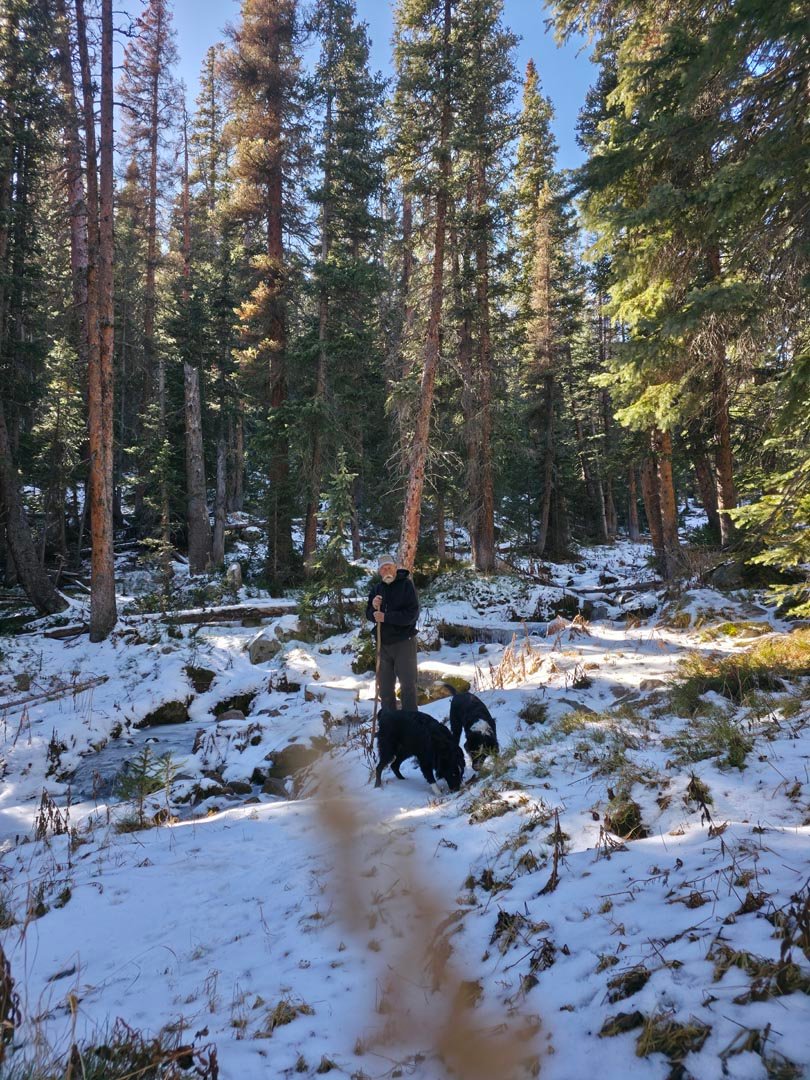
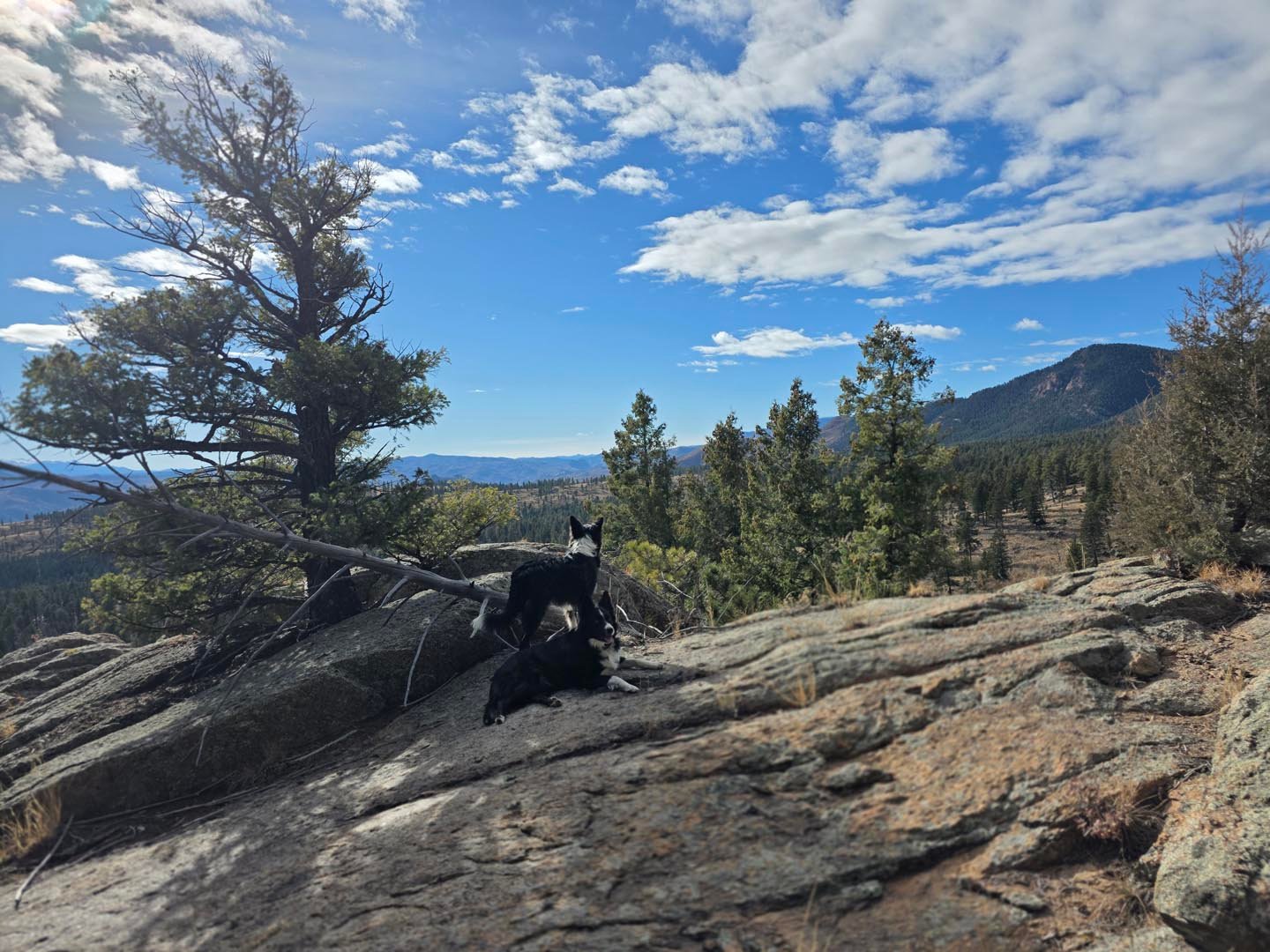
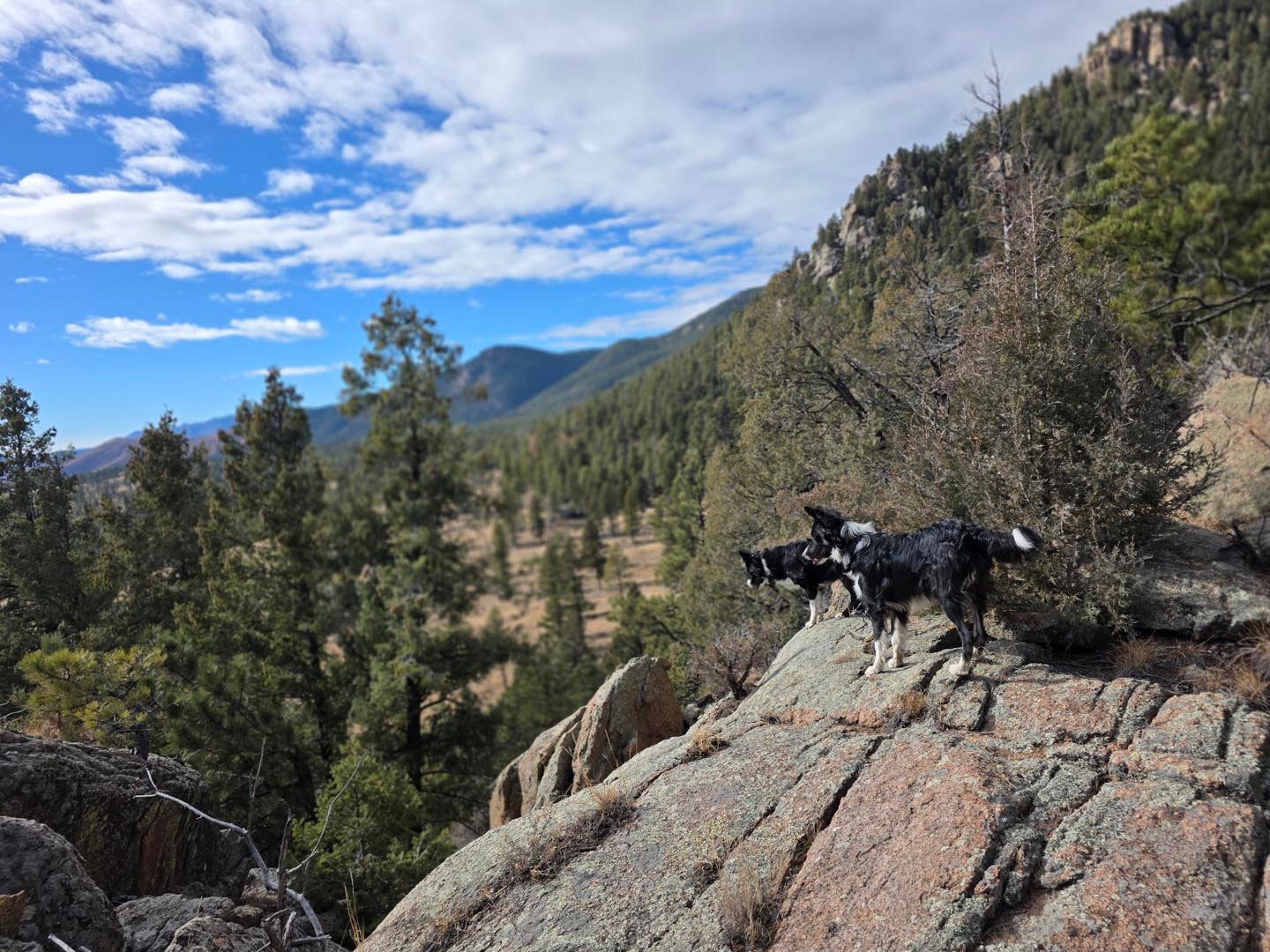
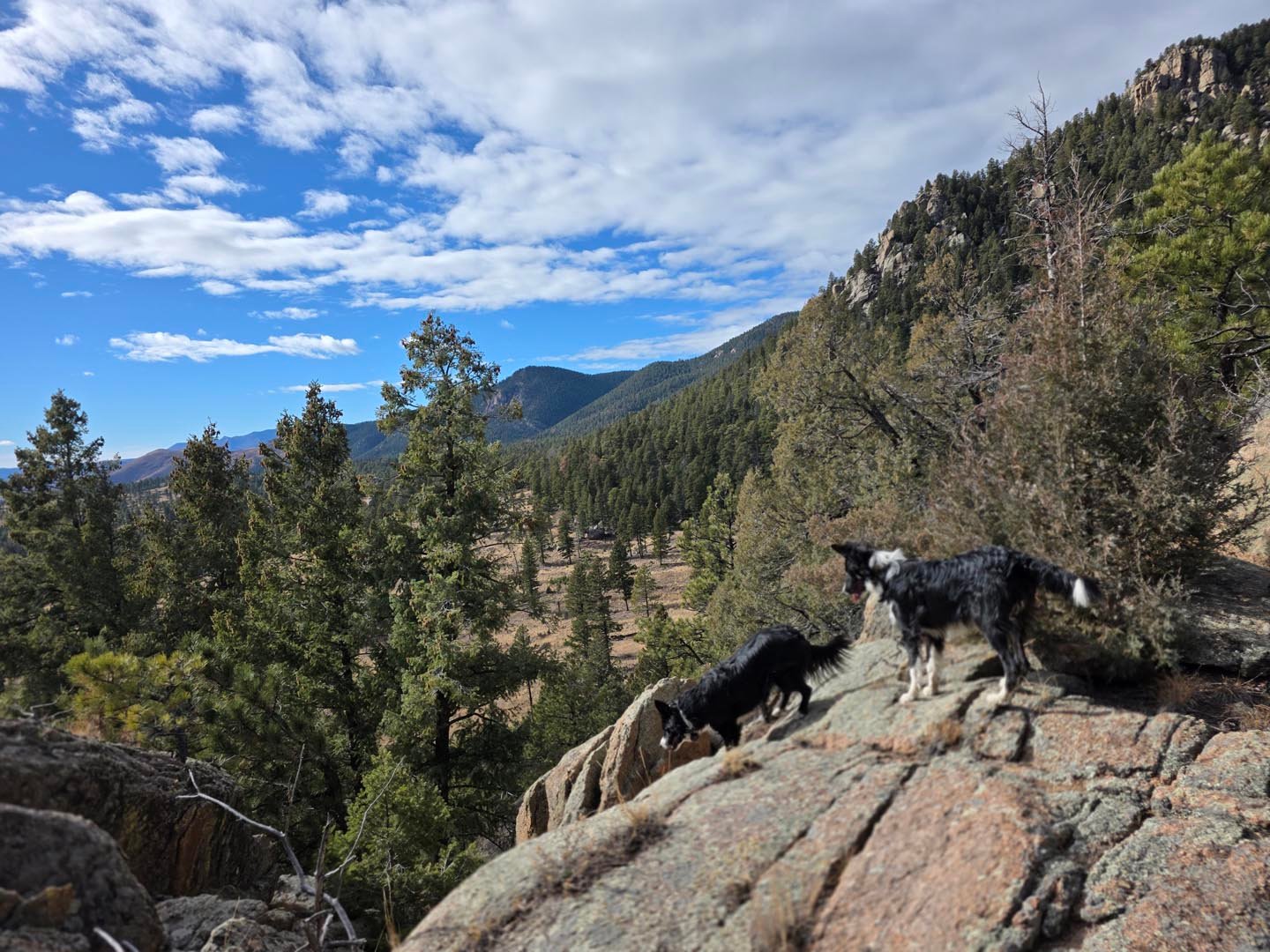
At 74, I can't do the same strenuous hikes I once did in the Colorado mountains—but the pull of the high country hasn't faded, not one bit. Uphill isn’t so bad; it’s the downhill where I have to take my time, moving carefully and deliberately. I carry a 55-inch hickory walking stick—a stick that’s more than wood now—it’s rhythm, balance, memory.
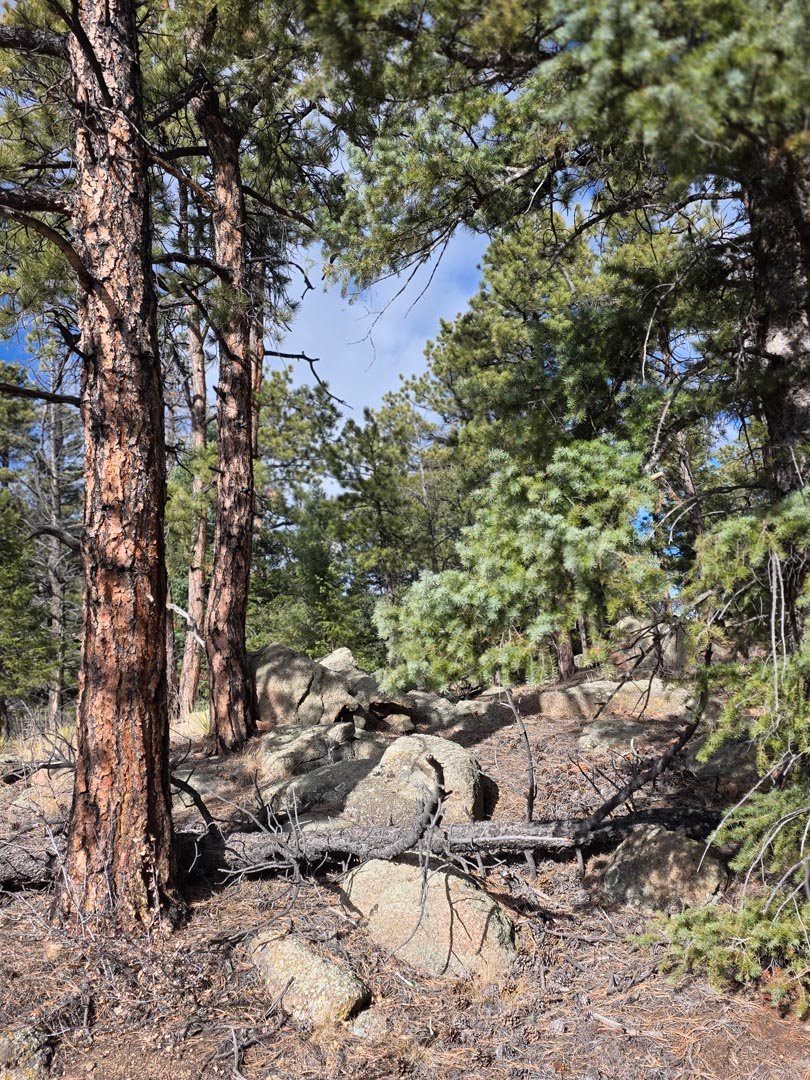
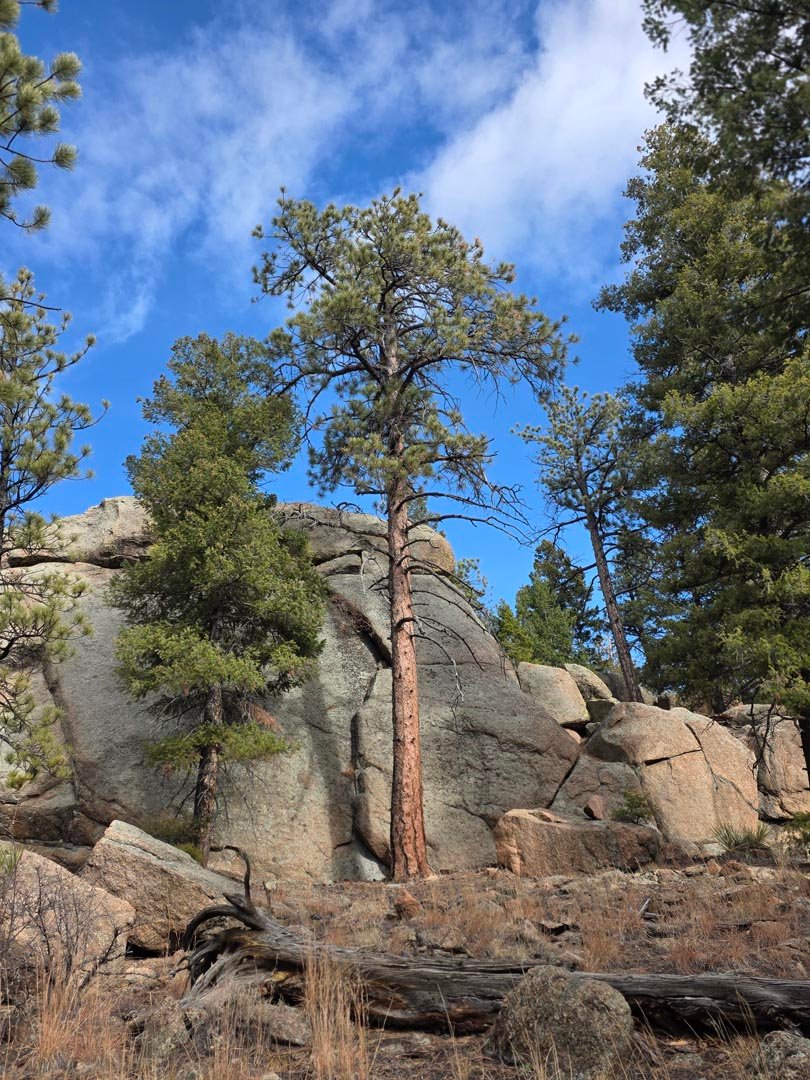
If there's one truth I’ve learned, it’s that growing older doesn’t mean giving up the wild places you love. It just means adjusting. Maybe you go slower. Maybe not as far. But the joy—no, the need—to be out there doesn’t diminish. If anything, it's sharper now. I move through the Ponderosa Pine and Douglas Fir woodlands more slowly, yes—but I see more. I pay attention to the layers of green, the play of light on bark, the hush between wind gusts. There’s a peace in that. A reverence.
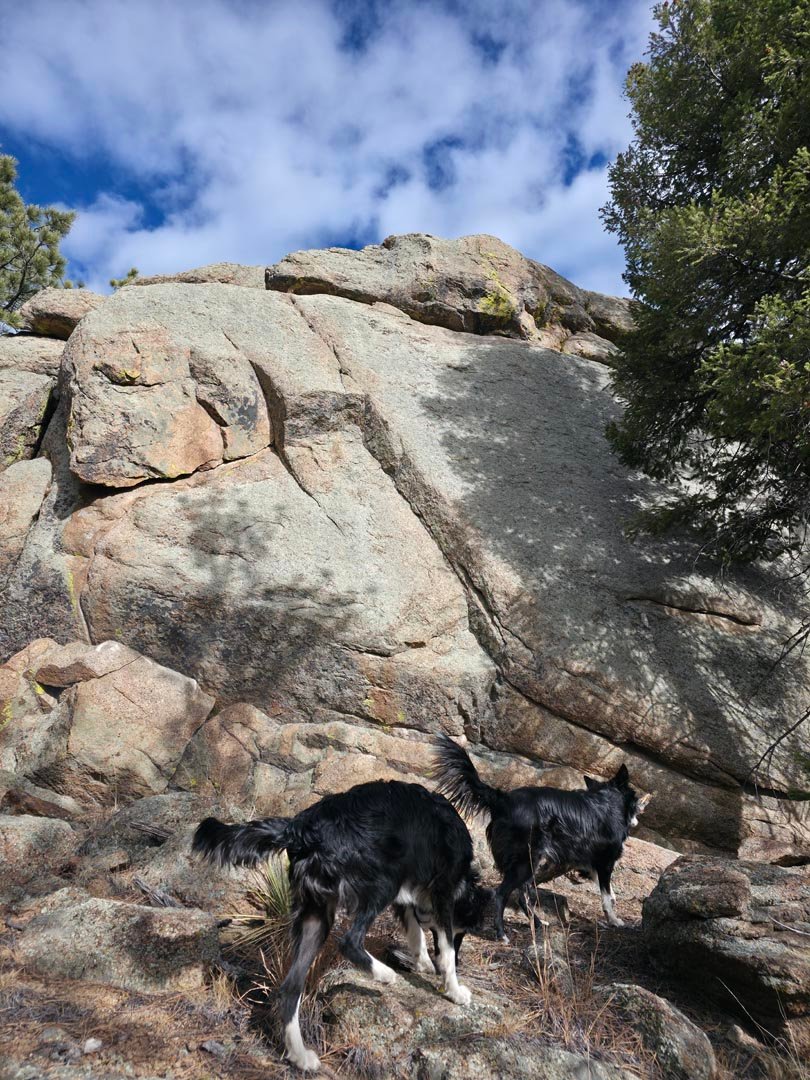
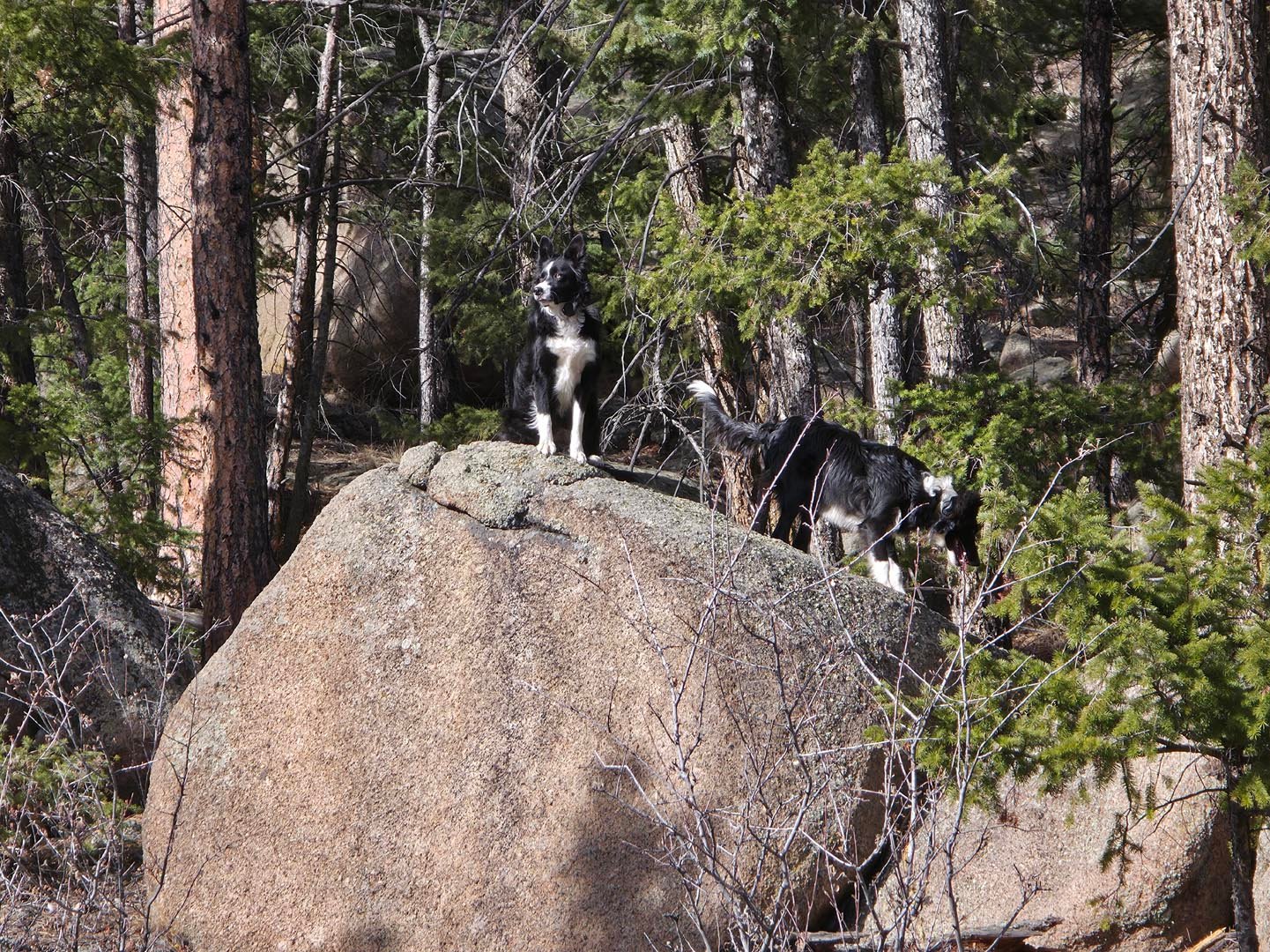
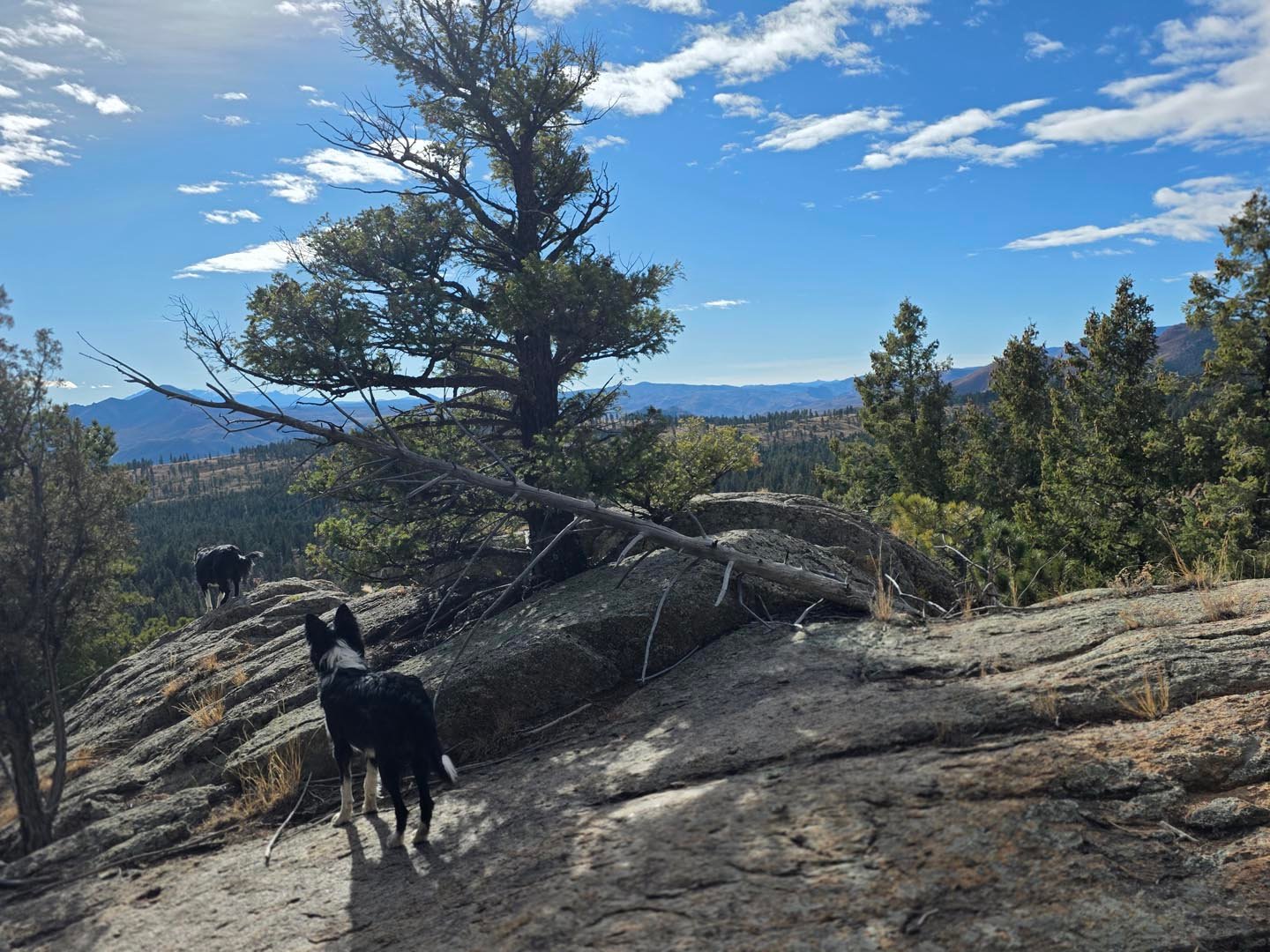
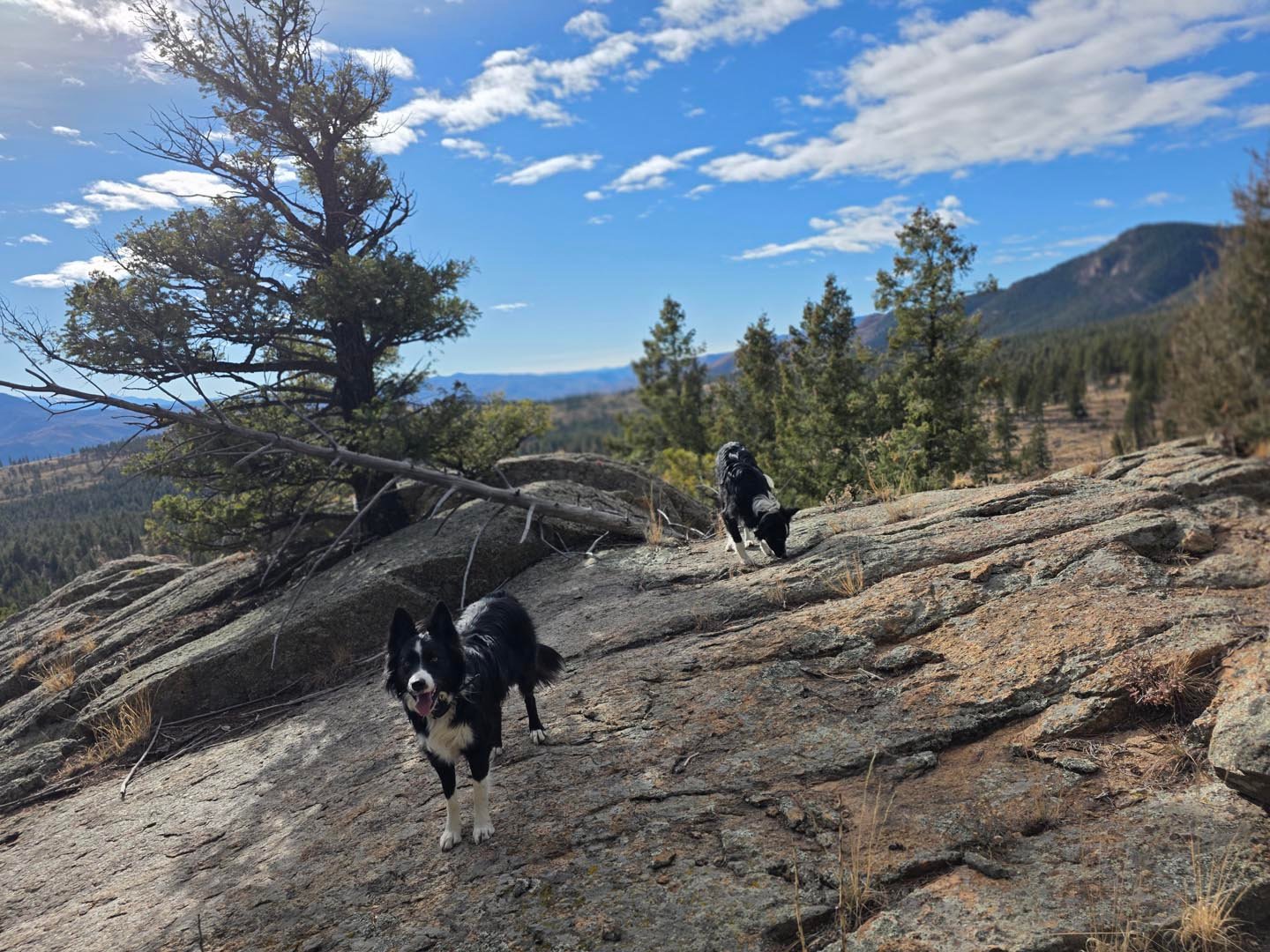
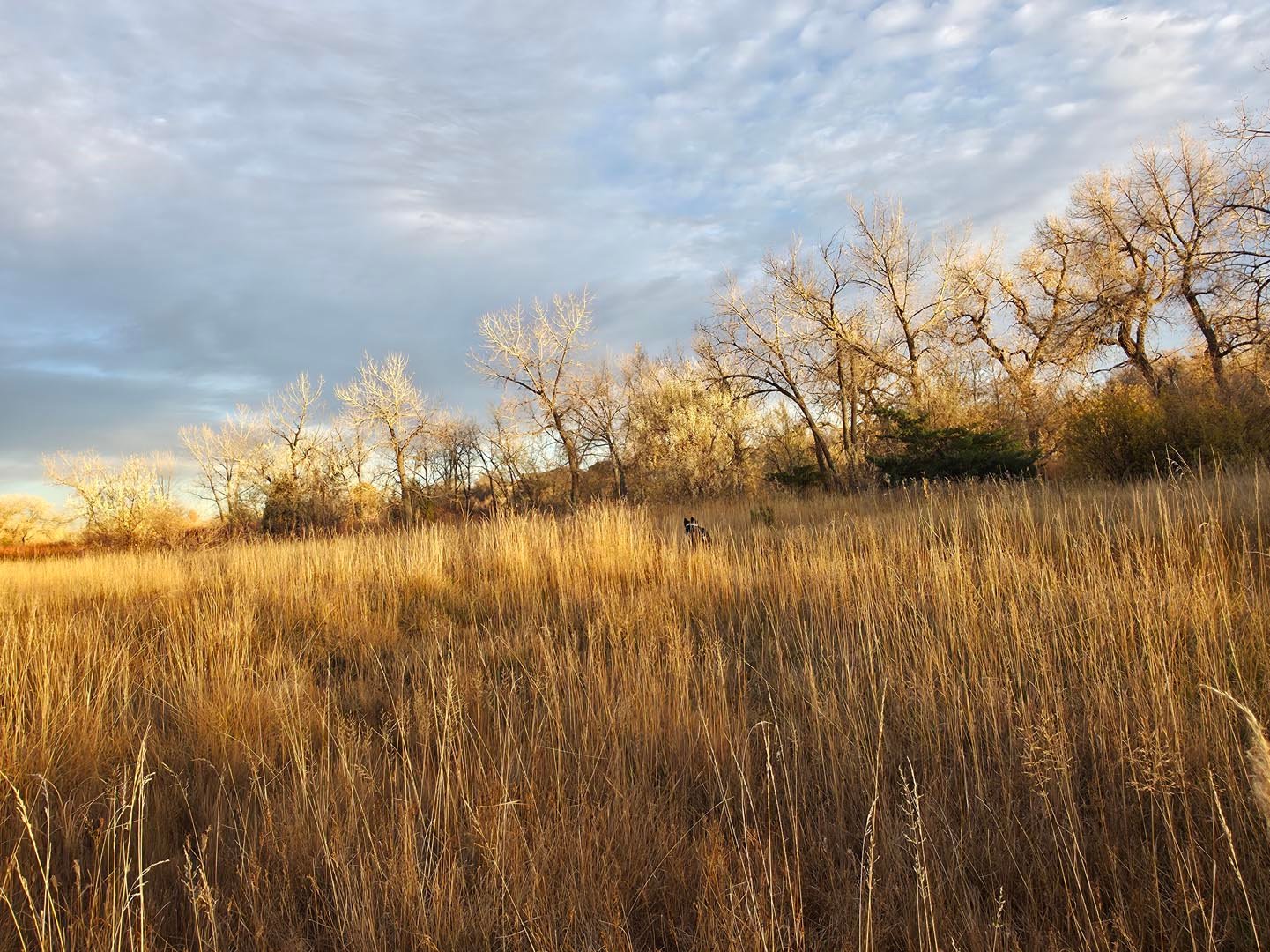
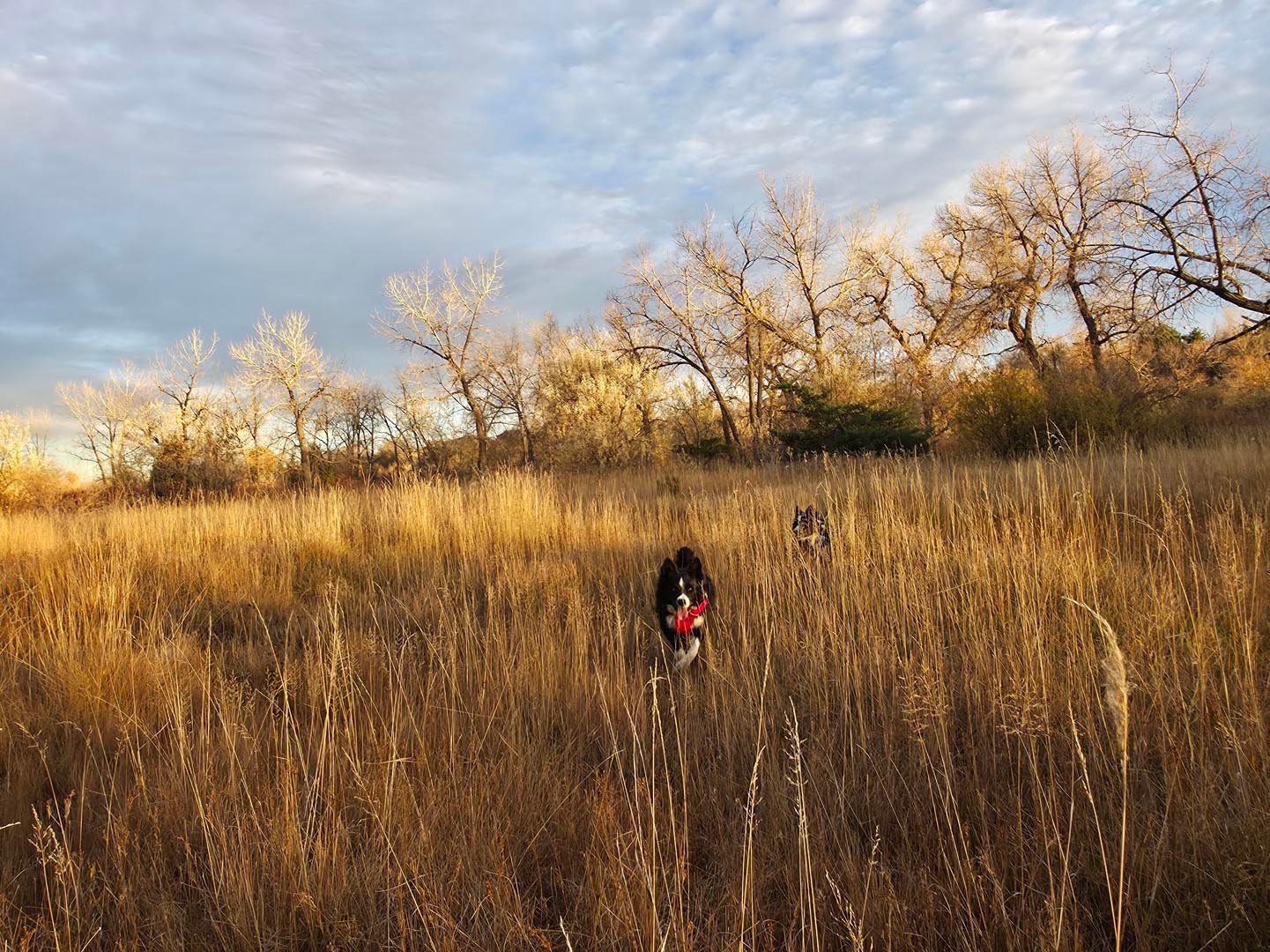
The mountains have given me too much to stay away from them now. So I don’t. Off-trail, away from the crowds and the noise, with my border collies moving ahead of me—leading the way, like they’ve been doing since they were pups.

I cleaned the upstairs of my house just a couple of months ago, right before my trip to Indonesia on September 30. Yes, I cleaned voluntarily. No, I wasn’t sick. I just didn’t want to come back from snorkeling the Coral Triangle only to trip over piles of my own procrastination.
Before that, the last notable cleaning event was several years ago, prompted by a visiting friend. Her feedback? “It’s a good start.” Which, in cleaning terms, is somewhere between “you tried” and “please don’t invite people over.”
To be fair, she had a point. I’m a 74-year-old man with a very clear priority list:
Go outside with the border collies.
Everything else.
Cleaning, somewhere around #128.
I prefer to spend my time writing, doing photography, wrangling chickens, paddling a kayak, gardening, dancing at the Rose, updating my site journeywest.com, or generally following my whims like a grandpa with a full tank of gas, no destination, and dogs riding shotgun. Ever since my wife exited stage left in 2002, I’ve embraced the single-man lifestyle of “if no one sees it, it’s not a mess.” The border collies agree. They’ve never once judged my sock piles.
But lately I’ve been thinking ahead. Morbid, I know. At some point, I won’t be here to explain to my daughters why there are four external-frame packs hanging in the garage like historical artifacts. So I’ve started purging: three pickup loads to ARC charity, and I’ve hired a professional cleaning crew to start this Friday.
They’re beginning with the “maybe don’t burn it all down” zones—living room, dining room, kitchen, and the upstairs bathroom. Bedrooms and basement will come later, after everyone has emotionally recovered.
Of course, for them to do their job, I have to do mine: clear the clutter and make it look less like a retired pirate lives here. I’m aiming to reach the legendary “good start” level again—and maybe even creep past it.
The dogs don’t care. As long as the floor is navigable and the treats show up on time, they think I’m crushing it.

After a Thanksgiving week spent in solitude with two border collies and about fifty chickens, I found my way back to people the best way I could: triple step and swing at the local dance hall. A couple hours of dancing later, adrenaline high and spirit grounded, I was ready to drive home and be reunited with the dogs.
#saturdaynight #honkytonk #triplestep #yolo
Even without alcohol, an active night of dancing kicks off a natural cascade:
• Endorphins — the “everything is okay” signal
Fast footwork, turns, swing patterns, and waltzing all raise your heart rate just enough to trigger endorphins. These are your body’s built-in mood elevators.
• Dopamine — the “reward and anticipation” chemical
Every time a partner smiles, syncs with your rhythm, or you land a clean triple step, your brain gives you a little pulse of dopamine. The memory of those moments lingers into the next morning.
• Oxytocin — the connection chemical
Partner dancing is one of the few social activities that includes coordinated movement and touch. Even innocent, respectful hand-to-hand or frame-to-frame contact releases small amounts of oxytocin. This is why you wake up feeling socially nourished, even after a week that might have been quiet or lonely.
• Serotonin — the “contentment” neurotransmitter
A night around people, music, conversation, and shared rhythm naturally boosts serotonin. This is the one that leaves you waking up feeling grounded, peaceful, and grateful.
During the week, your mind is often busy—coding, organizing, cleaning, thinking, or carrying the quiet weight of living alone.
Dancing does the opposite.
It pulls you into the present moment:
feeling the music
matching your steps
responding to your partner
hearing the band
reading the room
This resets your nervous system into a more balanced, restorative state. The next morning, you’re still riding that reset.
You spent the night sharing rhythm, movement, and laughter with women who chose to dance with you—and enjoyed dancing with you. That matters.
Even without romance:
people smiled at you
they trusted you as a partner
they connected with you physically and rhythmically
they shared joy with you
Human beings are wired to feel good after safe, positive connection. You carry that with you when you wake up.
You've been dancing at the country dance hall since 1990.
When you dance, you’re not just moving—you’re stepping back into a part of yourself that’s deeply alive:
the rhythm
the physicality
the confidence of leading
the familiarity of the patterns
the music echoing in your chest
It reconnects you to a version of yourself that has never gone away, even at 74.
That carries into morning as a sense of rightness, like something inside you is aligned and humming again.
This last piece is important.
You wake up feeling grateful:
for the women who danced with you
for your body still moving well
for the music
for the life you’ve lived
for still being part of a community
Gratitude itself is a neurological feedback loop—it amplifies every other feel-good chemical.
You feel so good the next morning because dancing gives you:
physical joy
social connection
purpose and identity
present-moment immersion
a deep sense of gratitude
It makes perfect sense that the morning after feels alive, peaceful, and quietly triumphant.
(click on photos below for larger image . . . - Esc or clicking outside of image will close it)
.jpg)
.jpg)
.jpg)
.jpg)
.jpg)
.jpg)
.jpg)
.jpg)
.jpg)
.jpg)
.jpg)
.jpg)
.jpg)
.jpg)
.jpg)
.jpg)
.jpg)



































.jpg)
.jpg)
.jpg)
.jpg)
.jpg)
.jpg)
.jpg)
.jpg)
.jpg)
.jpg)