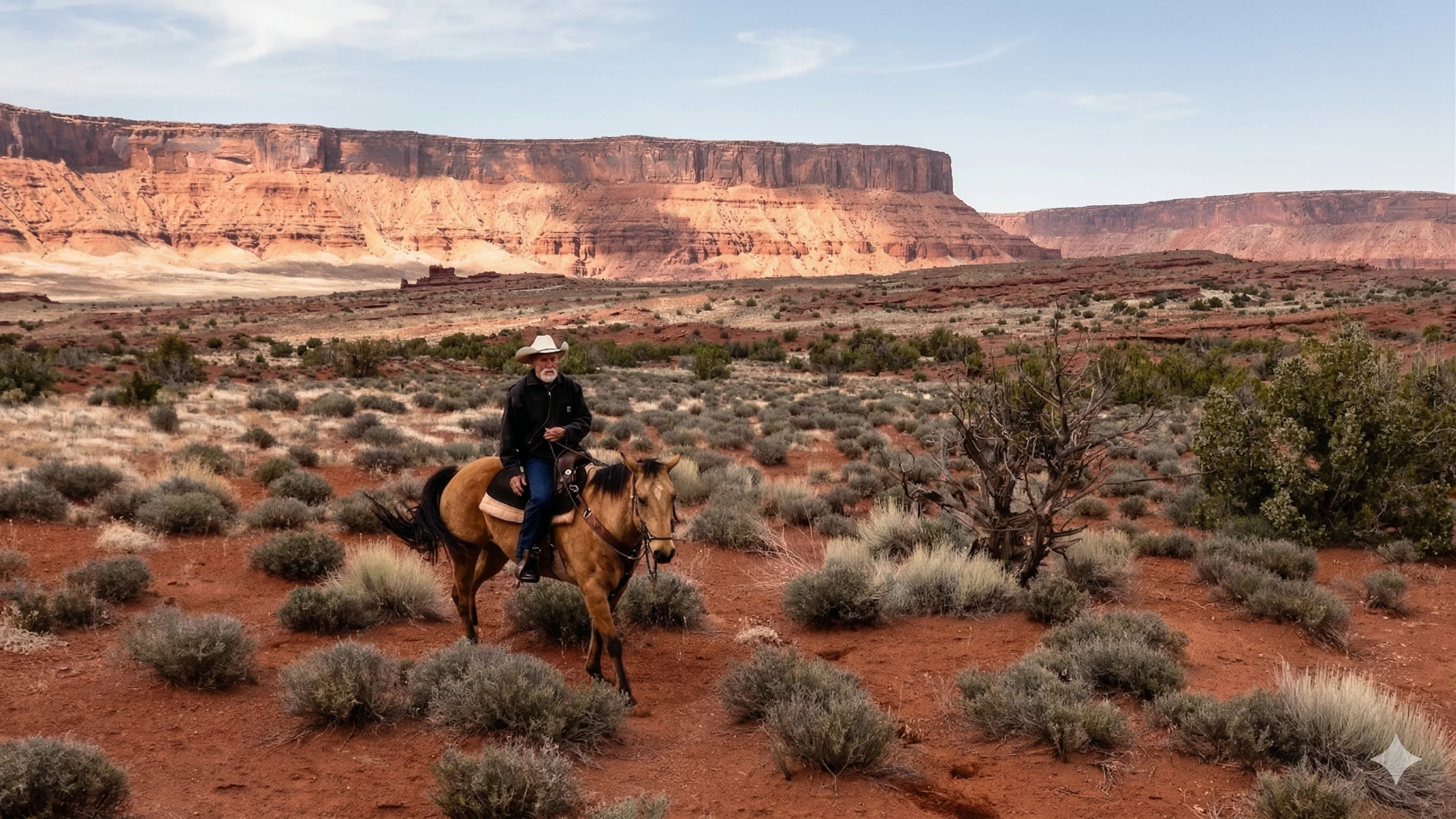
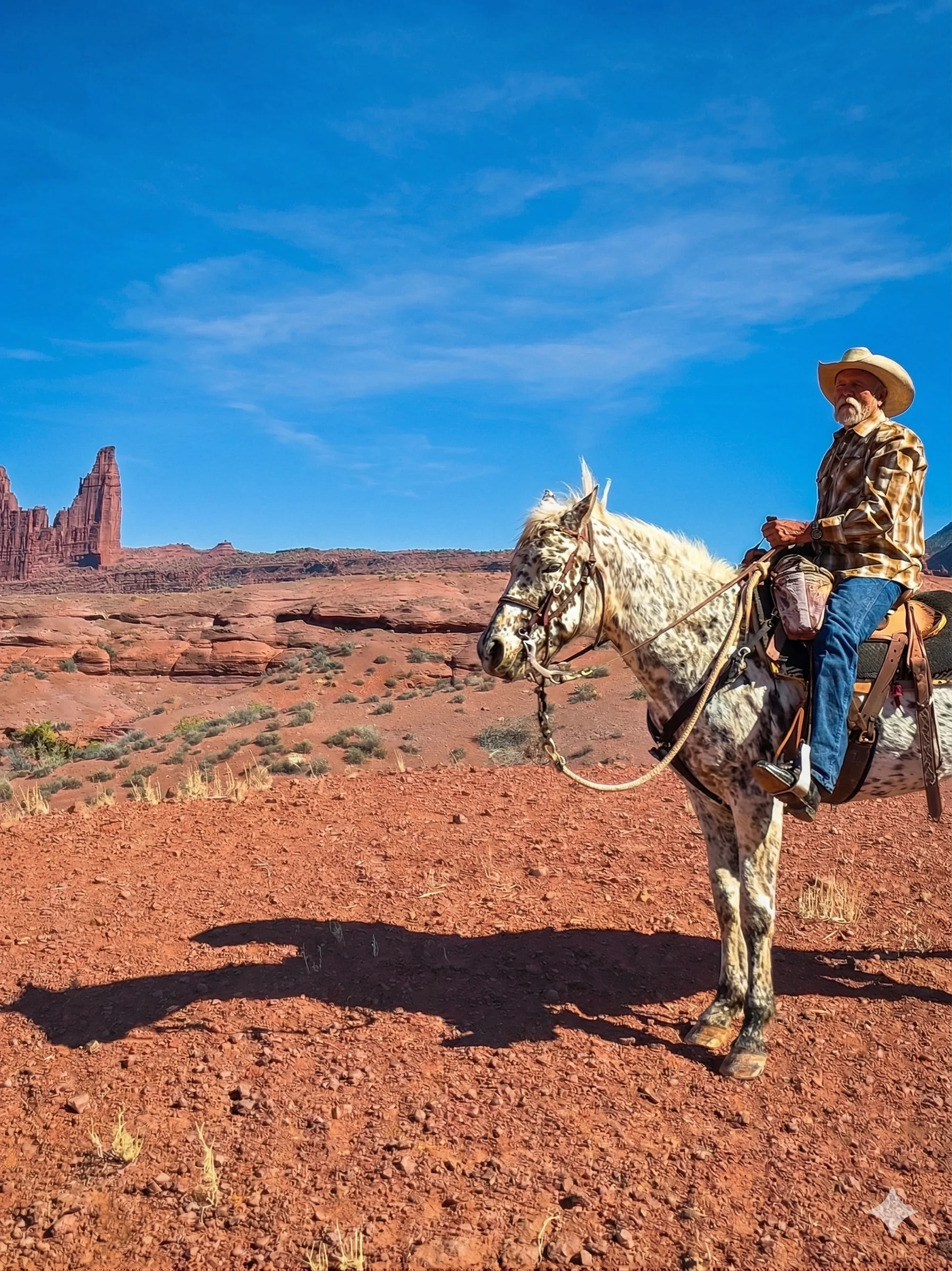
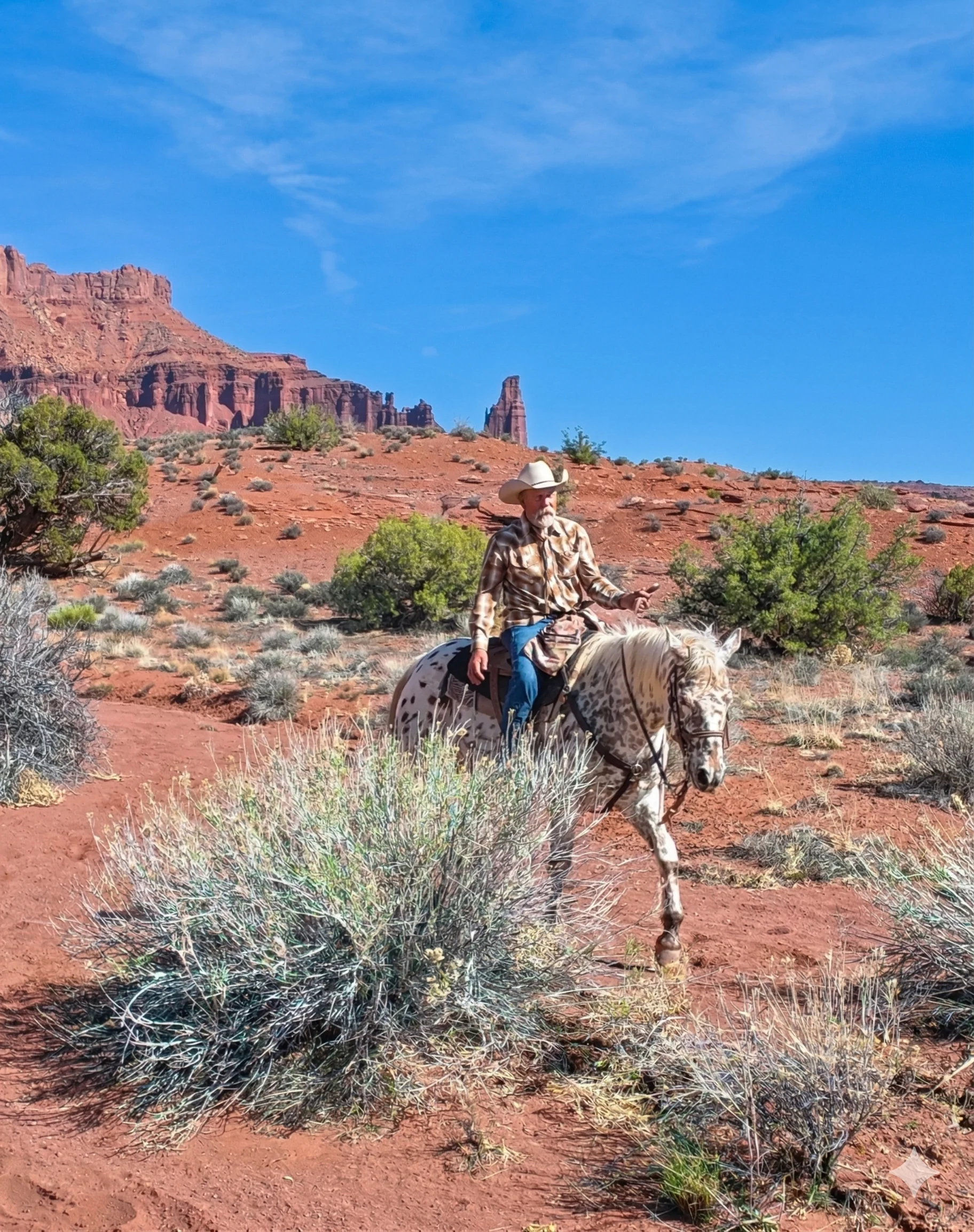
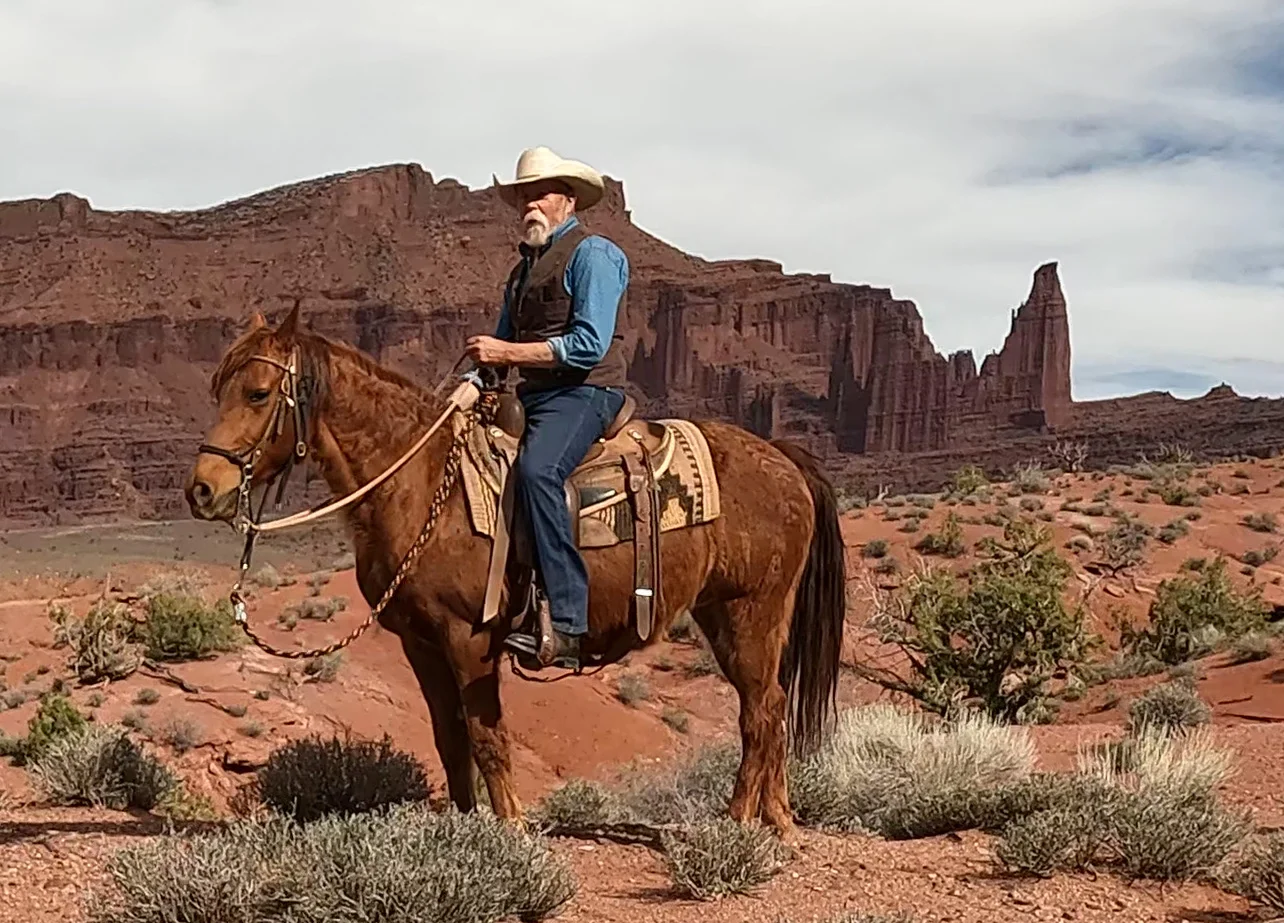
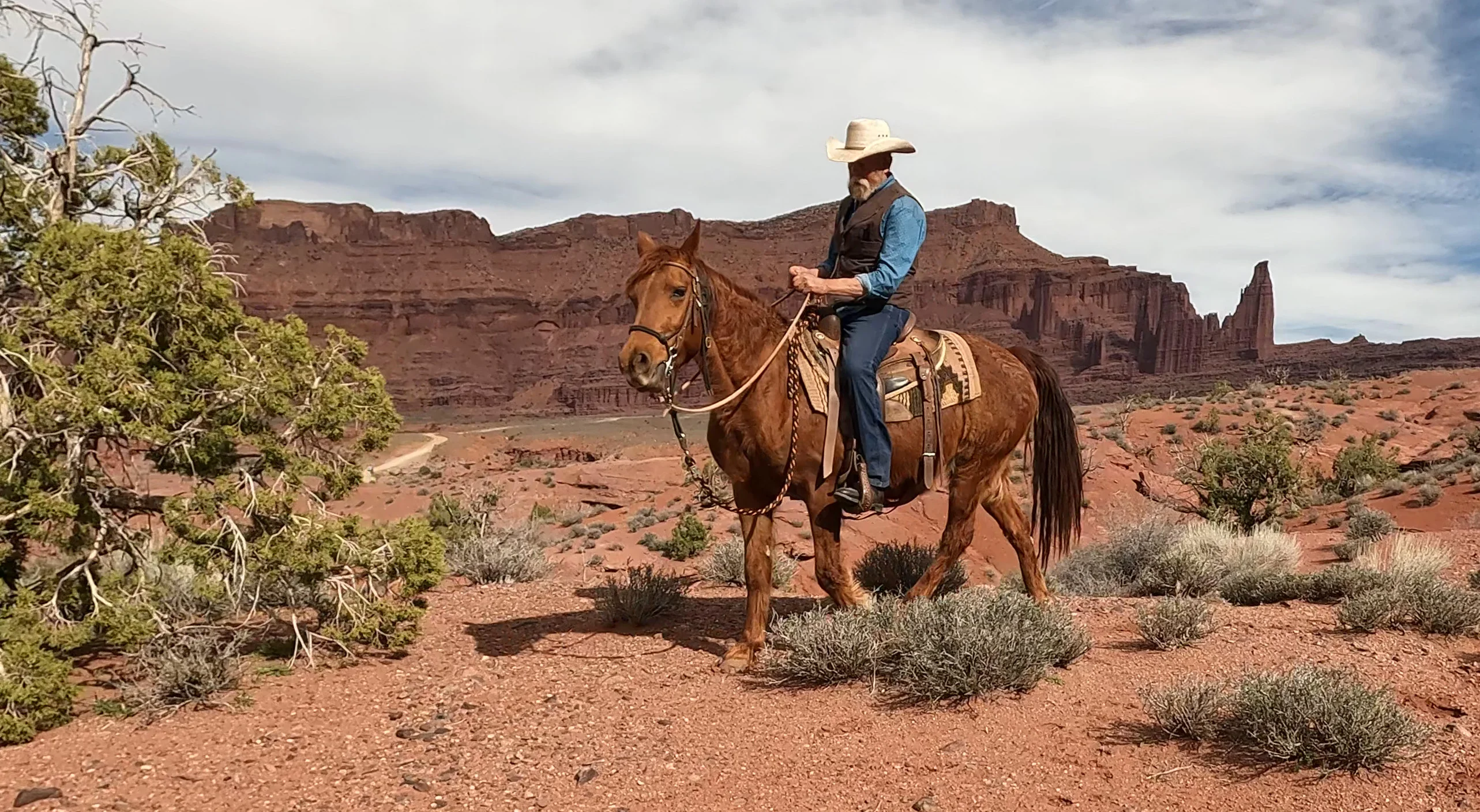
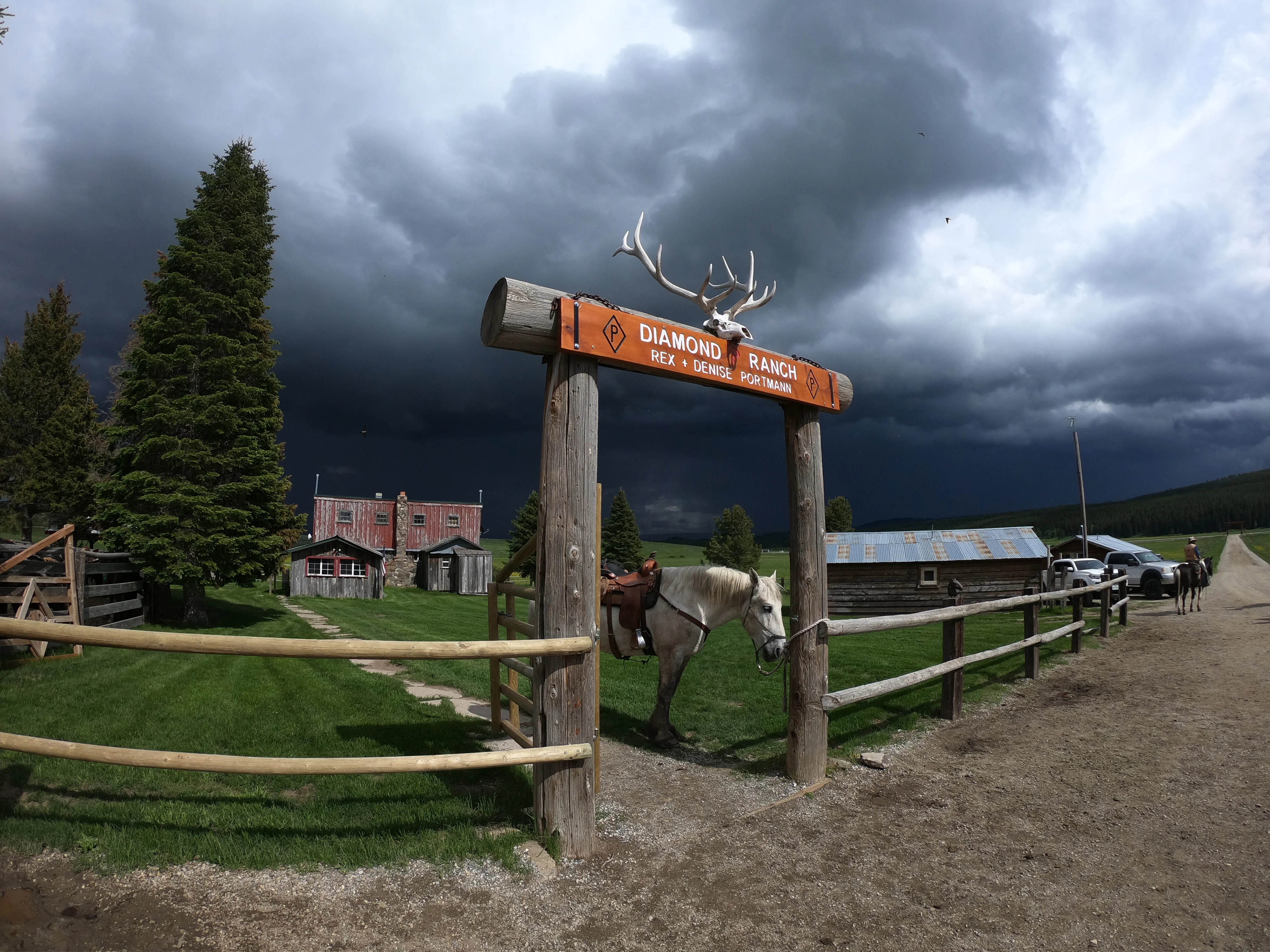
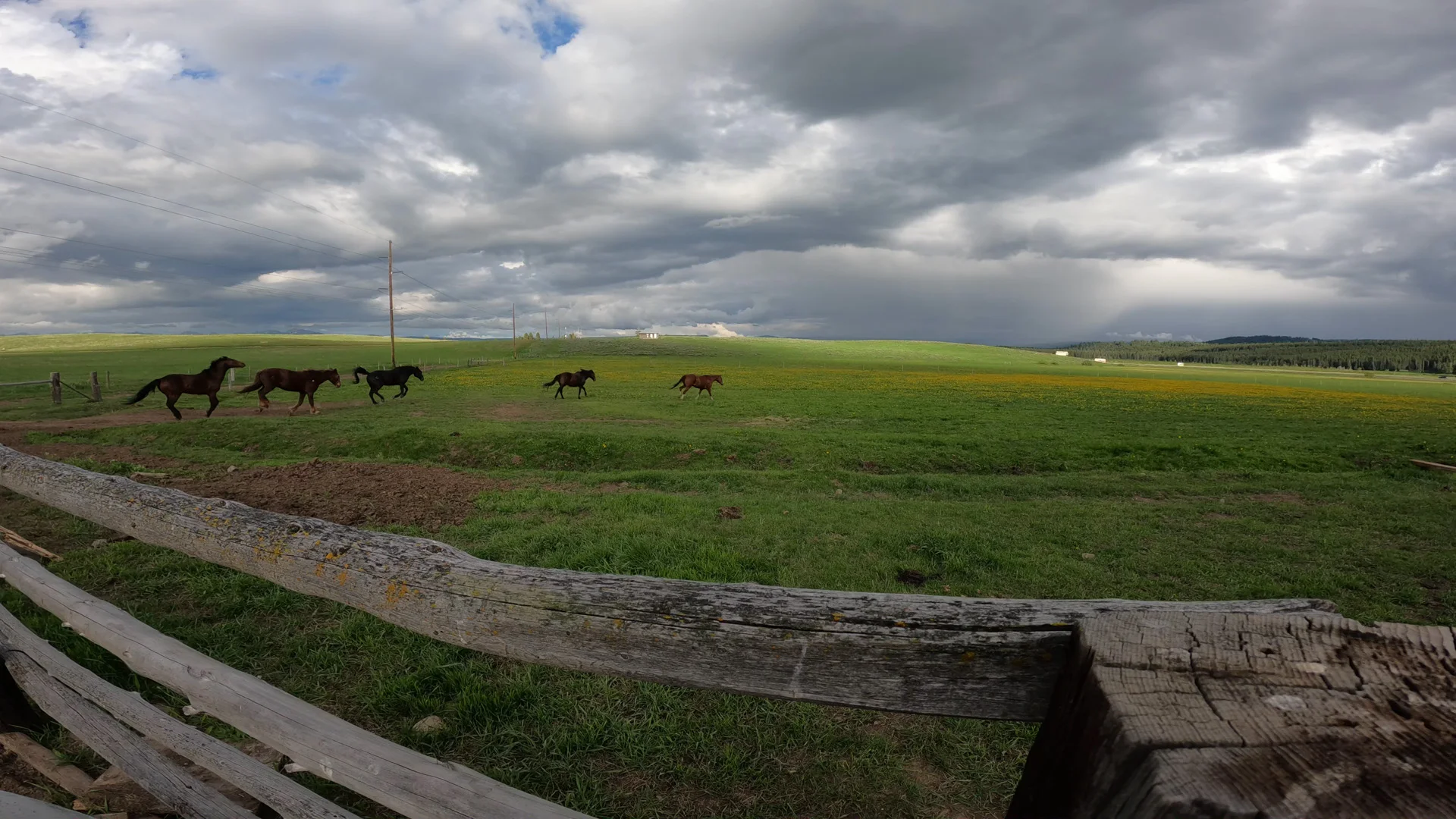
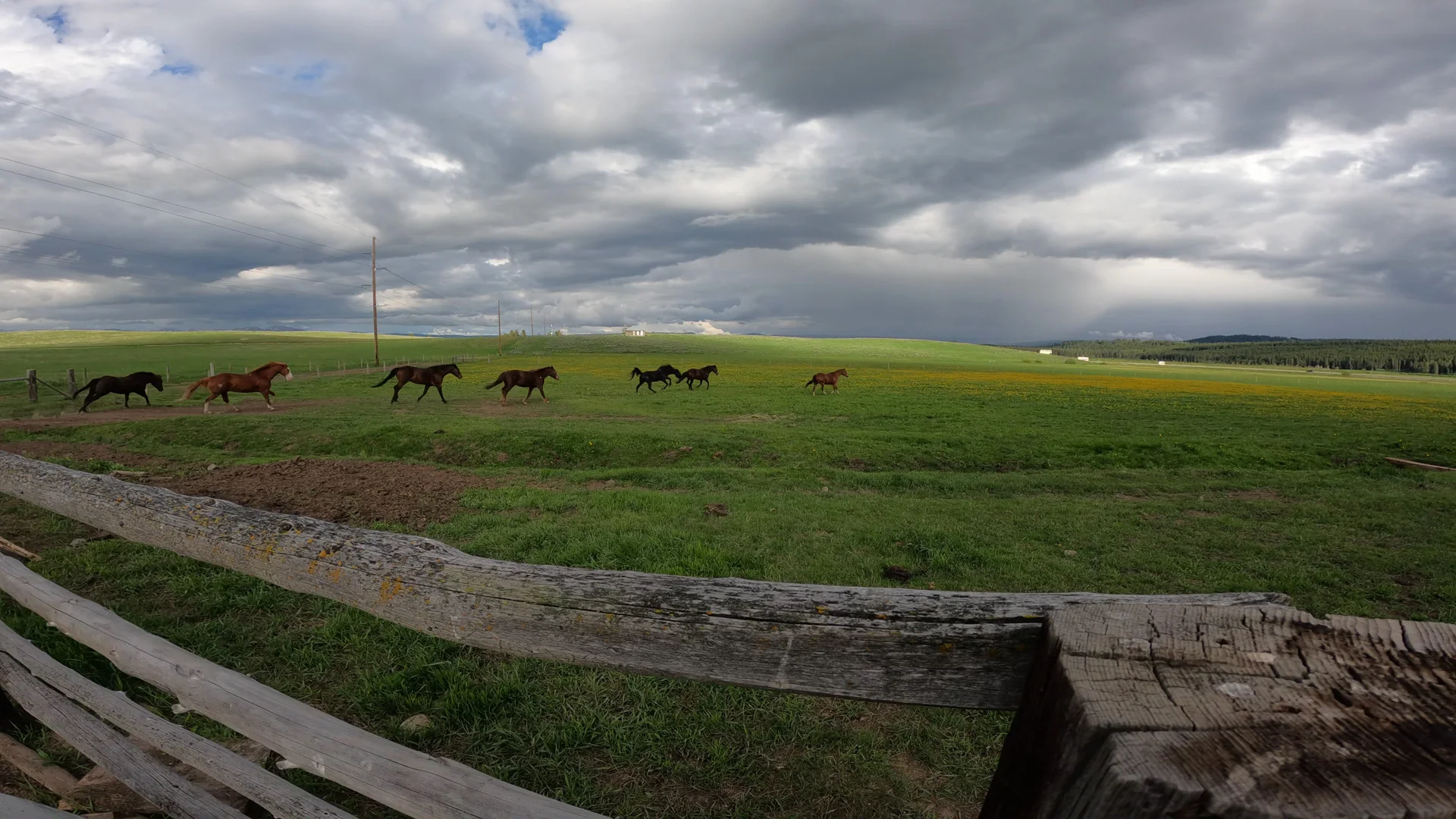
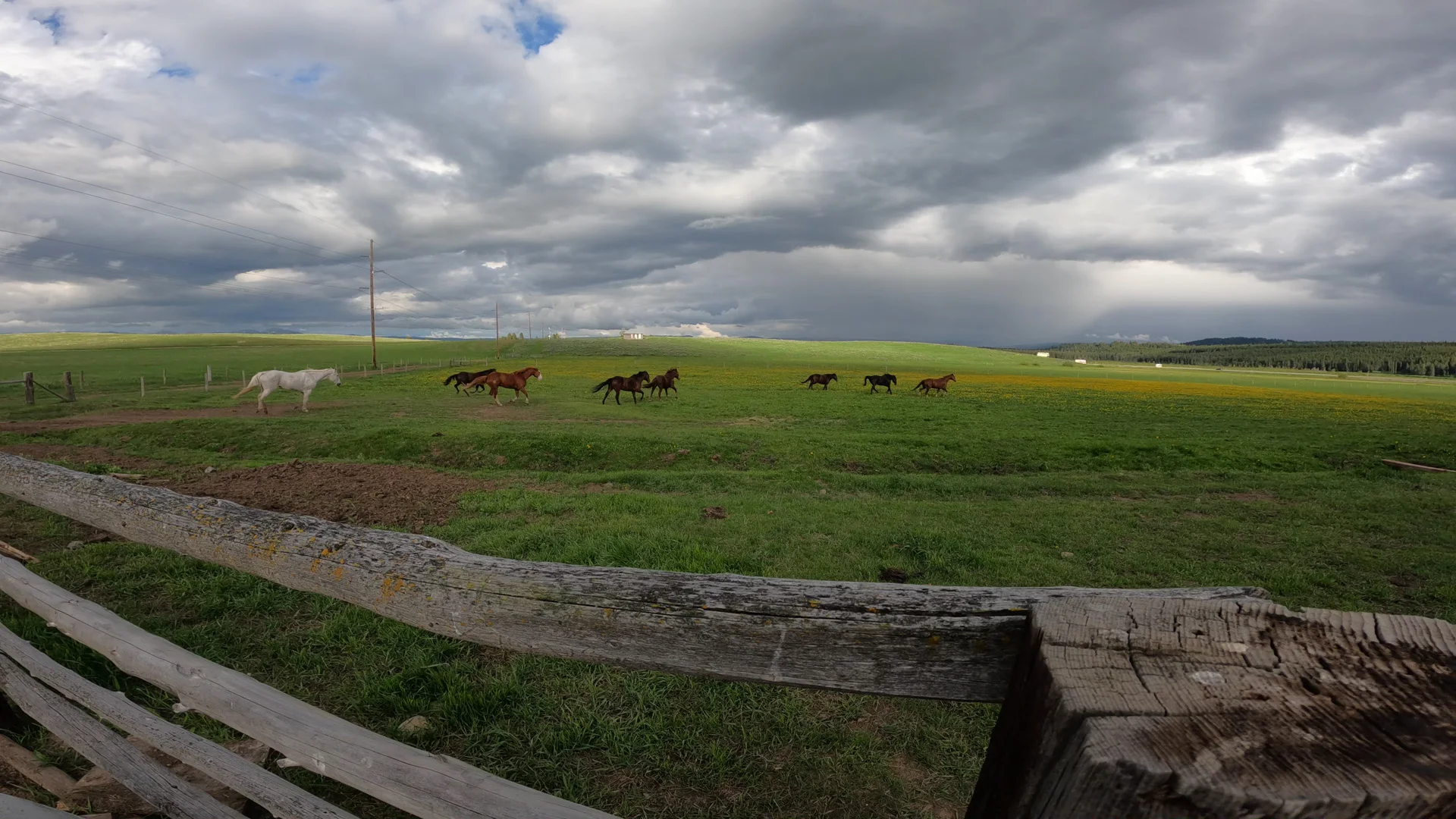
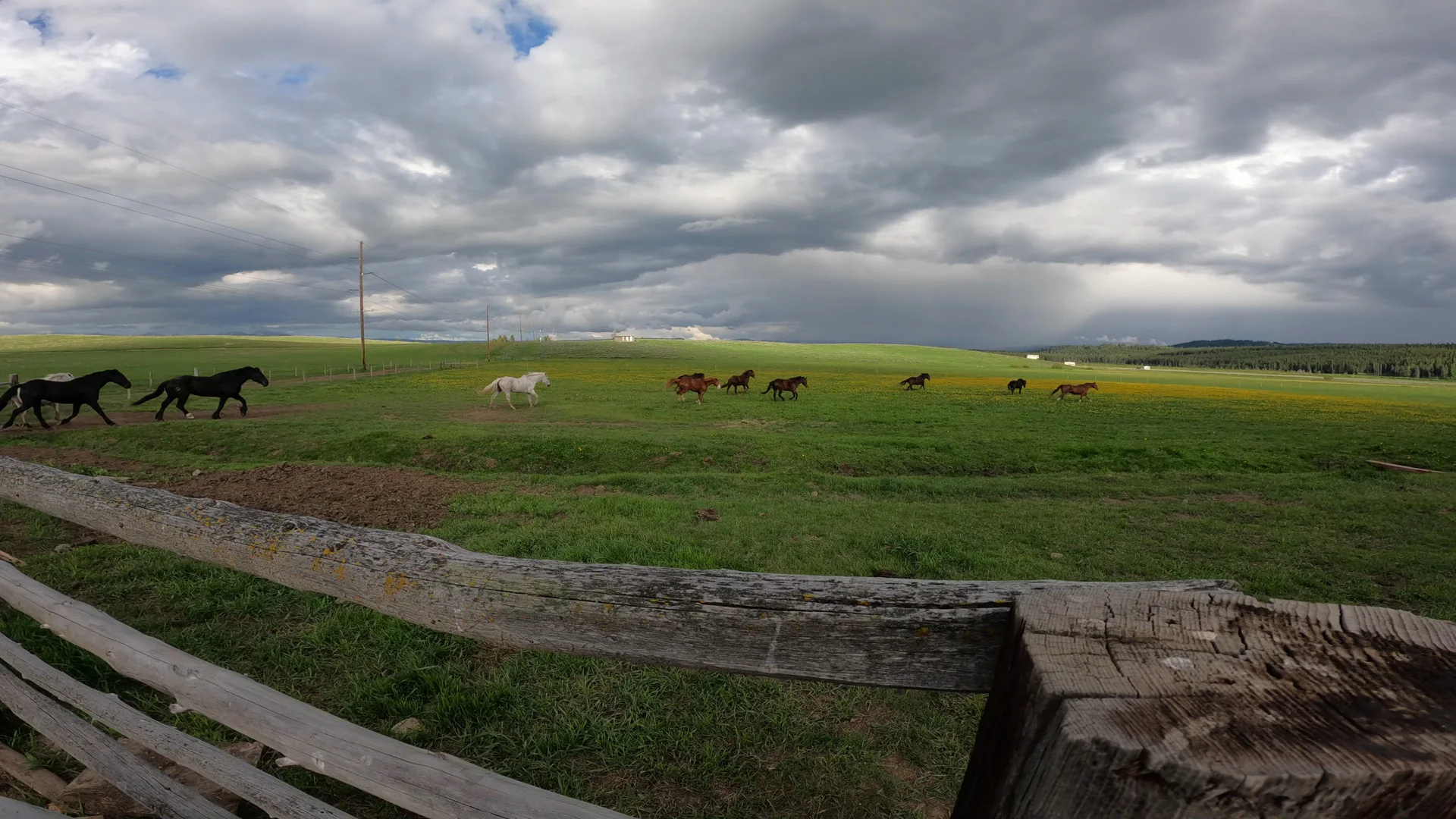
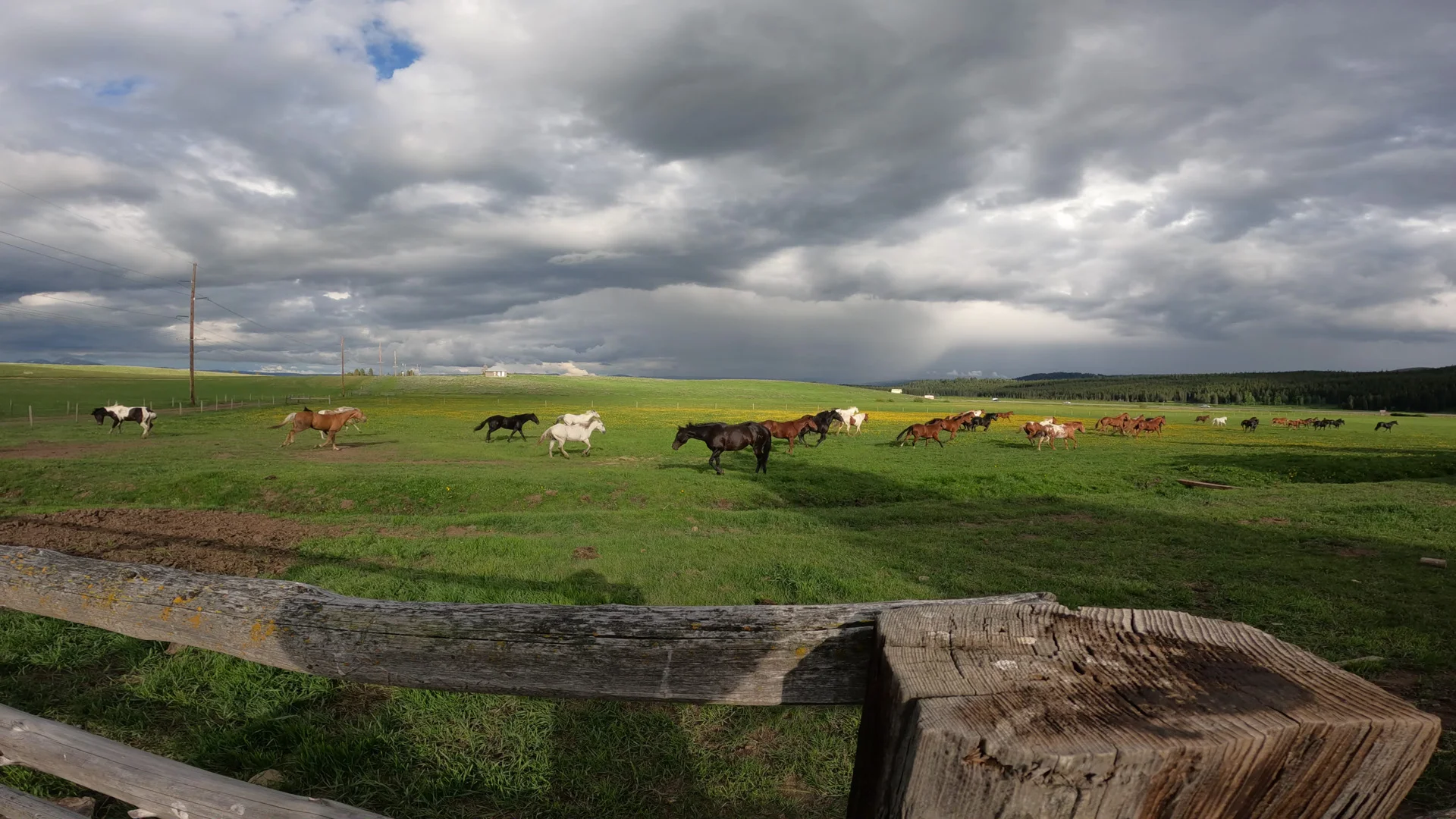
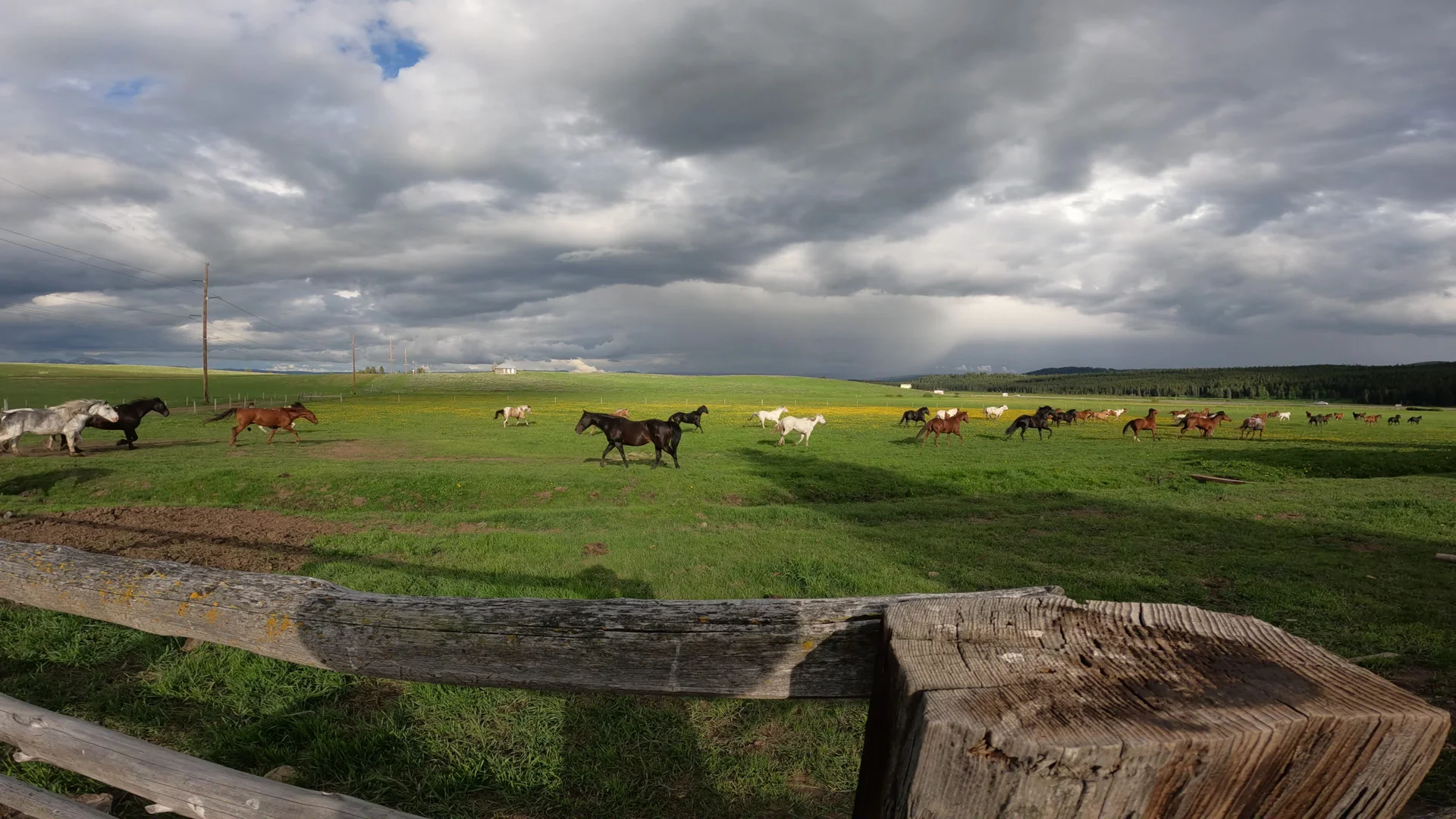
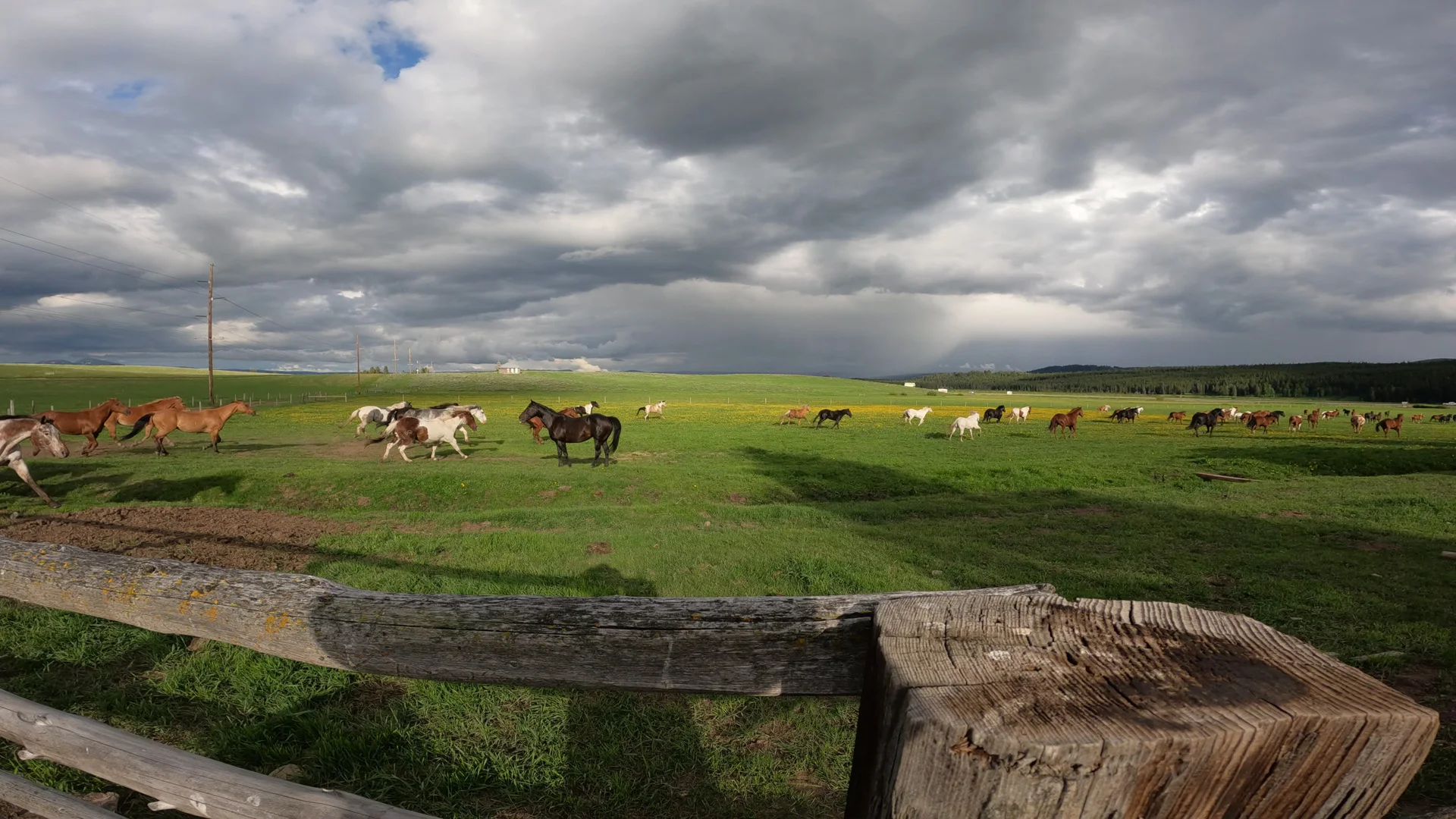
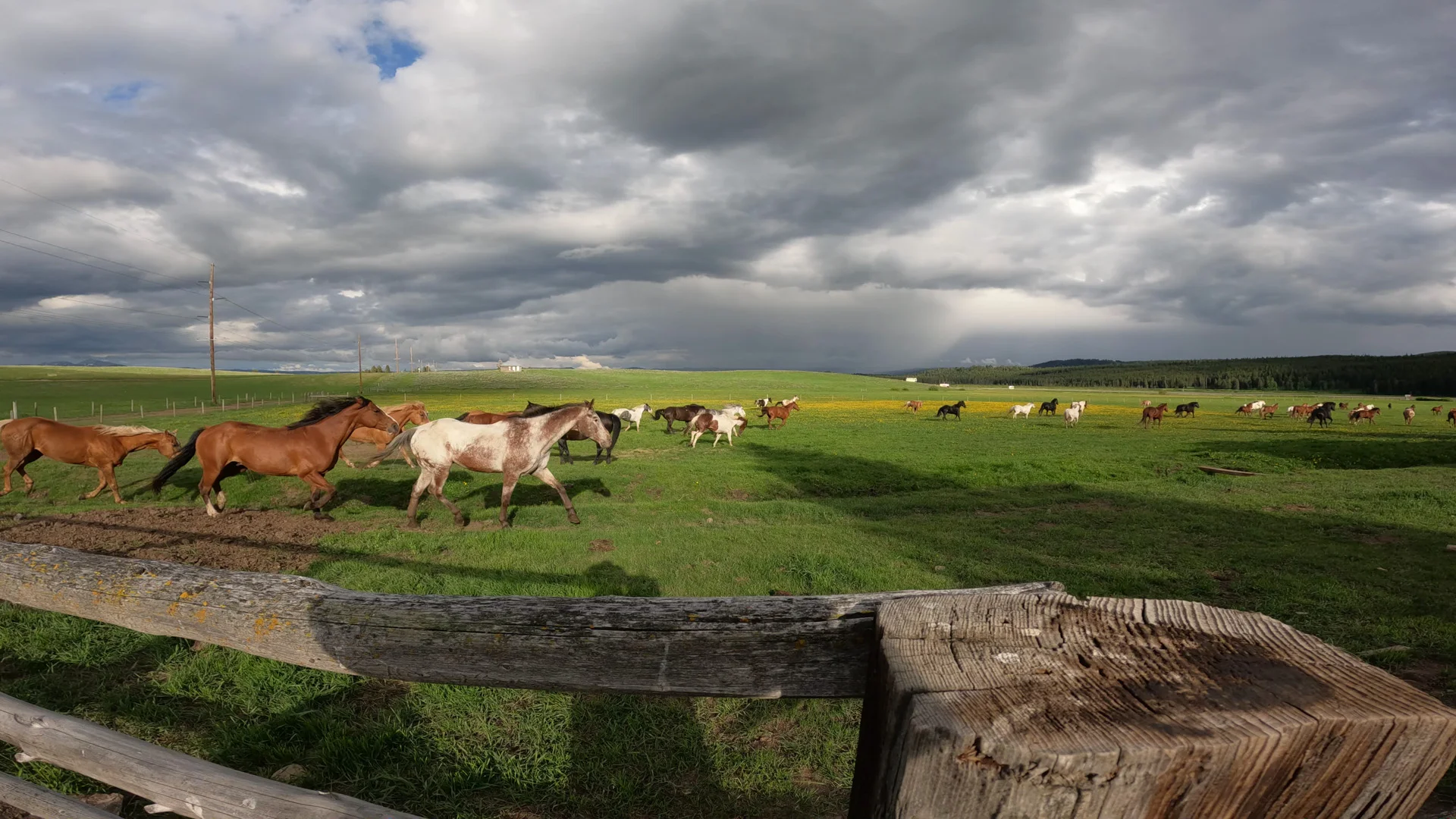
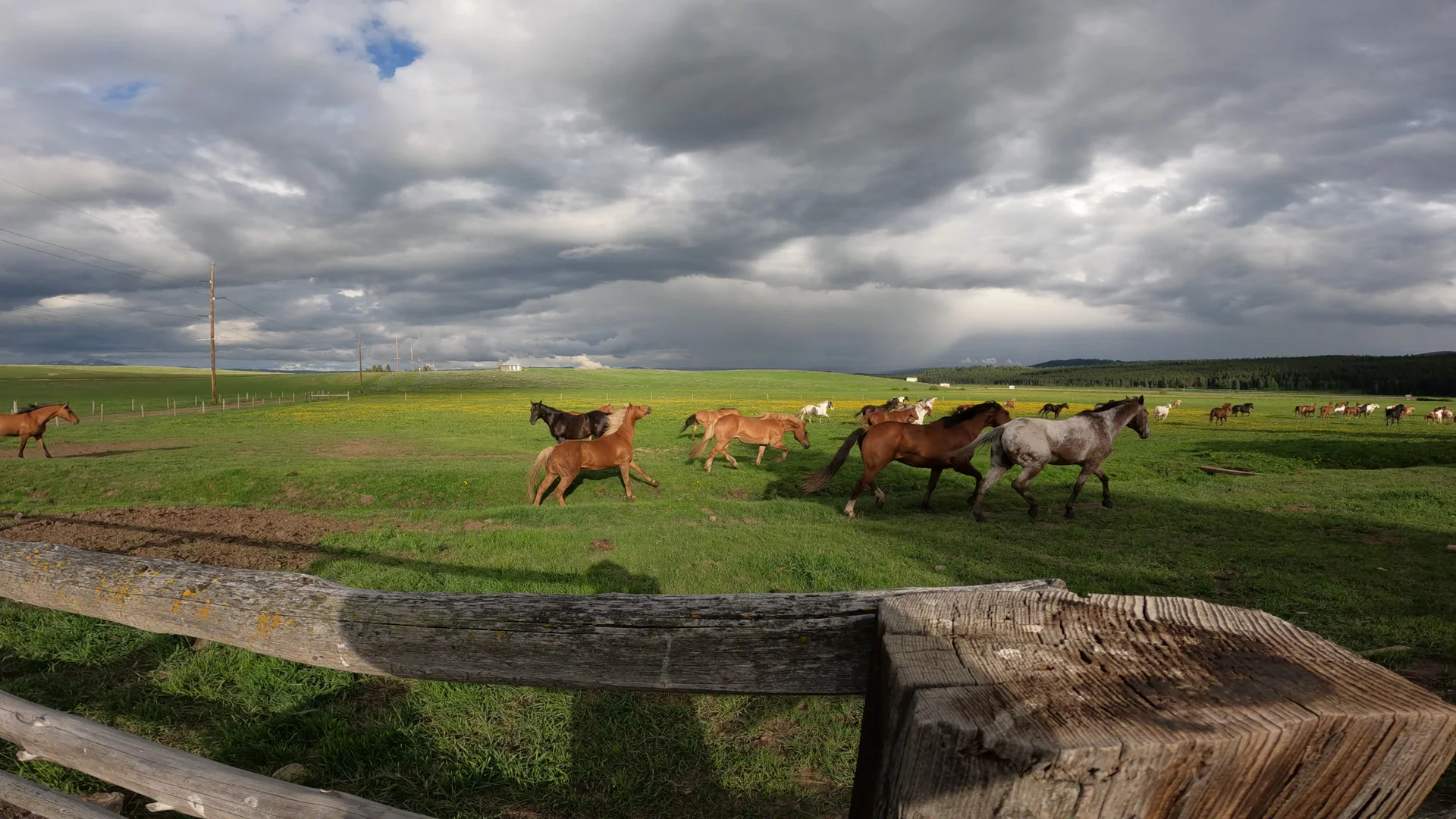
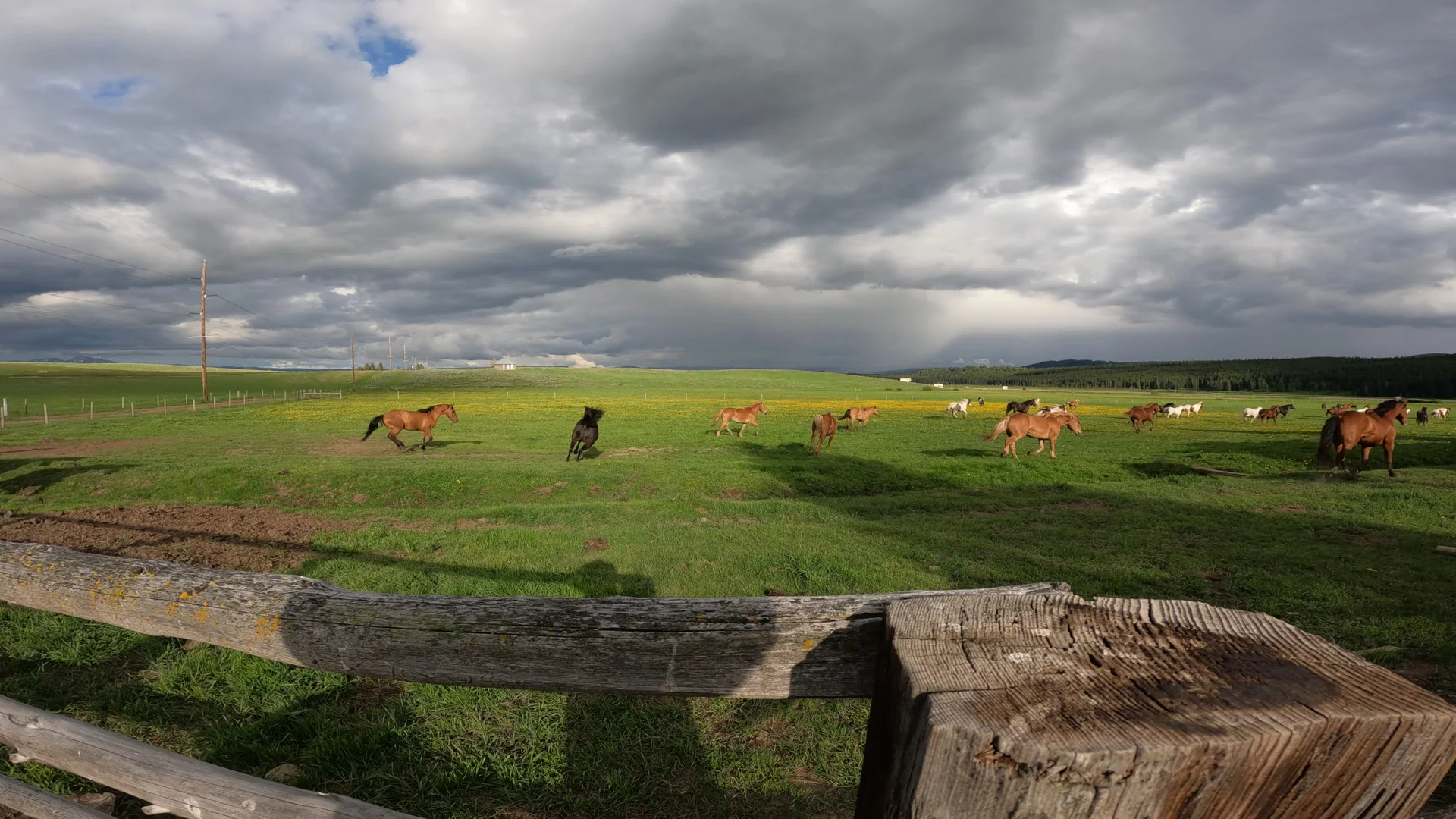
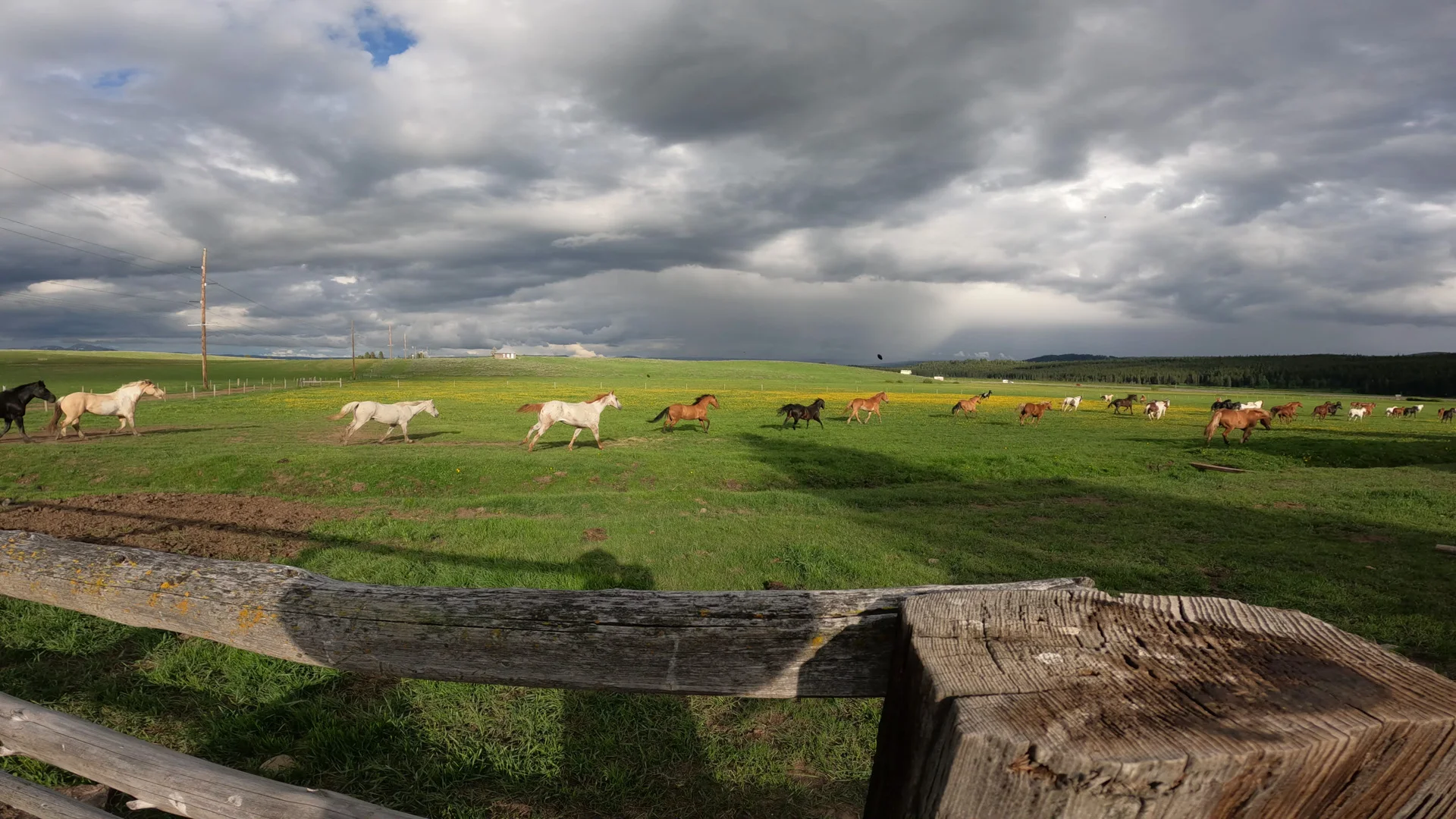
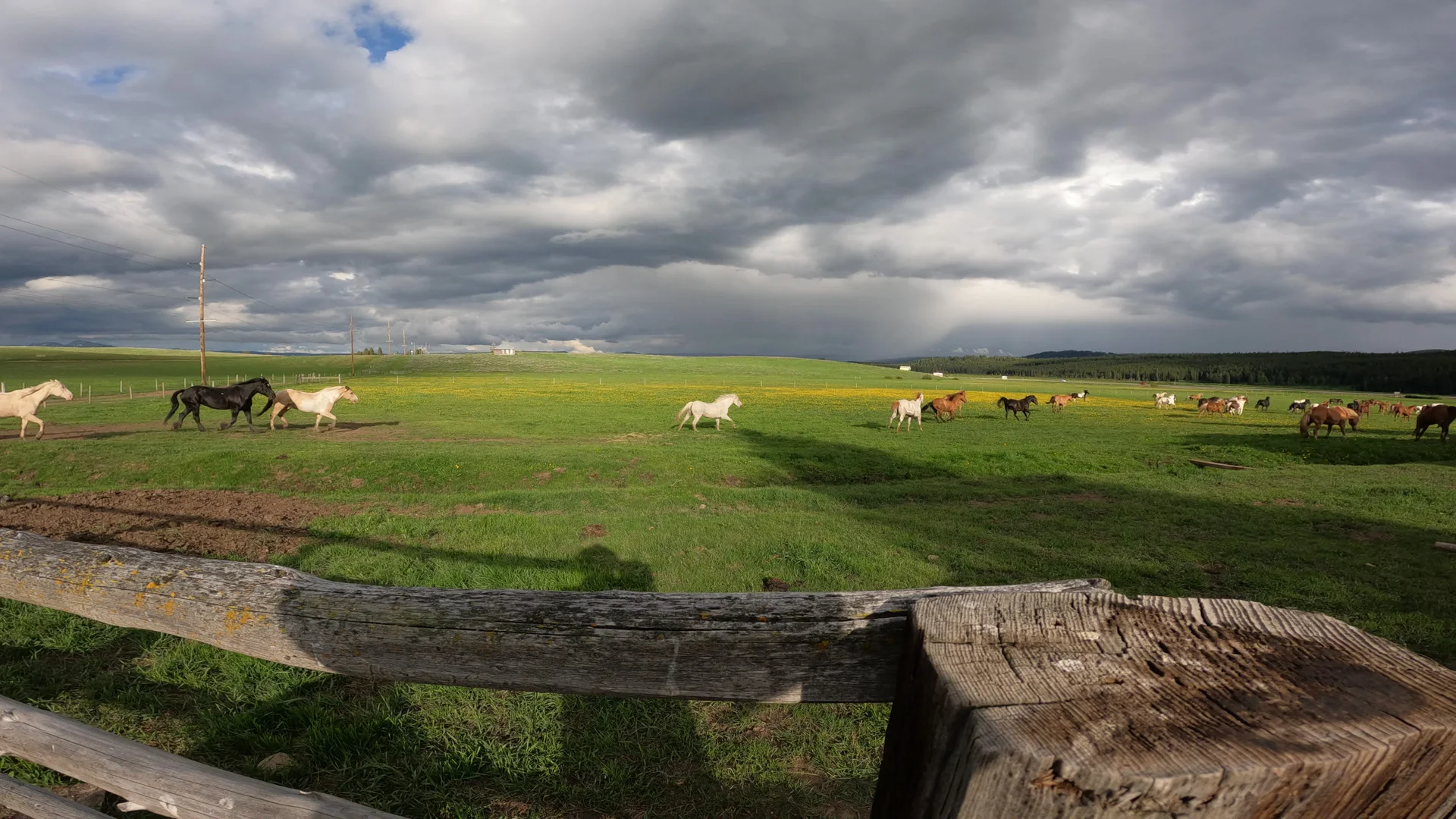
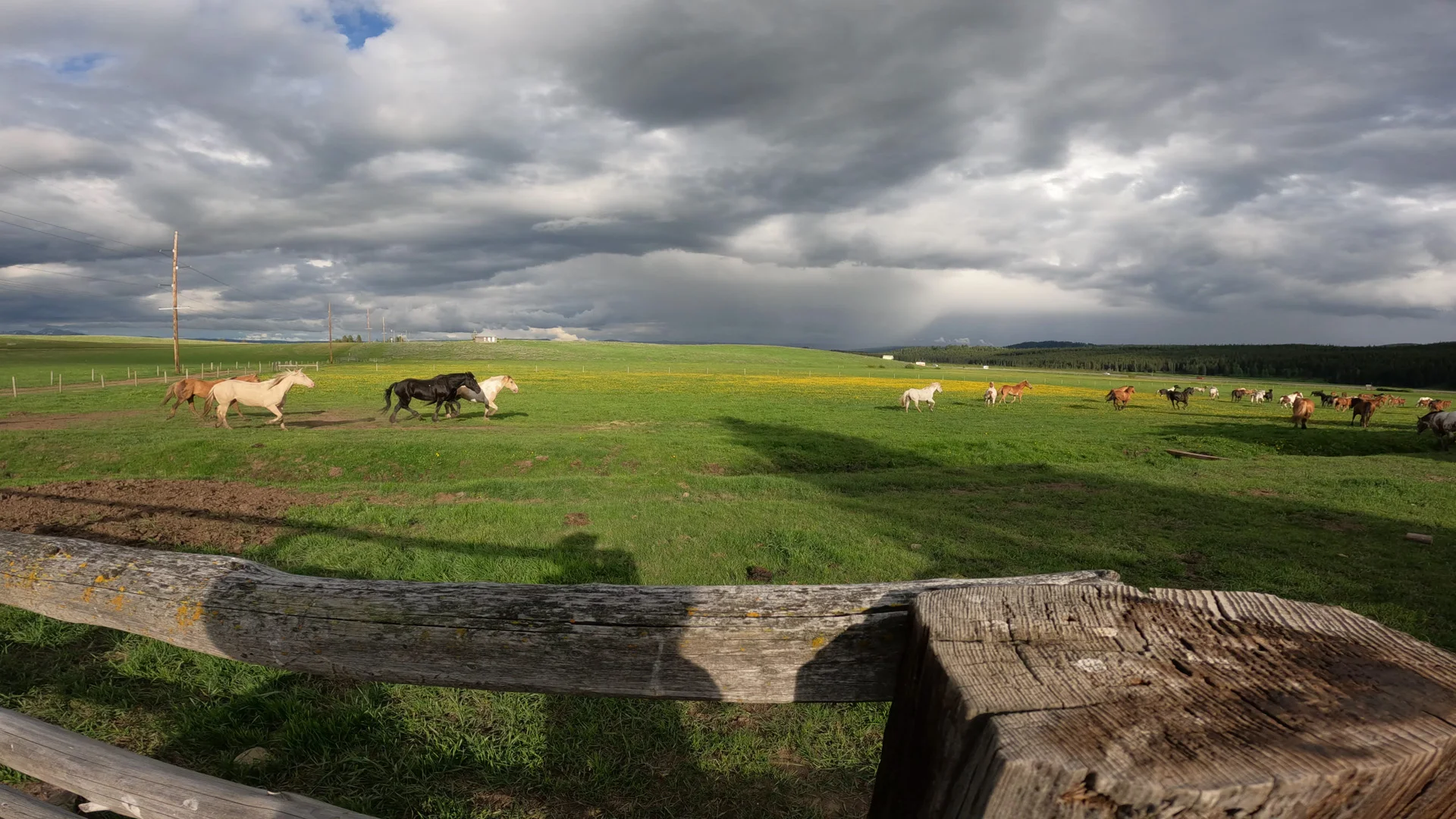
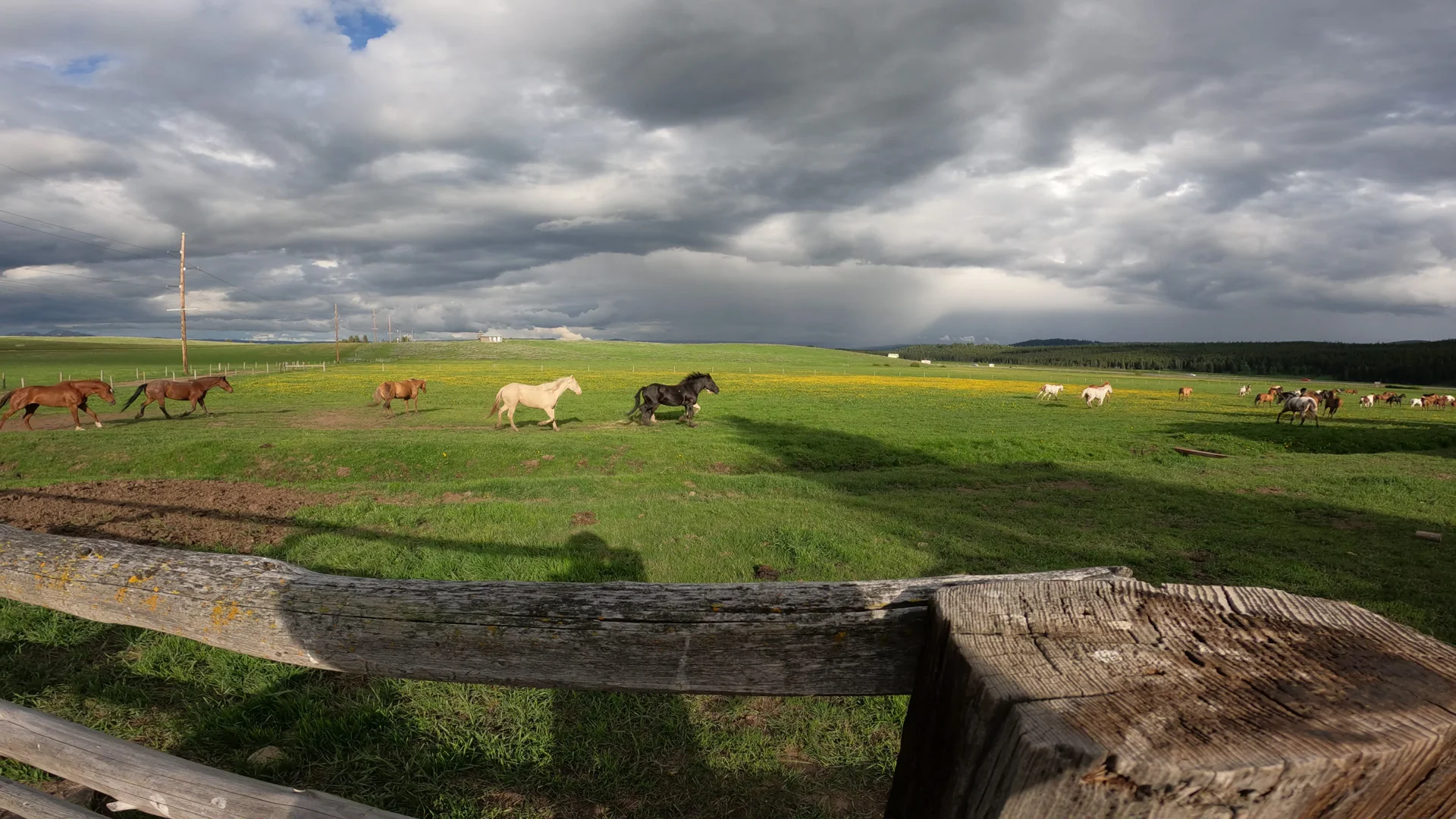
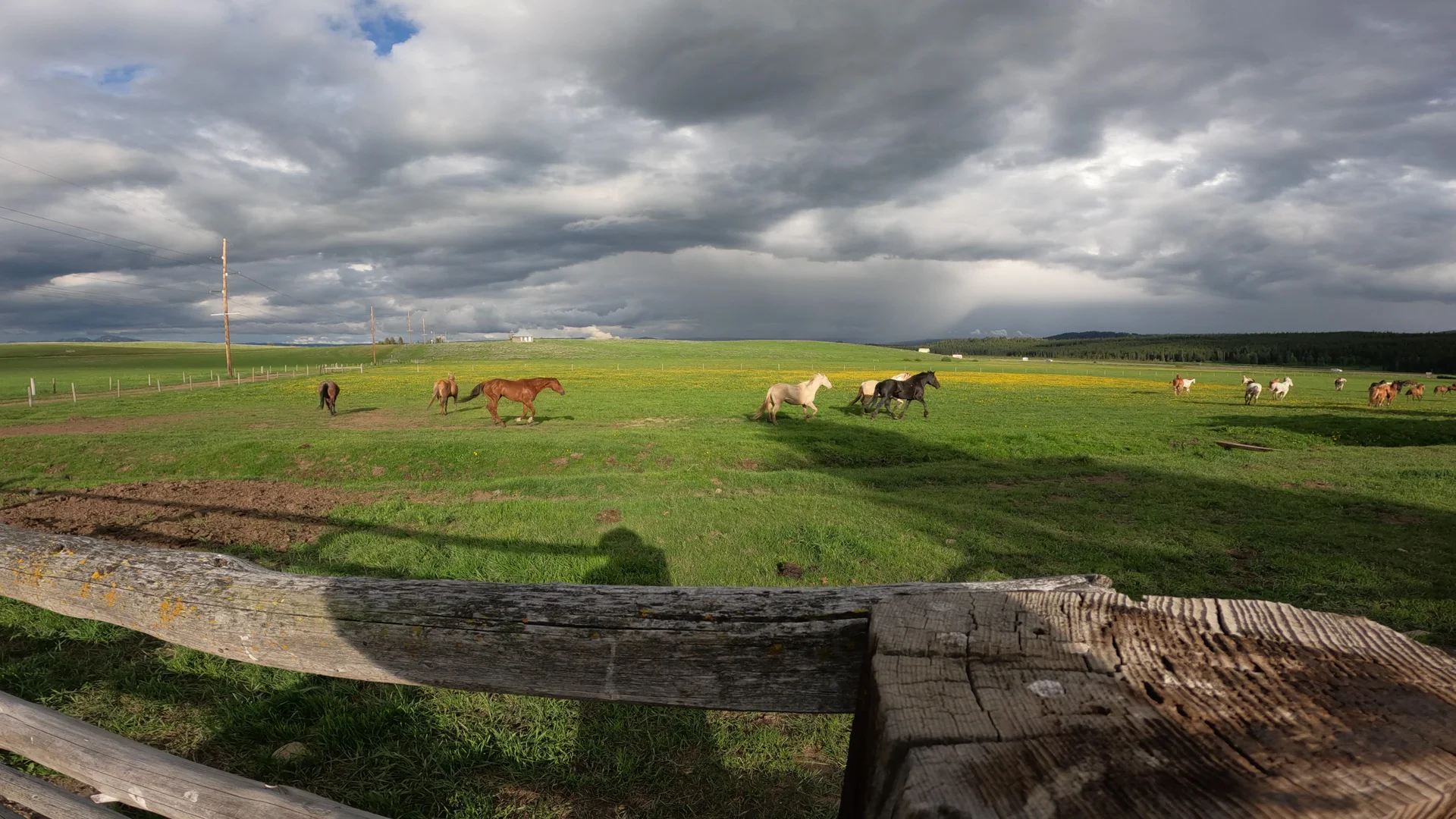
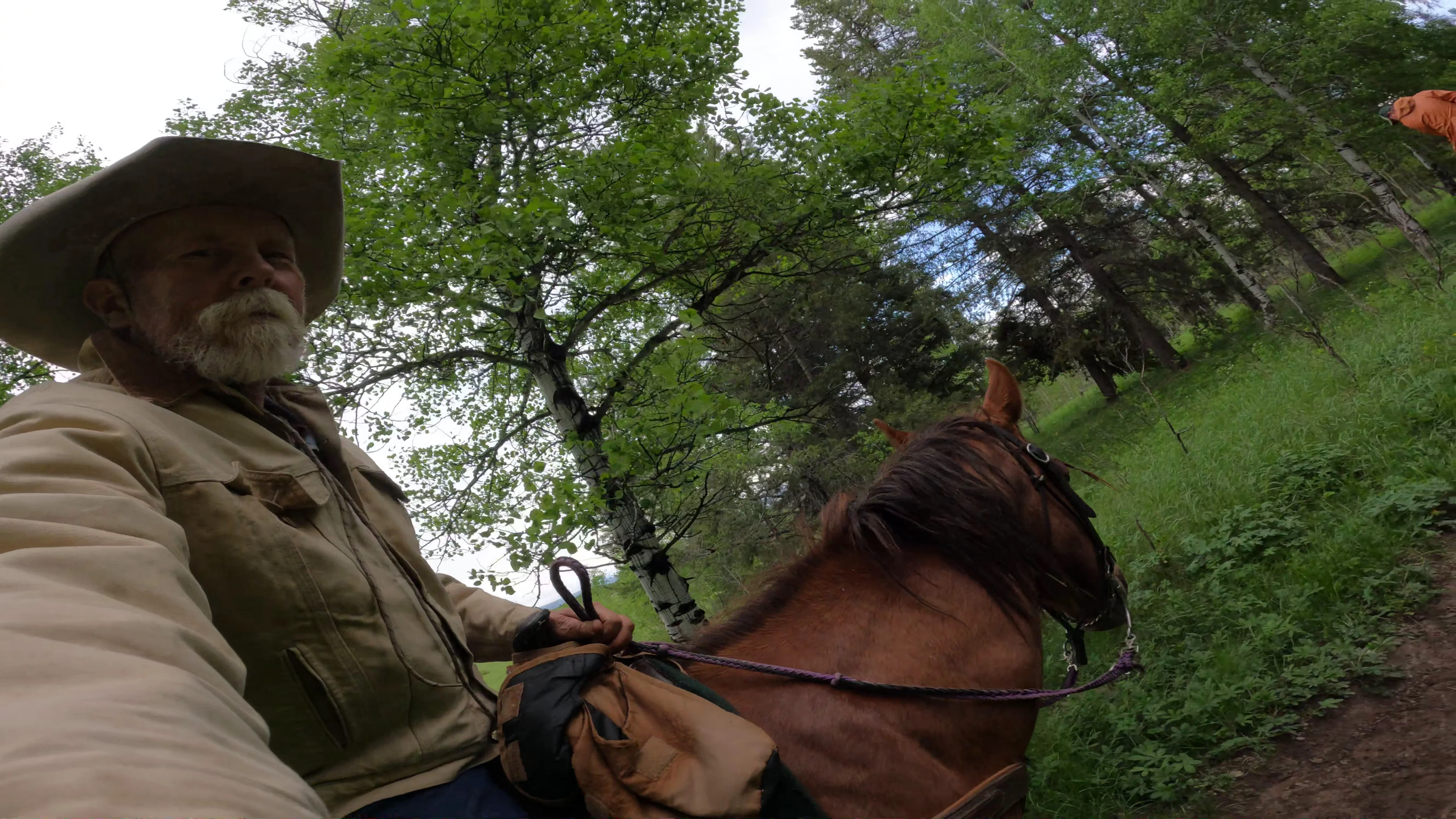
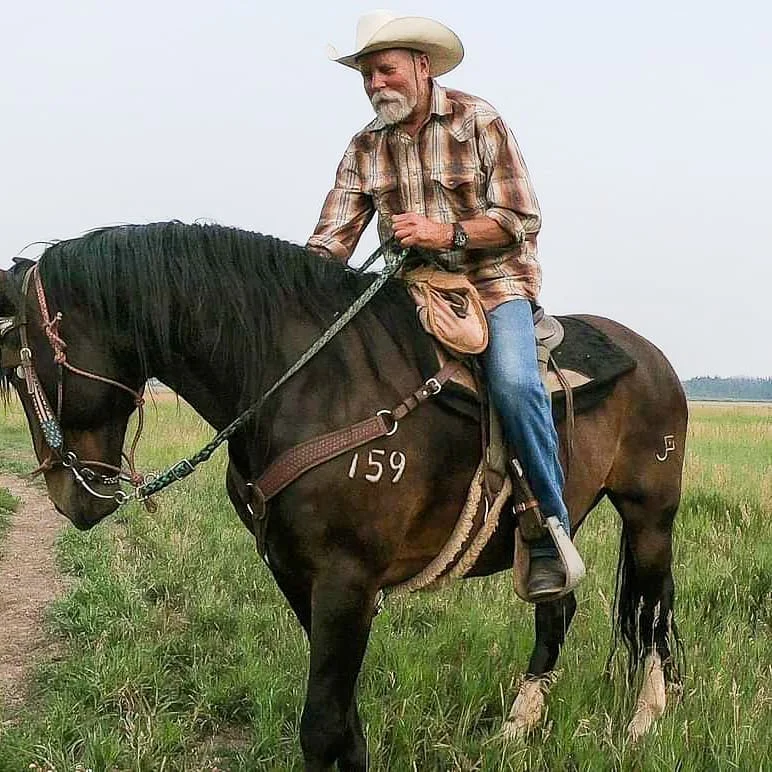
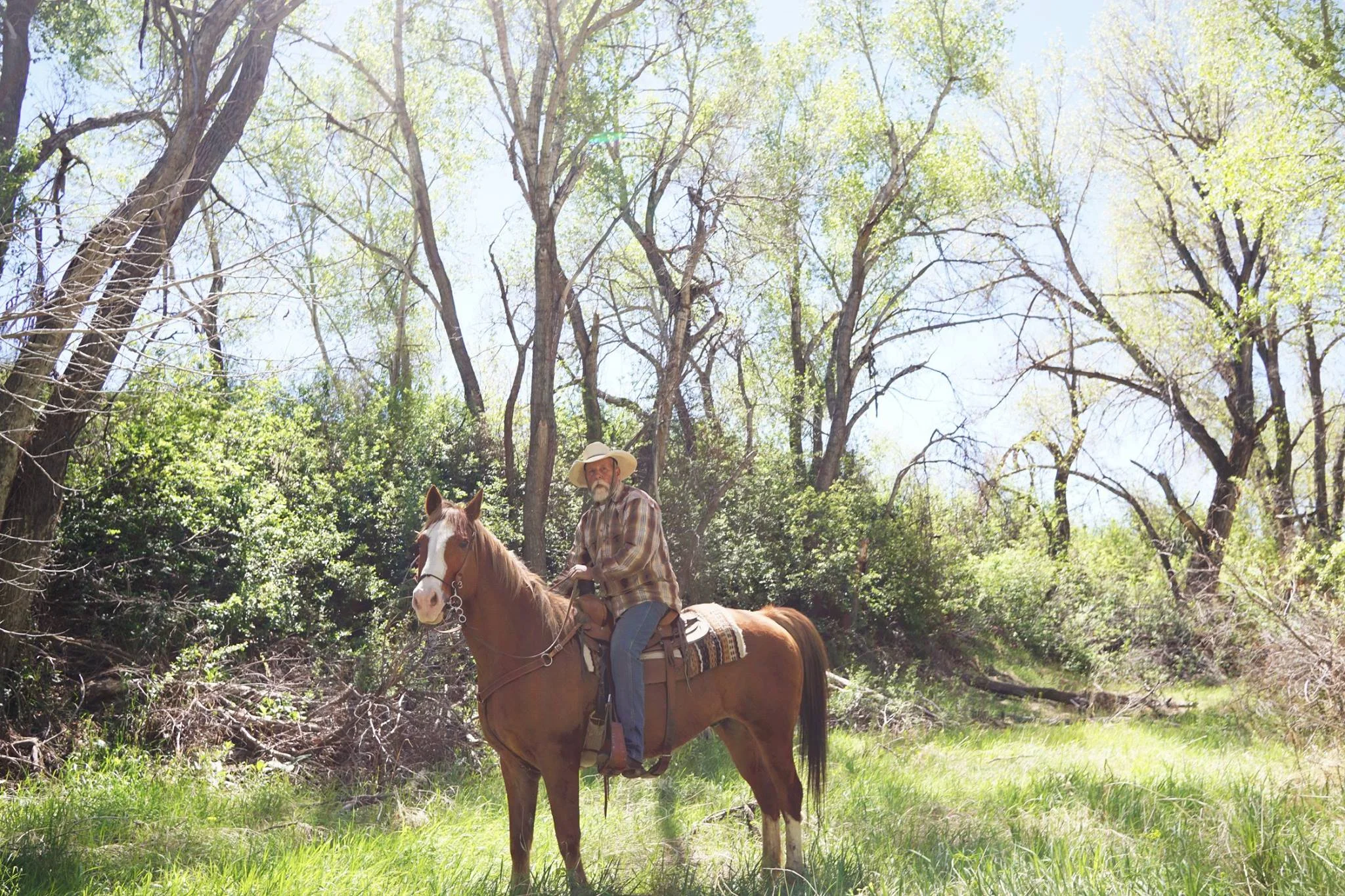
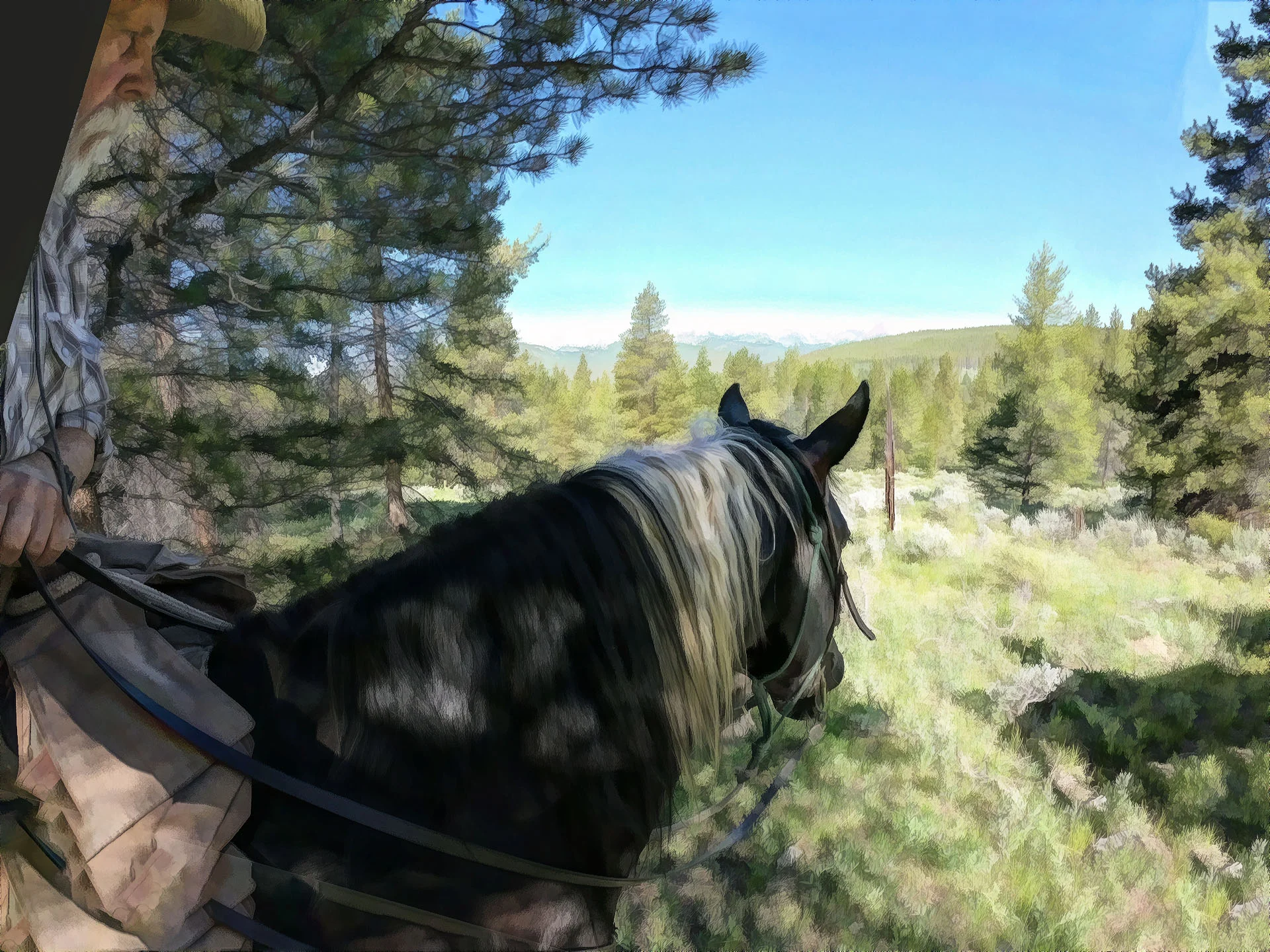
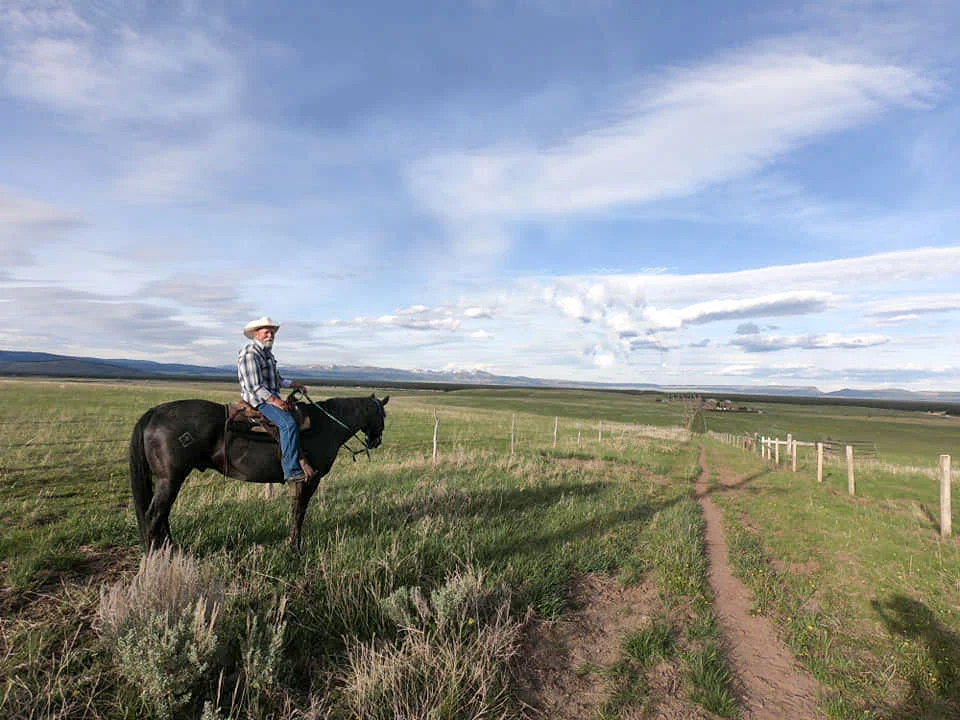
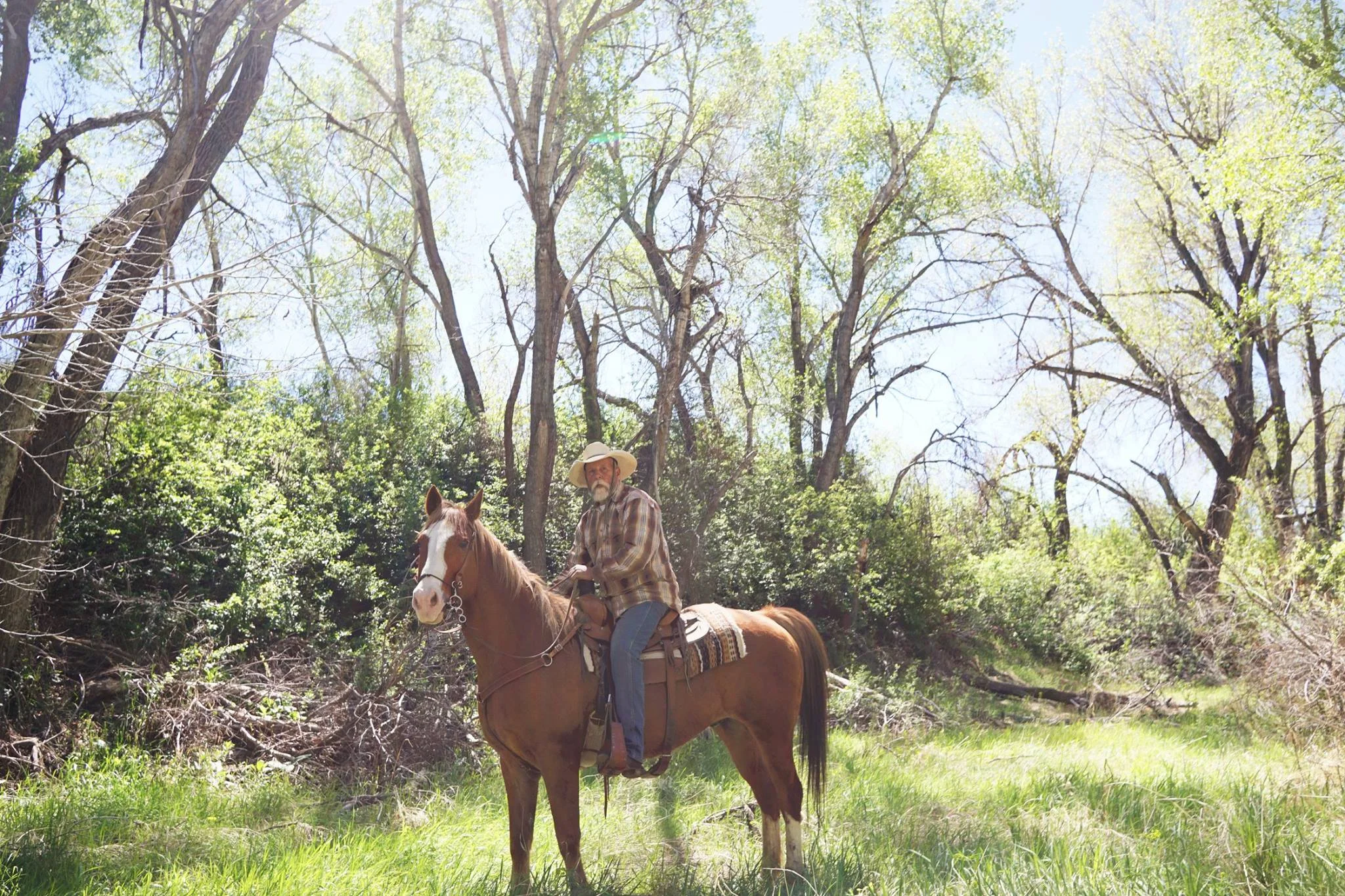
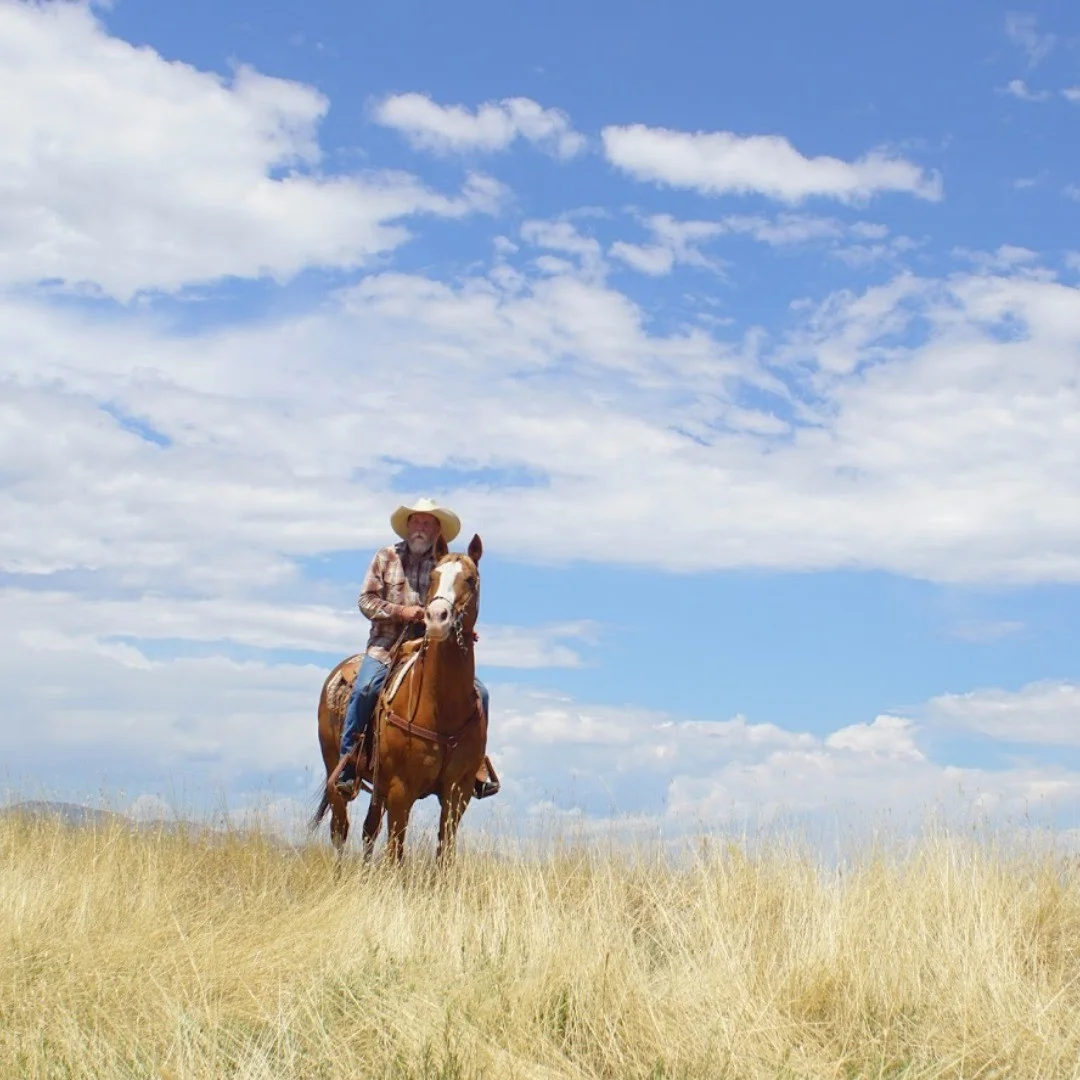
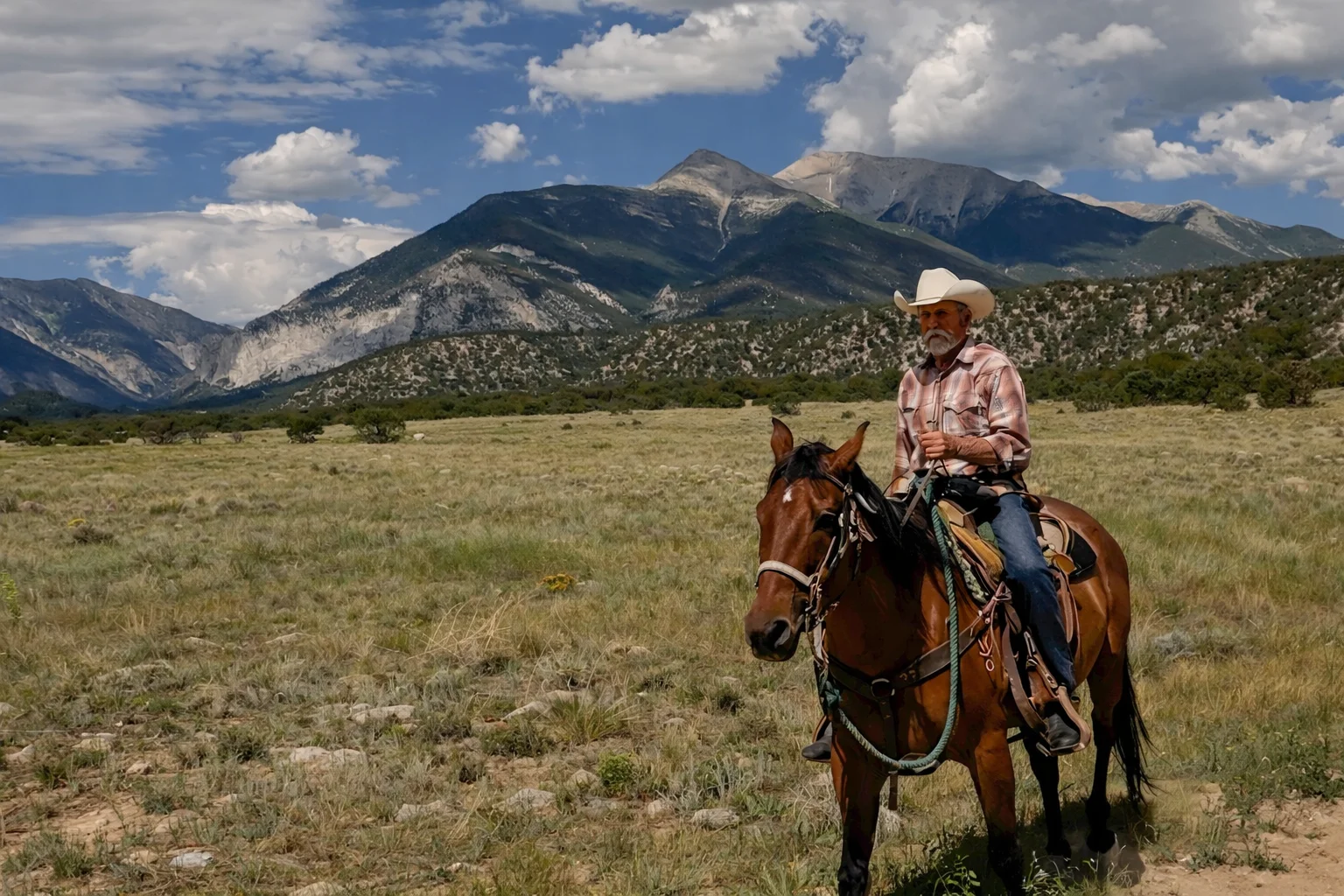
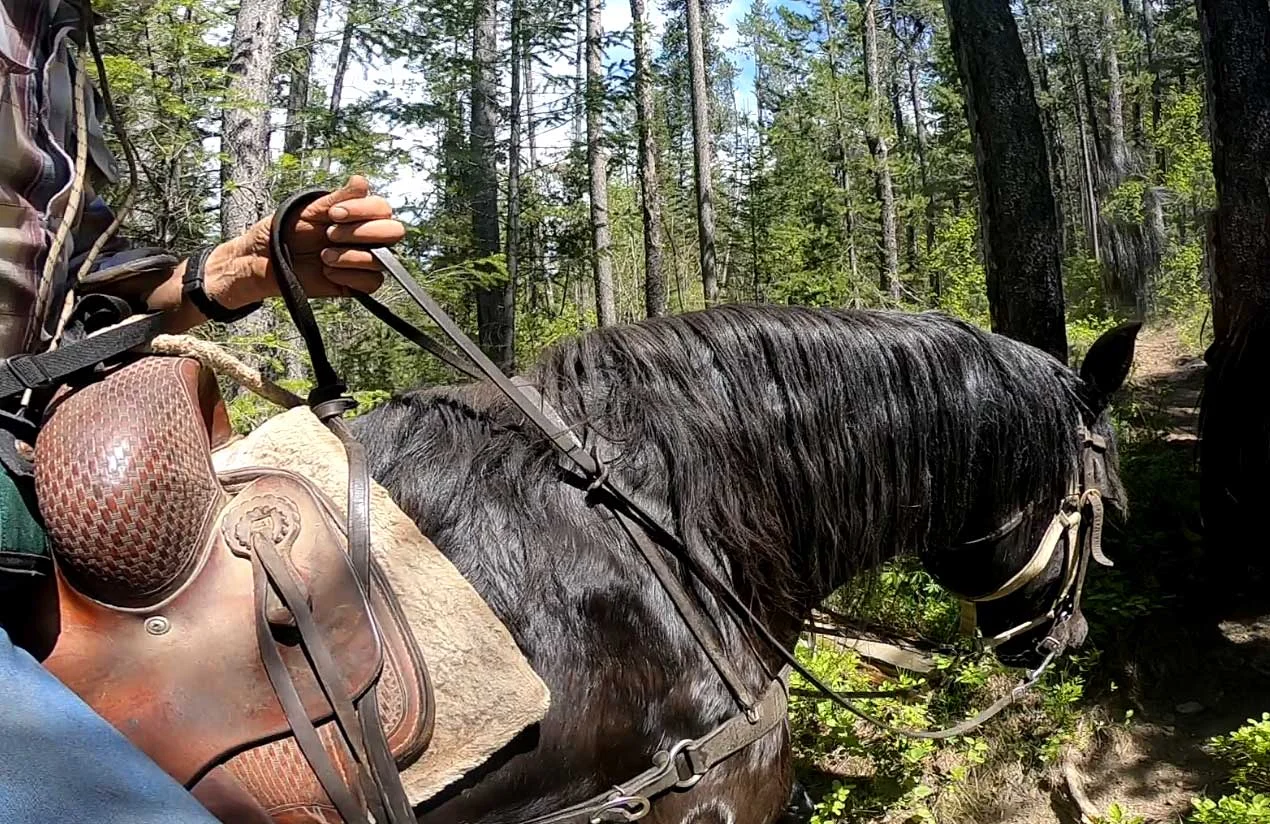
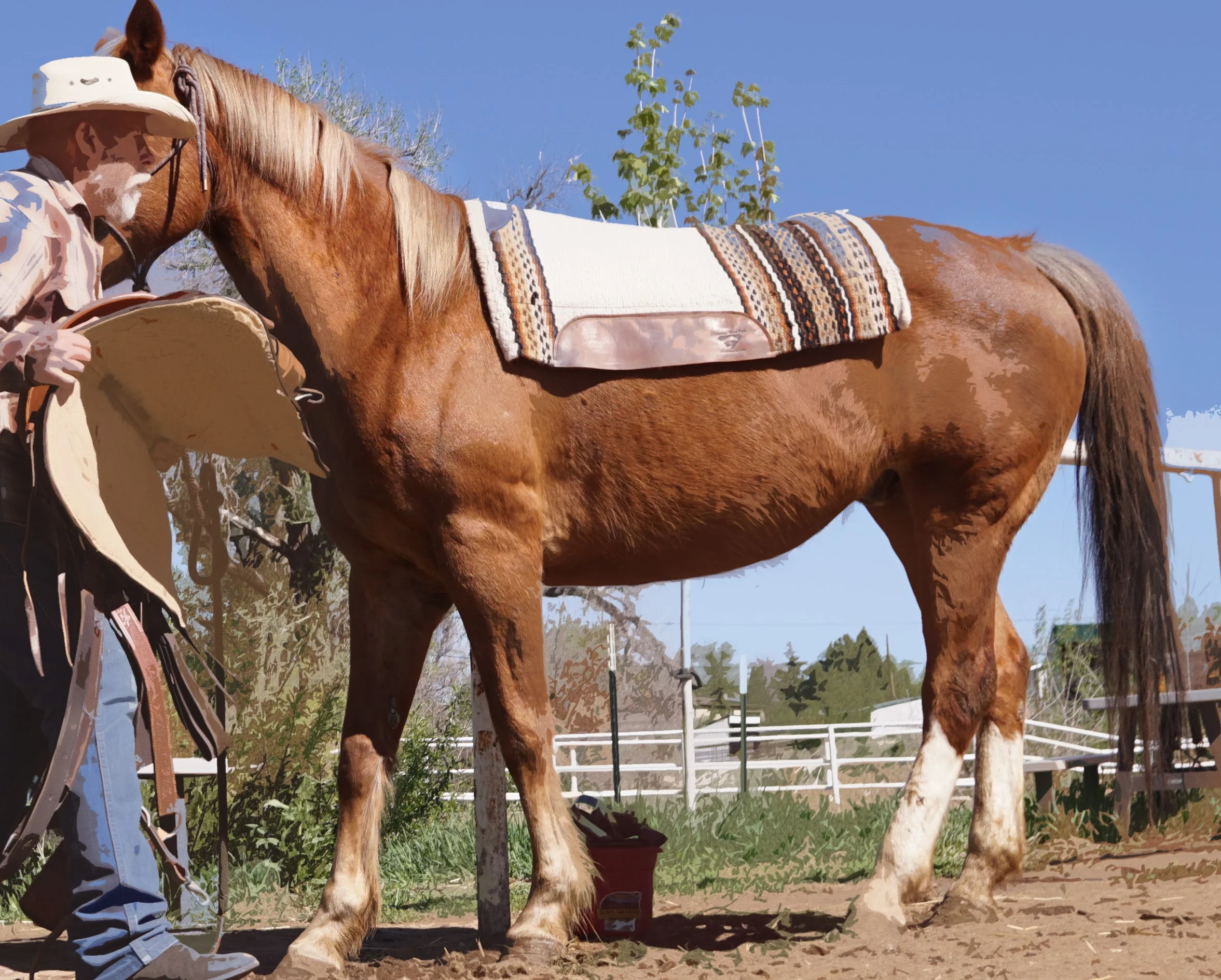
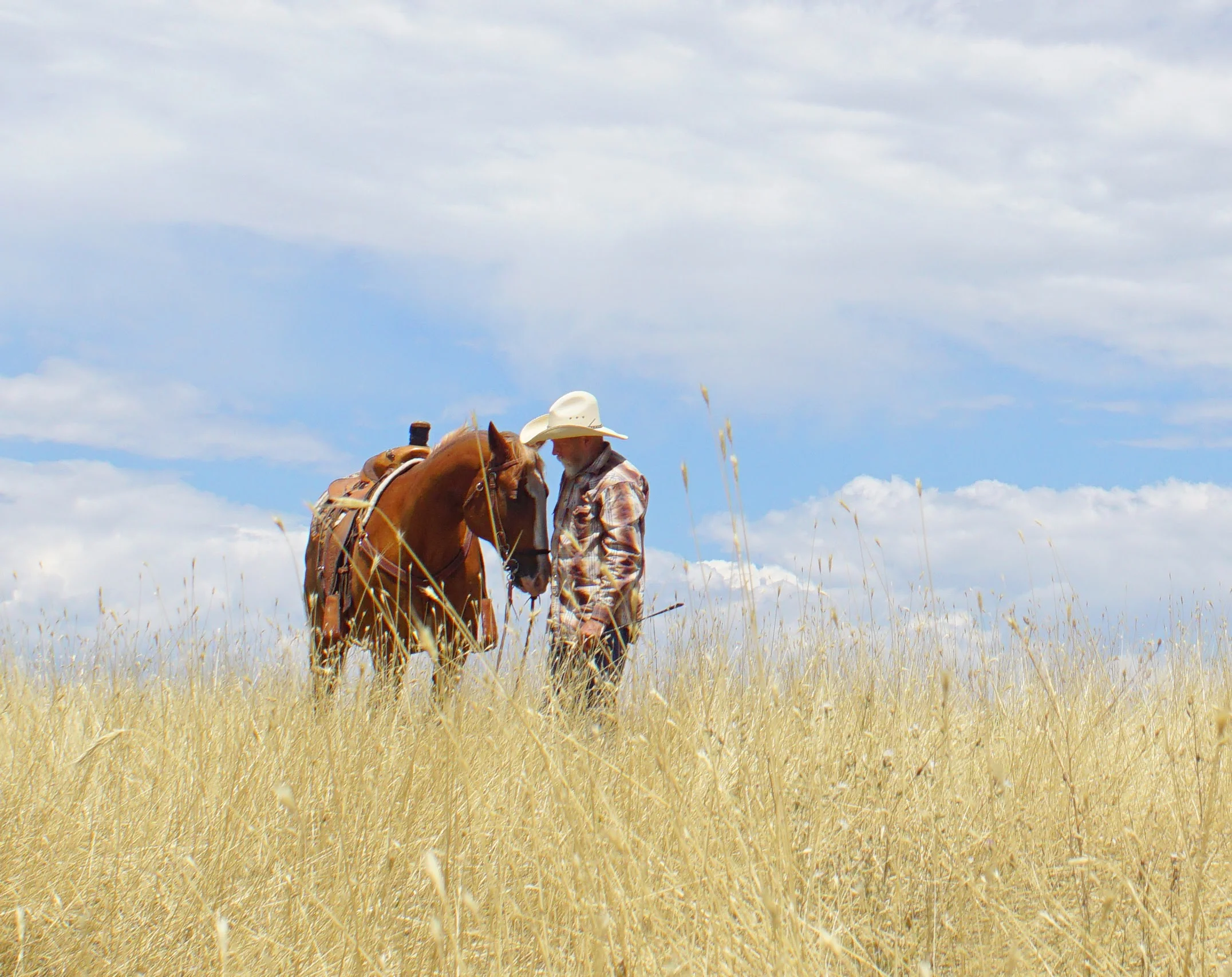
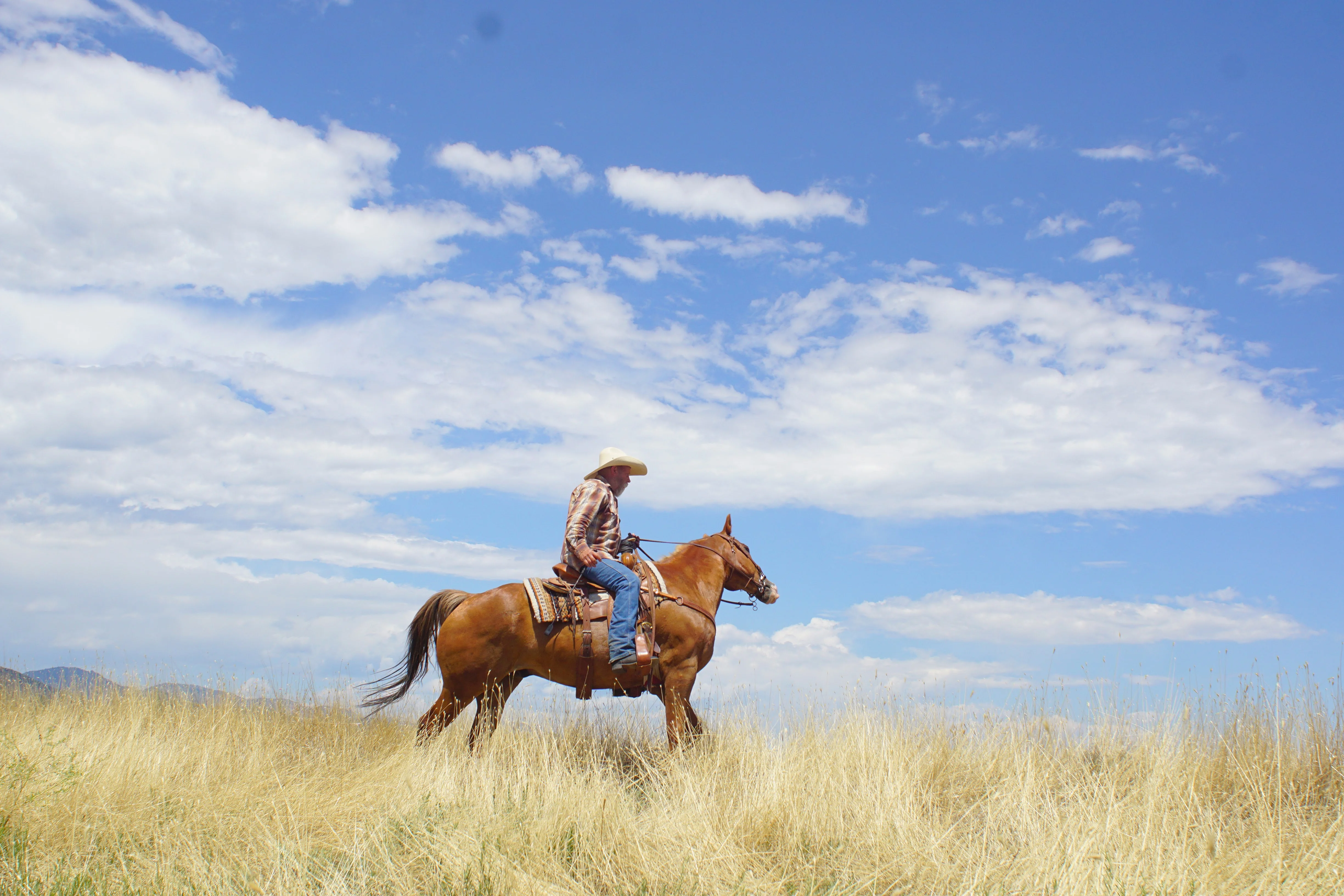
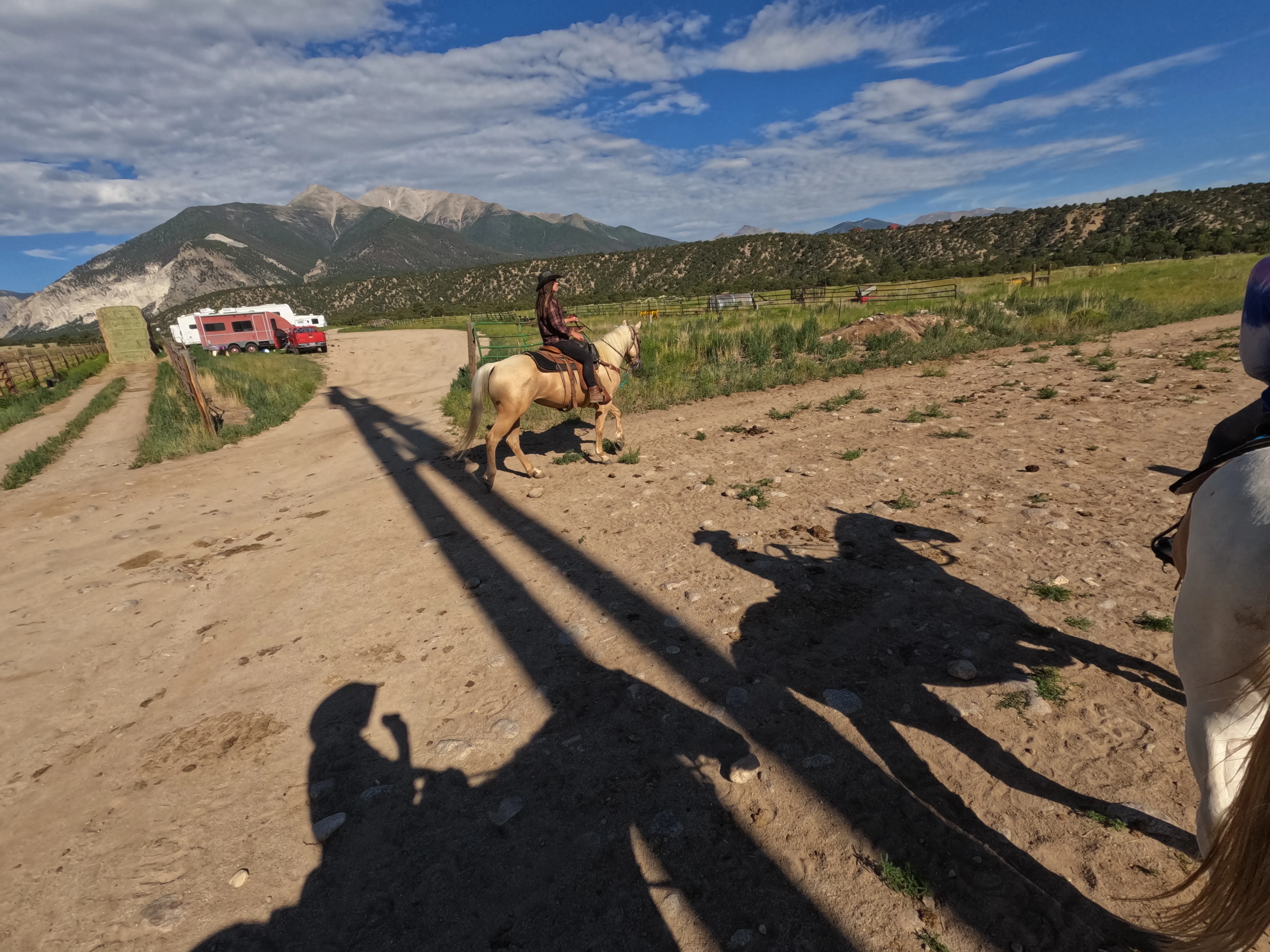
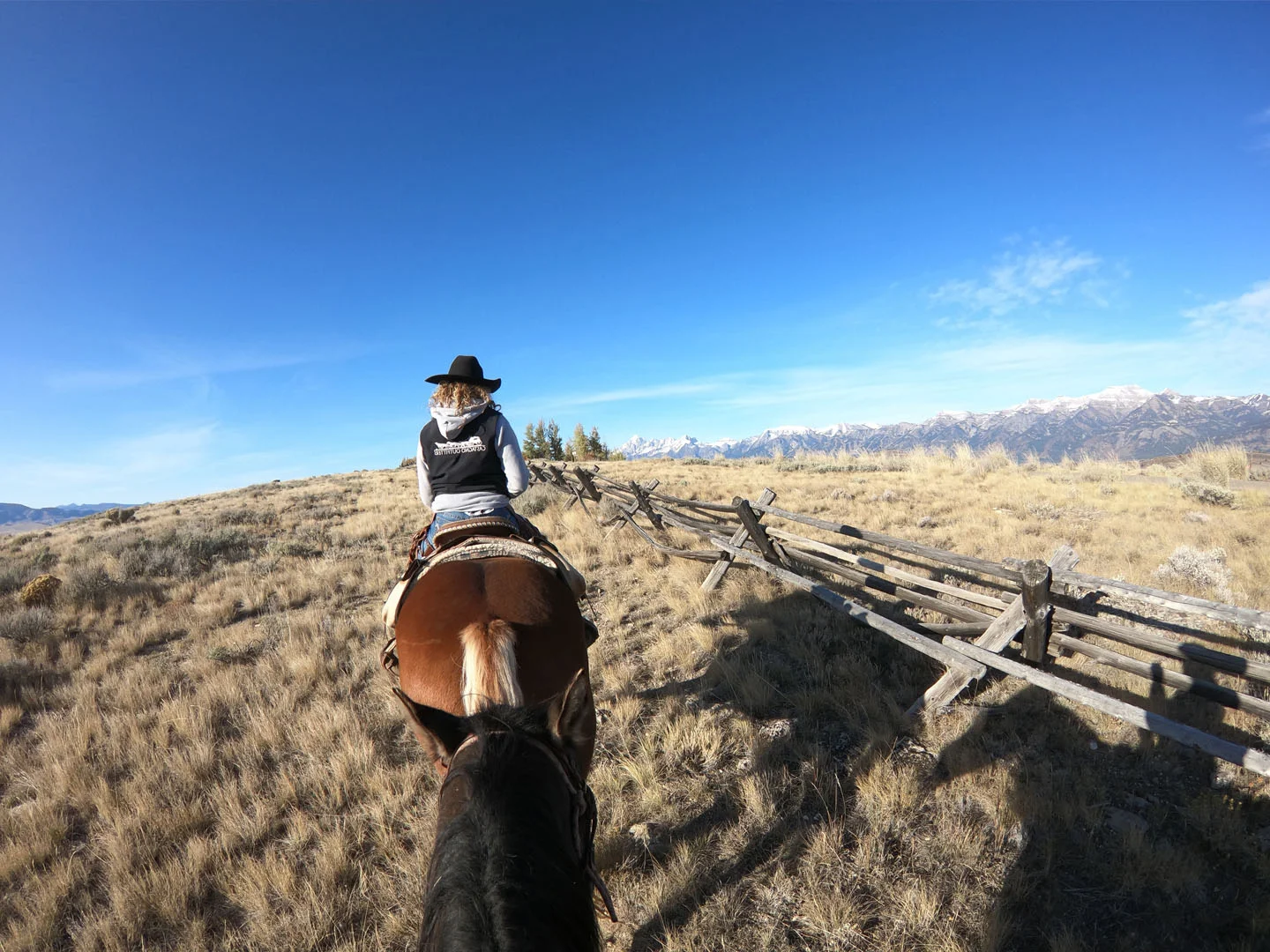
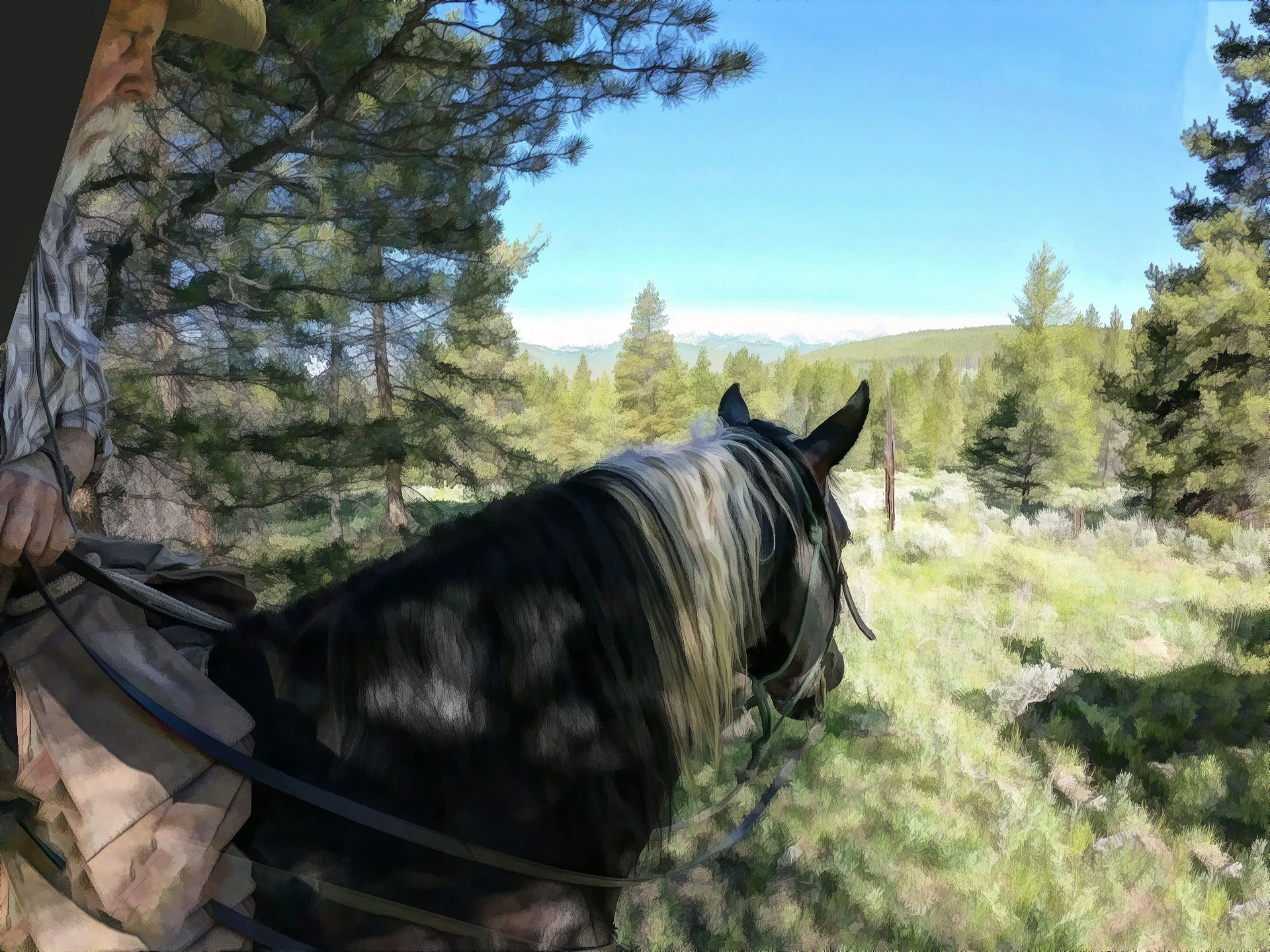
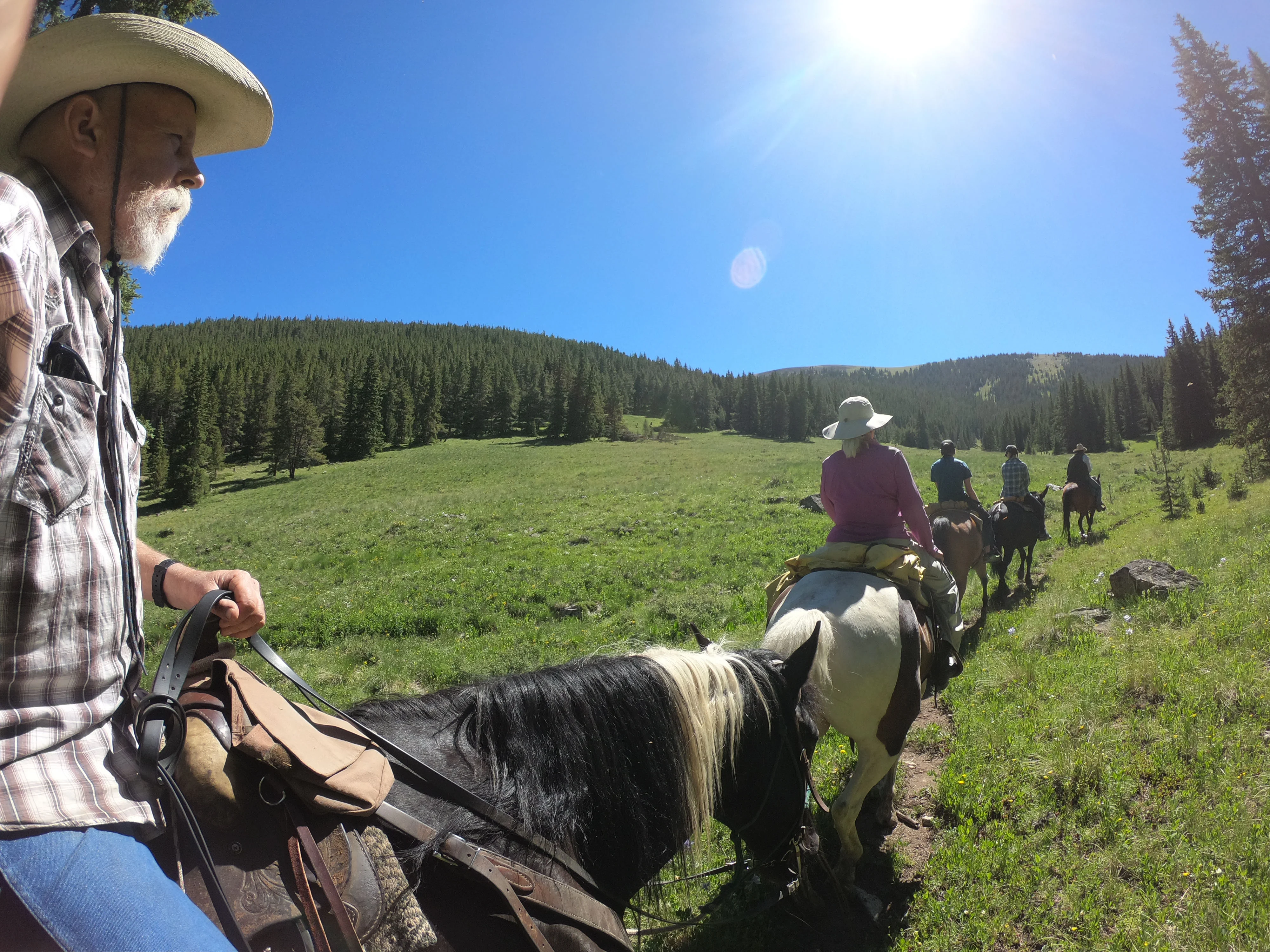
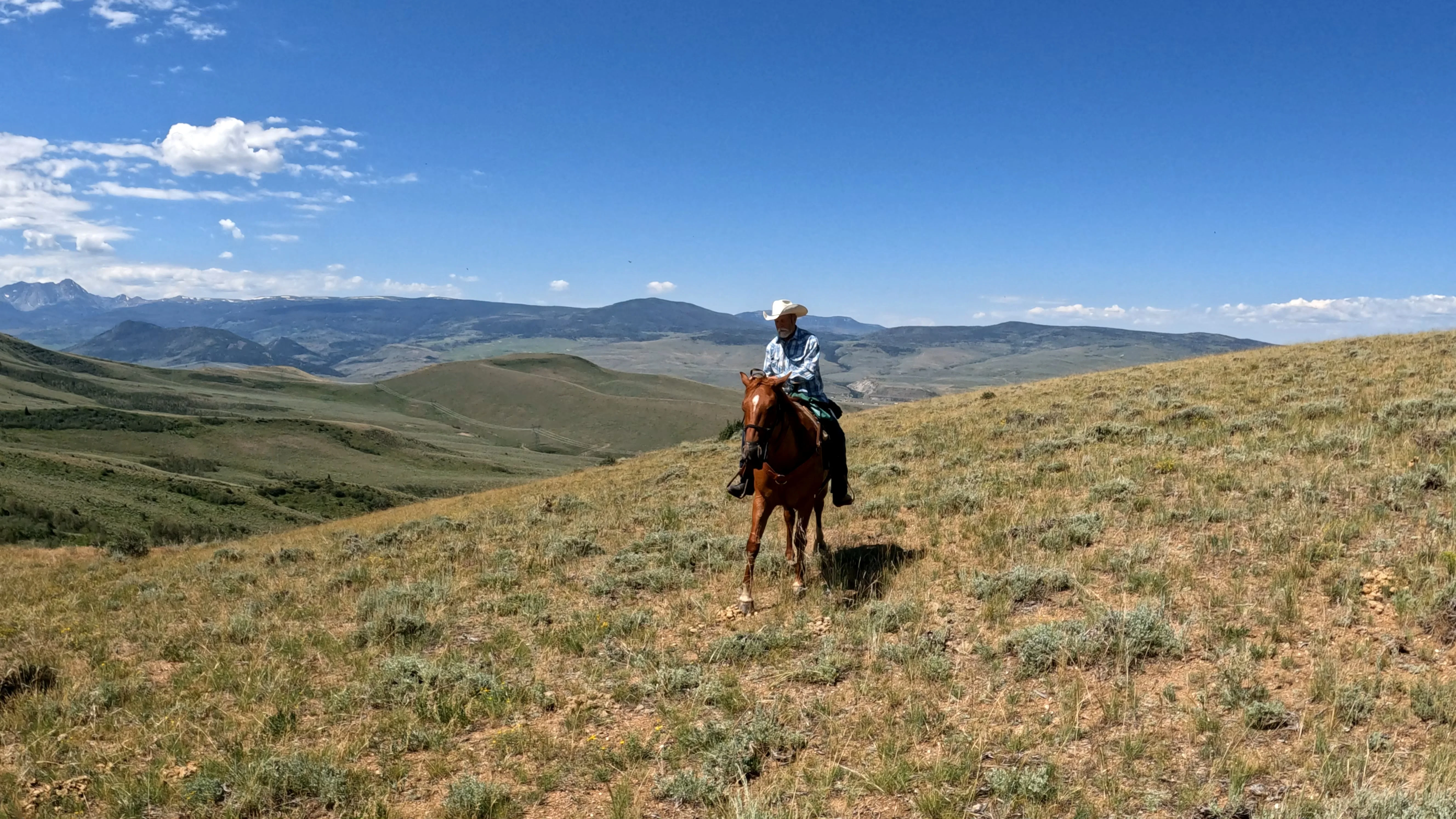
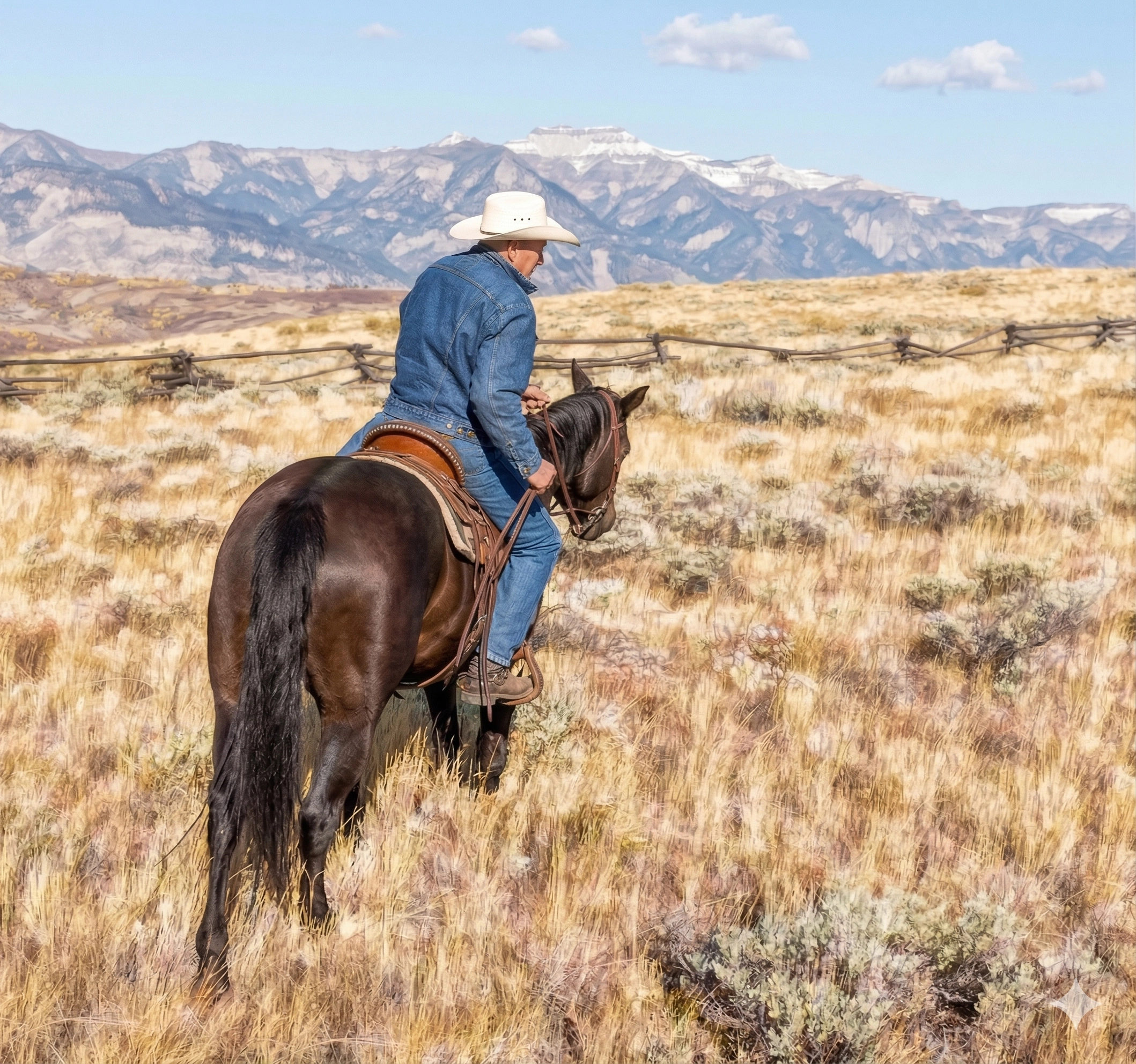
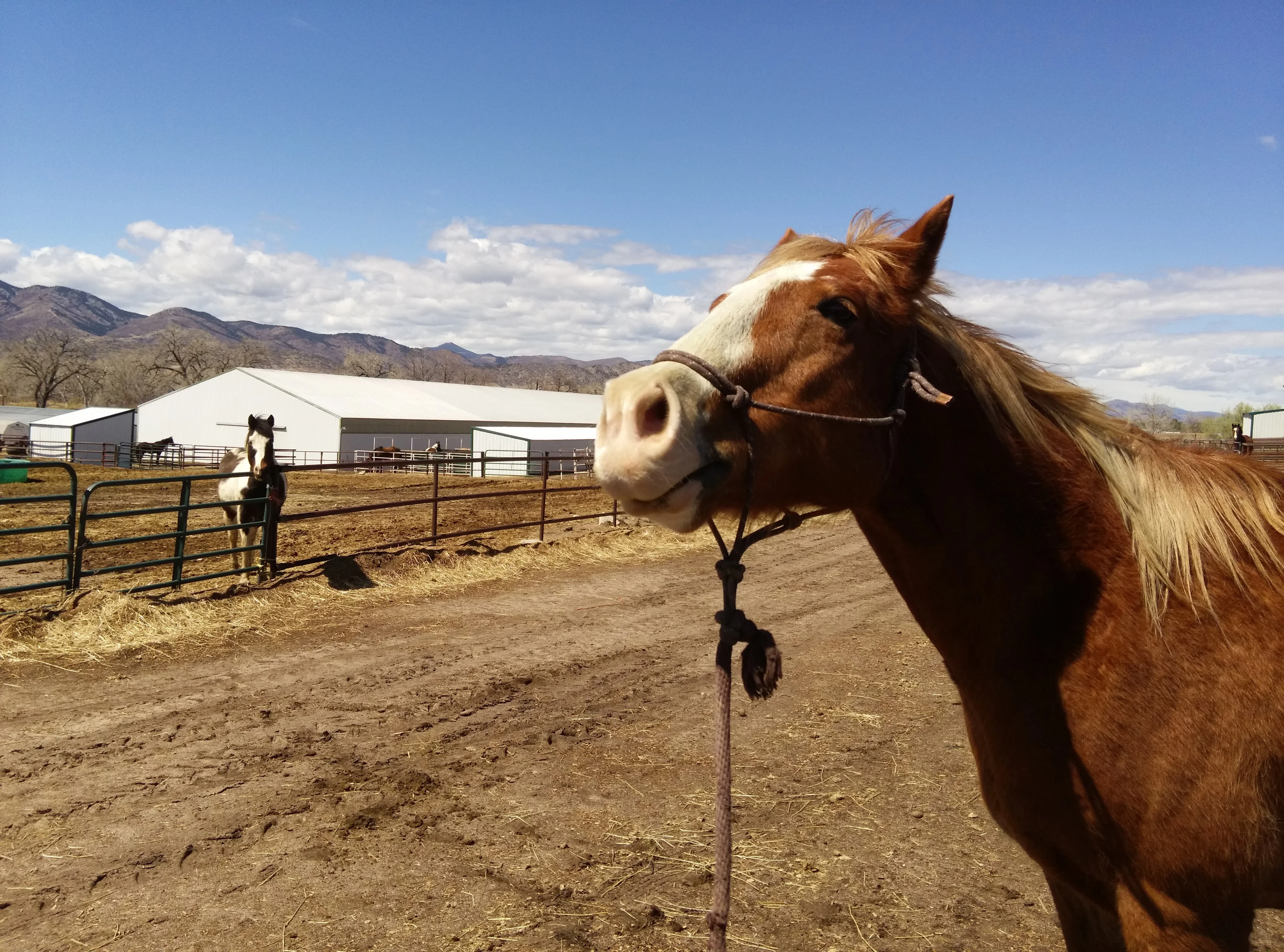
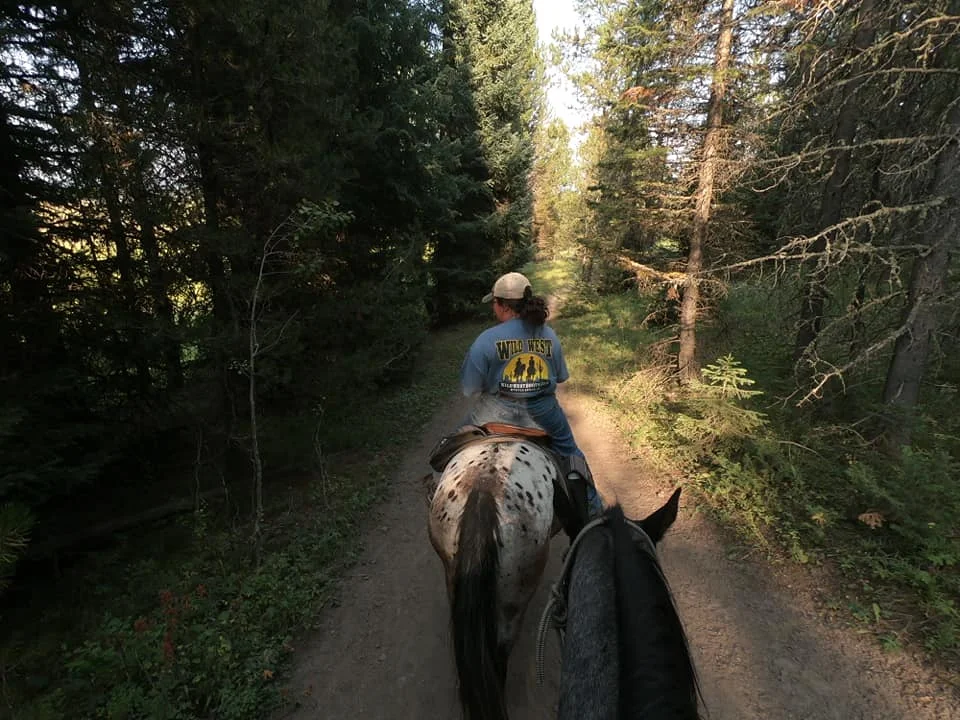
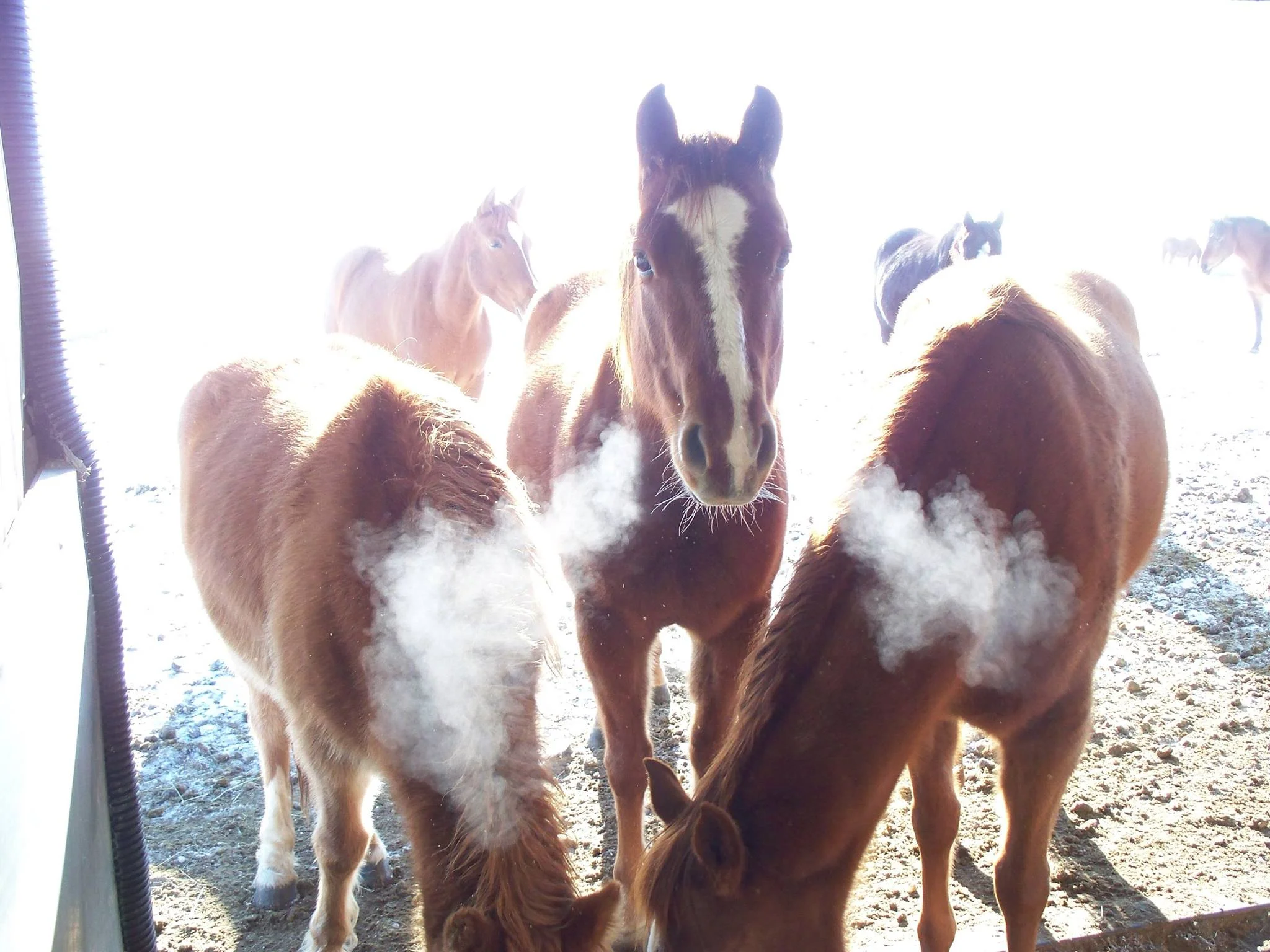
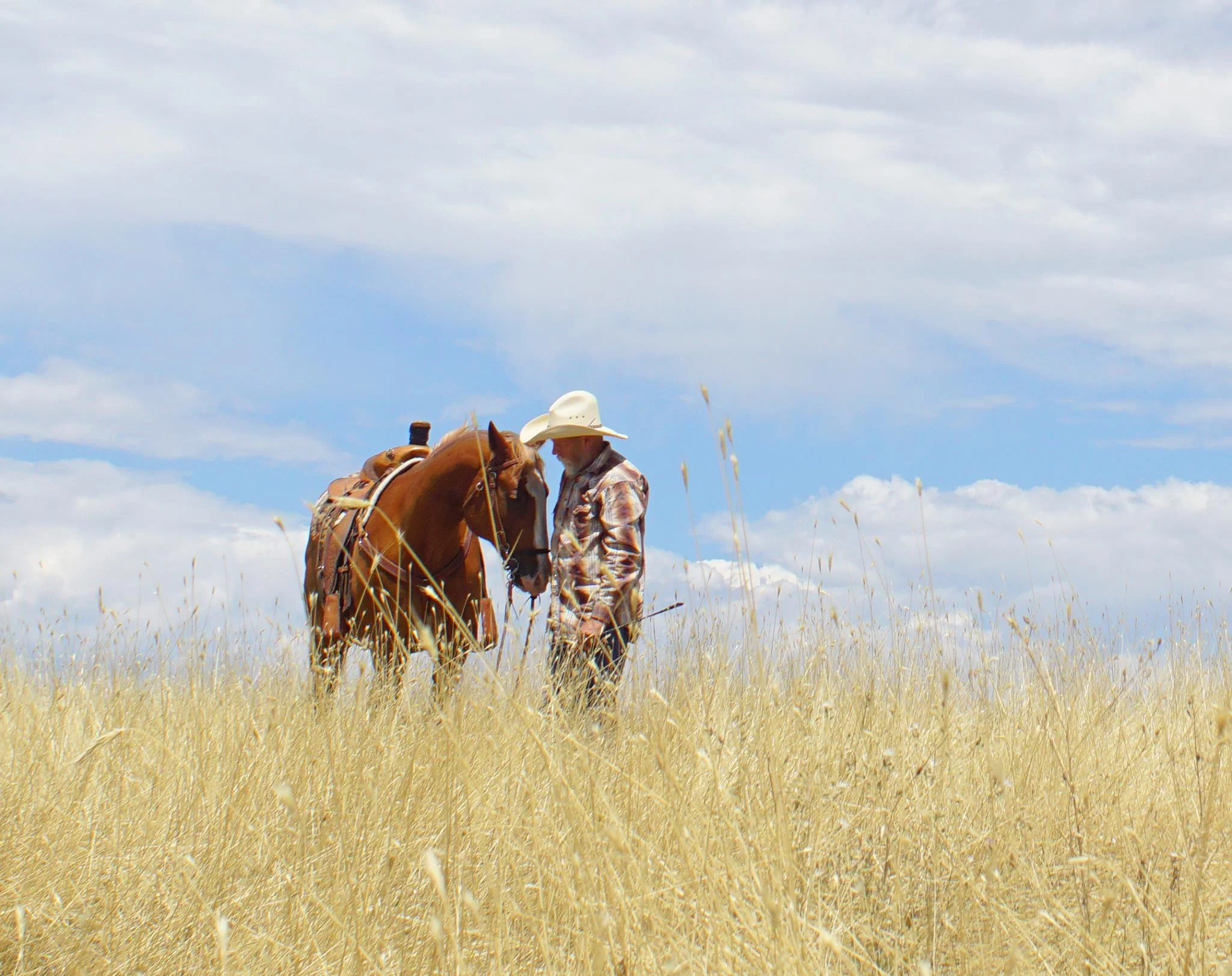
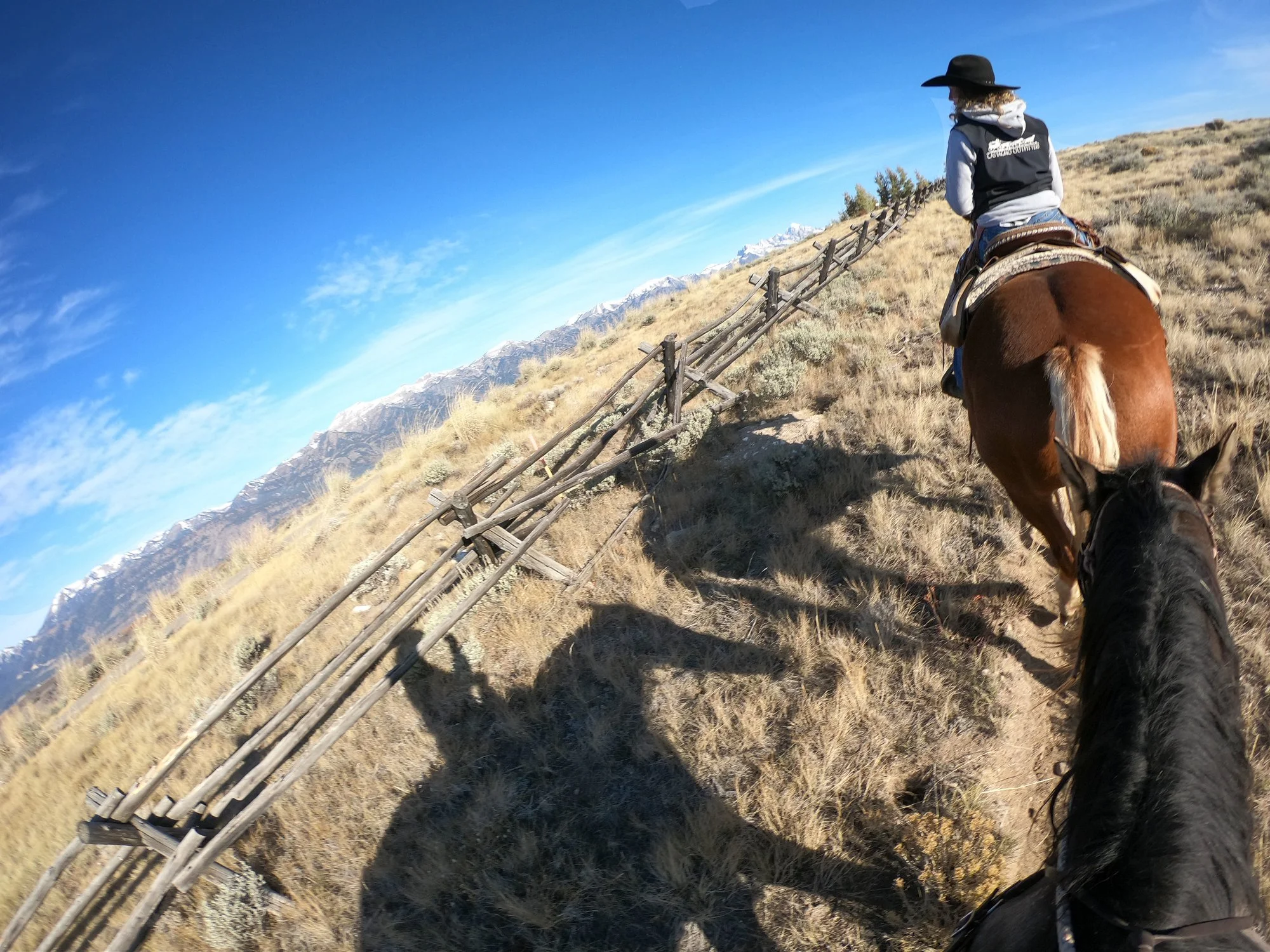
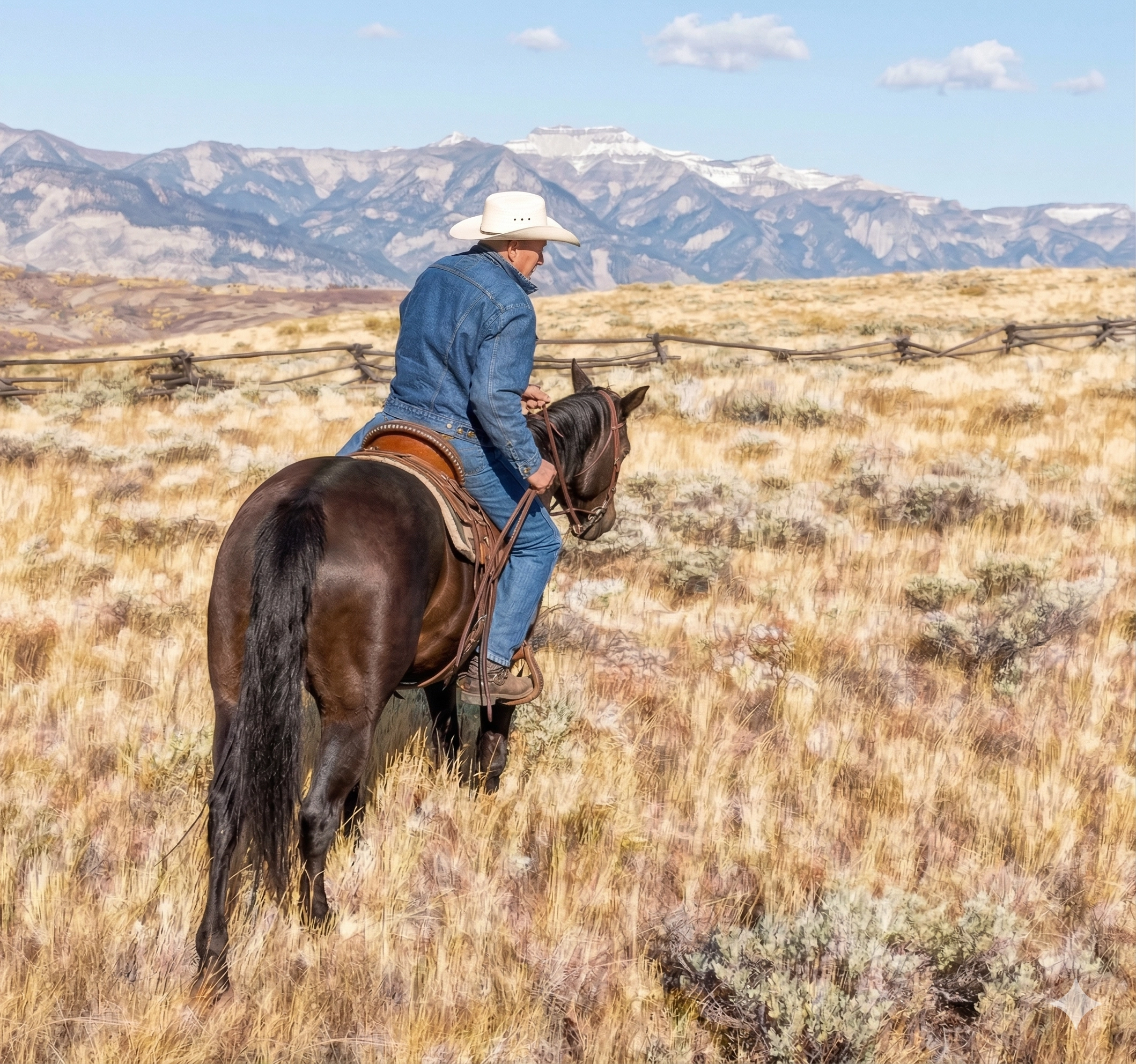
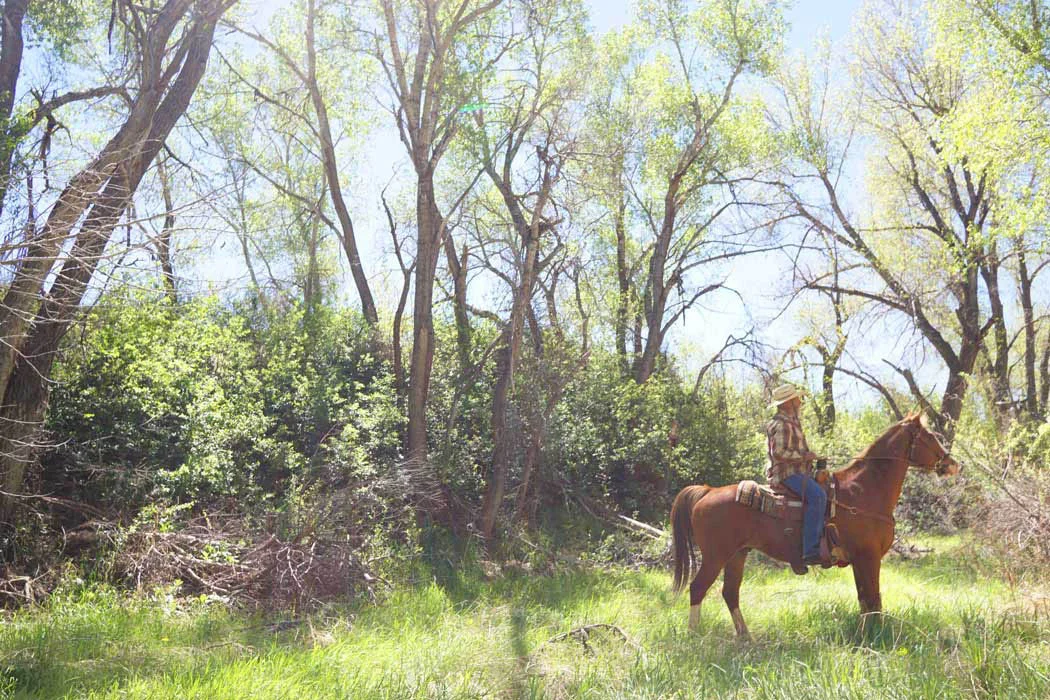
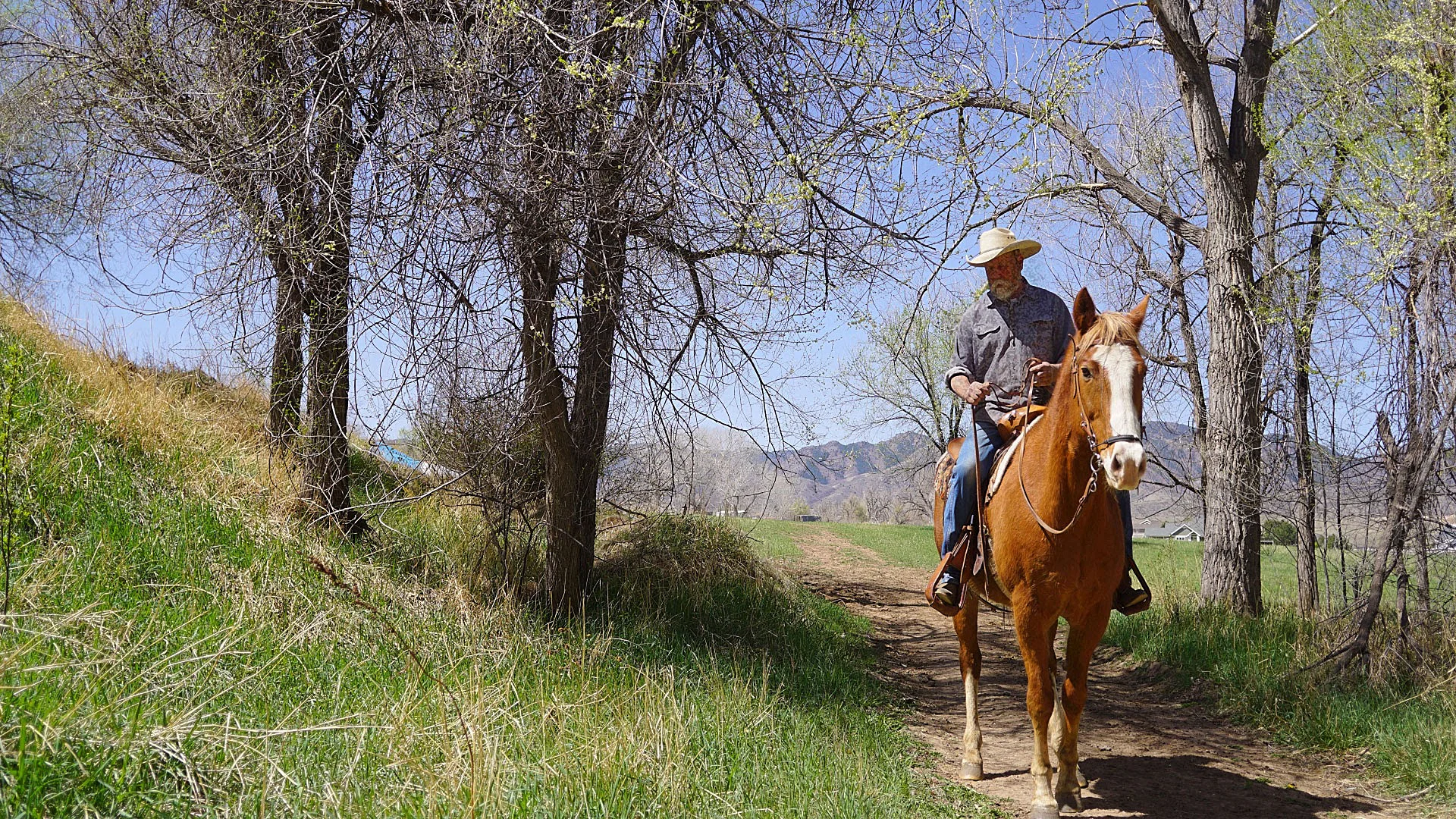
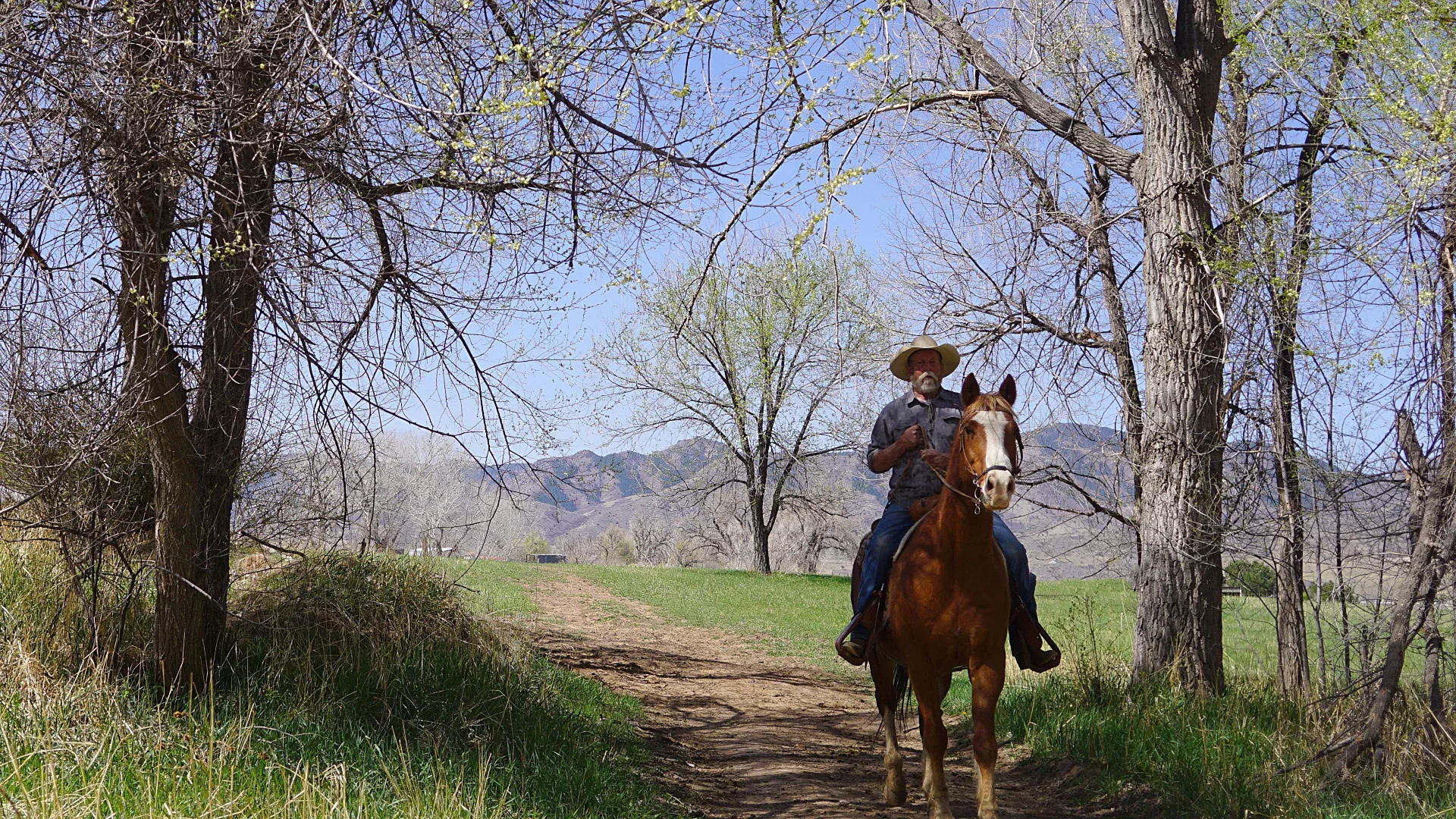
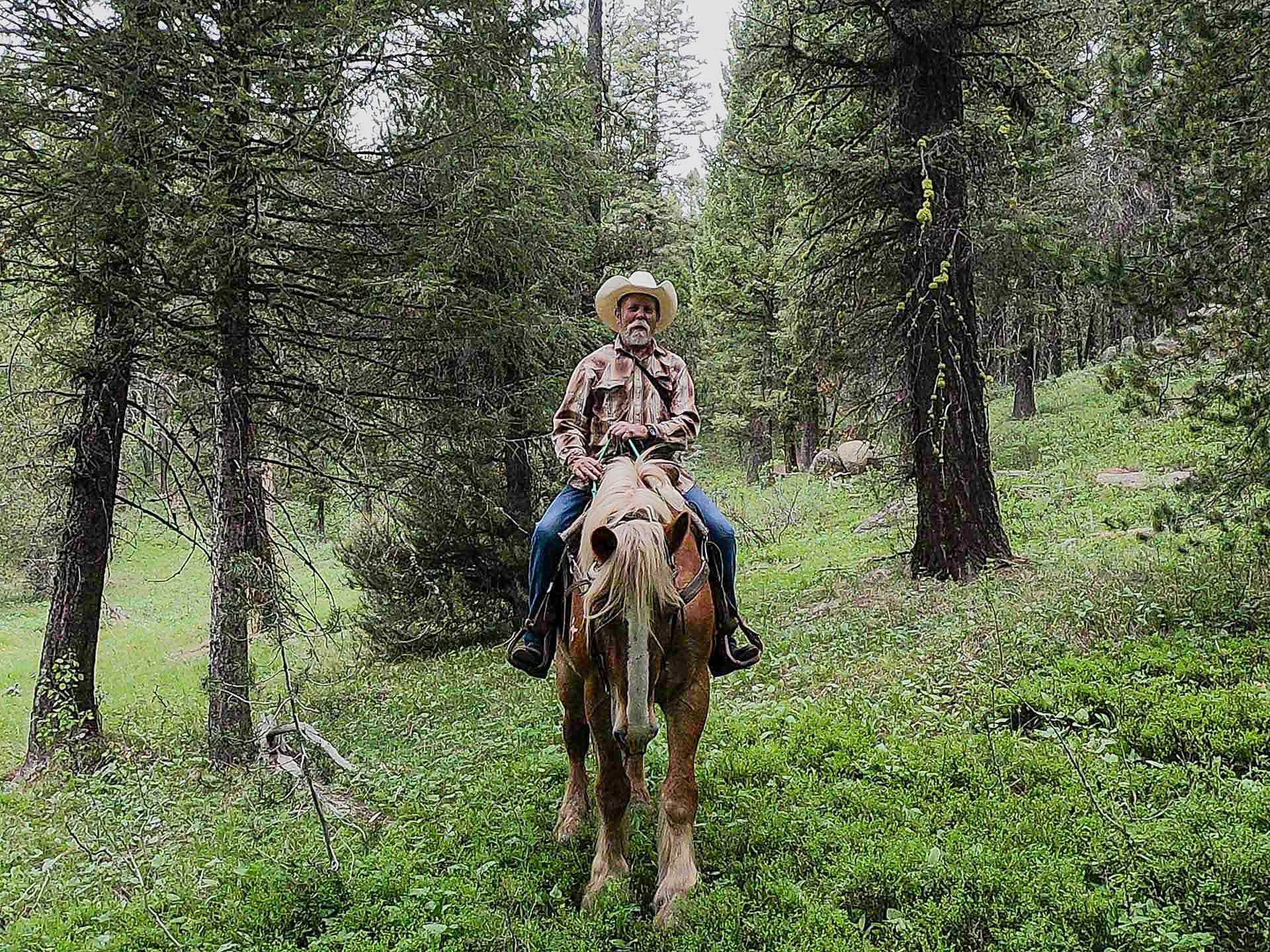
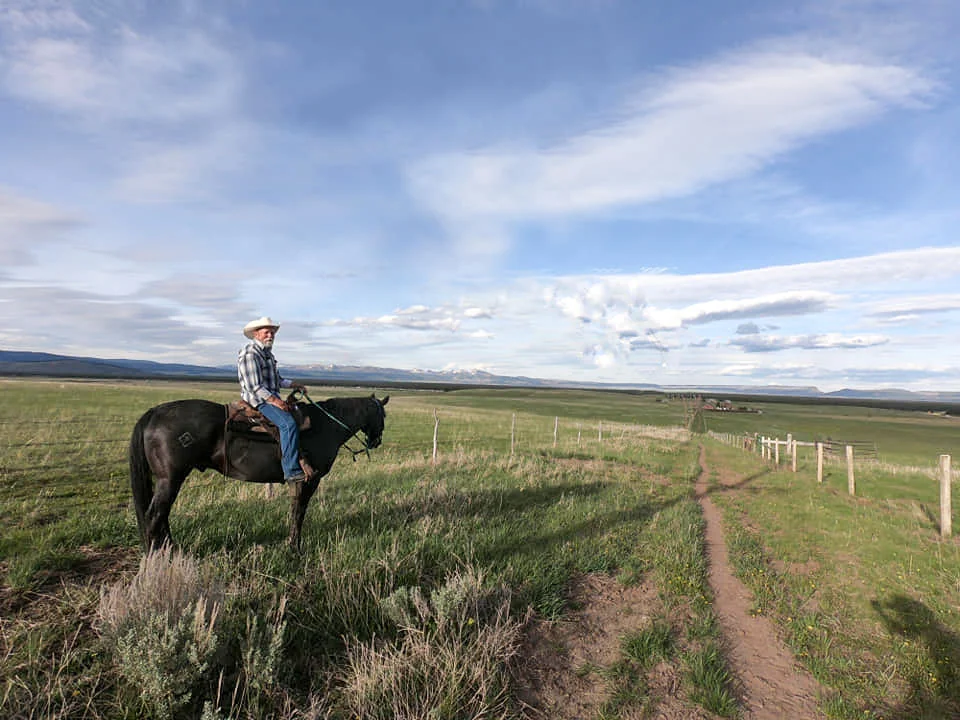
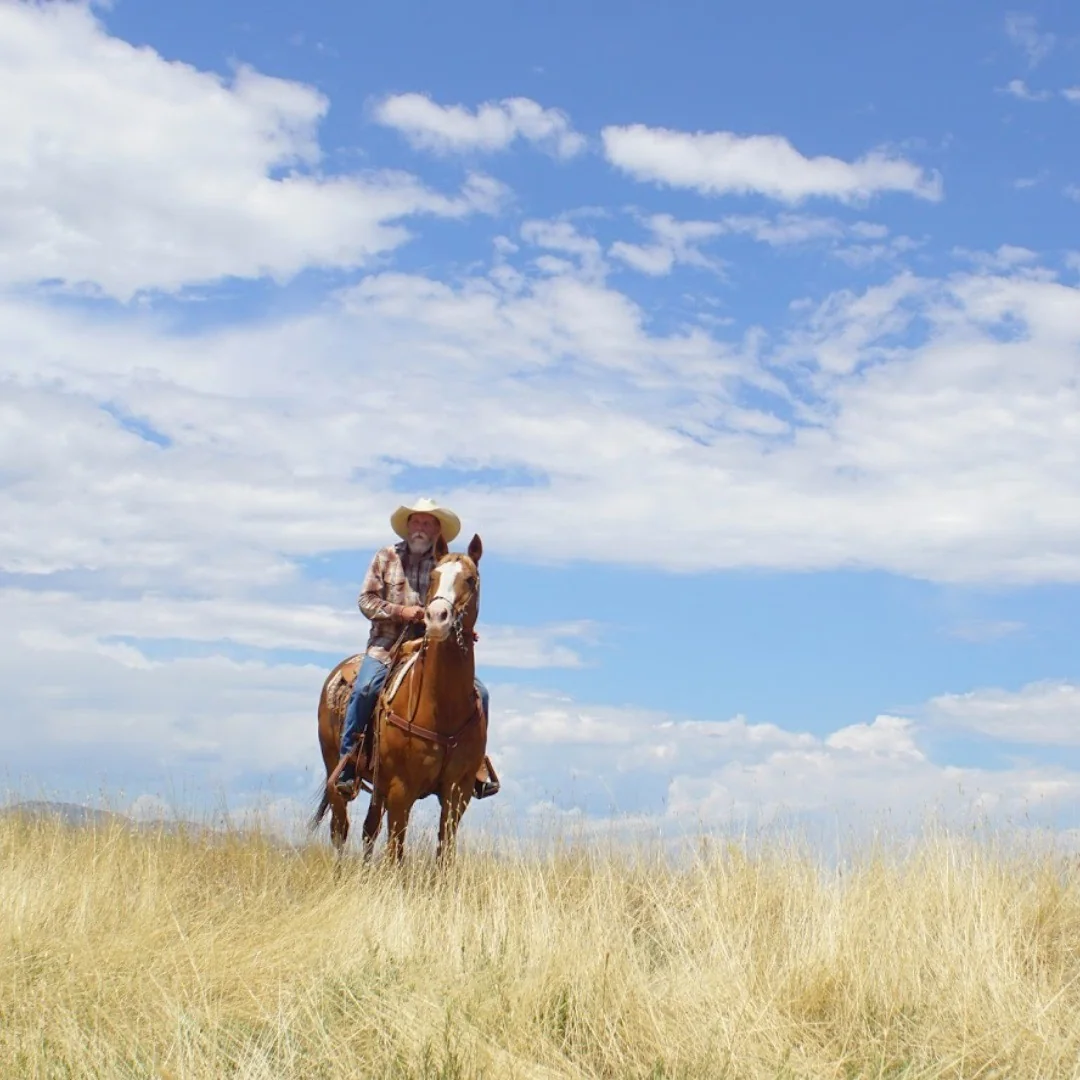
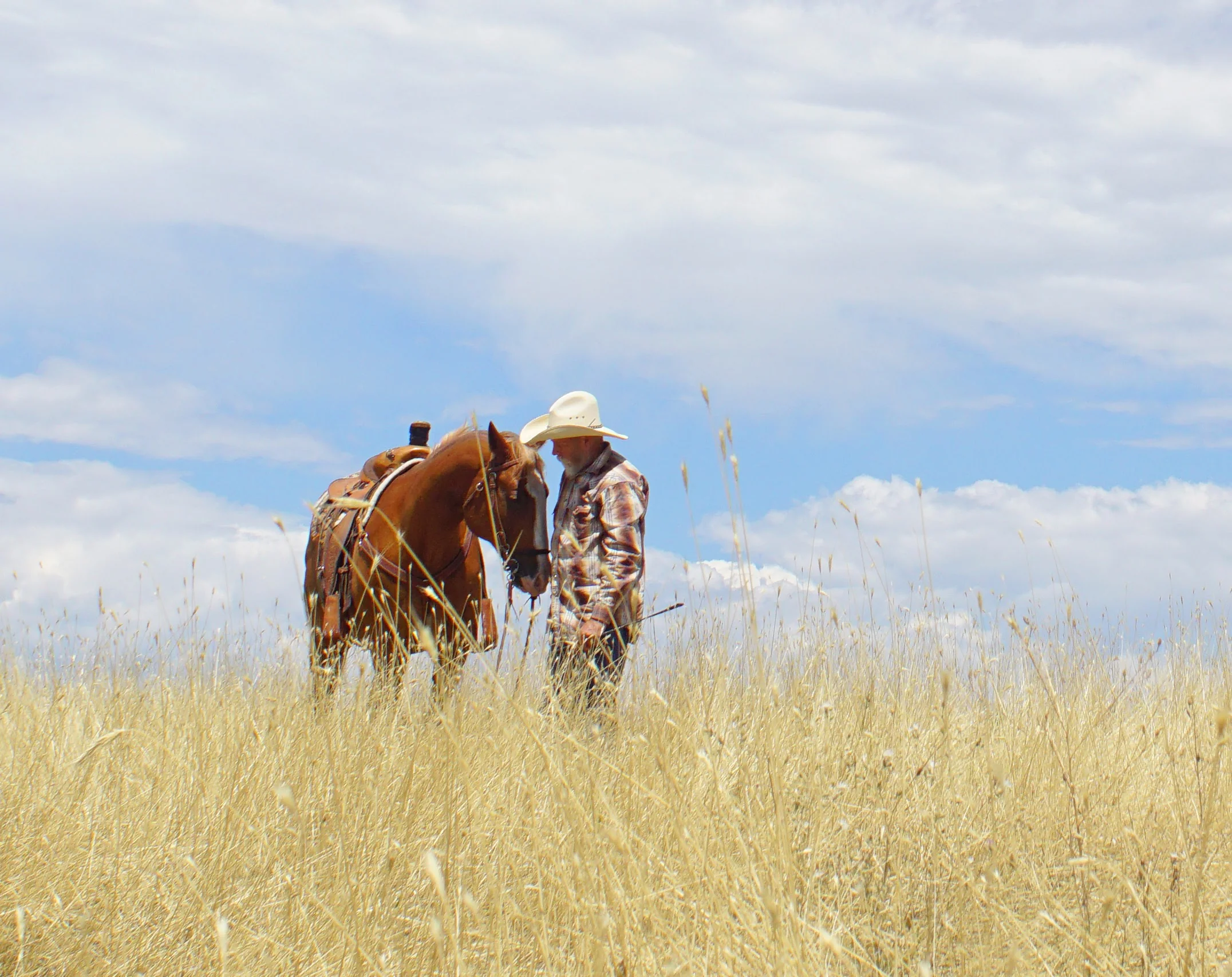
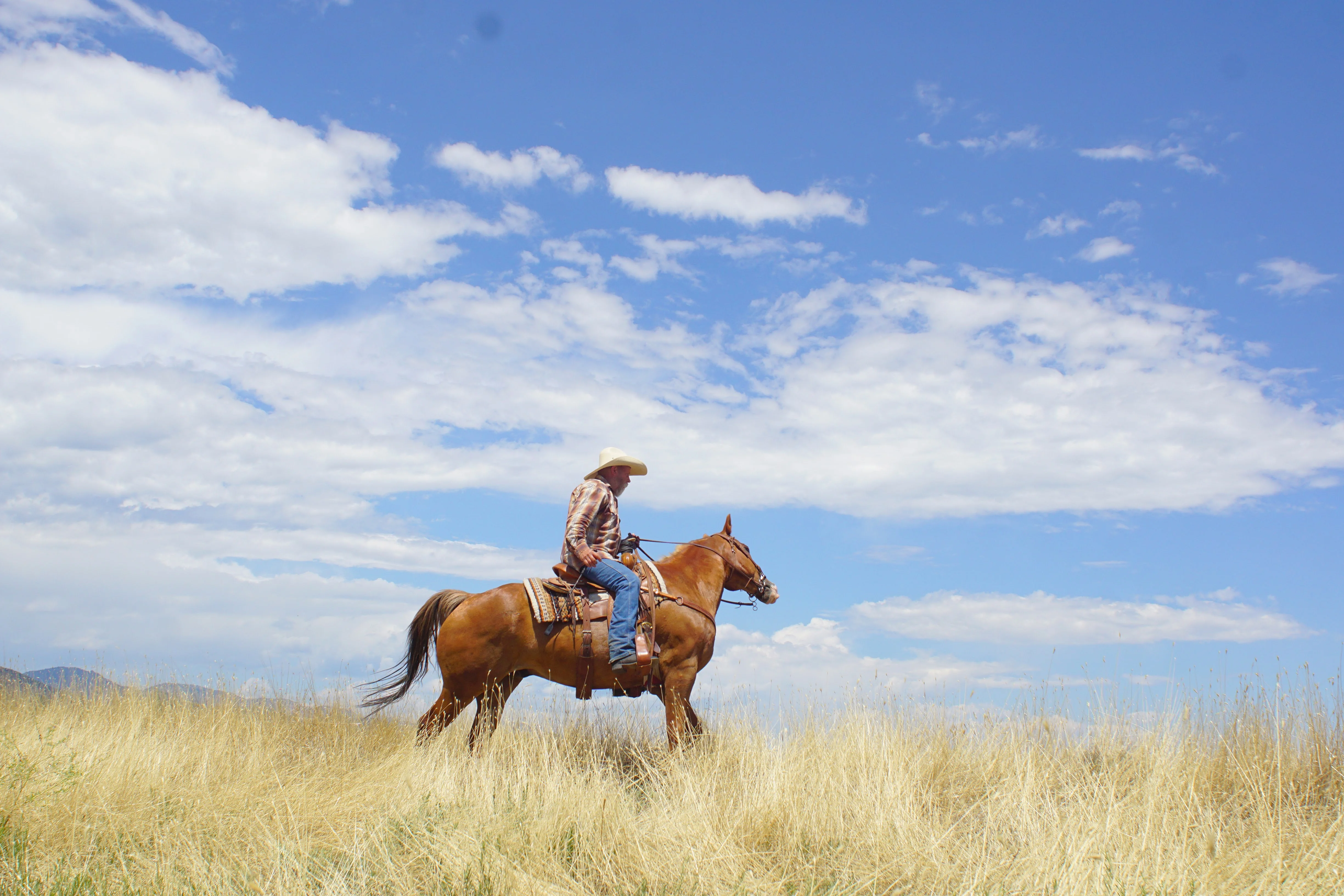
I may not own a horse, but that has not kept me from riding. The year after I retired, I leased a horse for one summer. Since then, I have gone on trail rides every year in Montana, Wyoming, Utah, and Colorado, so I know something about the pleasure of riding in the West.
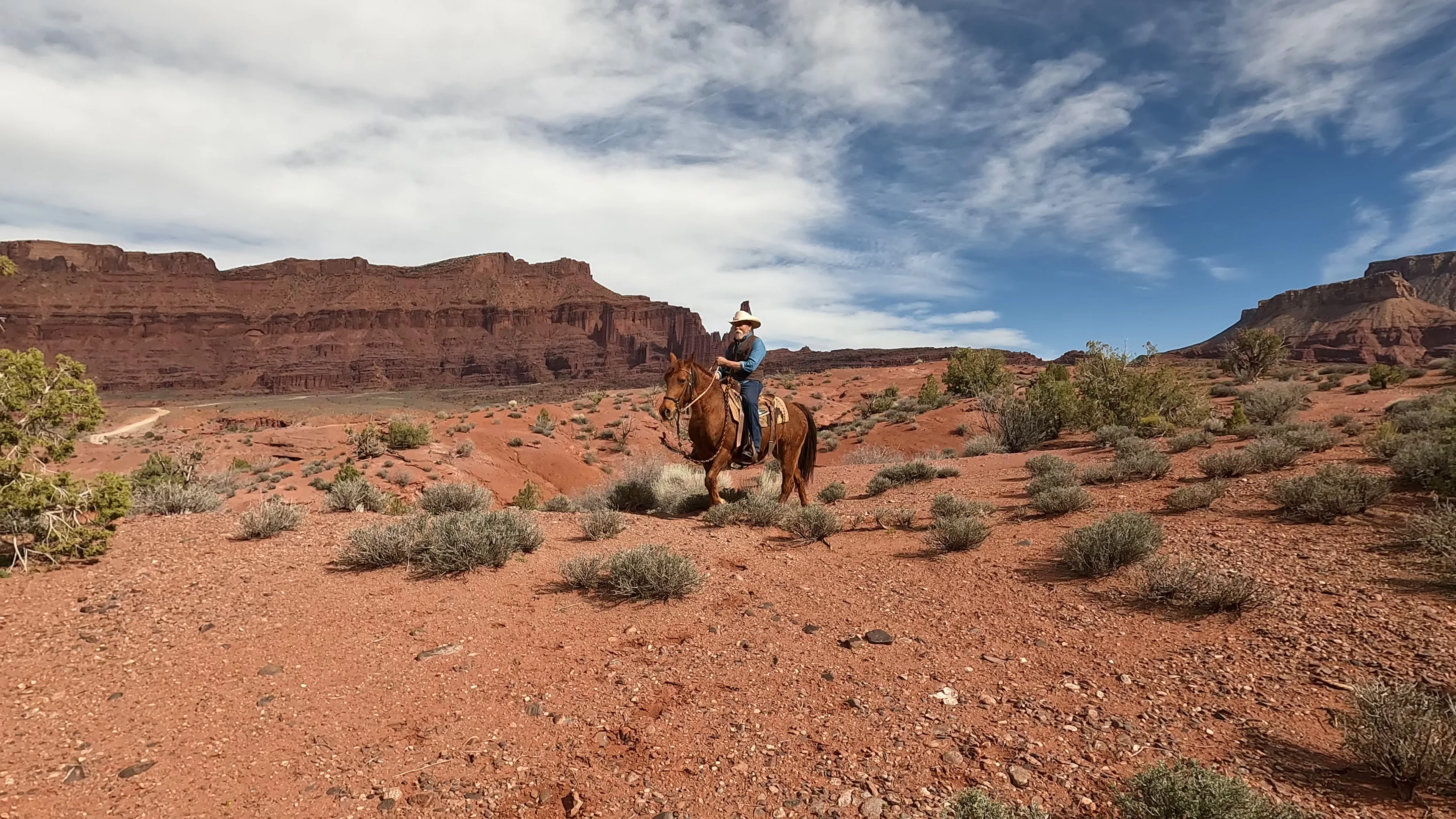
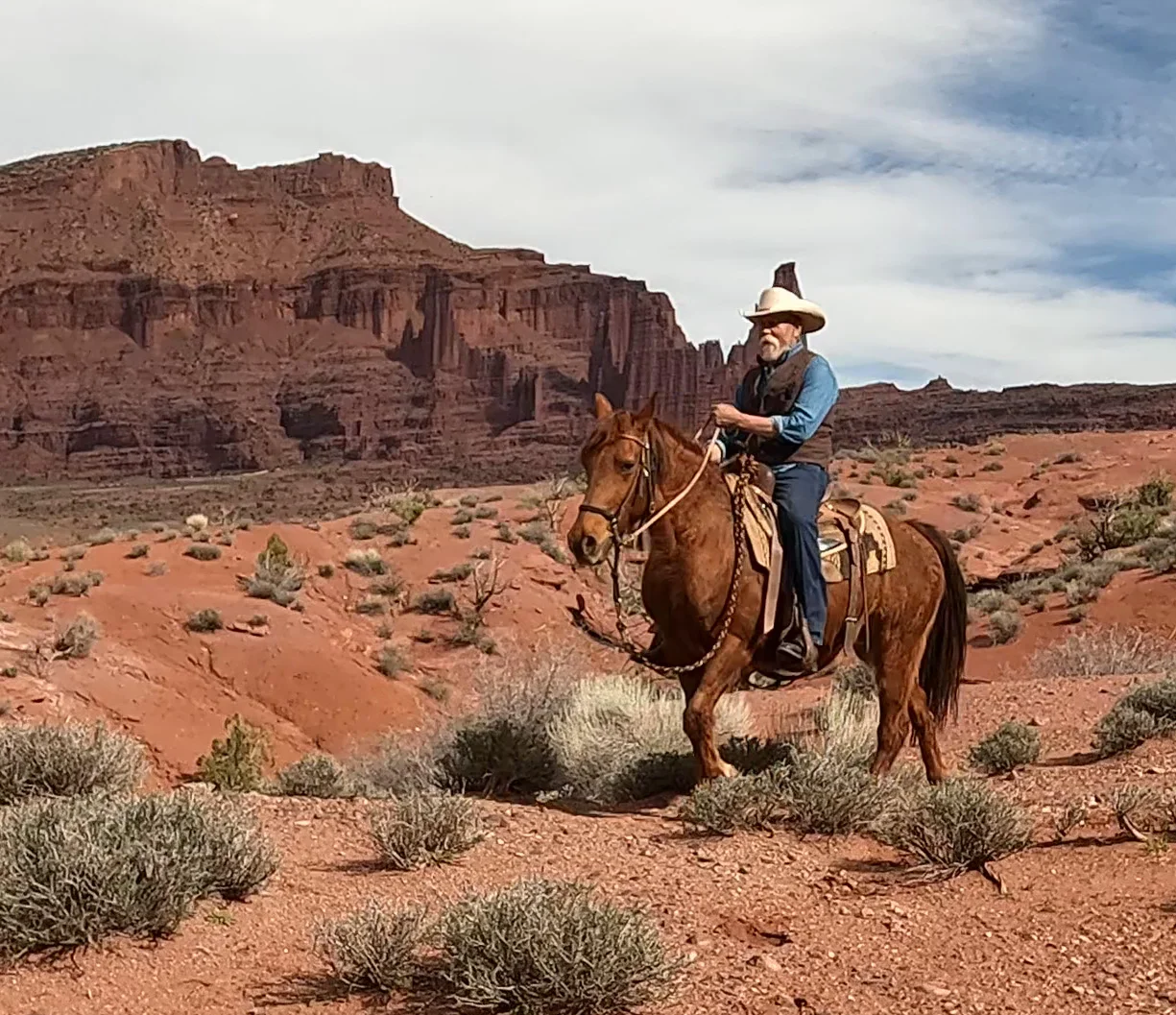
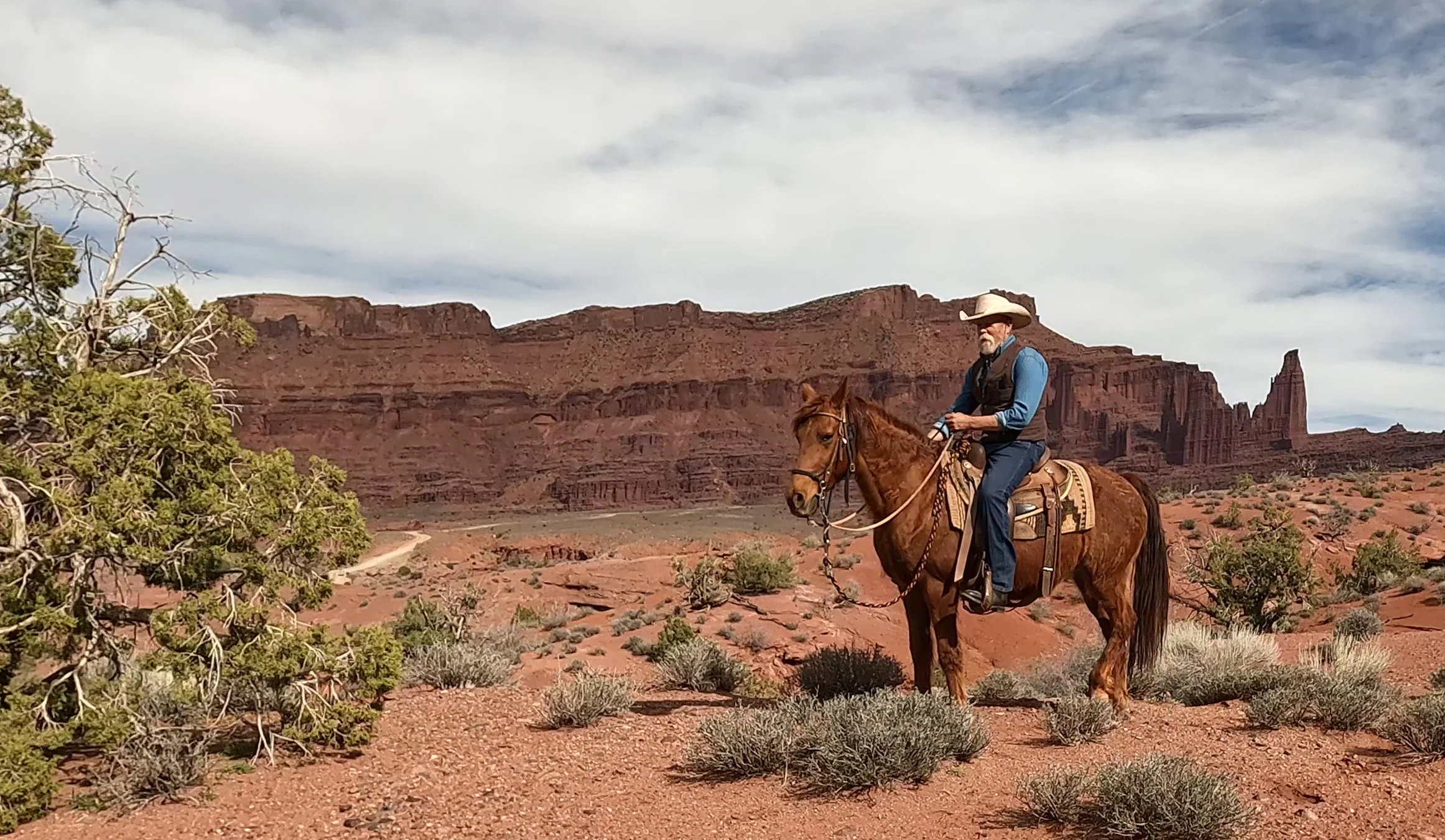
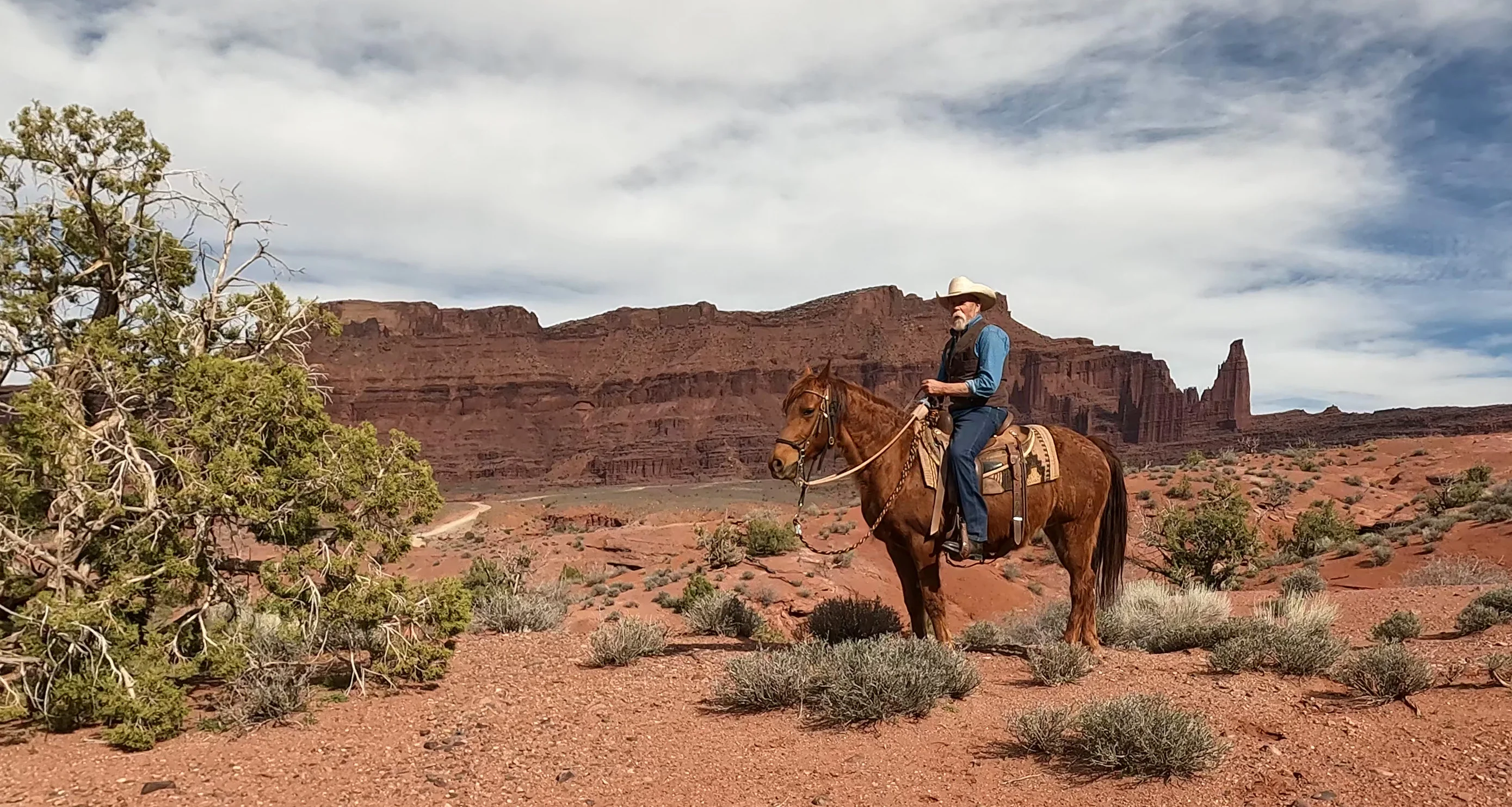
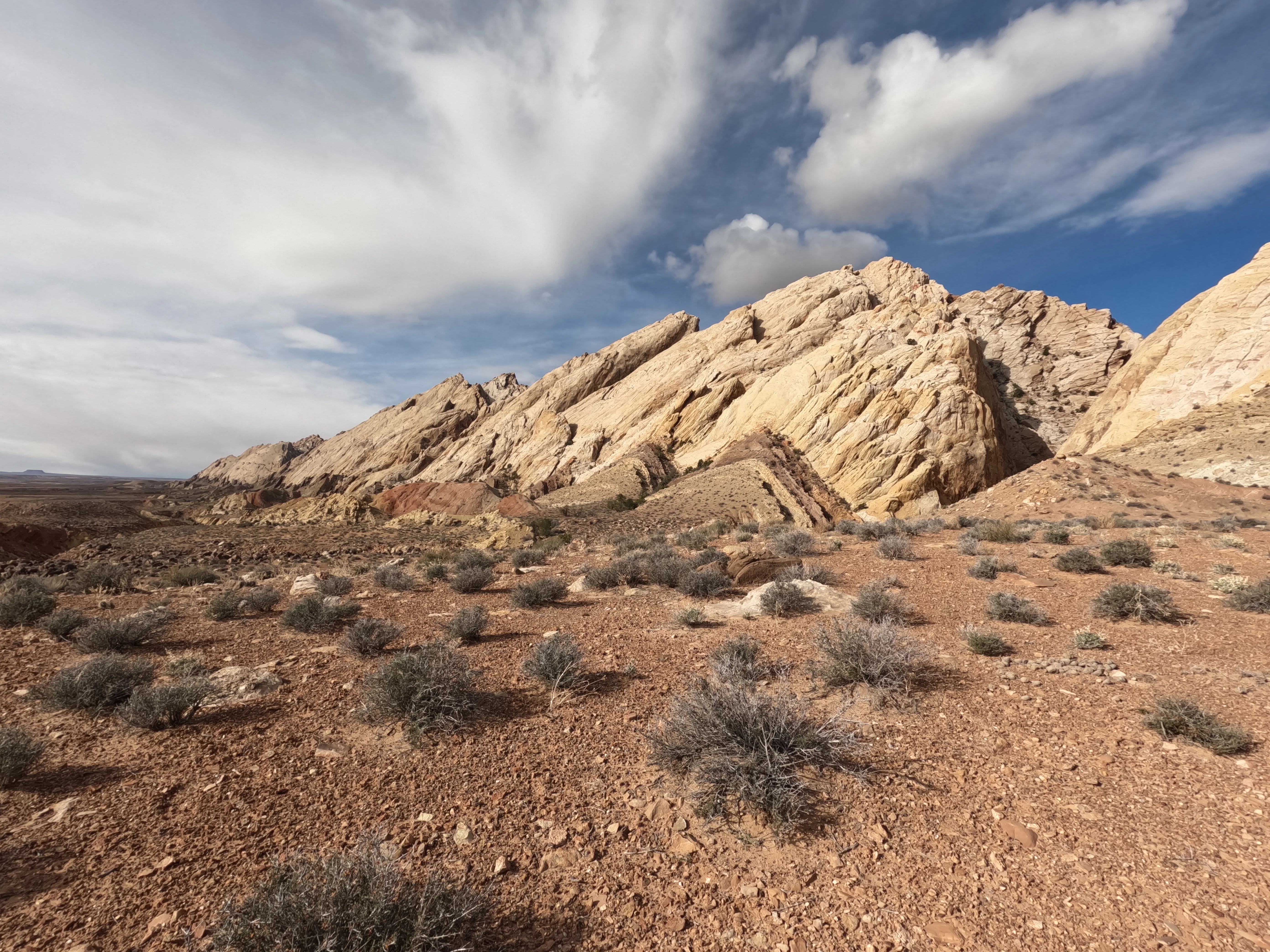
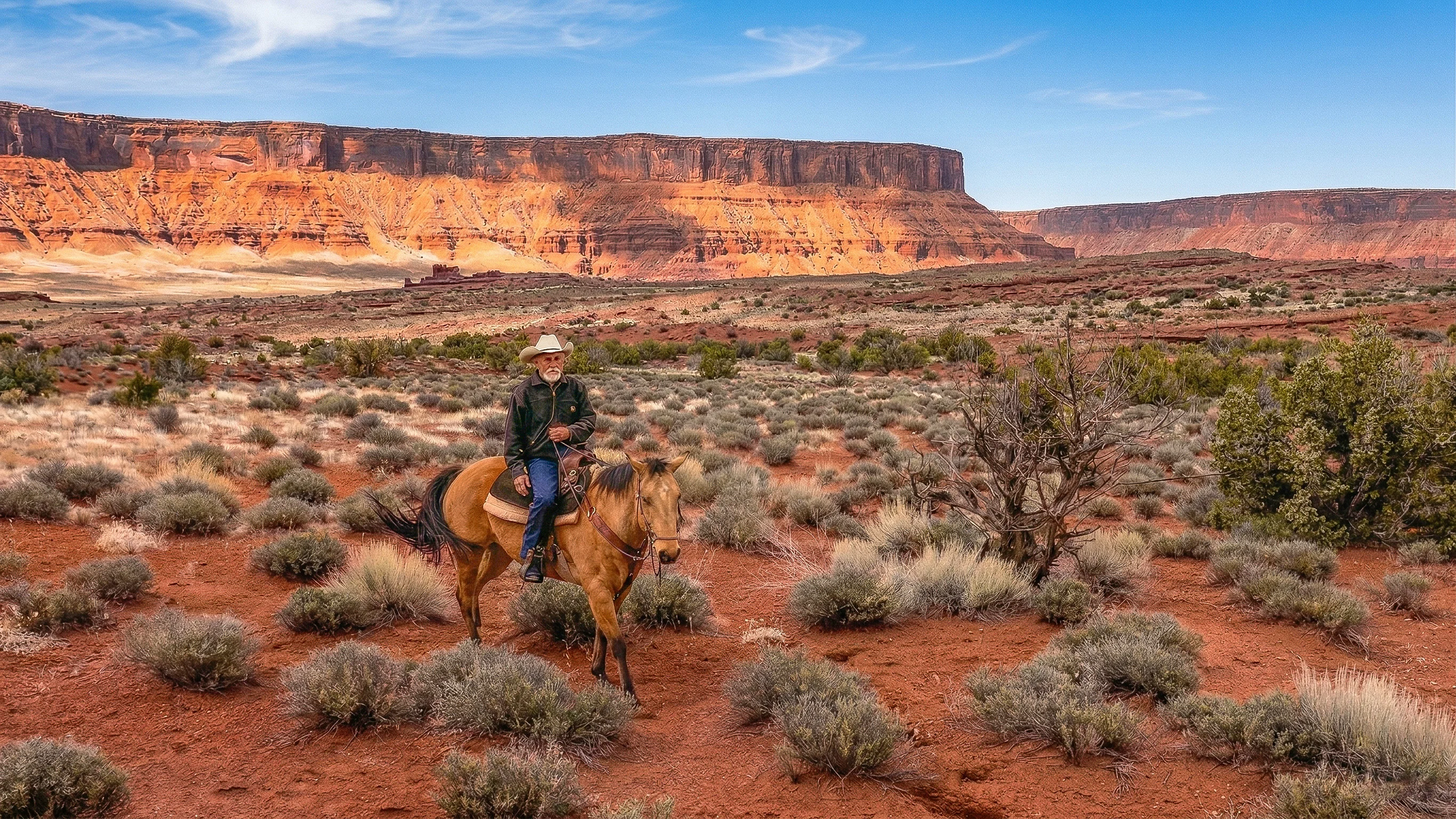
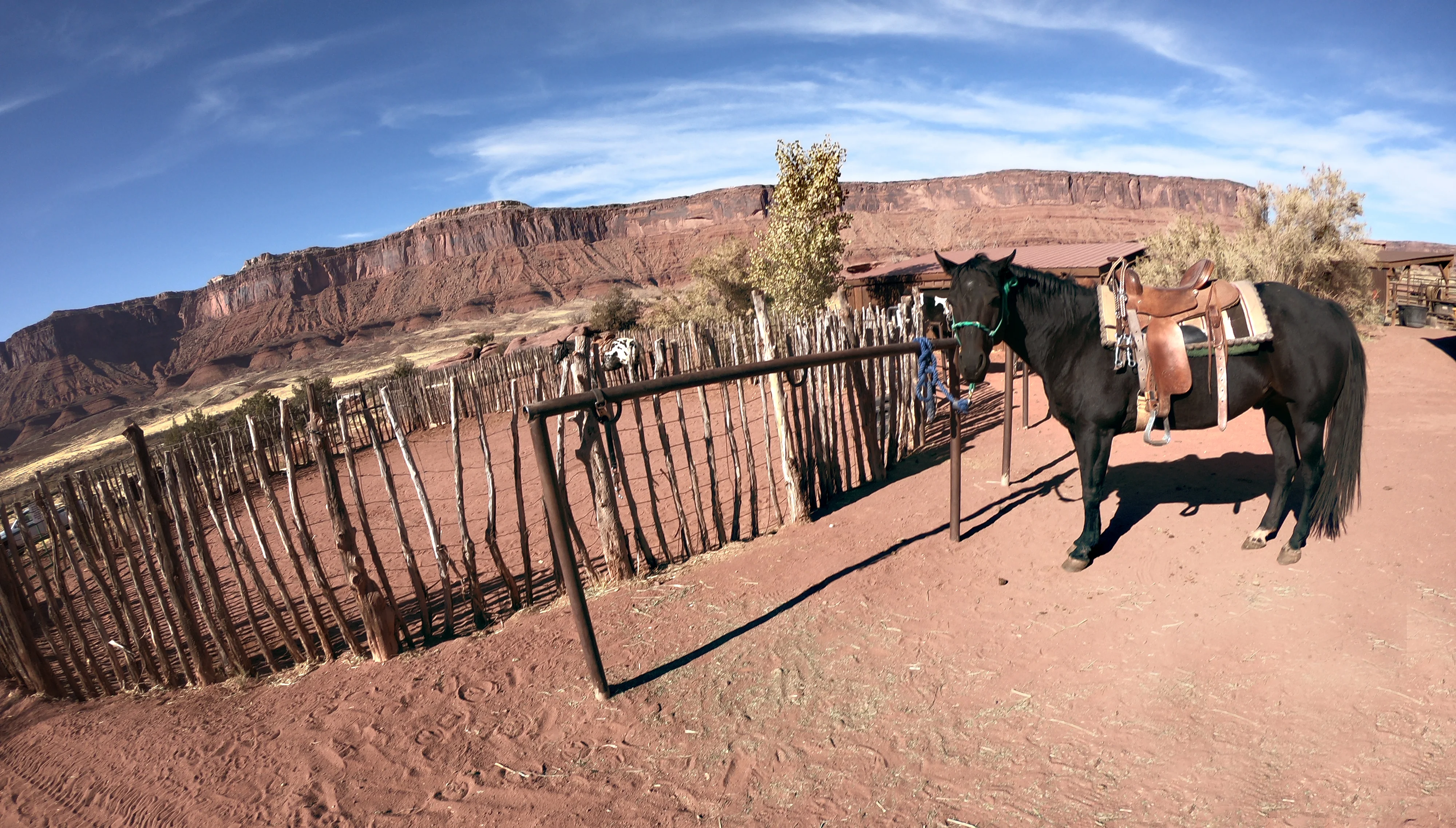
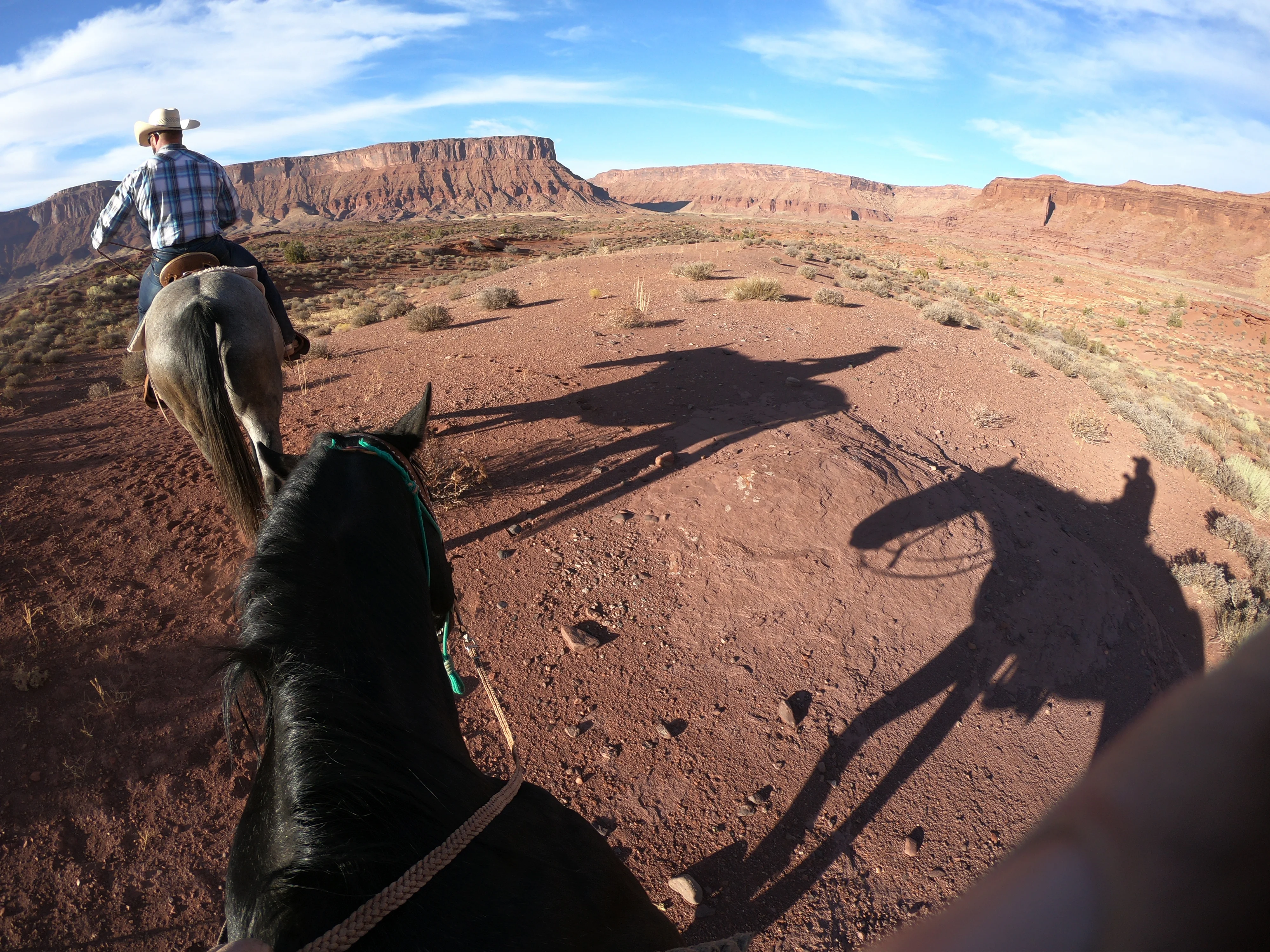
For me, it's not just the horse, but the country you're riding through. In the mountains and forests, the trails wind among spruce, fir, and pine. In desert and canyon country, you pass through sagebrush, rabbitbrush, and juniper, with red rock and open views stretching in every direction.
When I leased a horse, I usually rode out alone, which I preferred, just as I prefer hiking alone. But riding alone also has its risks. Once my horse shied so suddenly that I could not stay on. Fortunately, I held onto the reins, so I did not have to make the walk of shame back to the barn without my horse. Now, as I move through my seventies, trail rides seem the wiser choice, since there are other people nearby if something goes wrong.
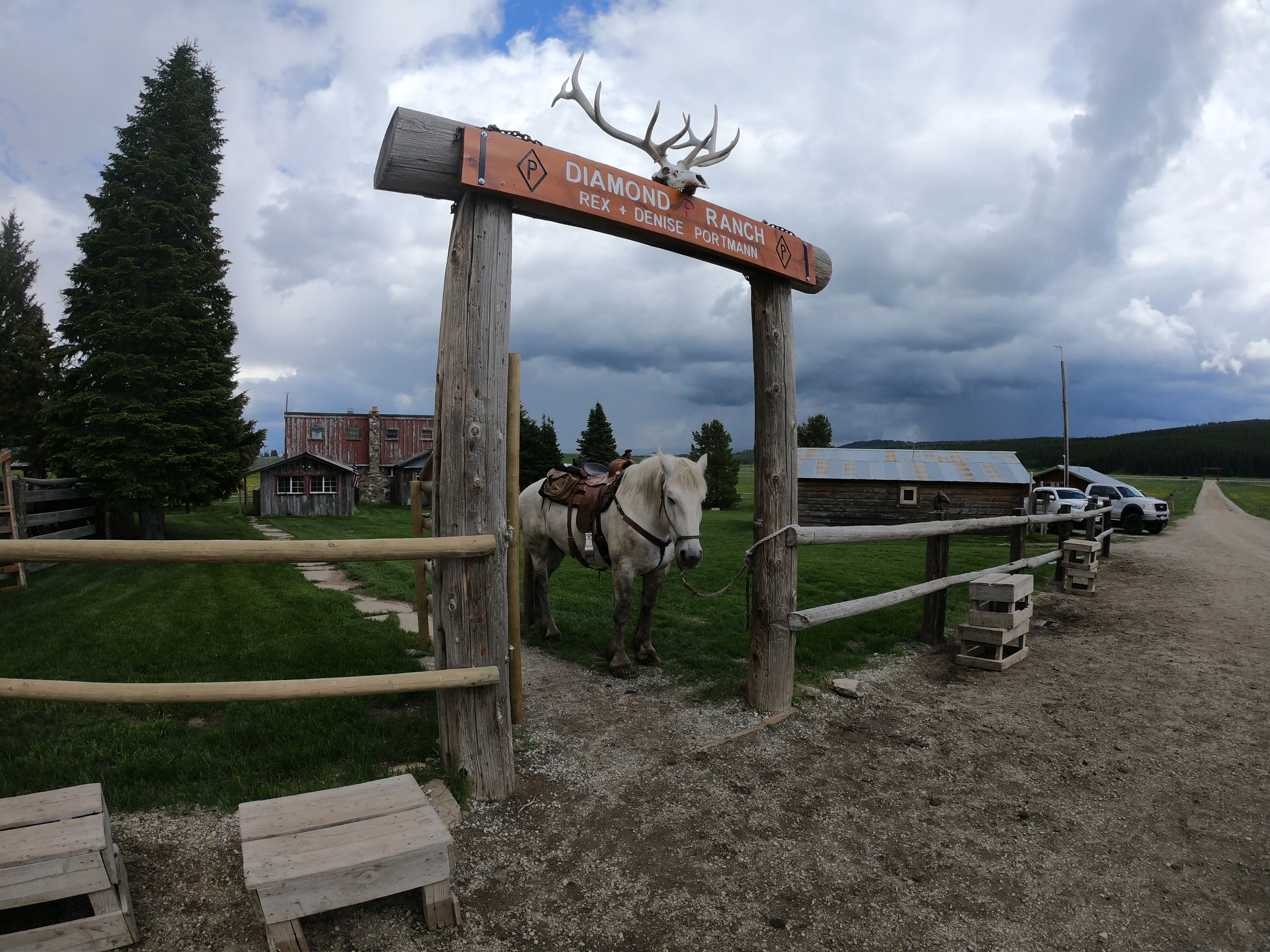
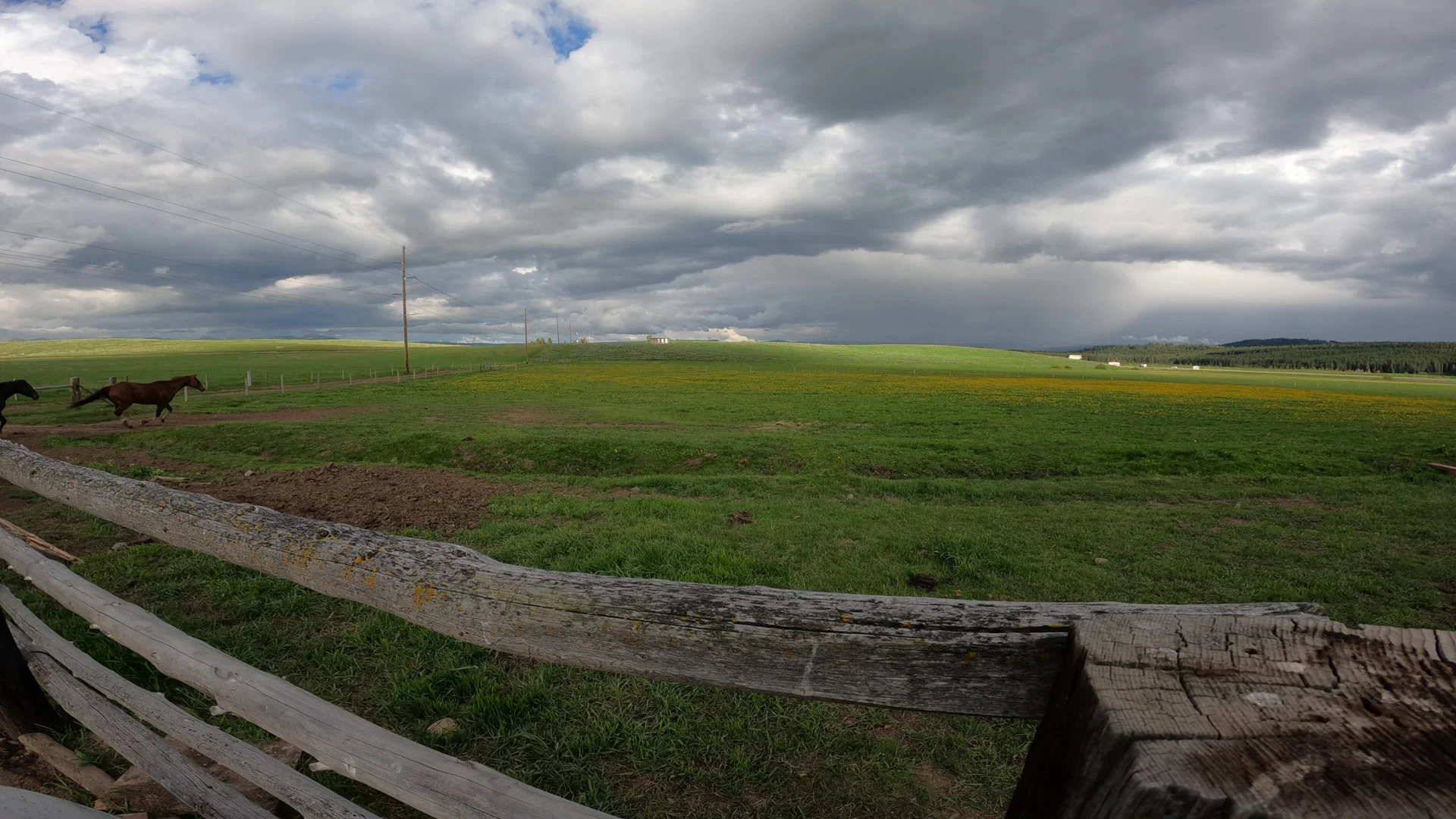
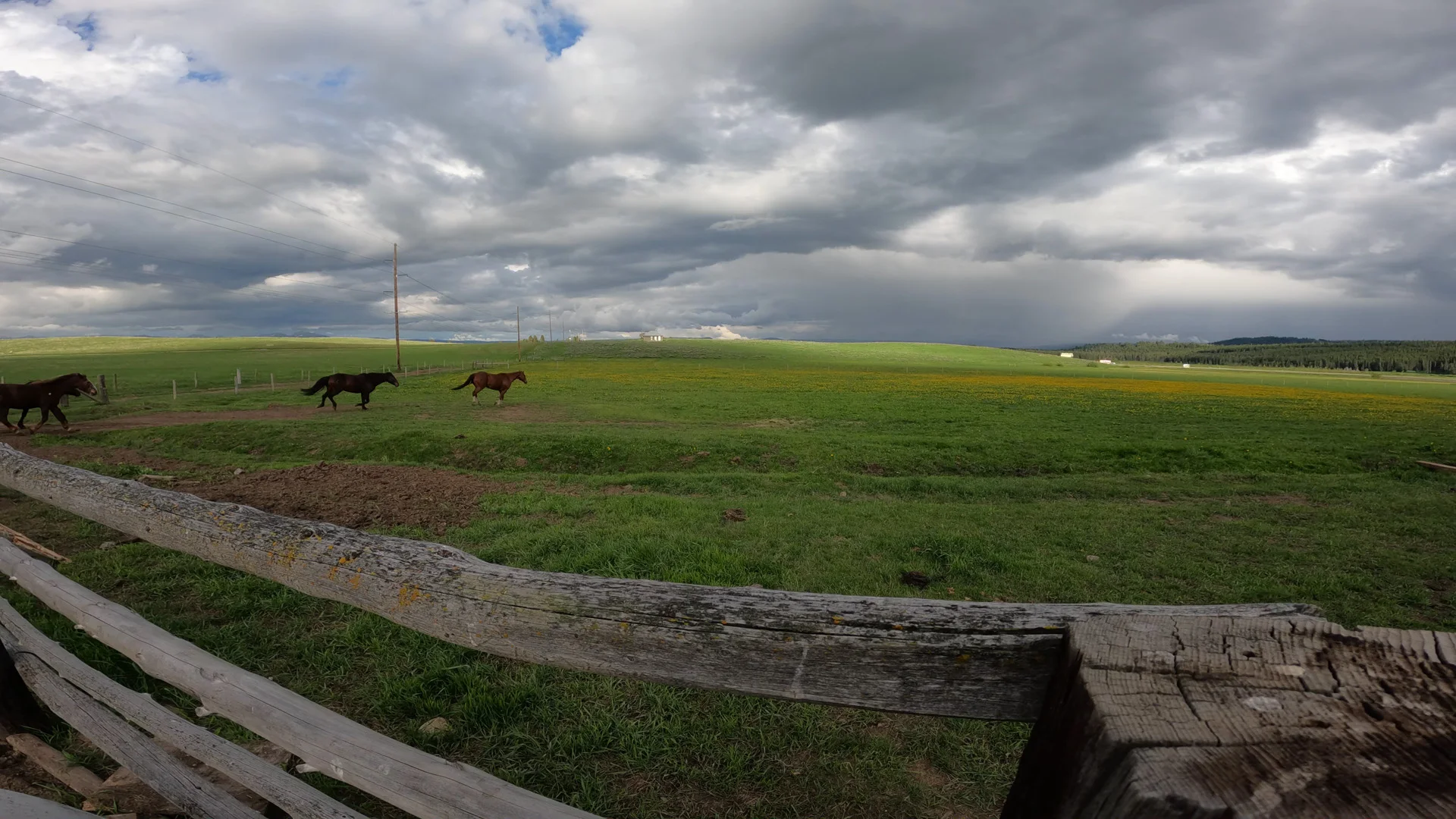
Even on a group ride, though, there can be surprises. One early June day in Montana, our group entered a meadow where several elk were grazing. One of them apparently decided the meadow belonged to the elk, not to us, and charged the horses. One horse bolted and took off running, but fortunately the woman riding it managed to stay on.
My favorite ride has always been around Fisher Towers above the Colorado River in Utah. More than any other place, that canyon country—with its towers of red rock, its breadth, and its silence—has given me a special feeling for the West.
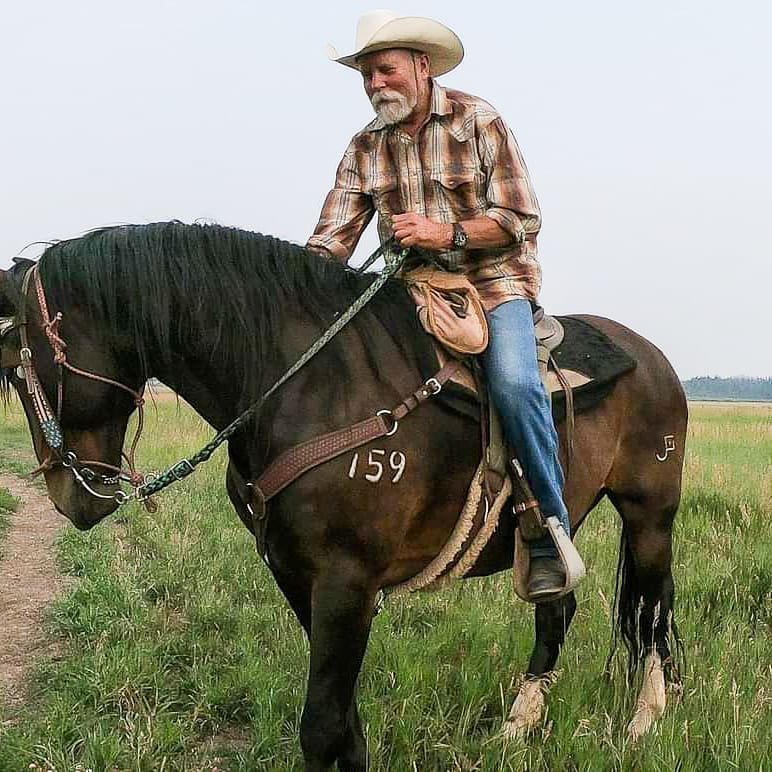
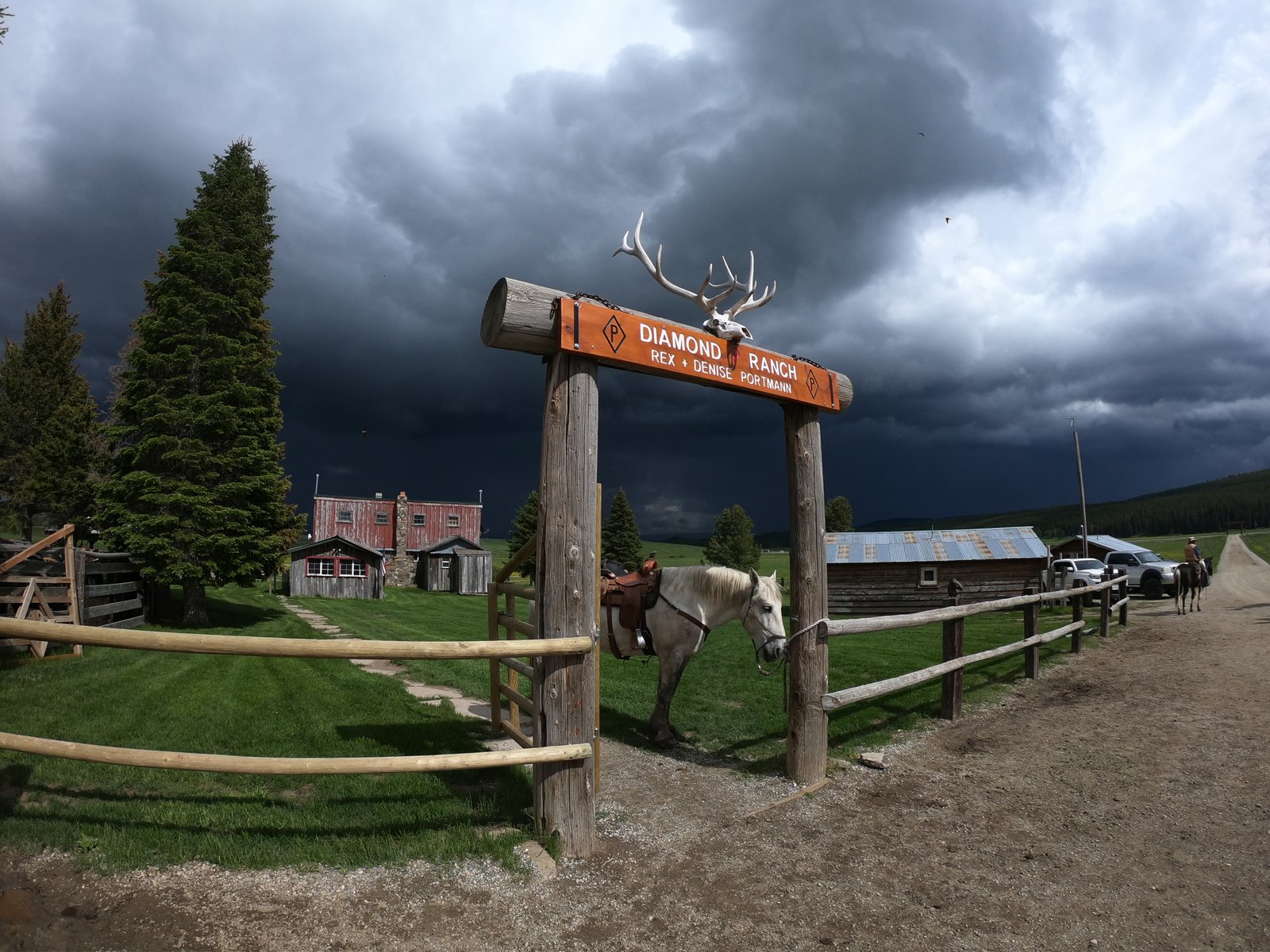
(click on photos below for larger image . . . - Esc or clicking outside of image will close it)
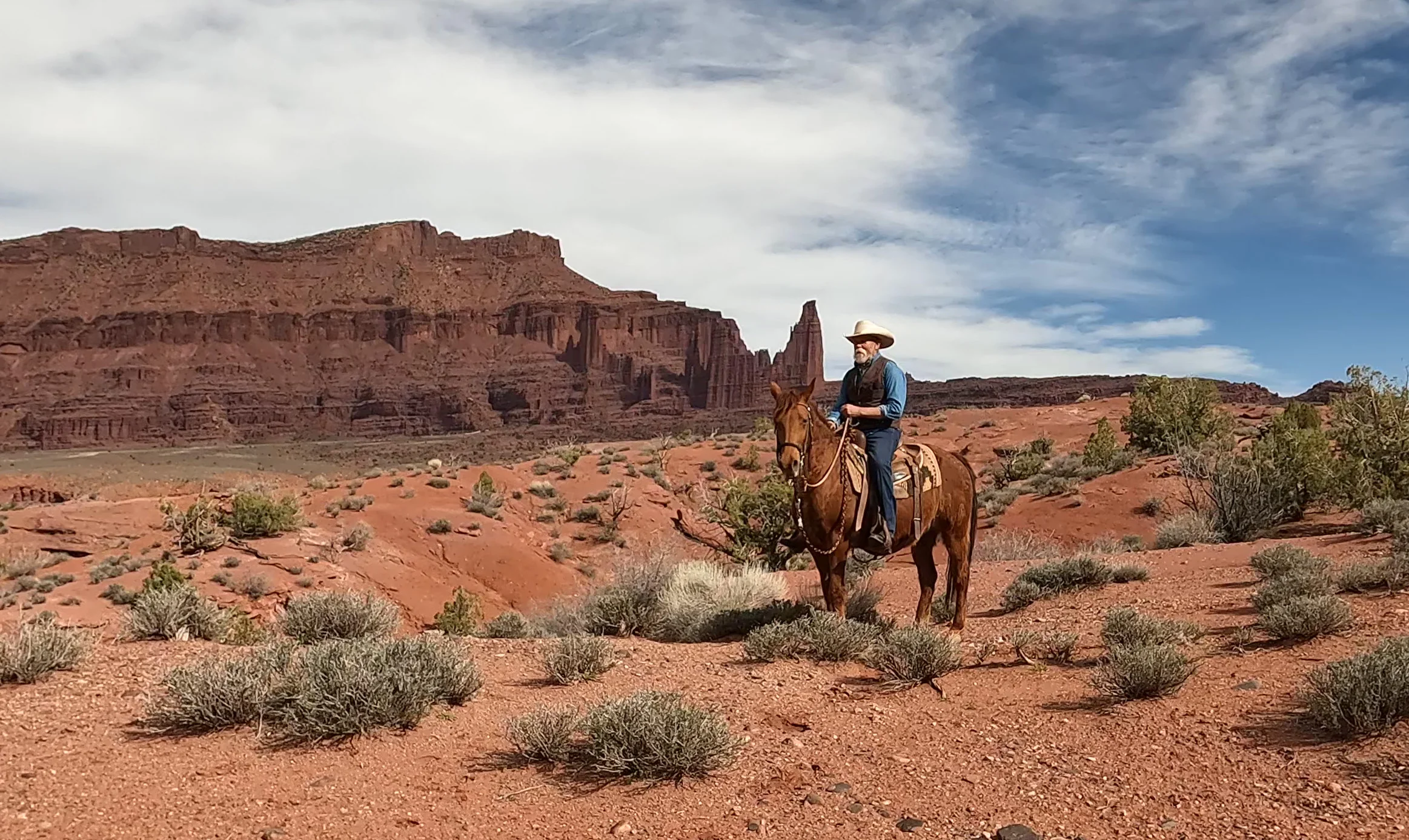
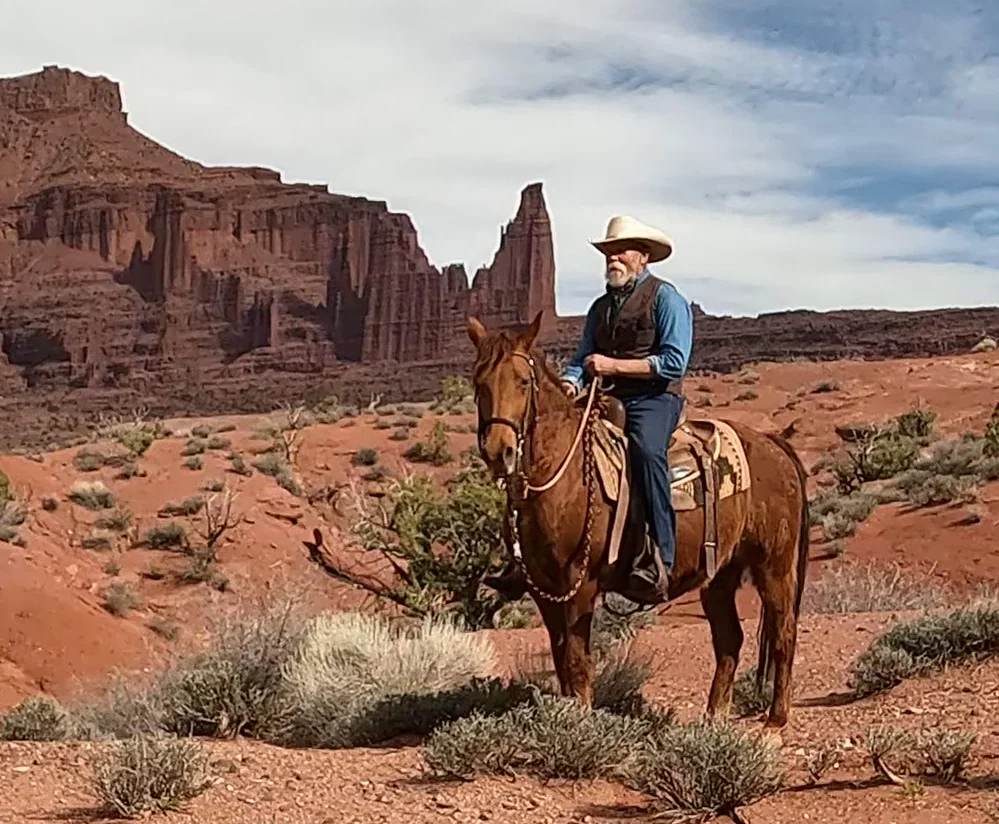
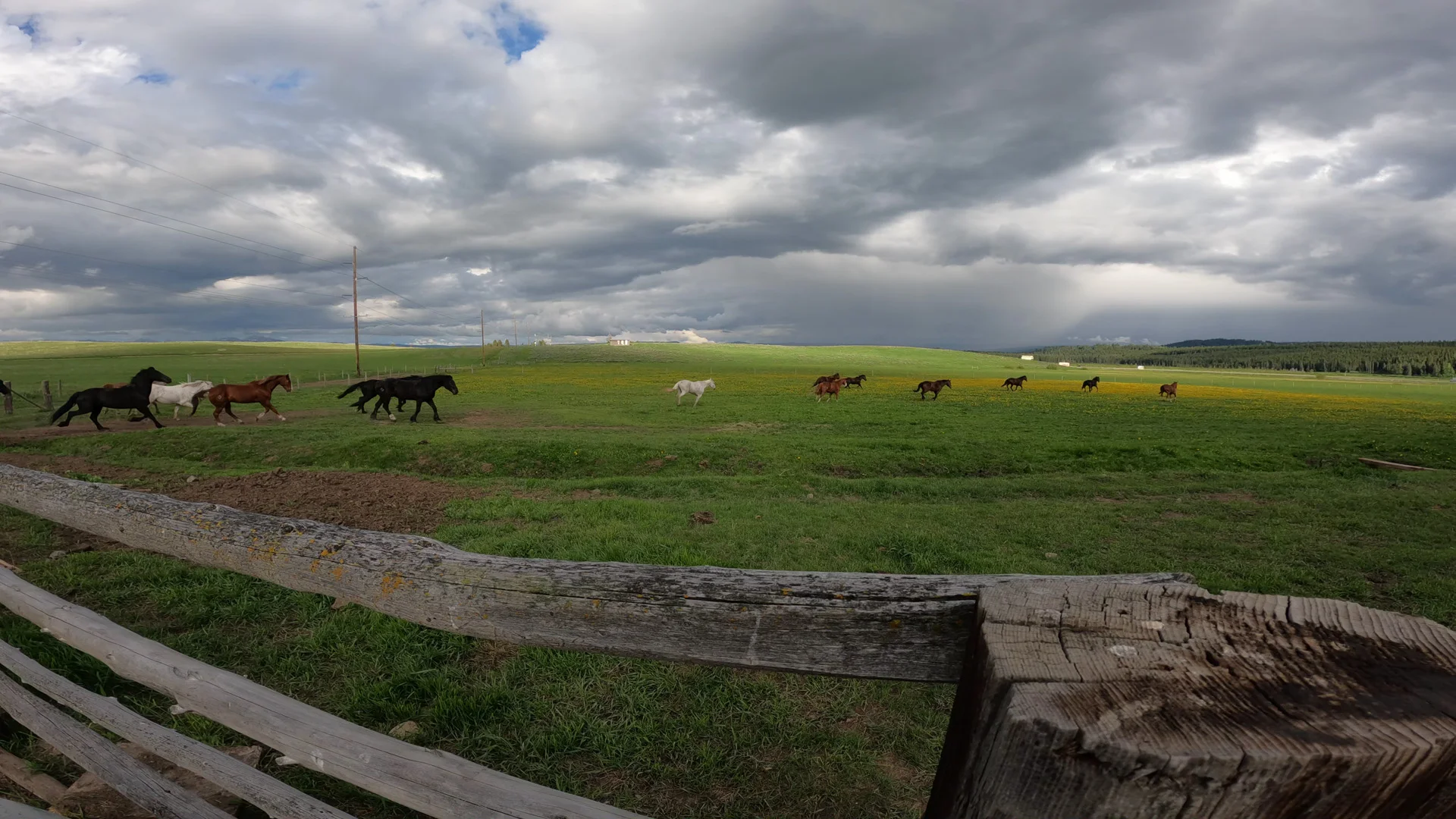
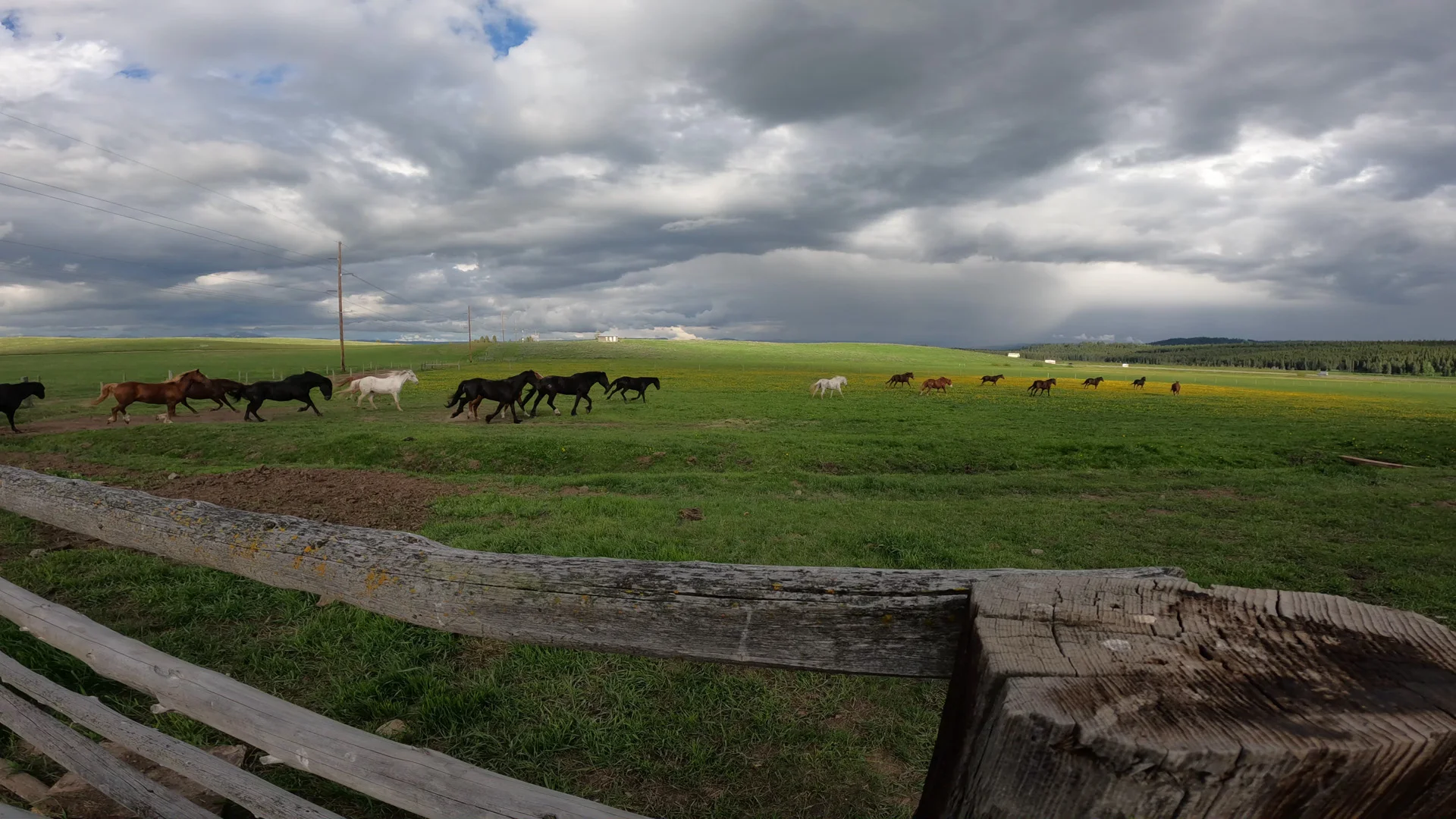
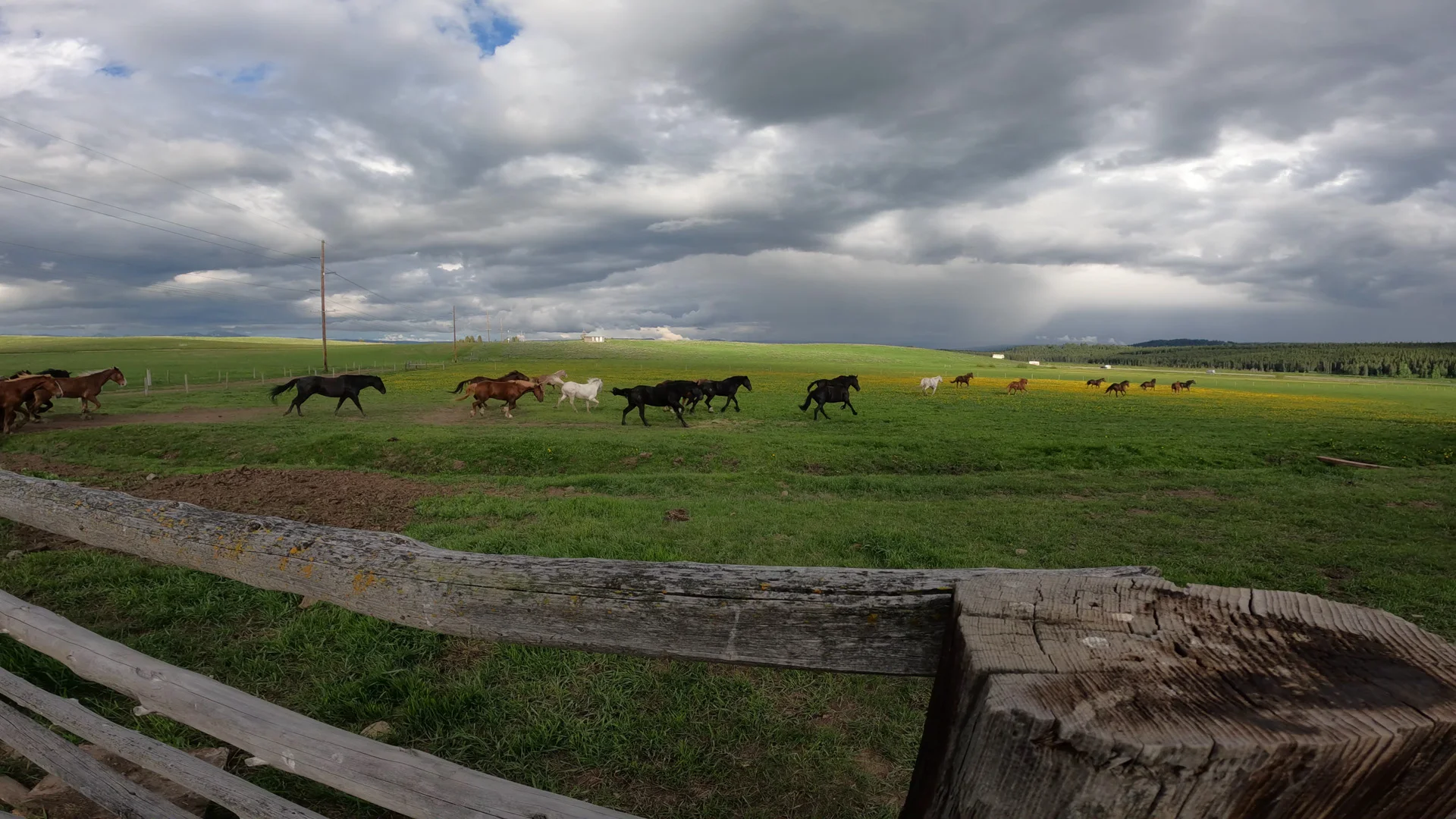
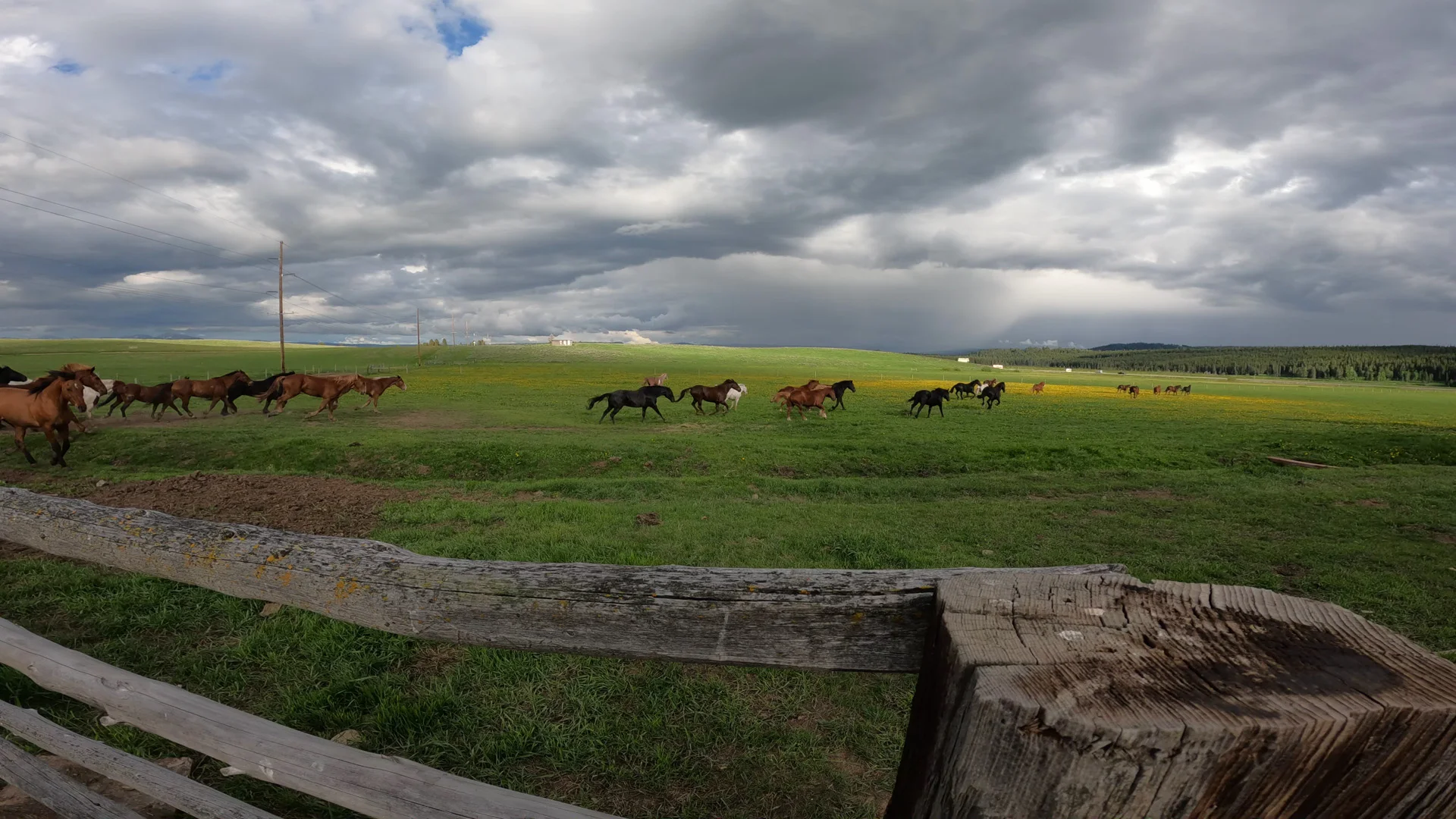
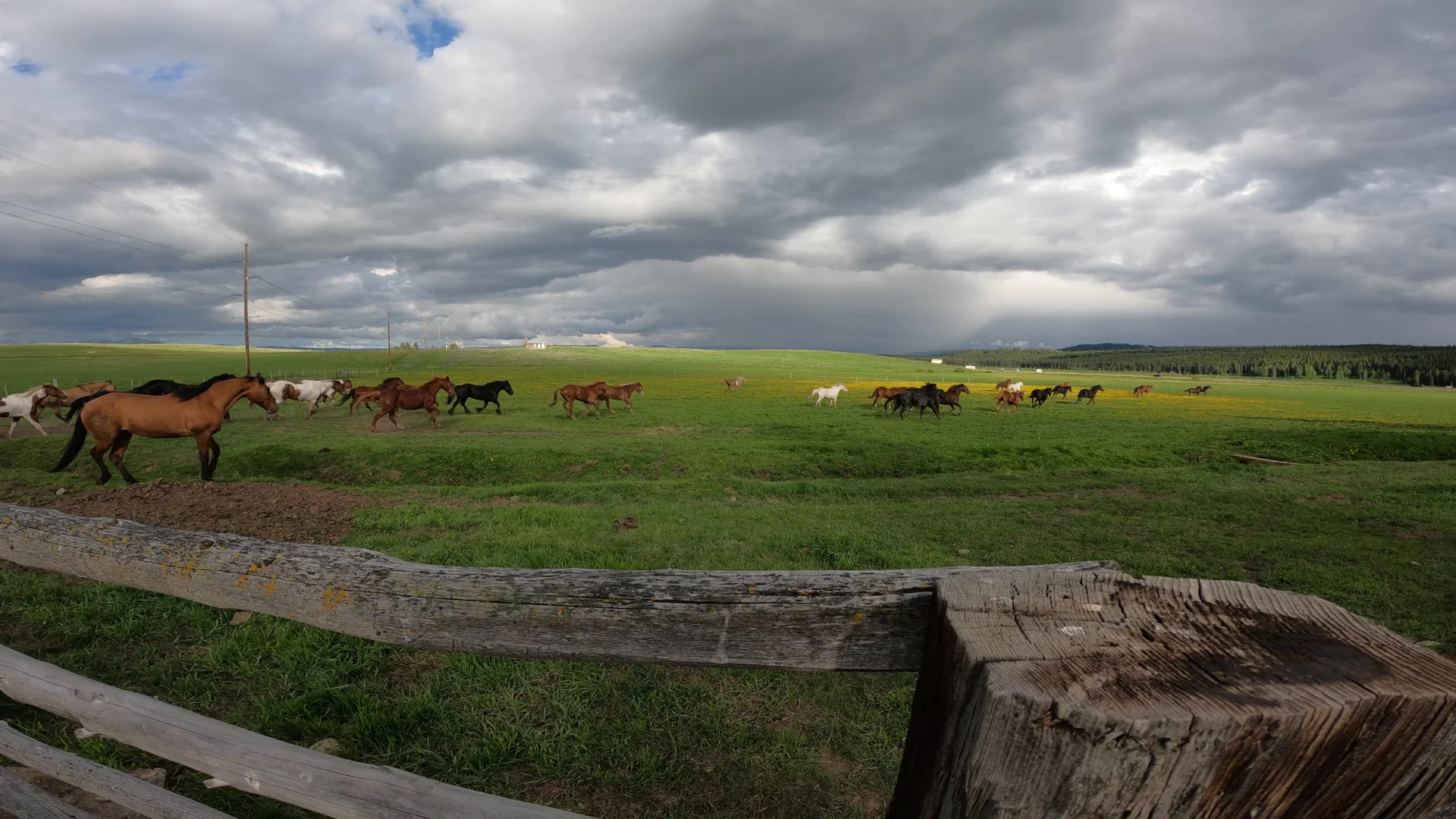
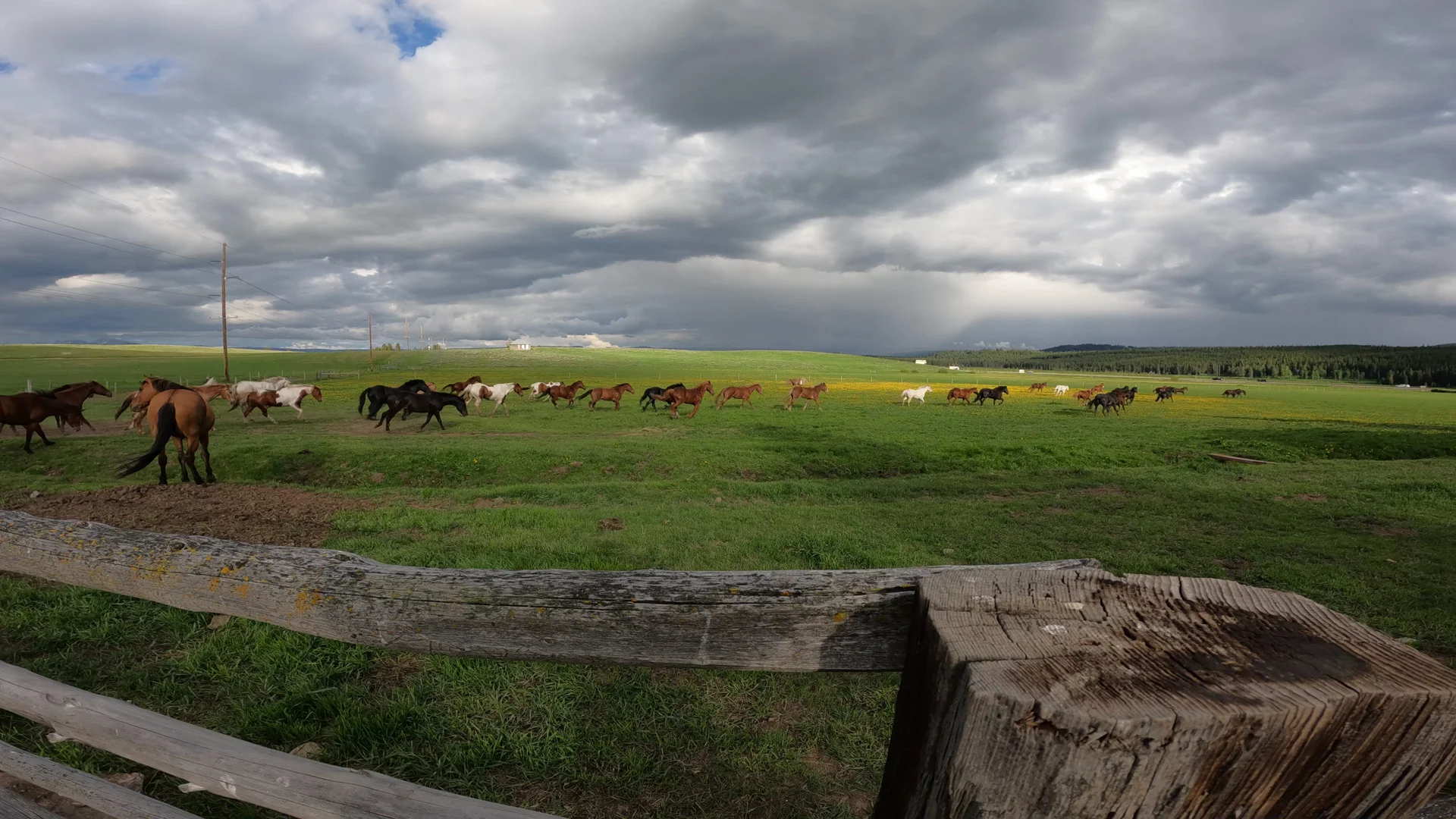
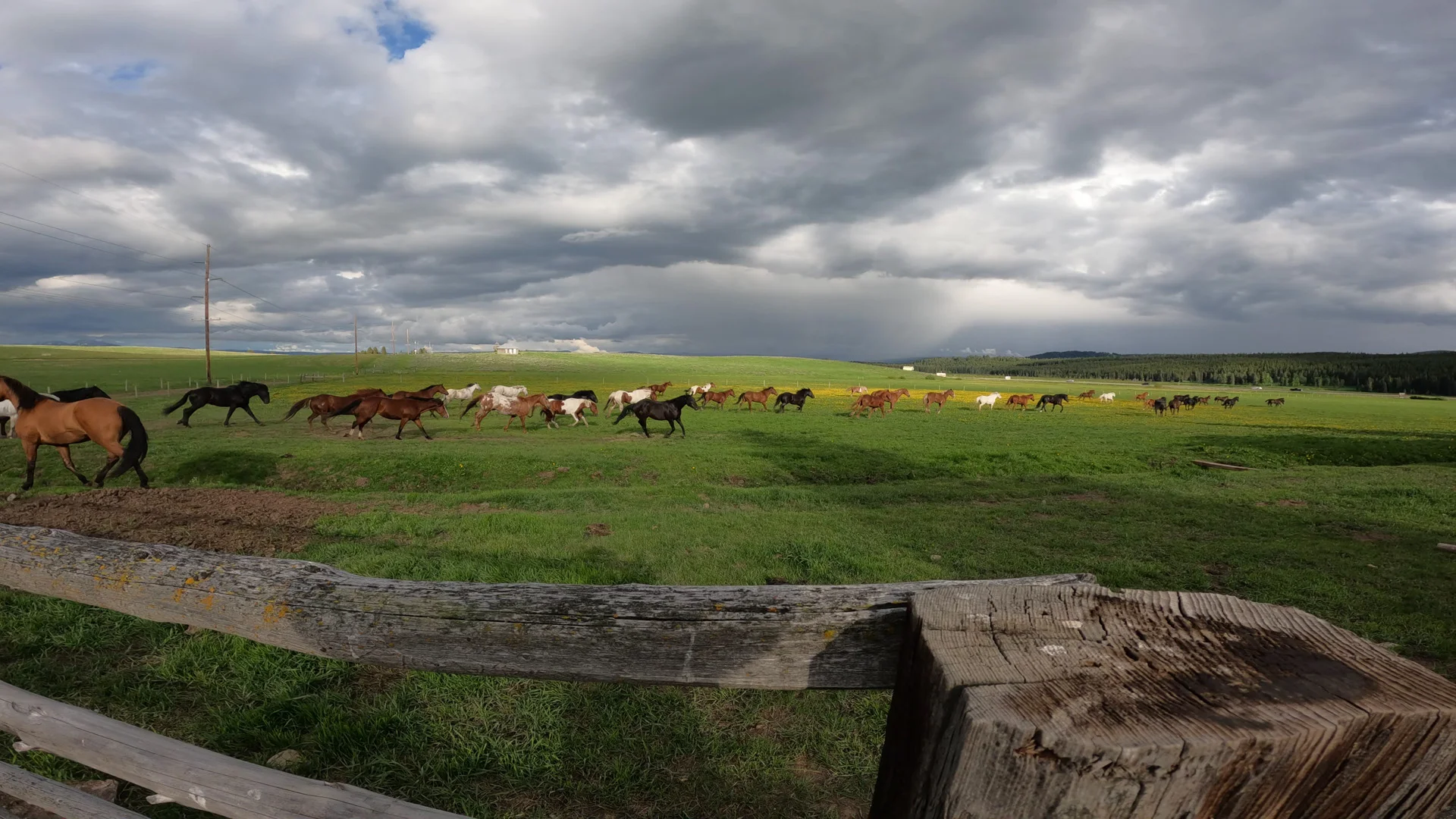
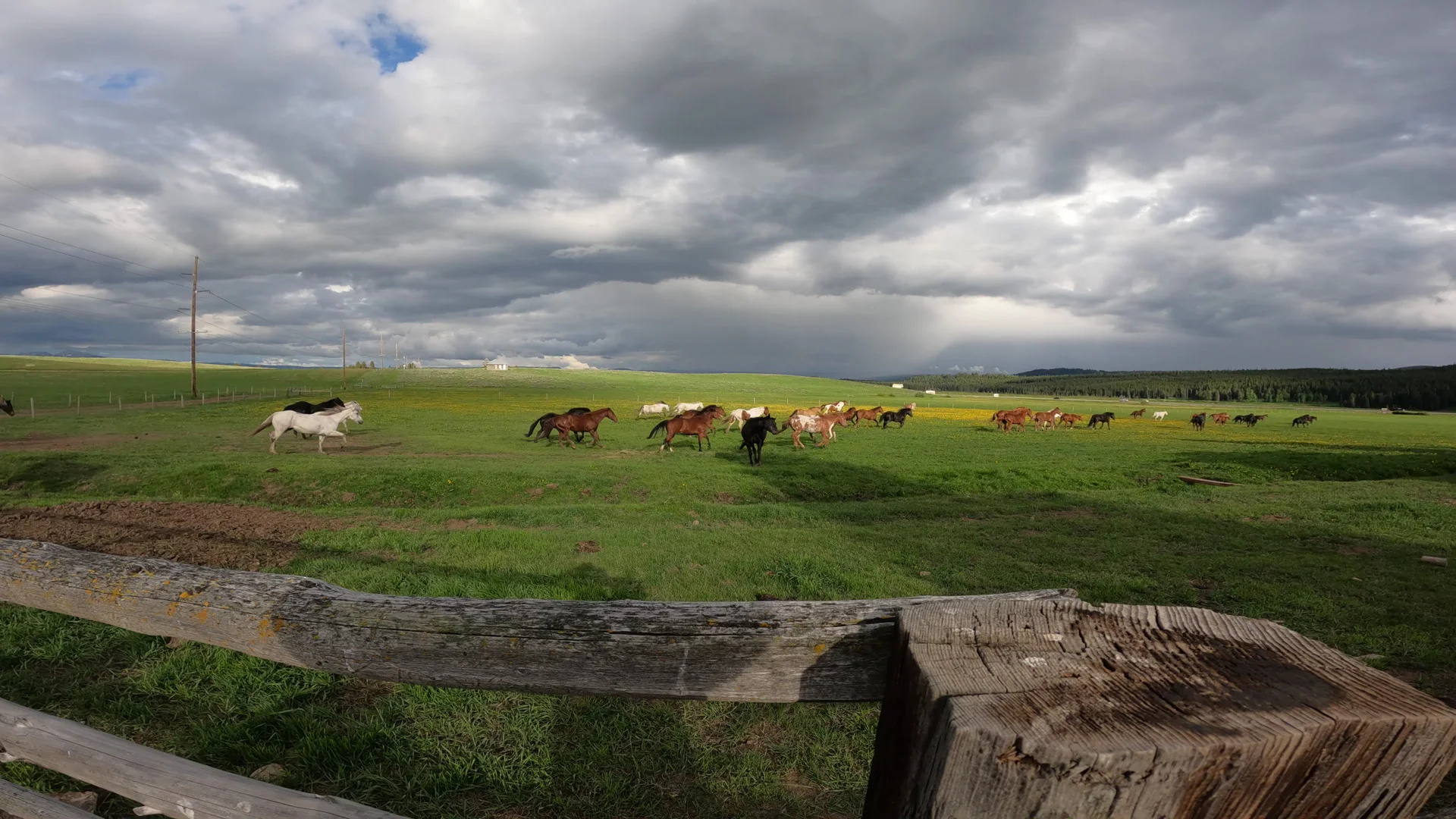
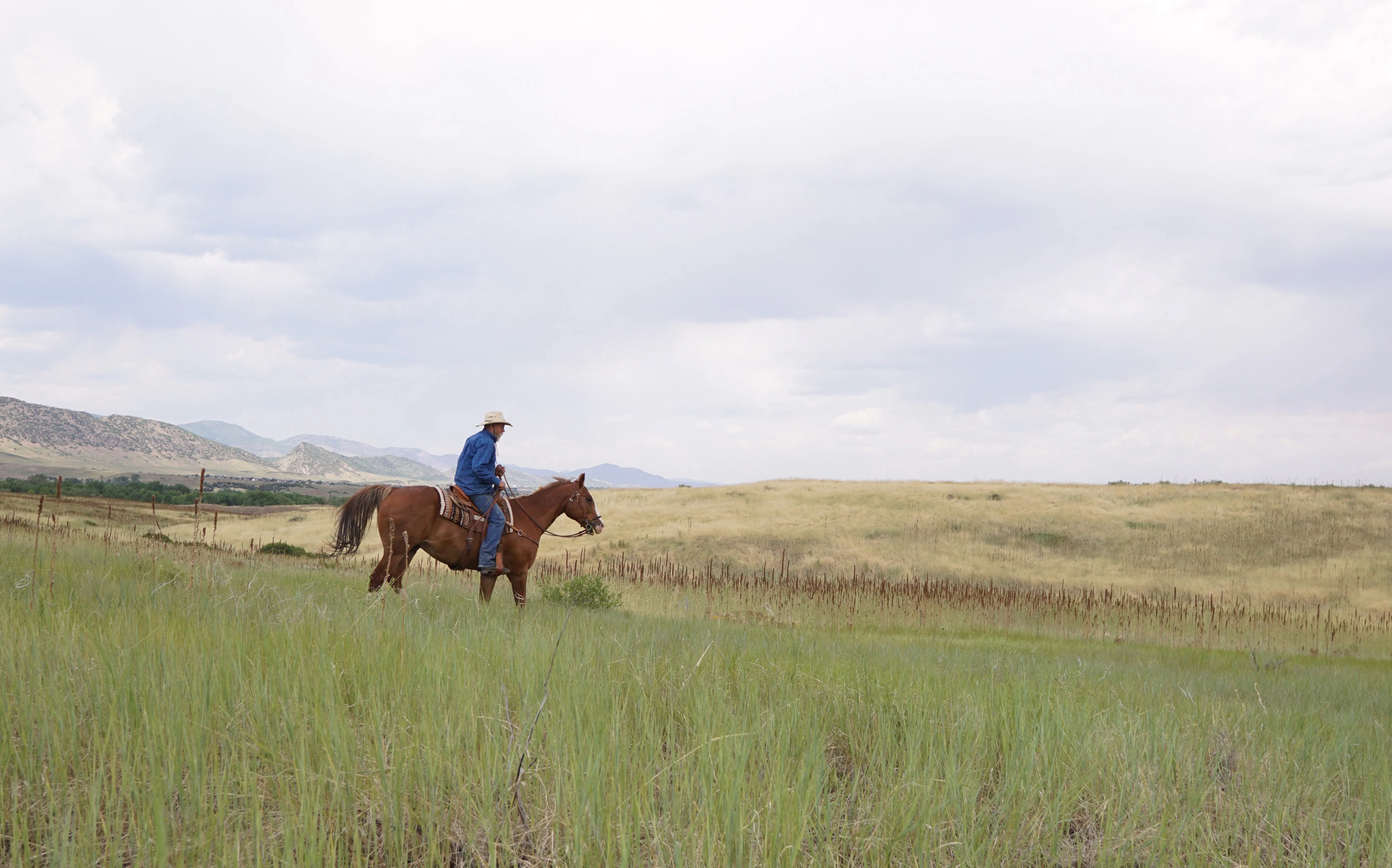
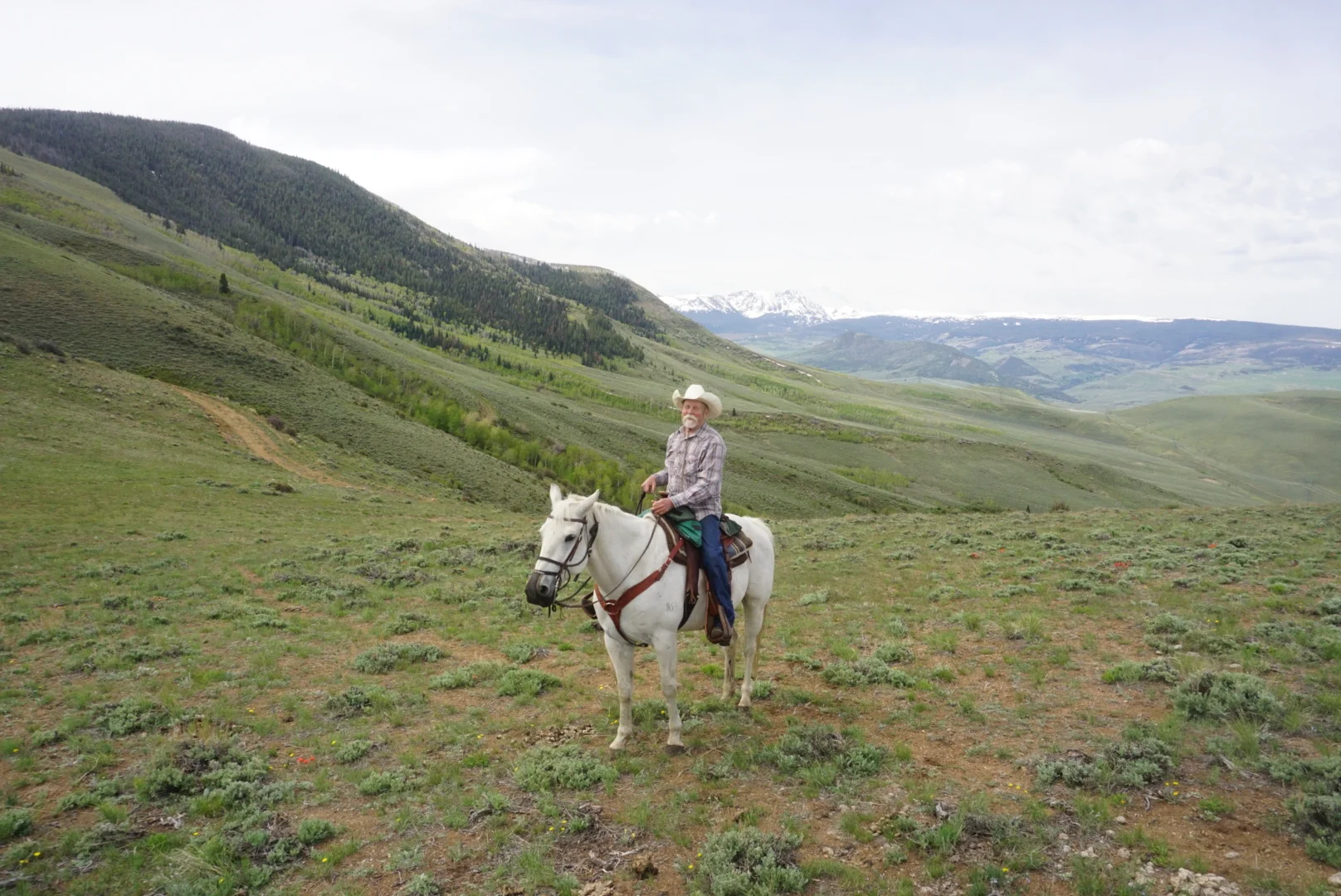
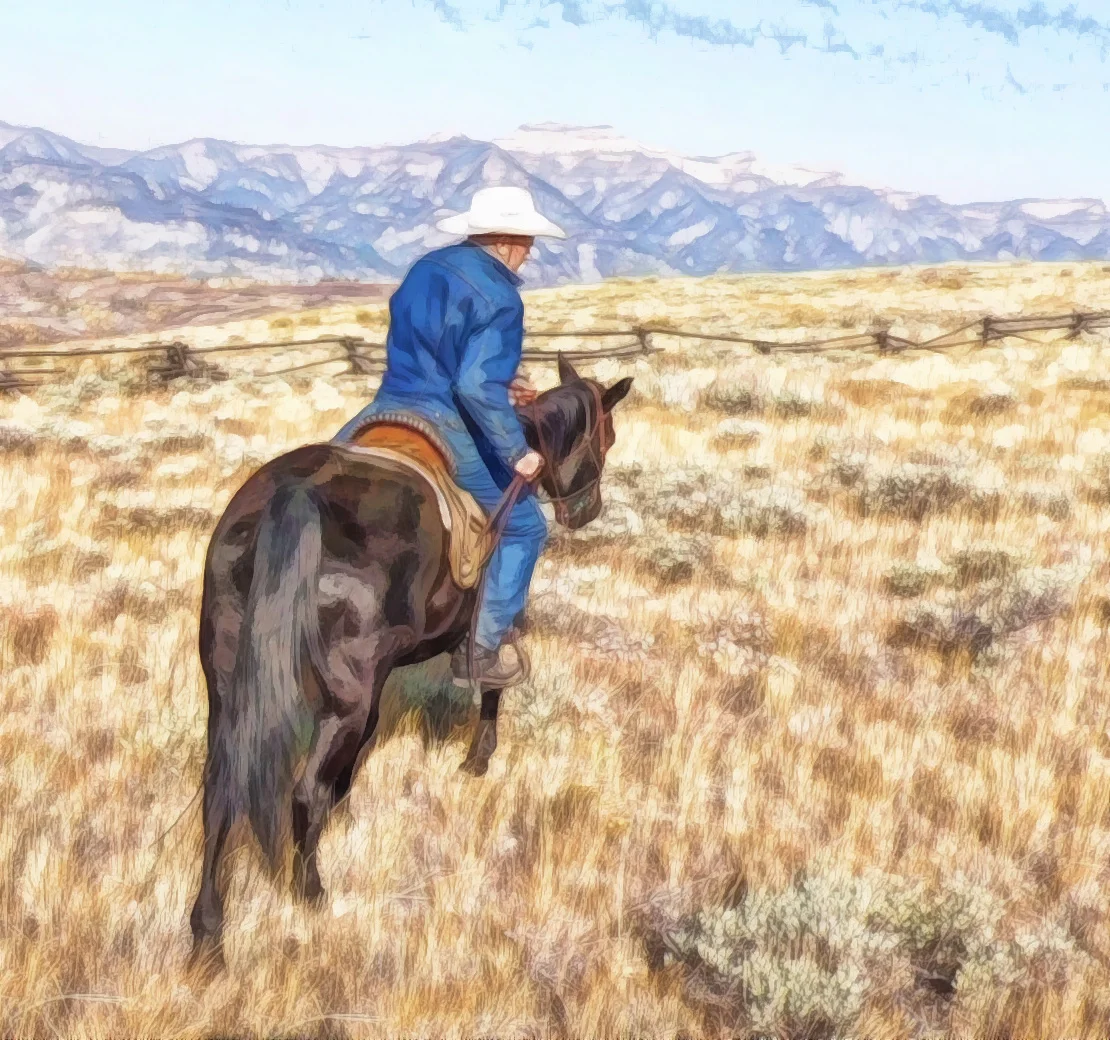
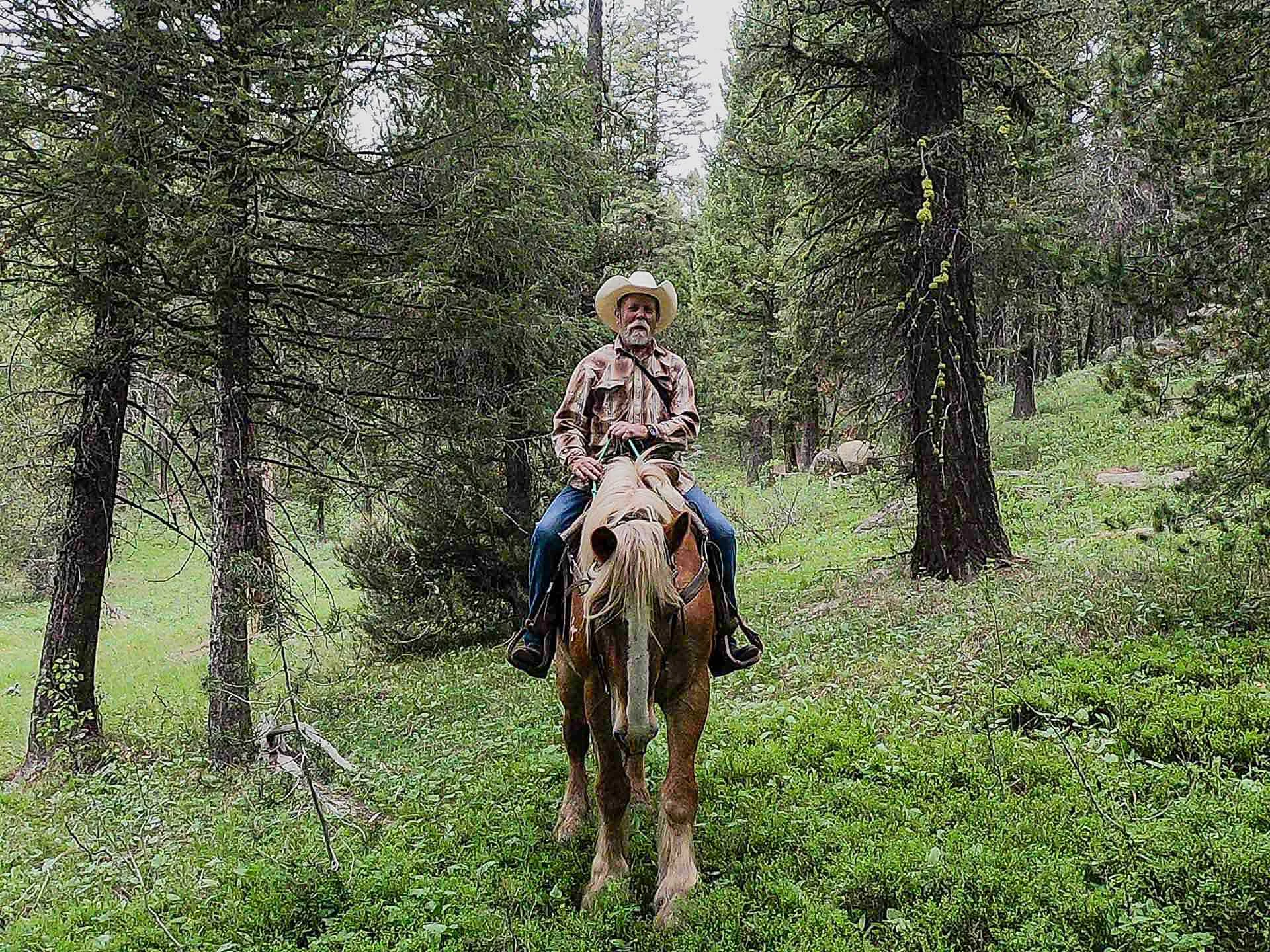

I am aware almost nobody reads these pages; the analytics show a quiet indifference that doesn’t bother me. These words were never meant for an audience—they have always been for me. Still, the fact that they could be read gives them a certain presence, a reason to choose my words more carefully, as if I’m leaving something behind to be found.
Writing puts shape to a life that might otherwise blur. It steadies things, allowing me to hold onto what would slip away—rebuilding a fragile archive of memory before it fades. I return, again and again, to the moments that felt alive: the long walks with the dogs where the world narrowed to companionship; the annual journeys to coral seas where impossible color takes over; and those rare nights at the dance hall when music and a stranger’s smile remind me how simple joy can be.
I go back to the photos not out of nostalgia, but to remember how the light fell and what it felt like to be there. As we get older, it becomes clear that the only things we truly keep are these fragments of beauty: the sharp light above timberline, the cold streams from snowfields, and the backpack trips to high mountain ridges with my border collies. Everything else fades. These don’t.