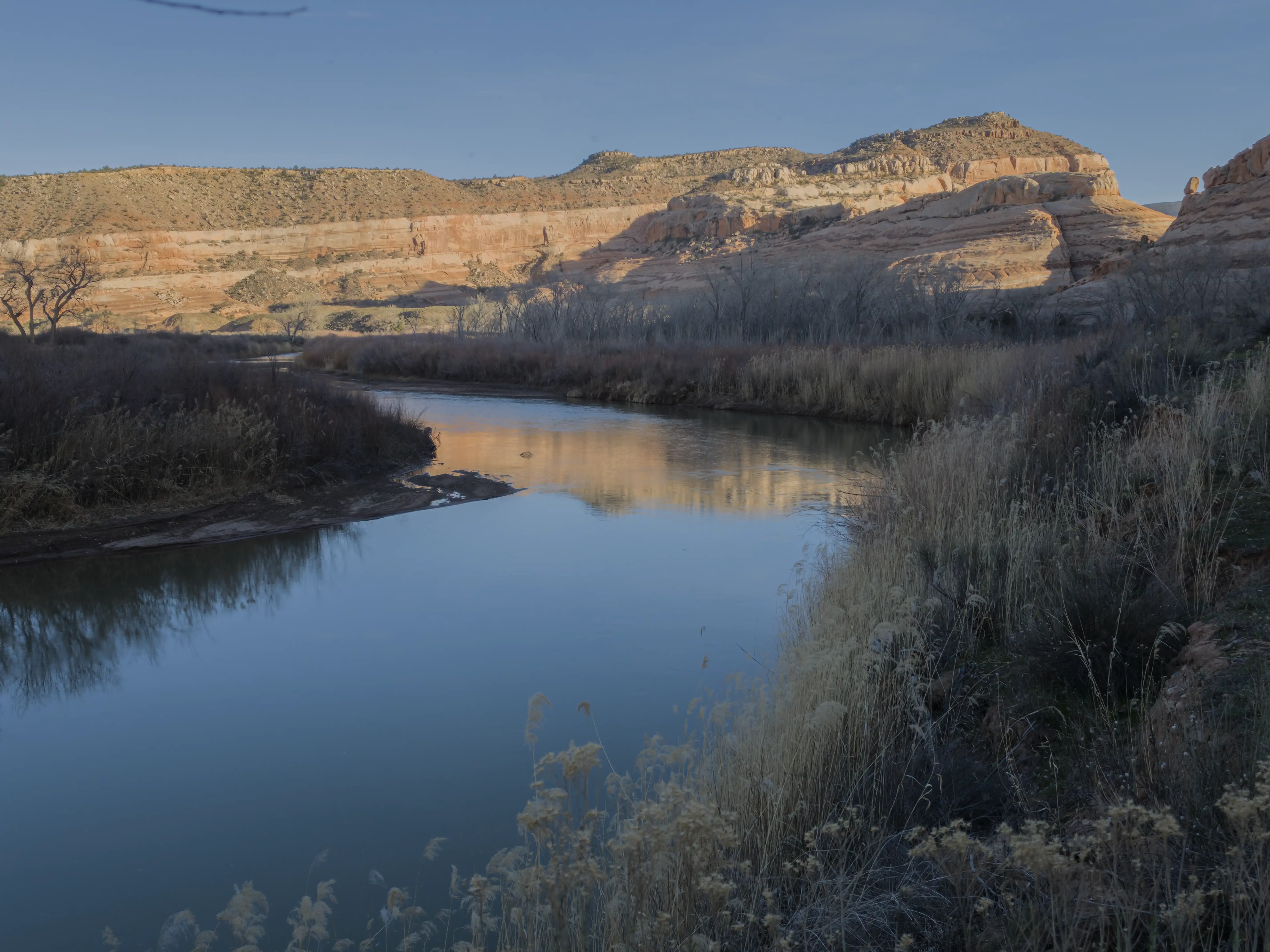
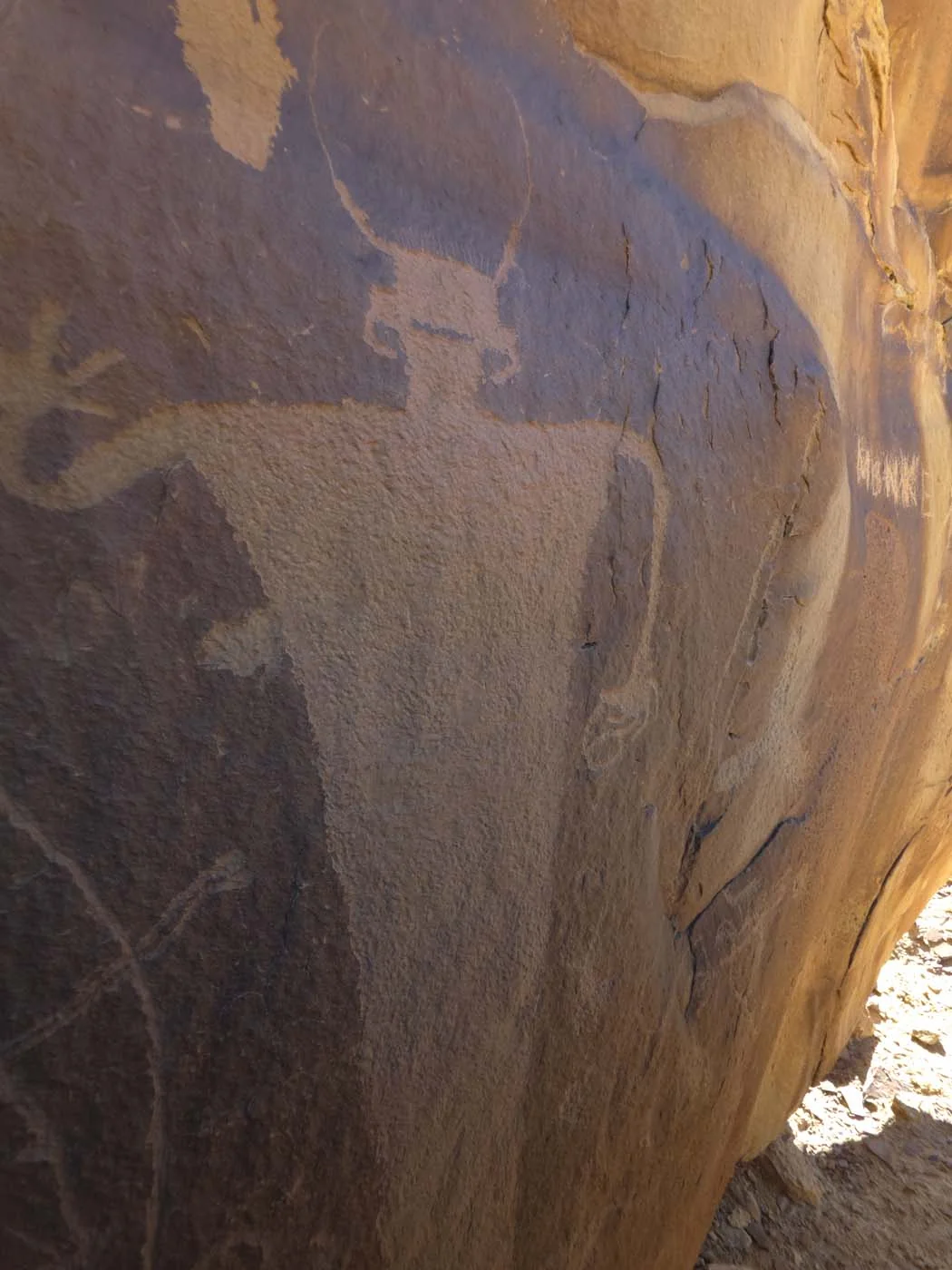
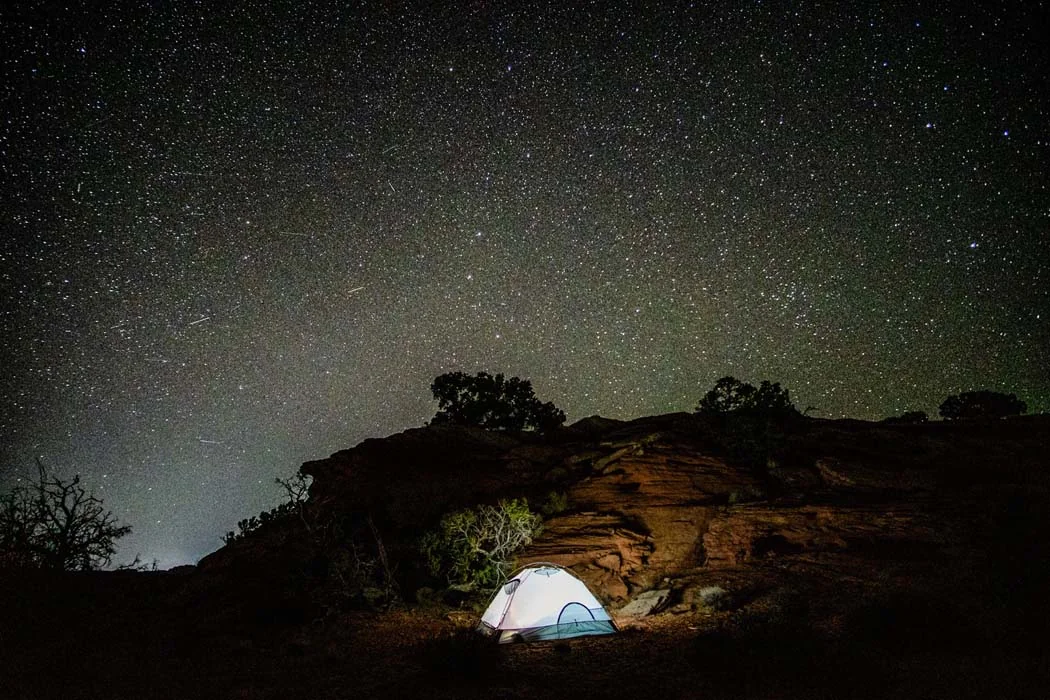
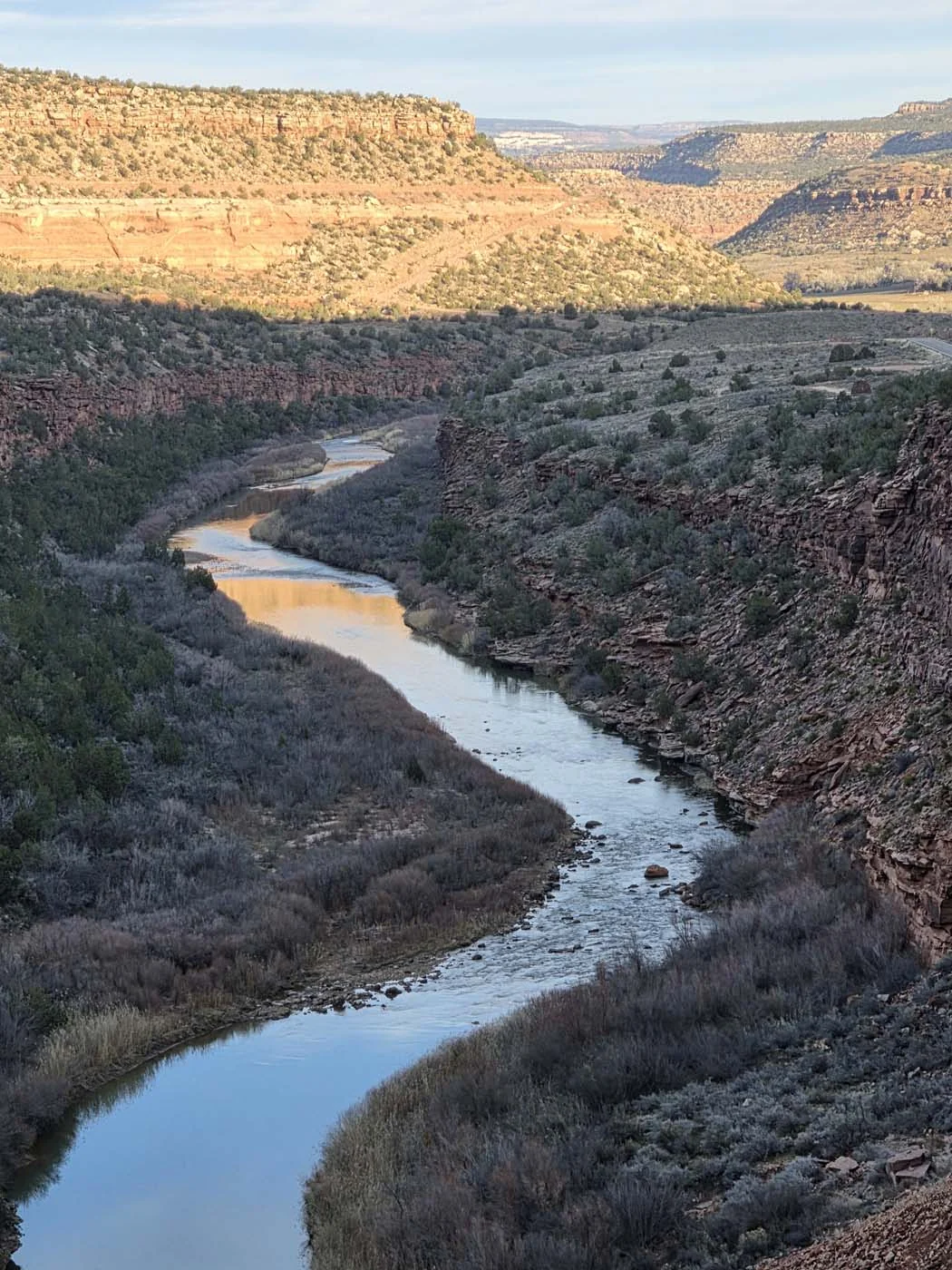
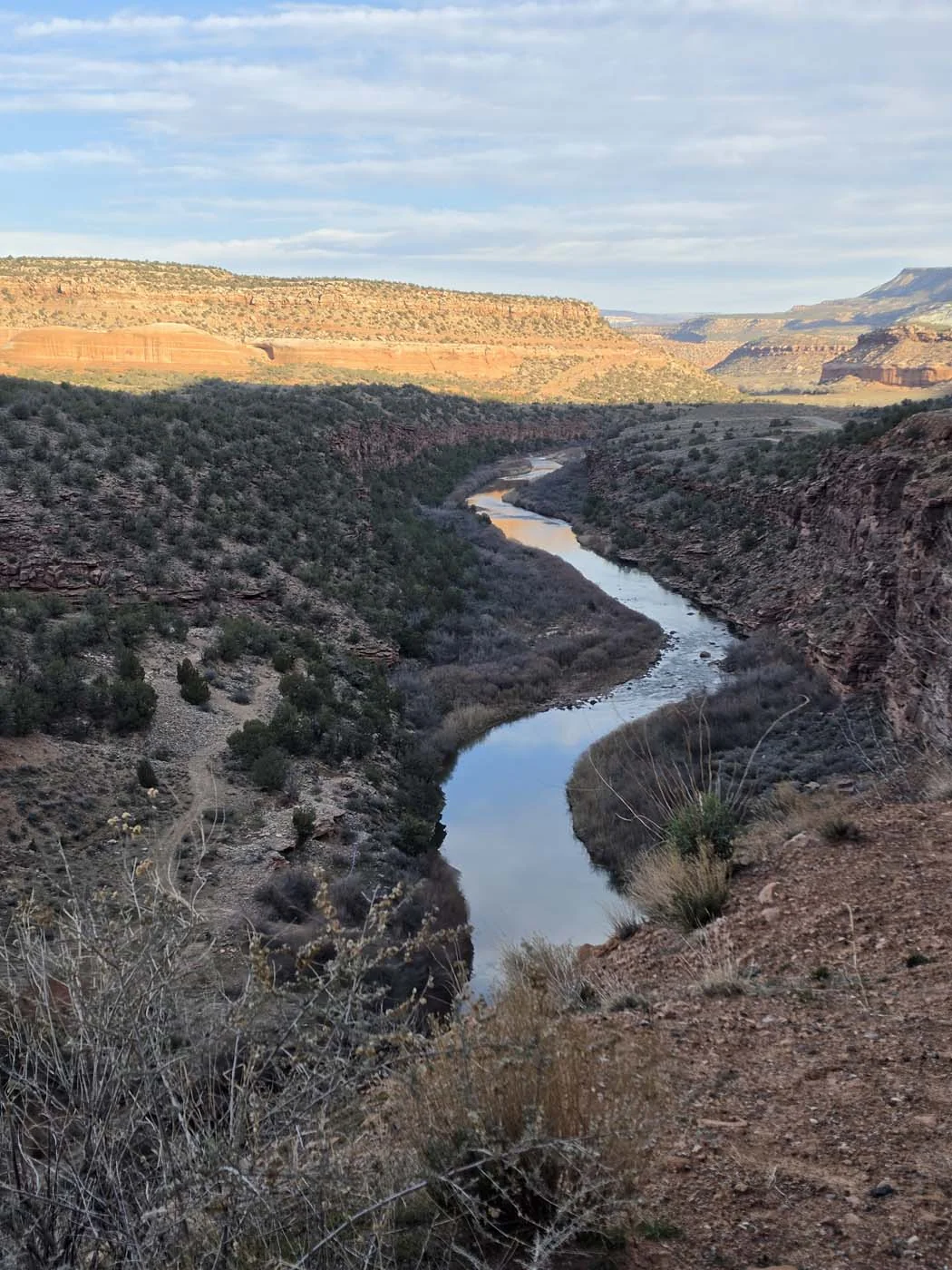
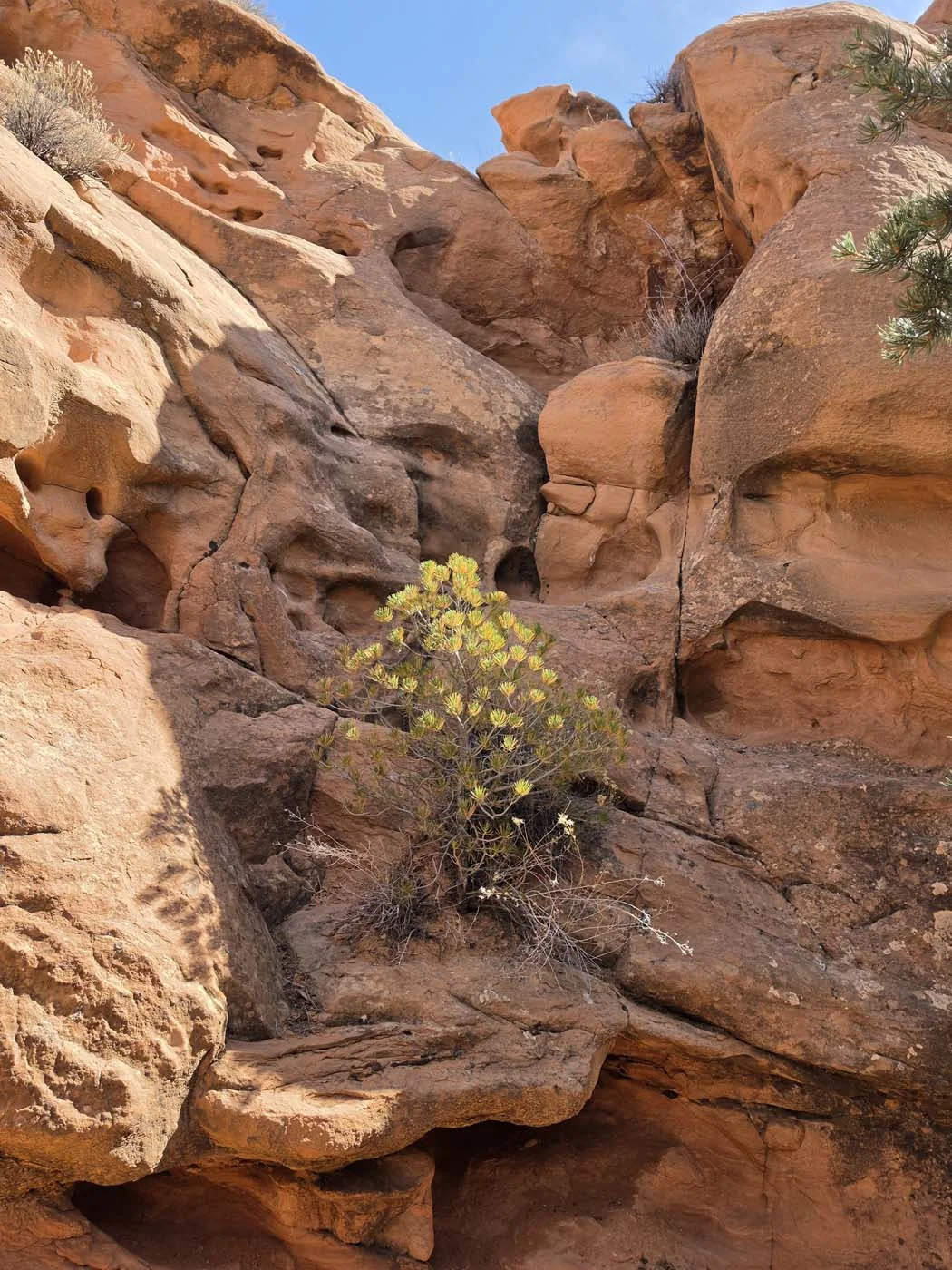
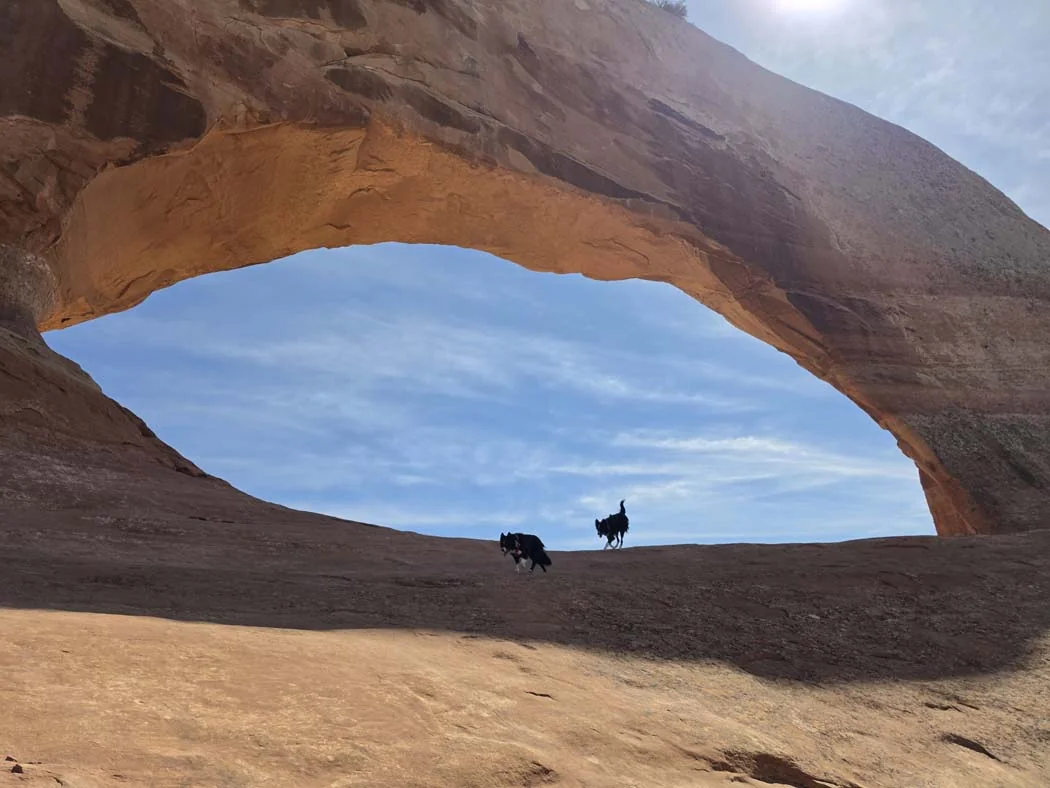
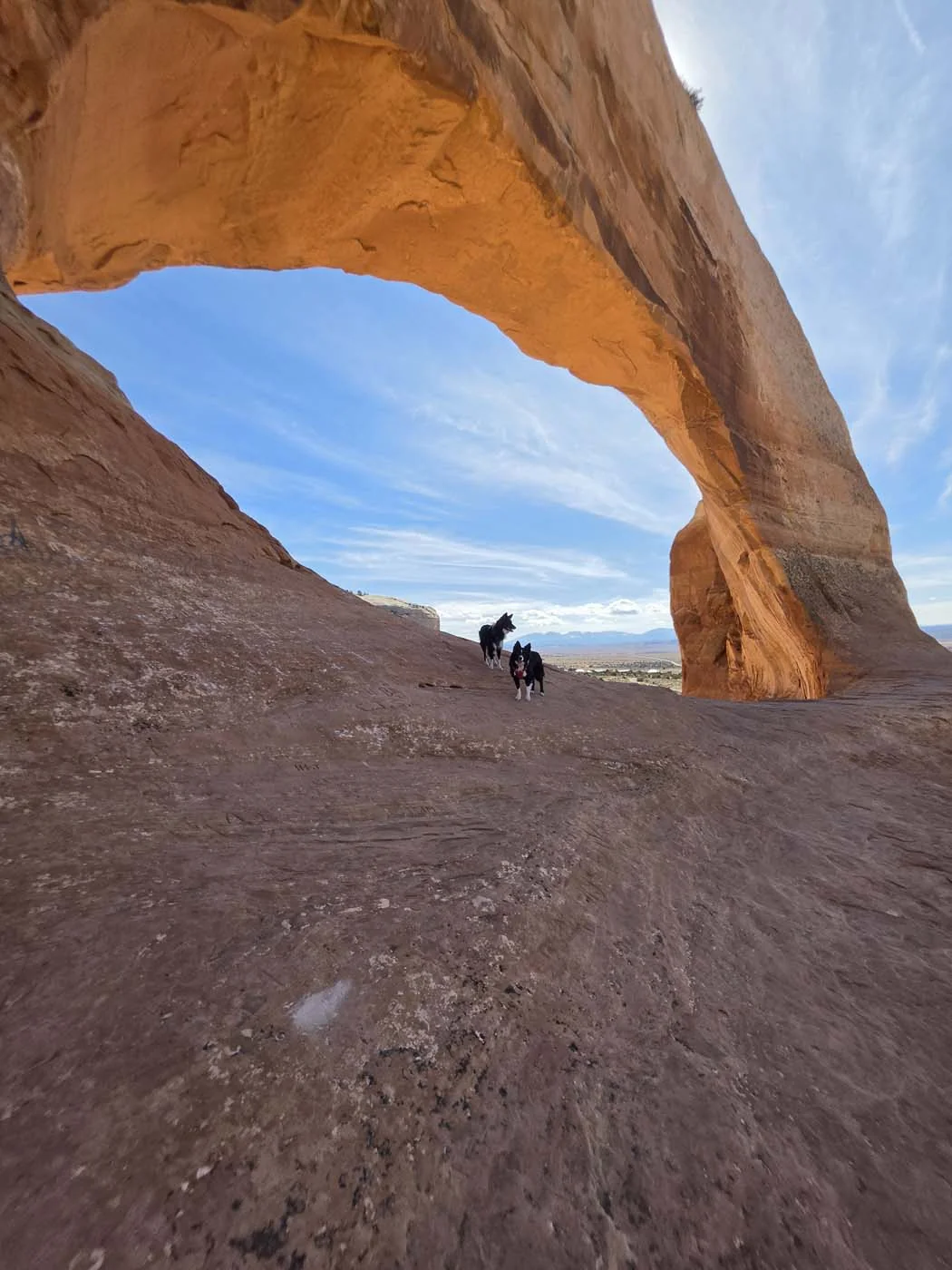
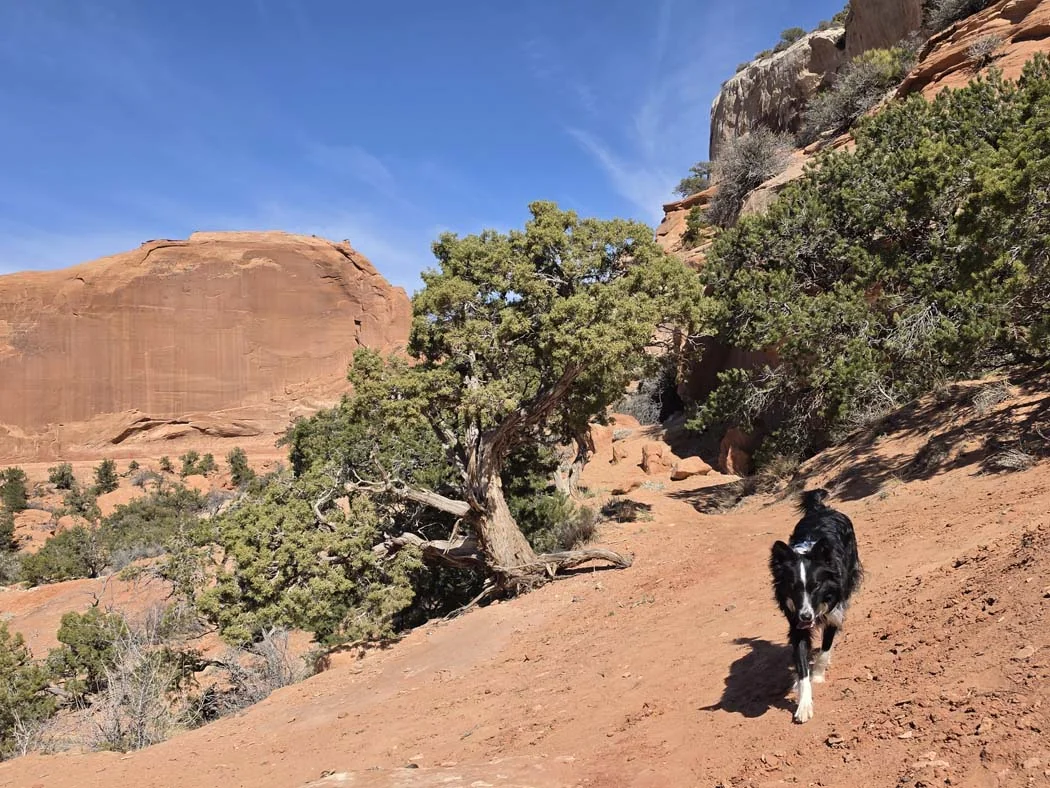
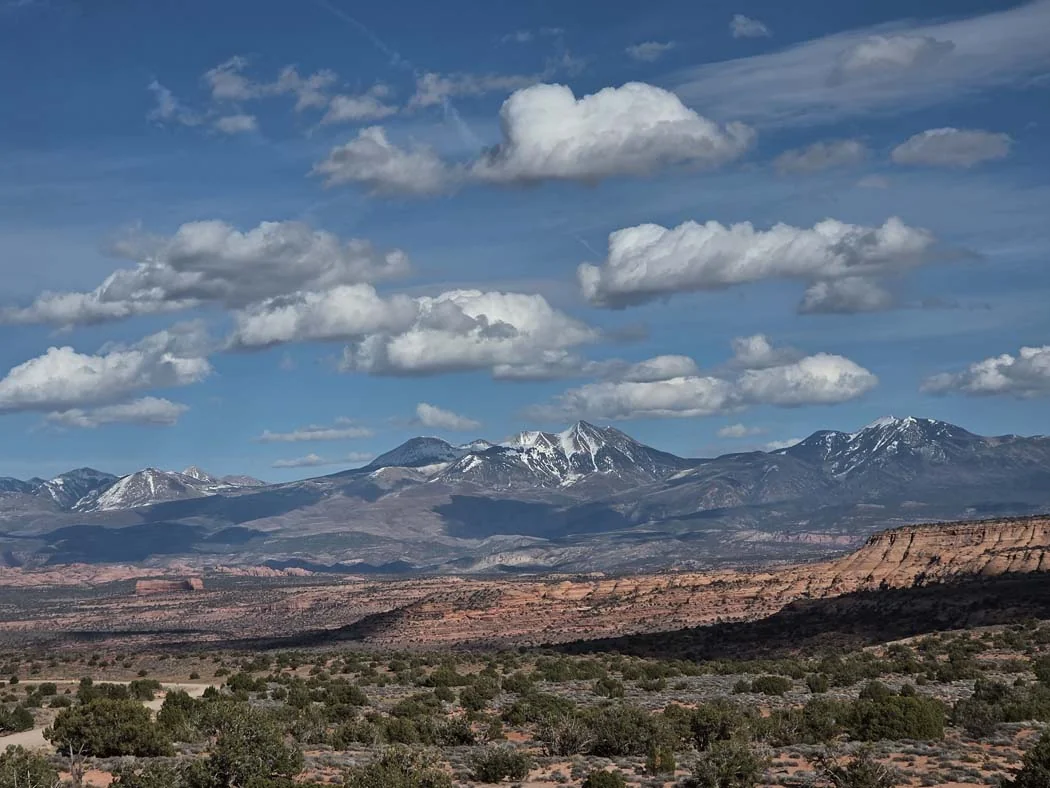
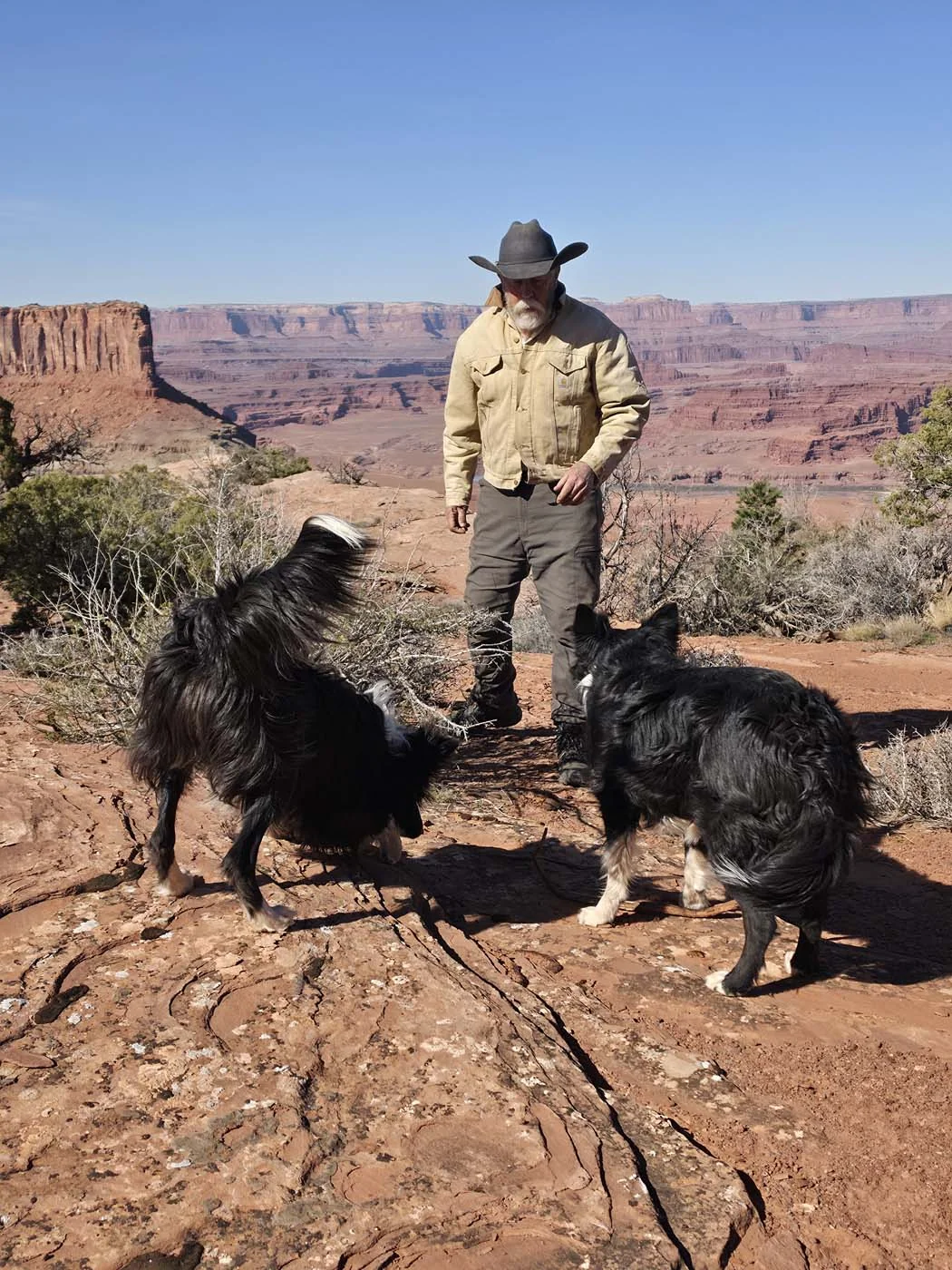
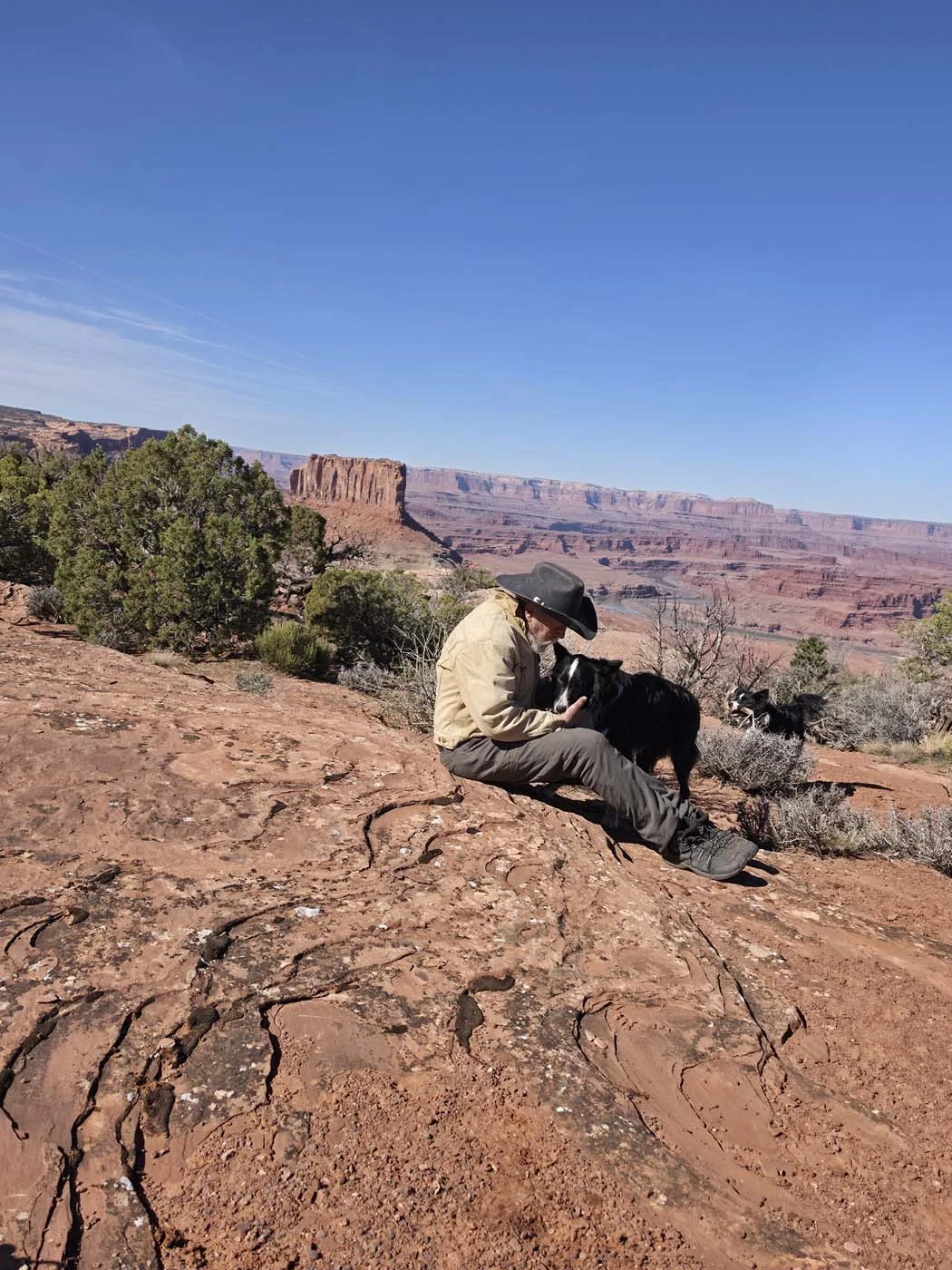
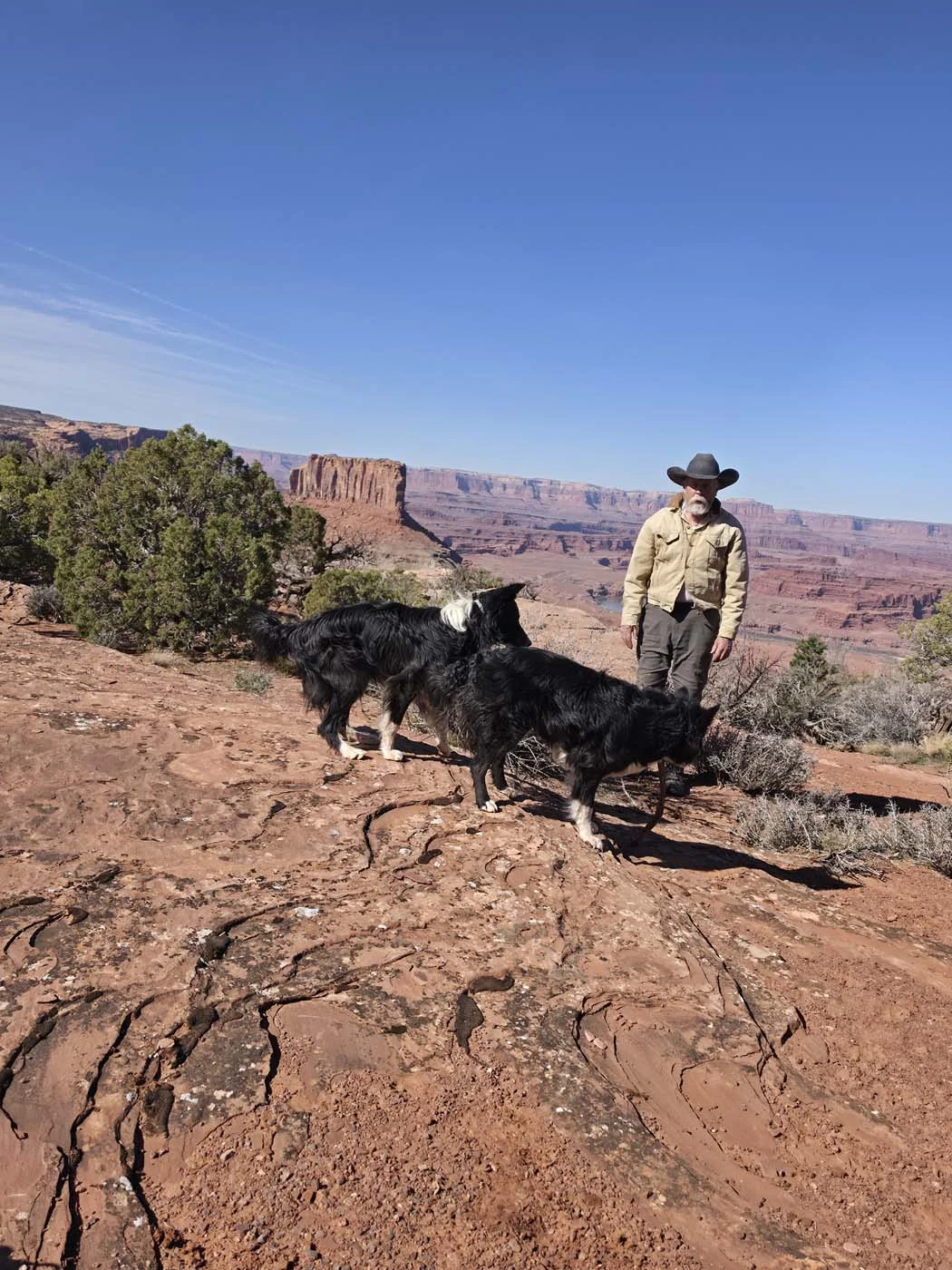
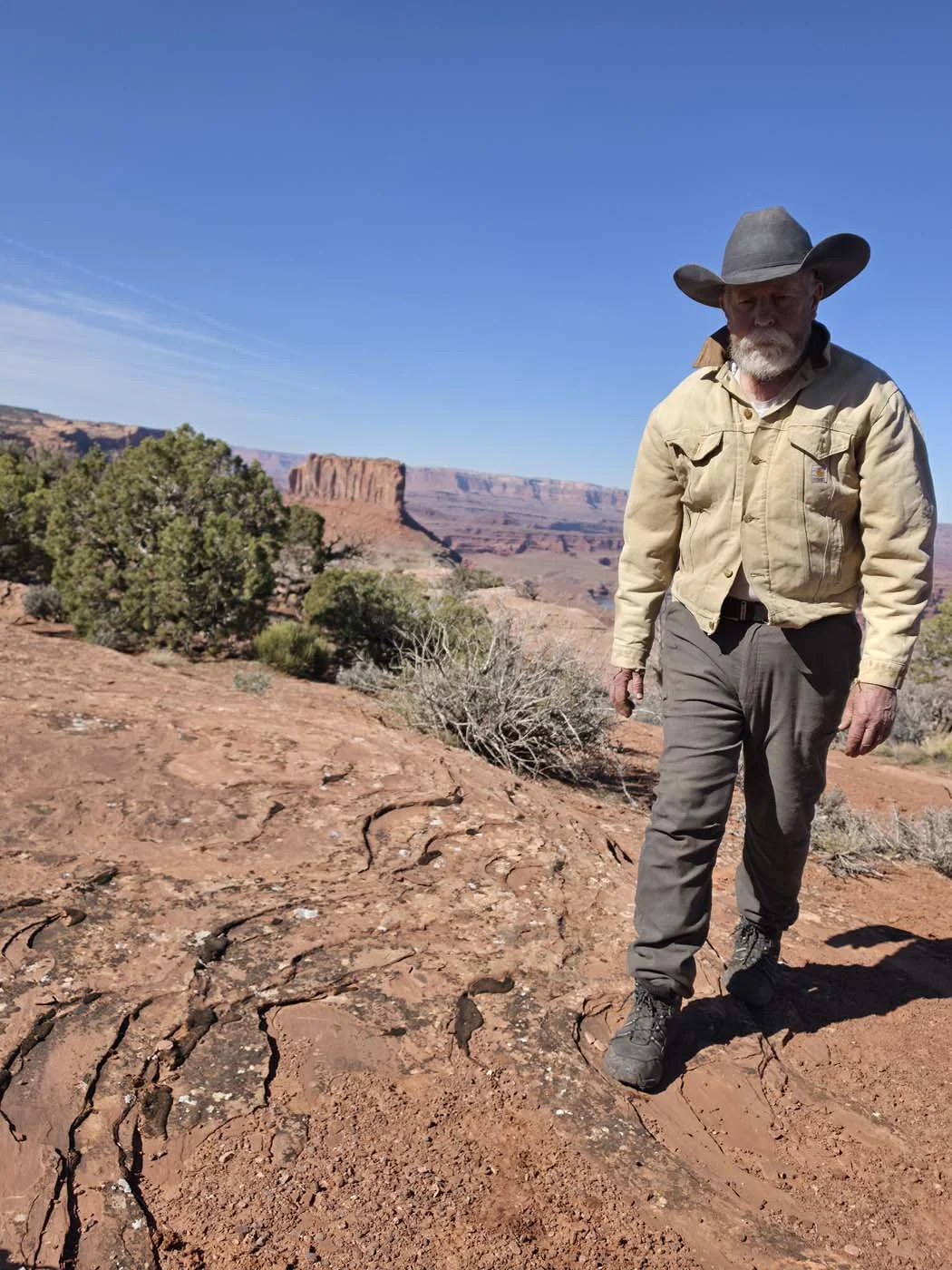
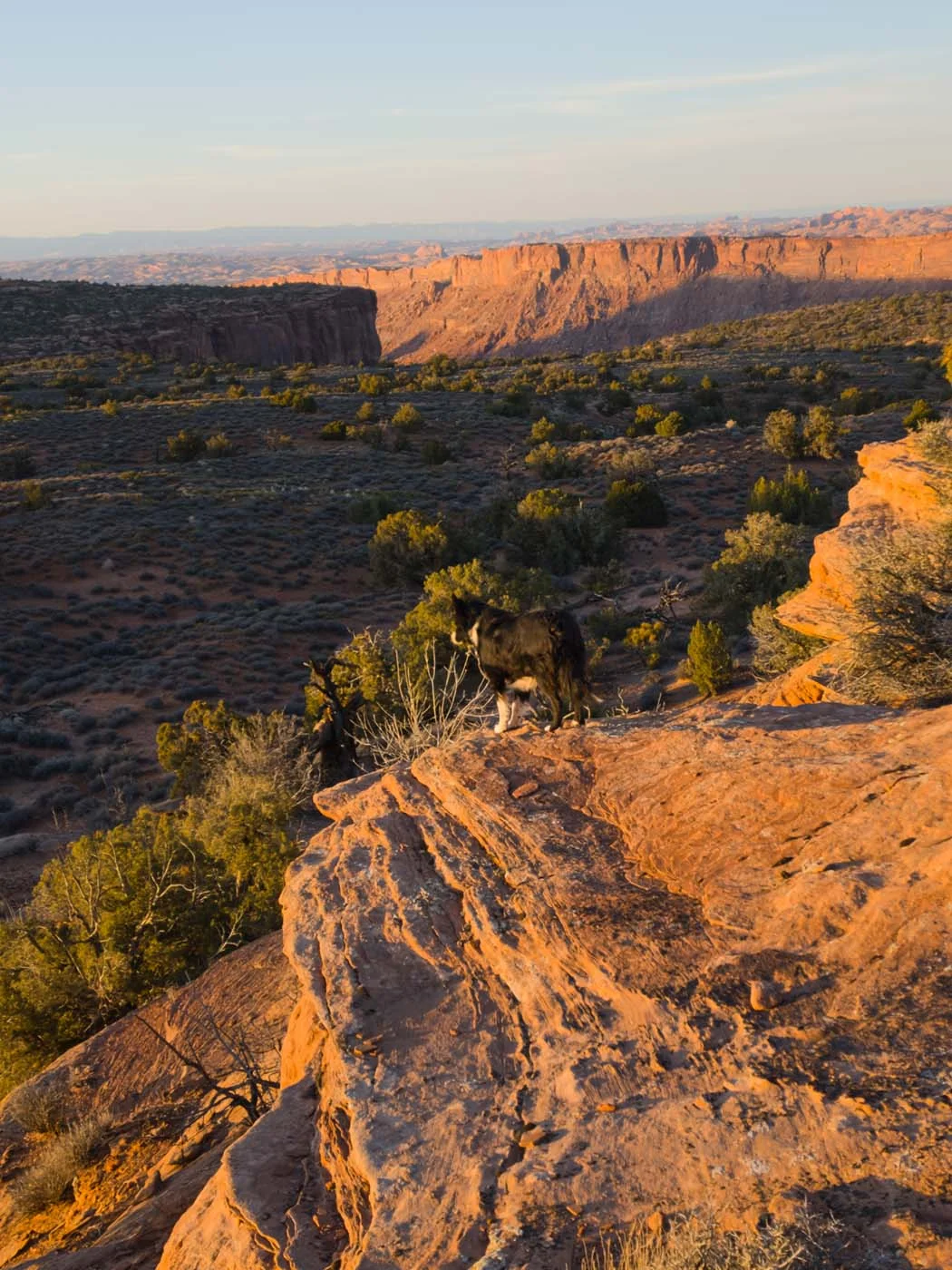
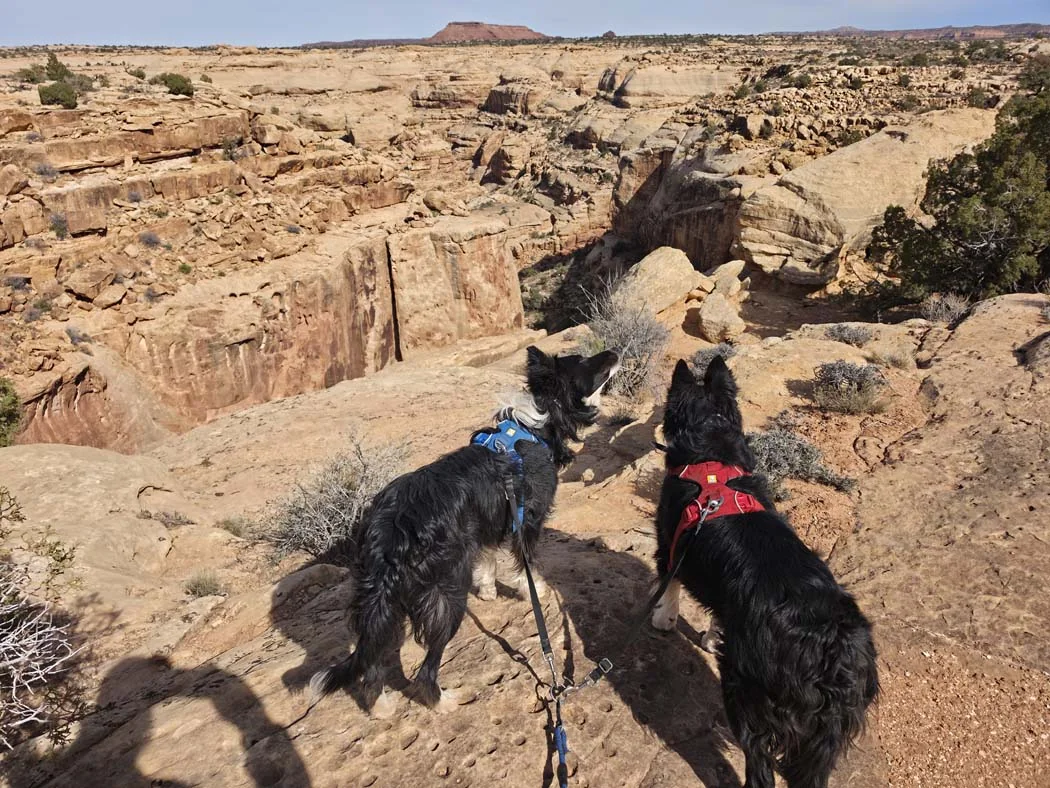
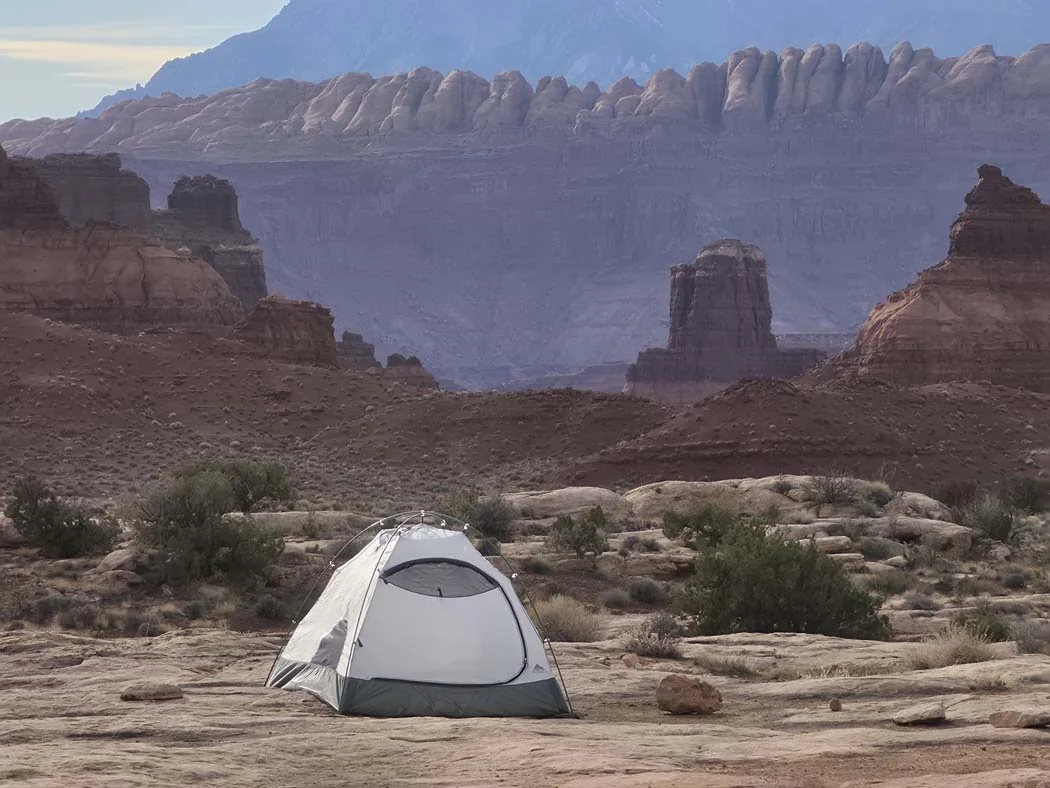
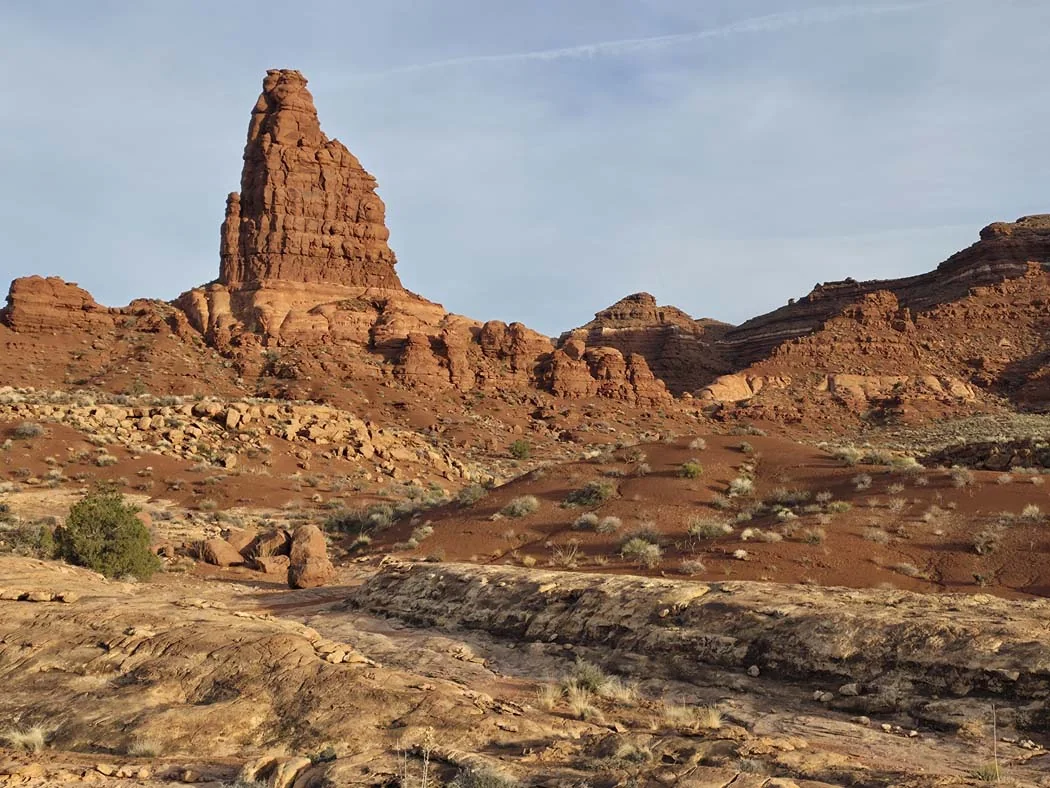
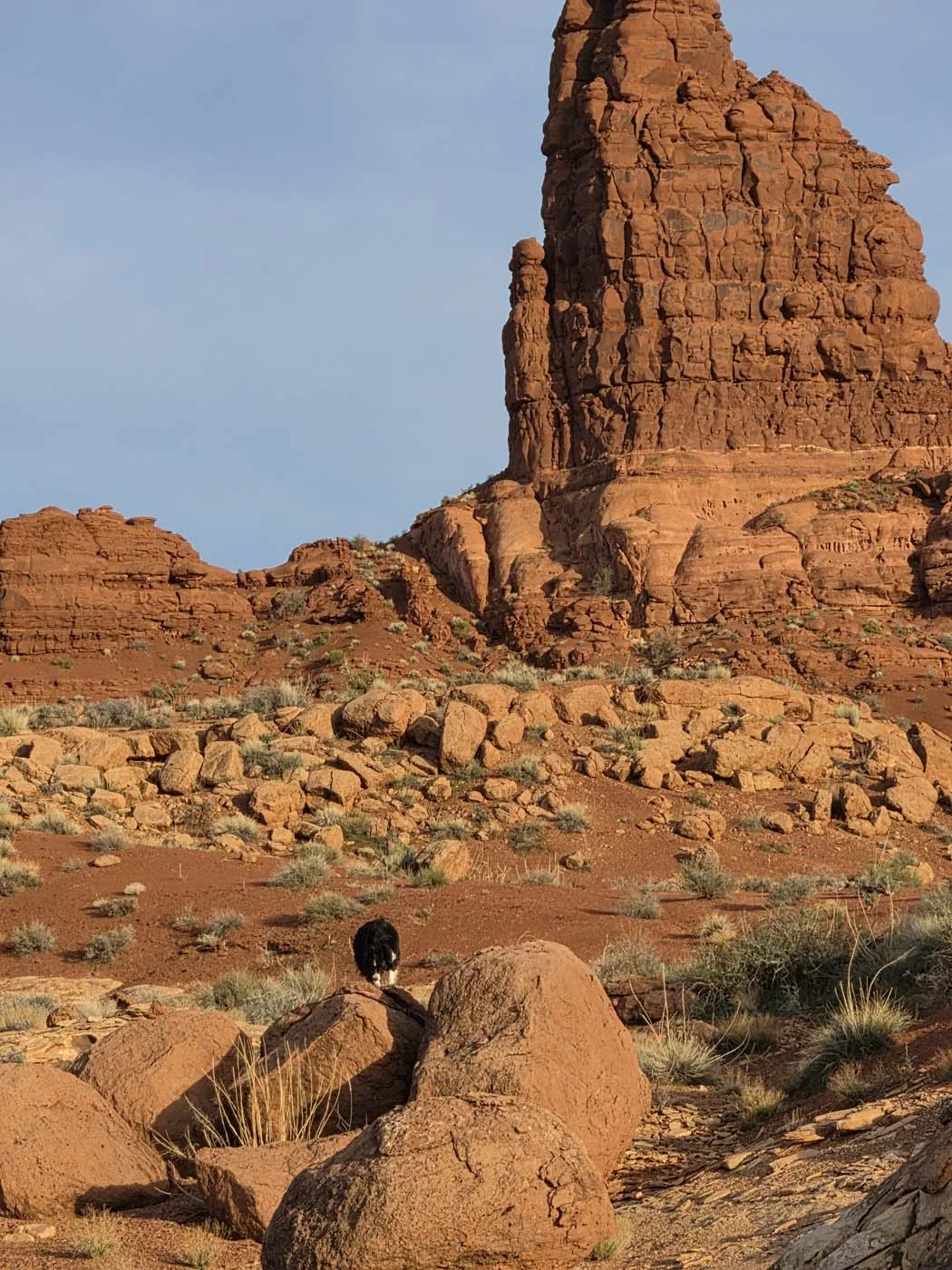
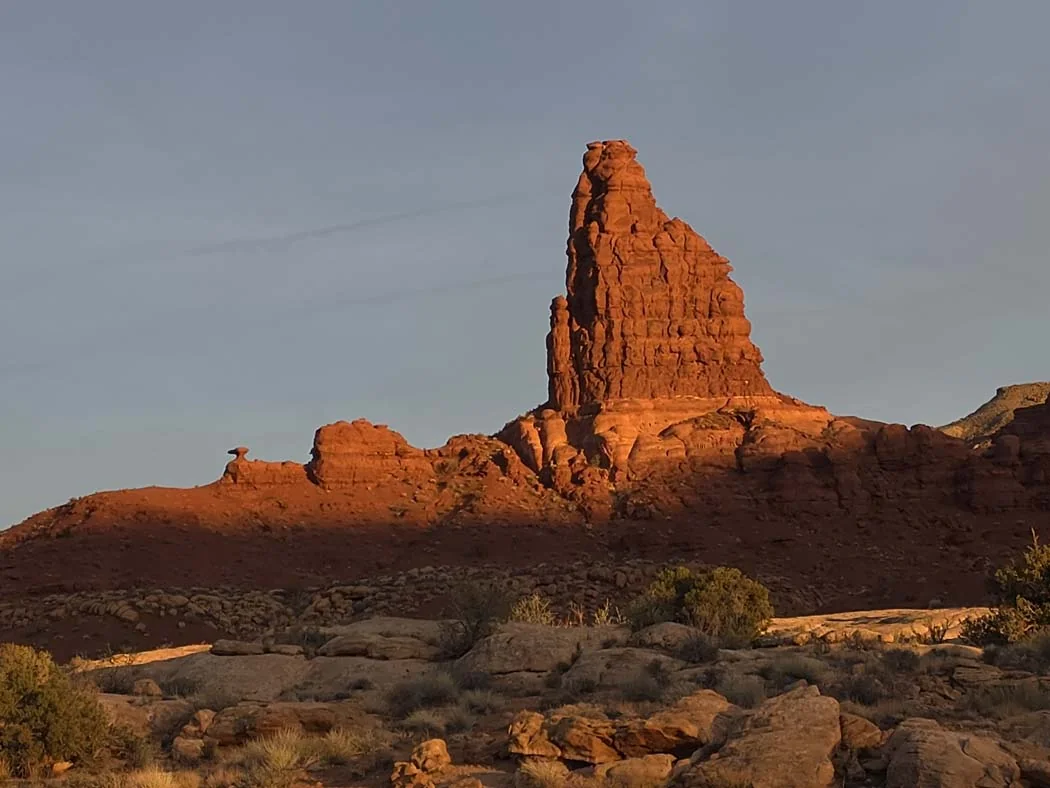
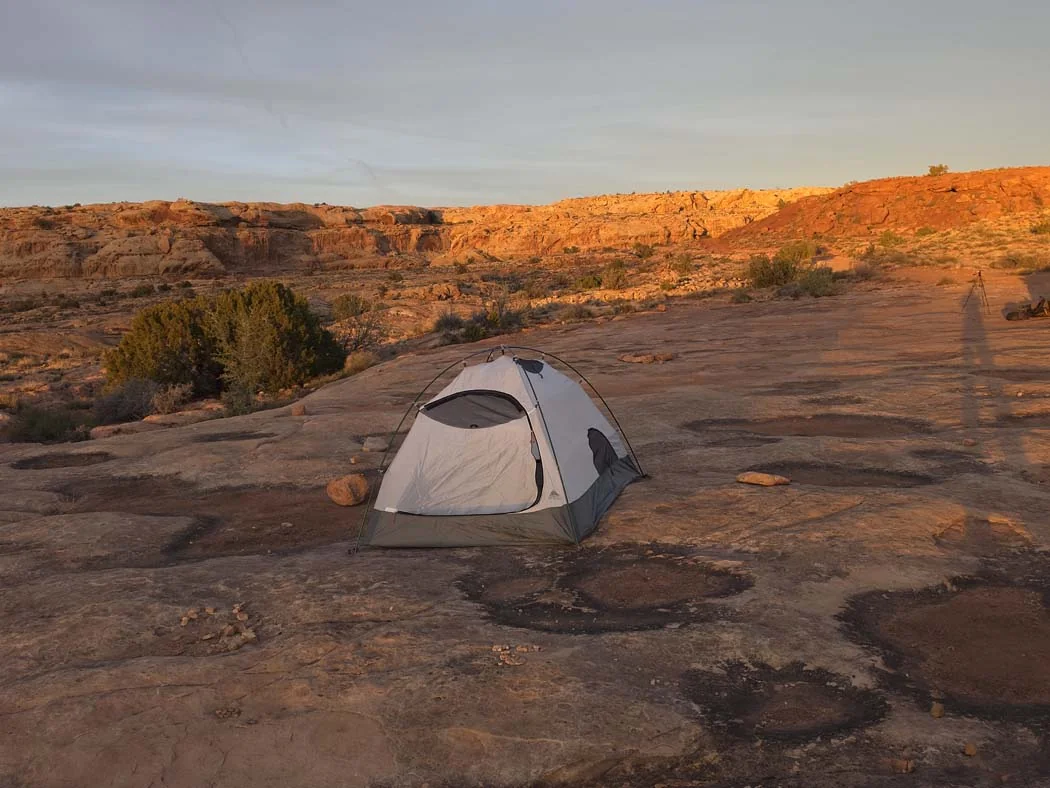
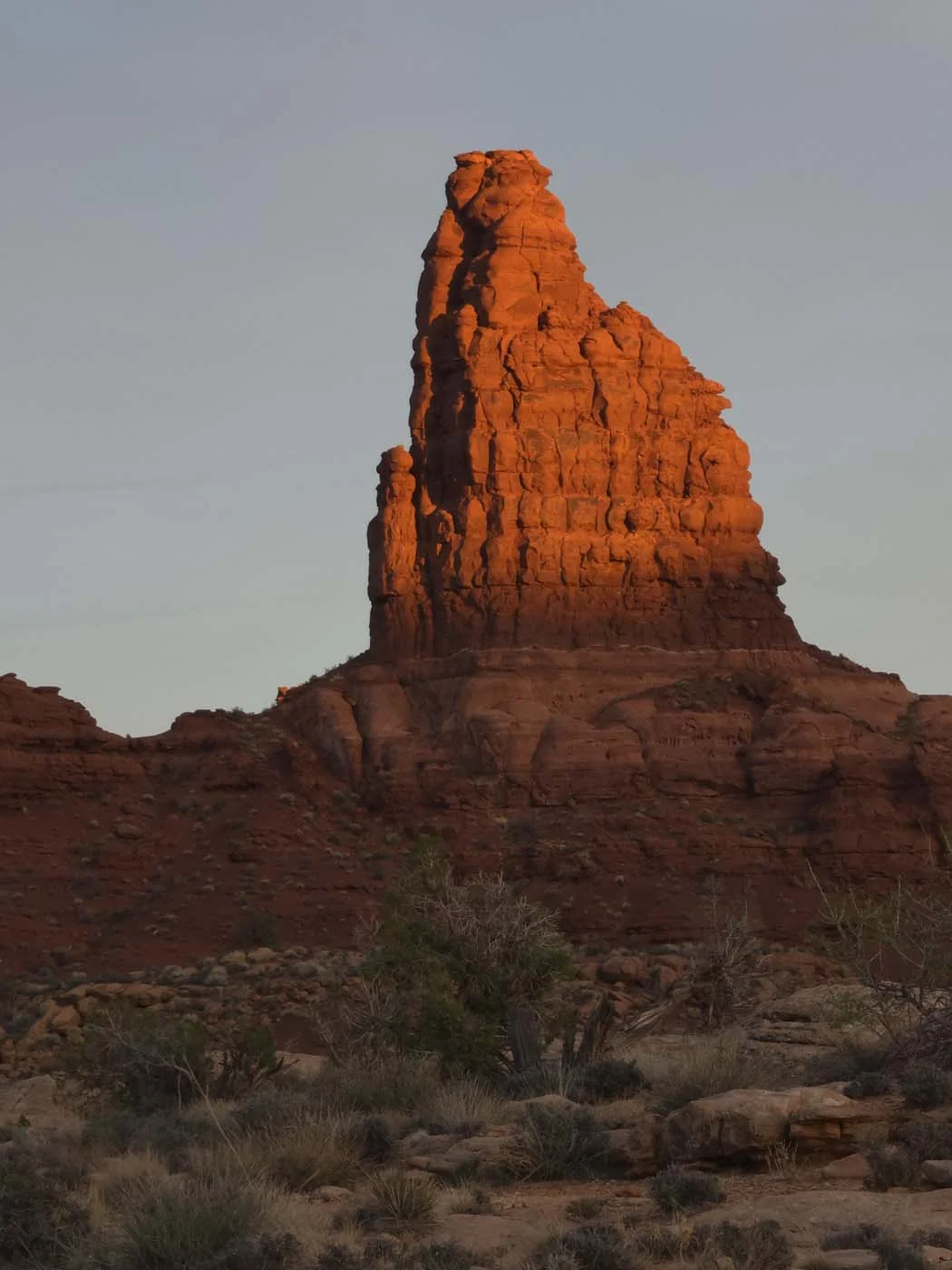
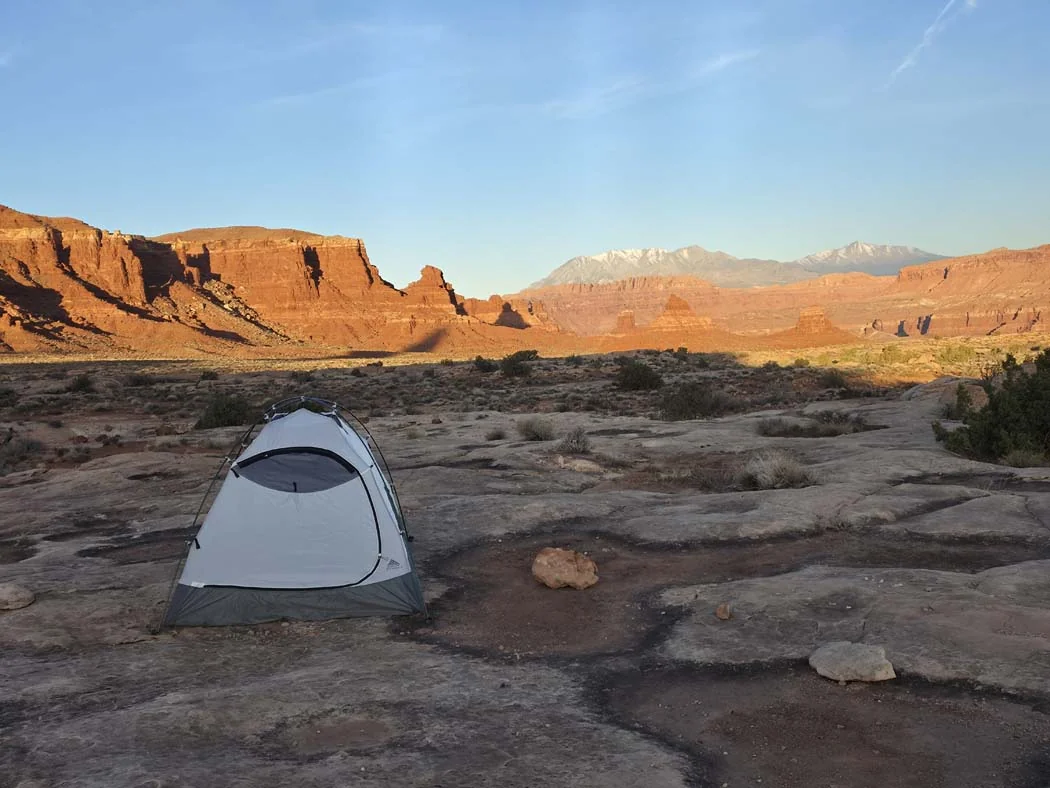
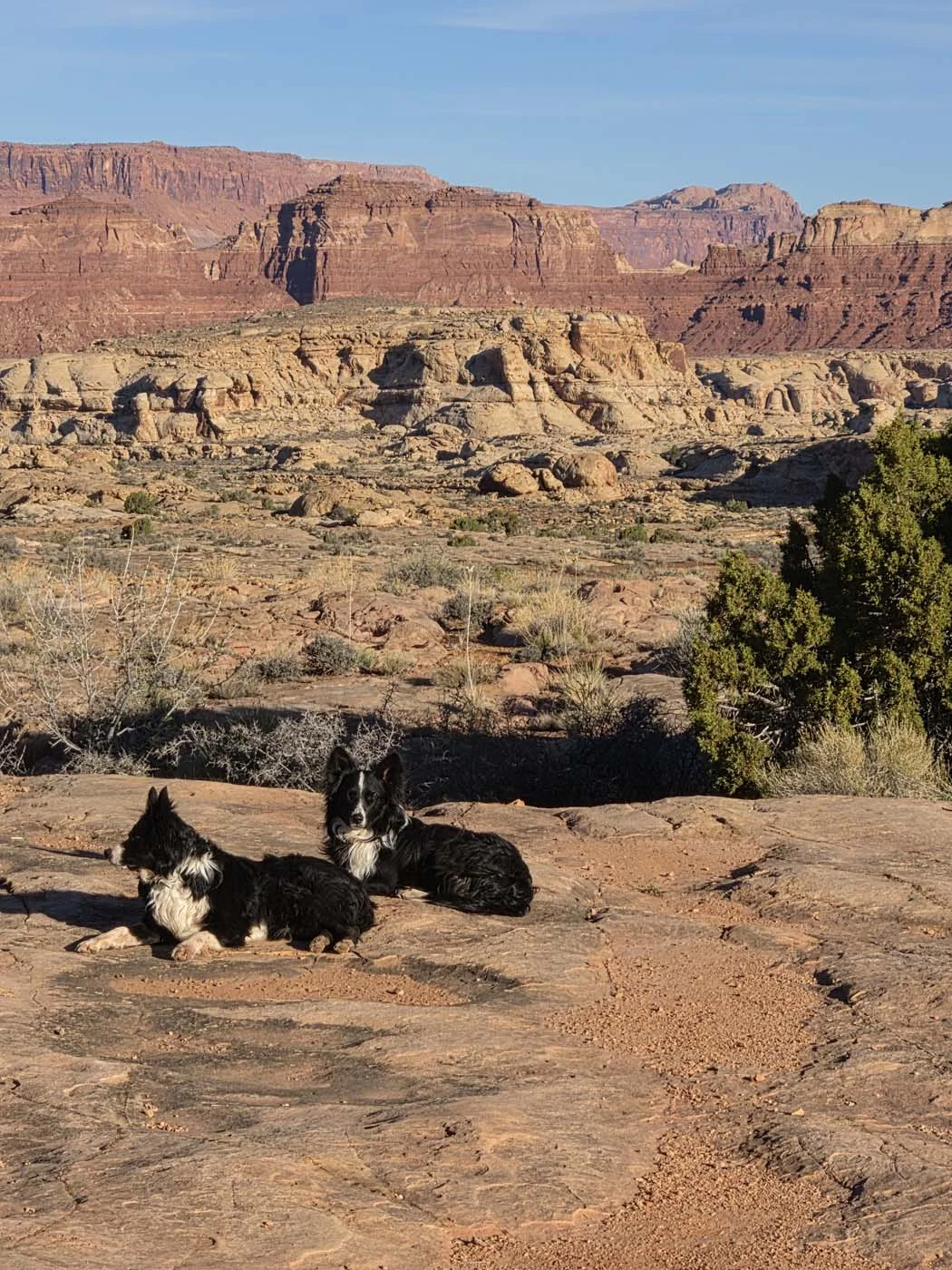
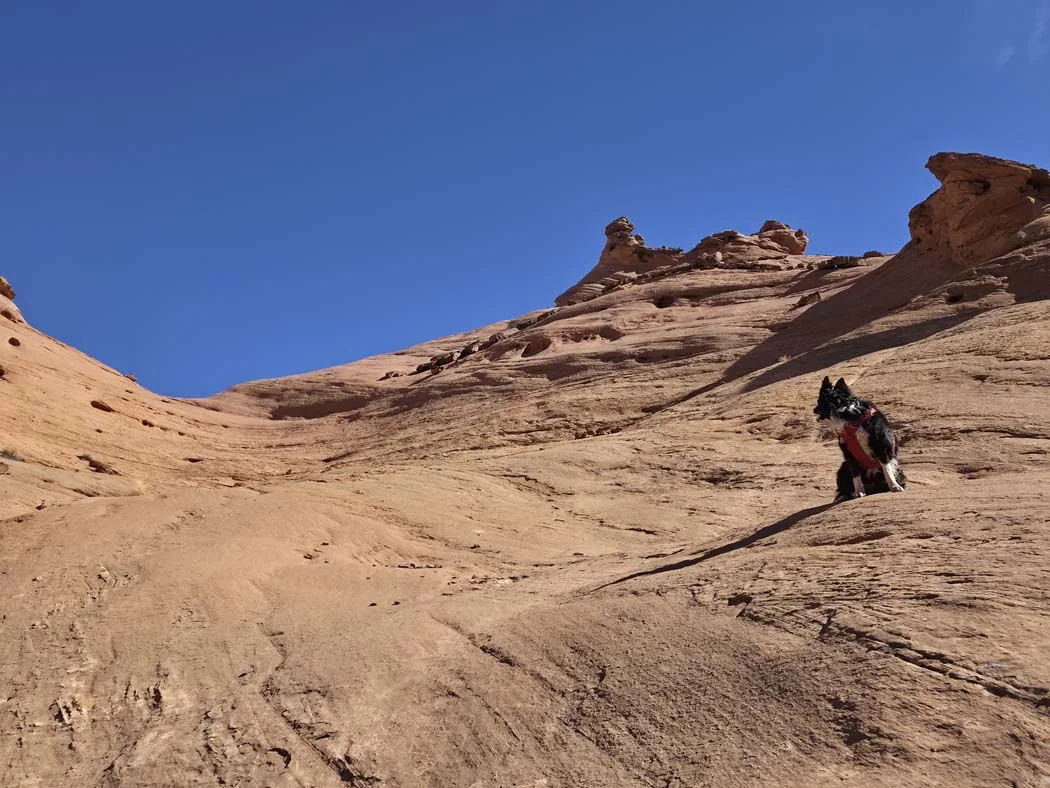
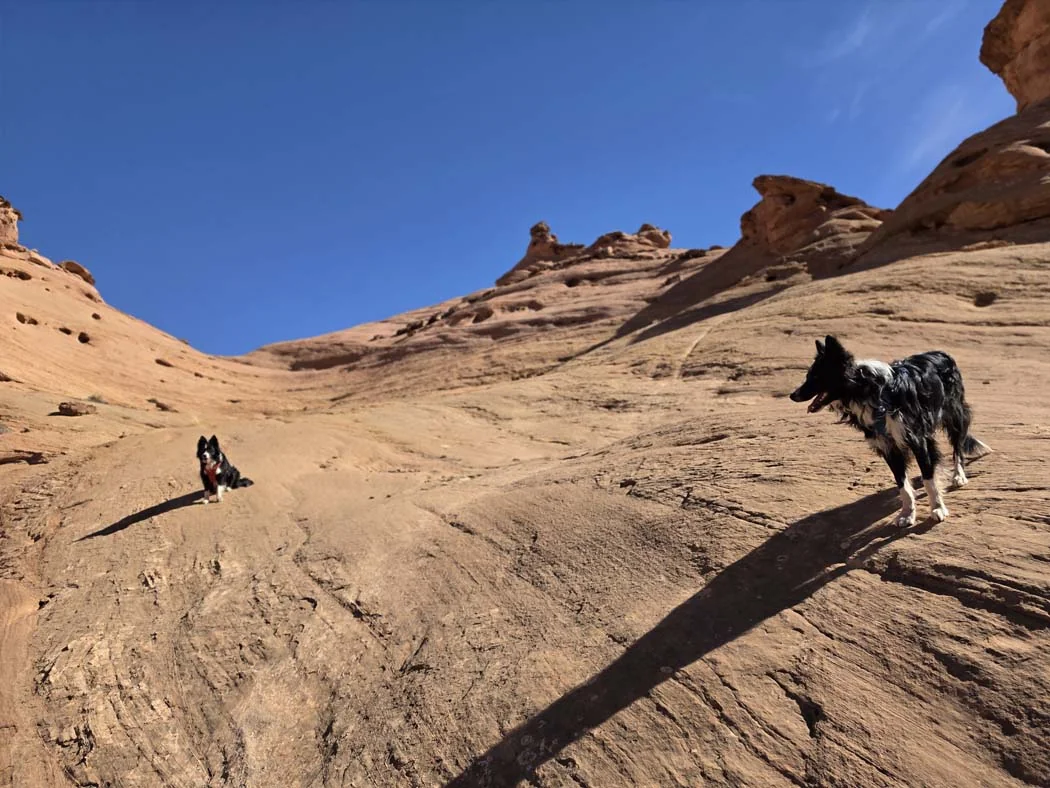
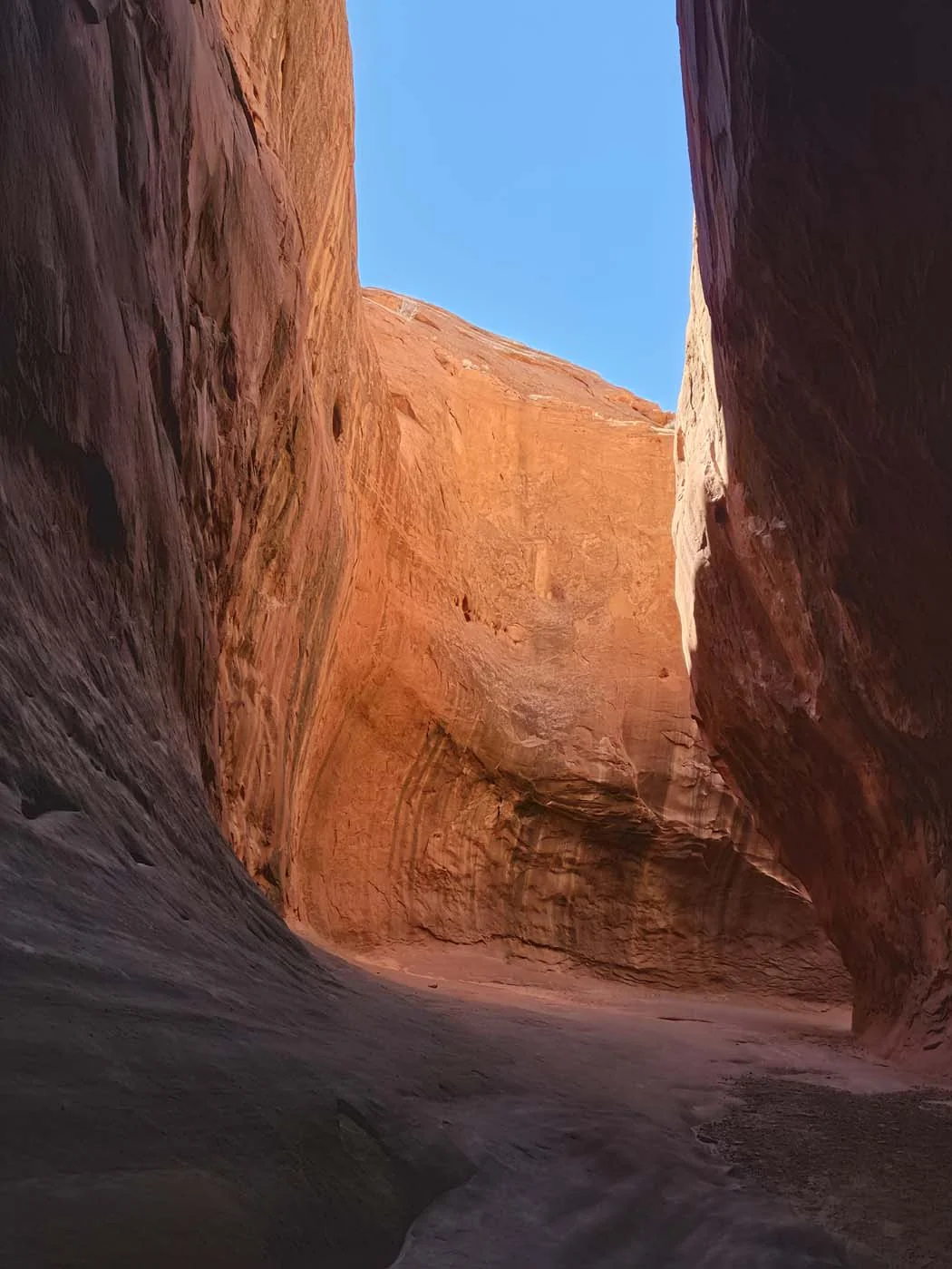
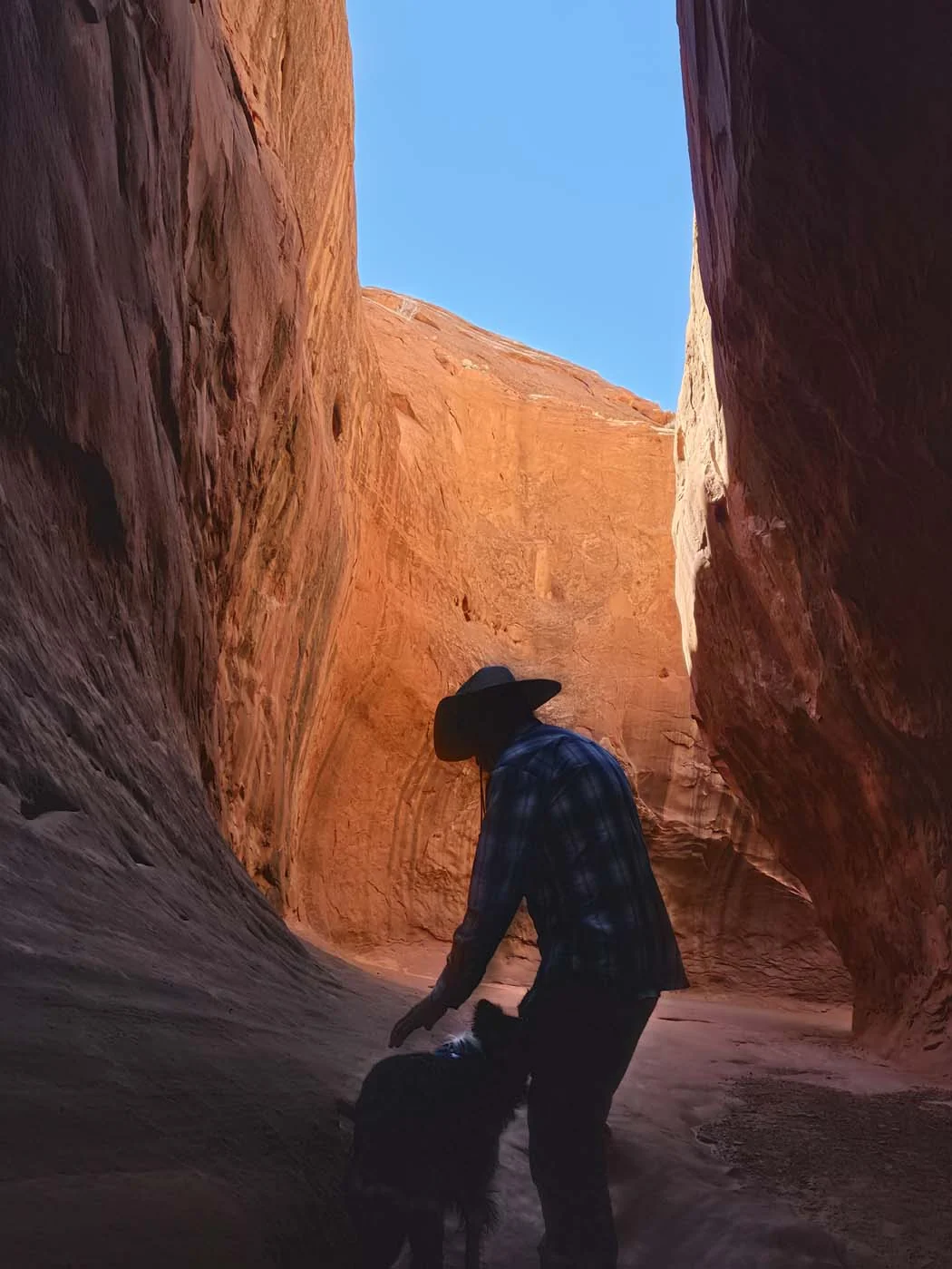
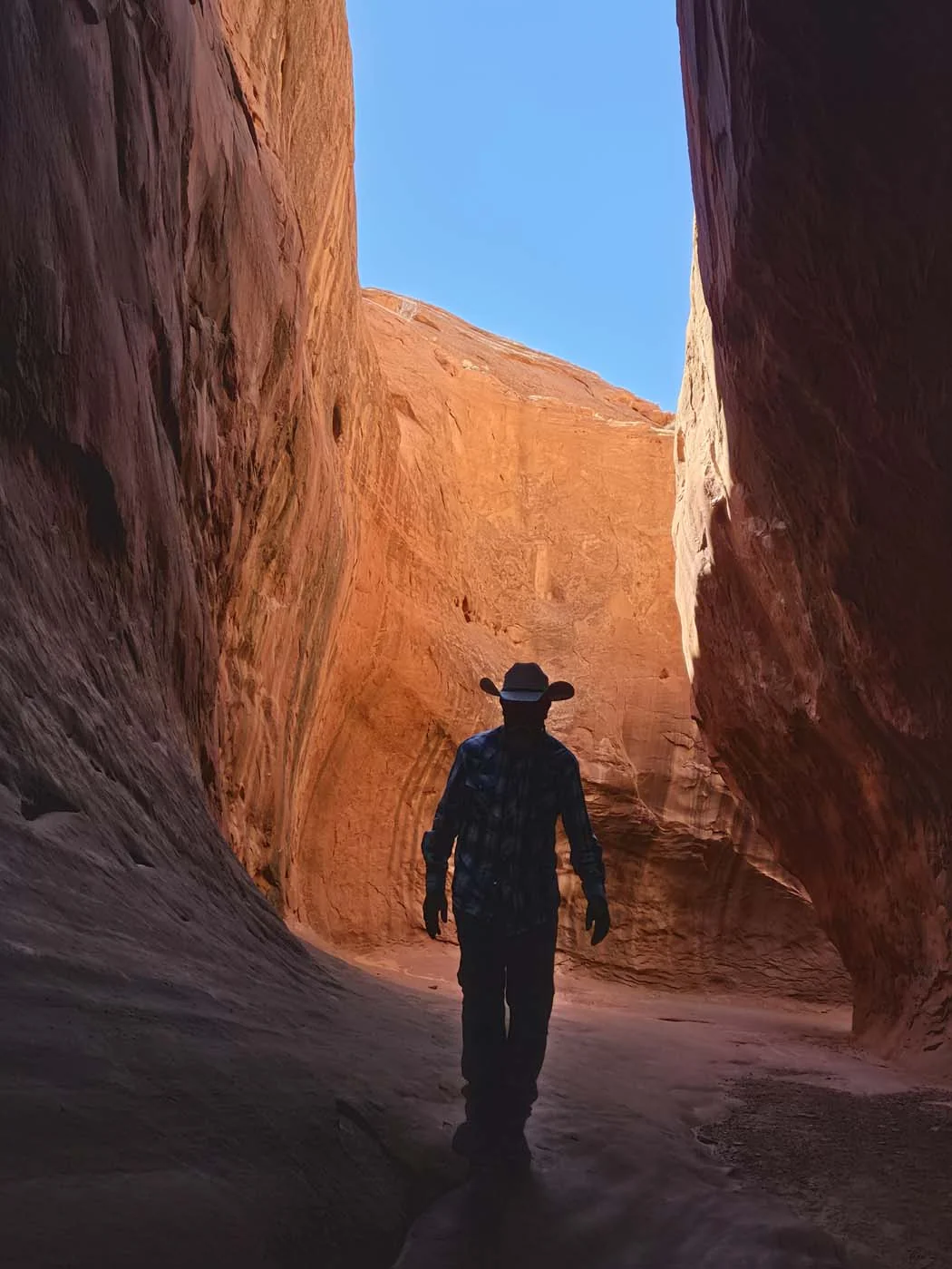
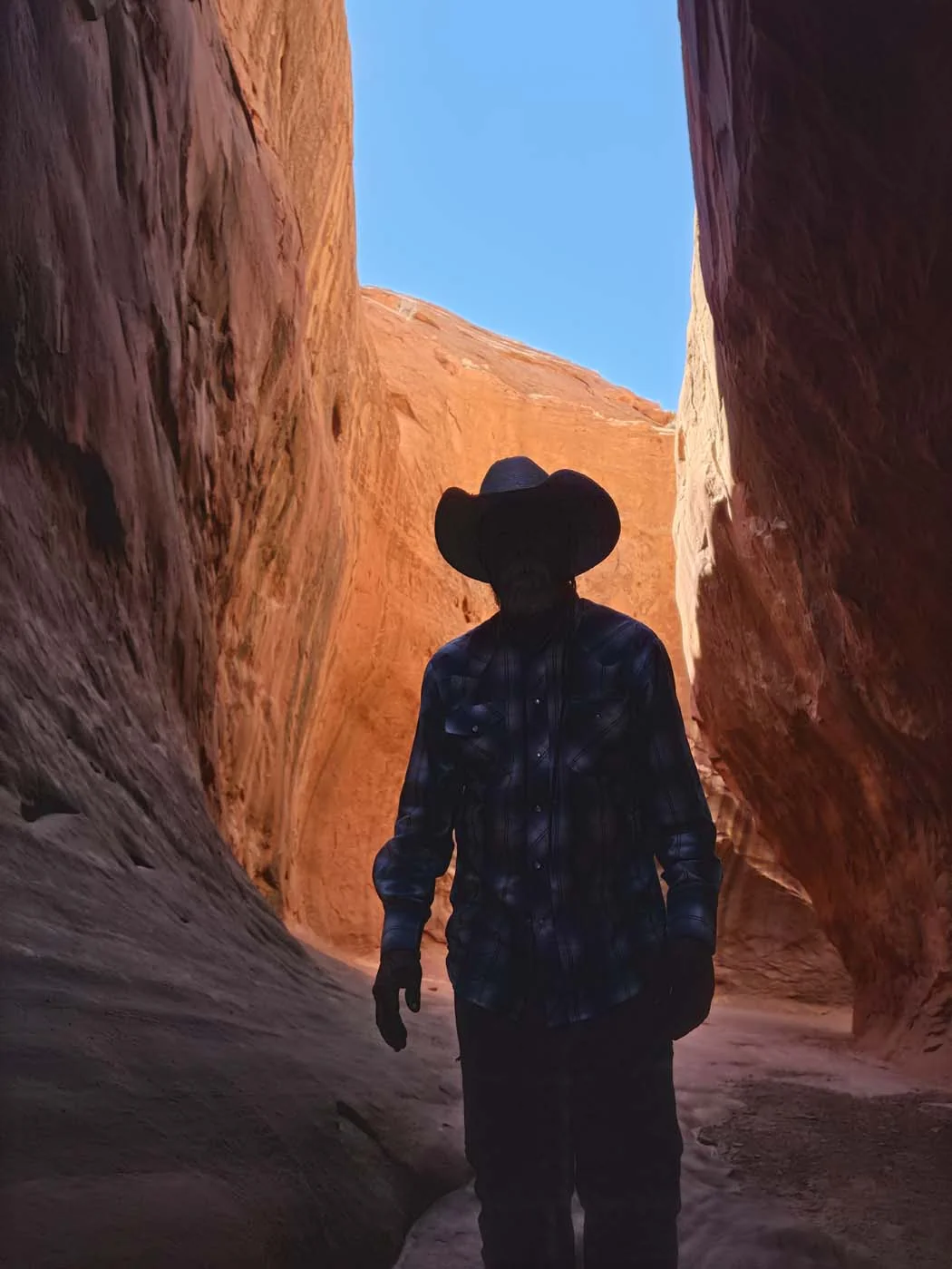
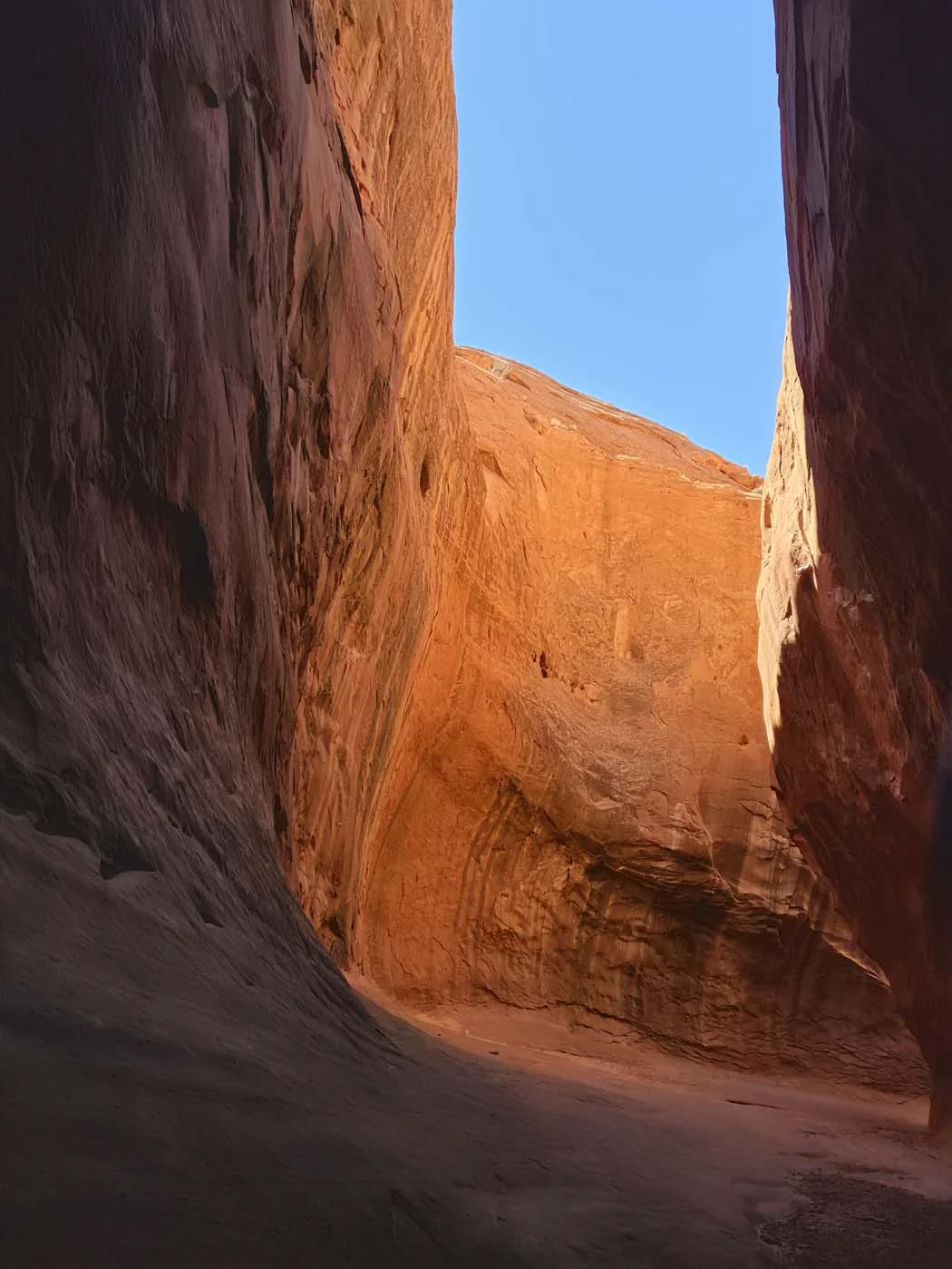
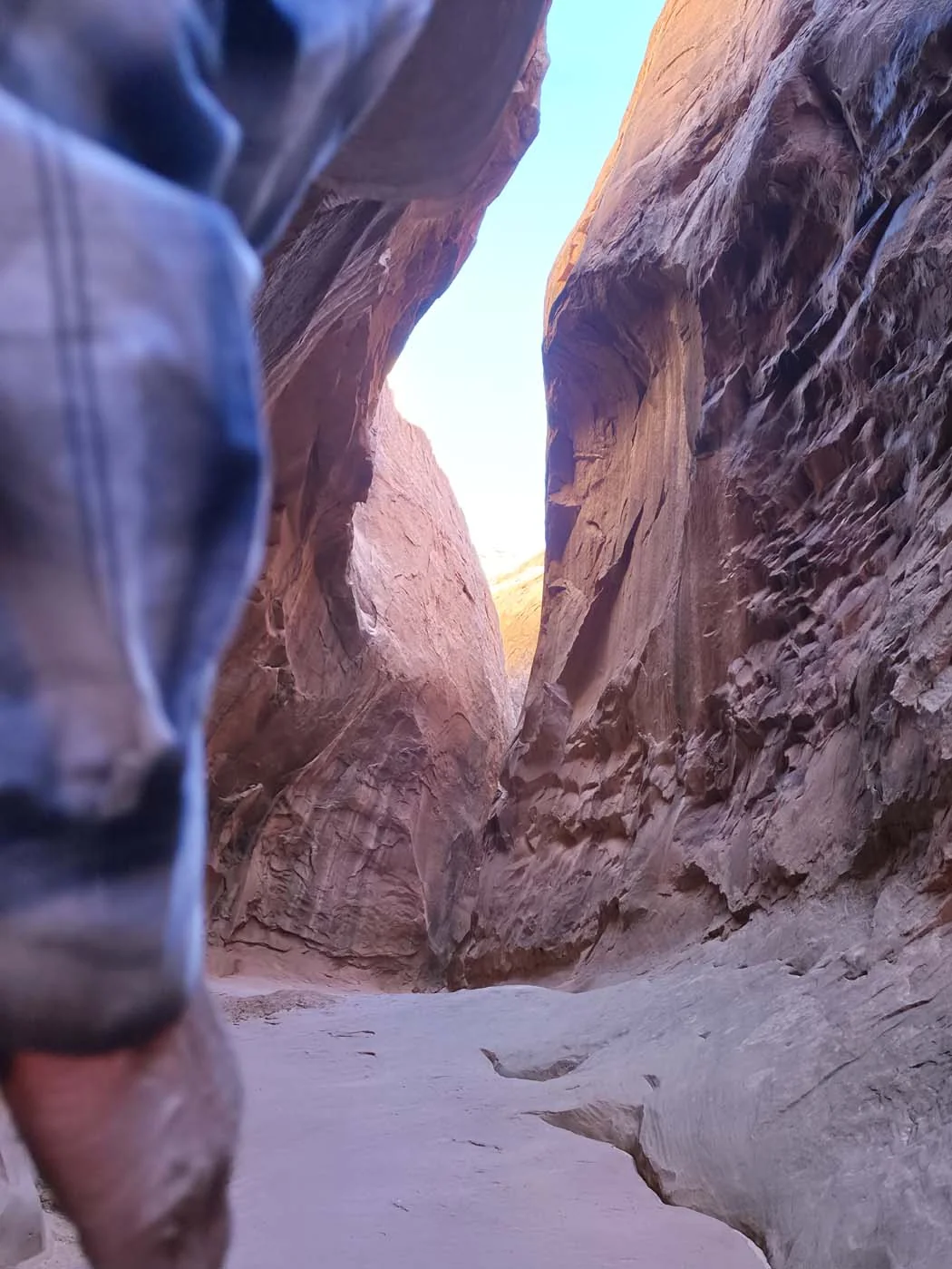
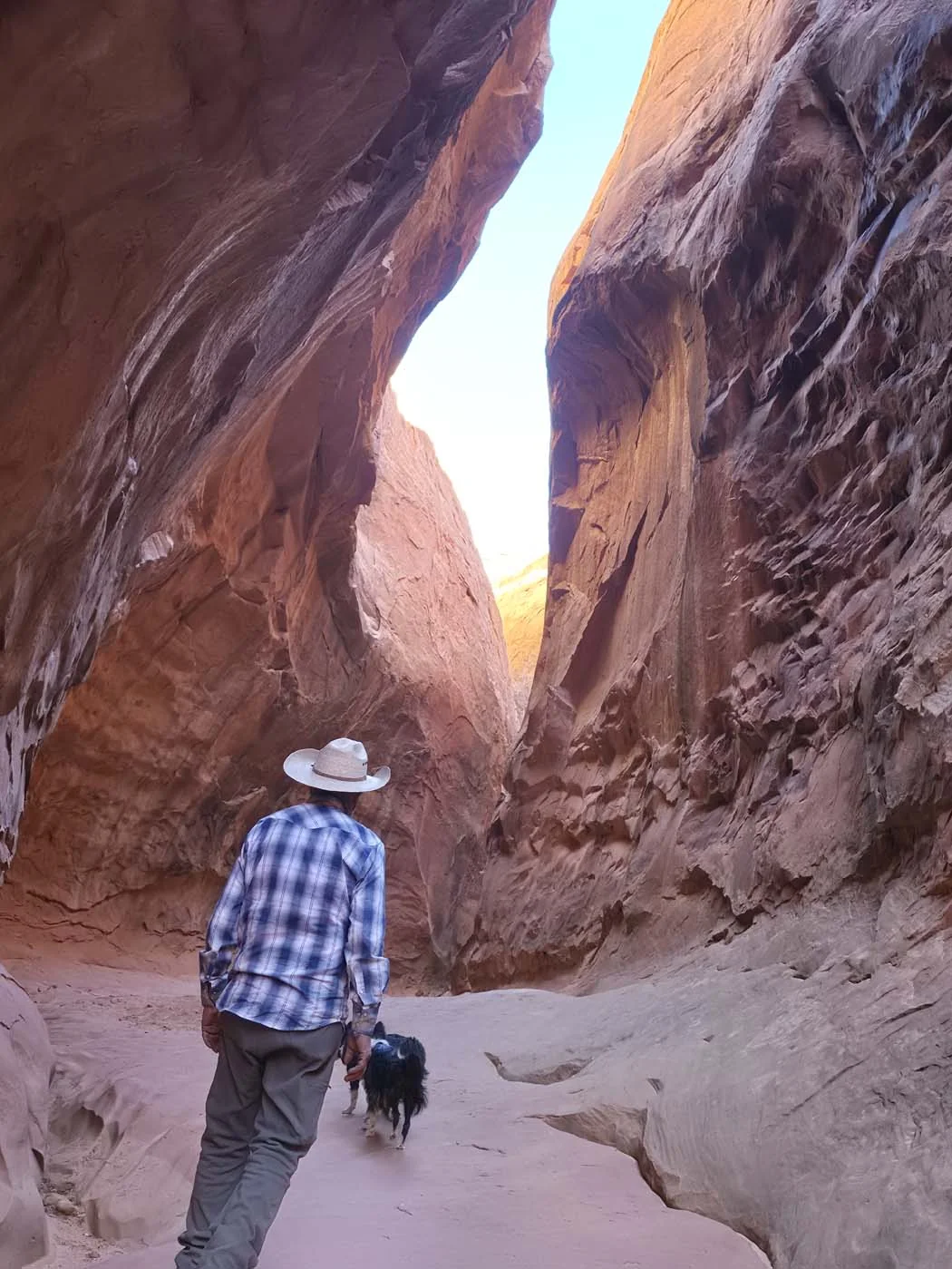
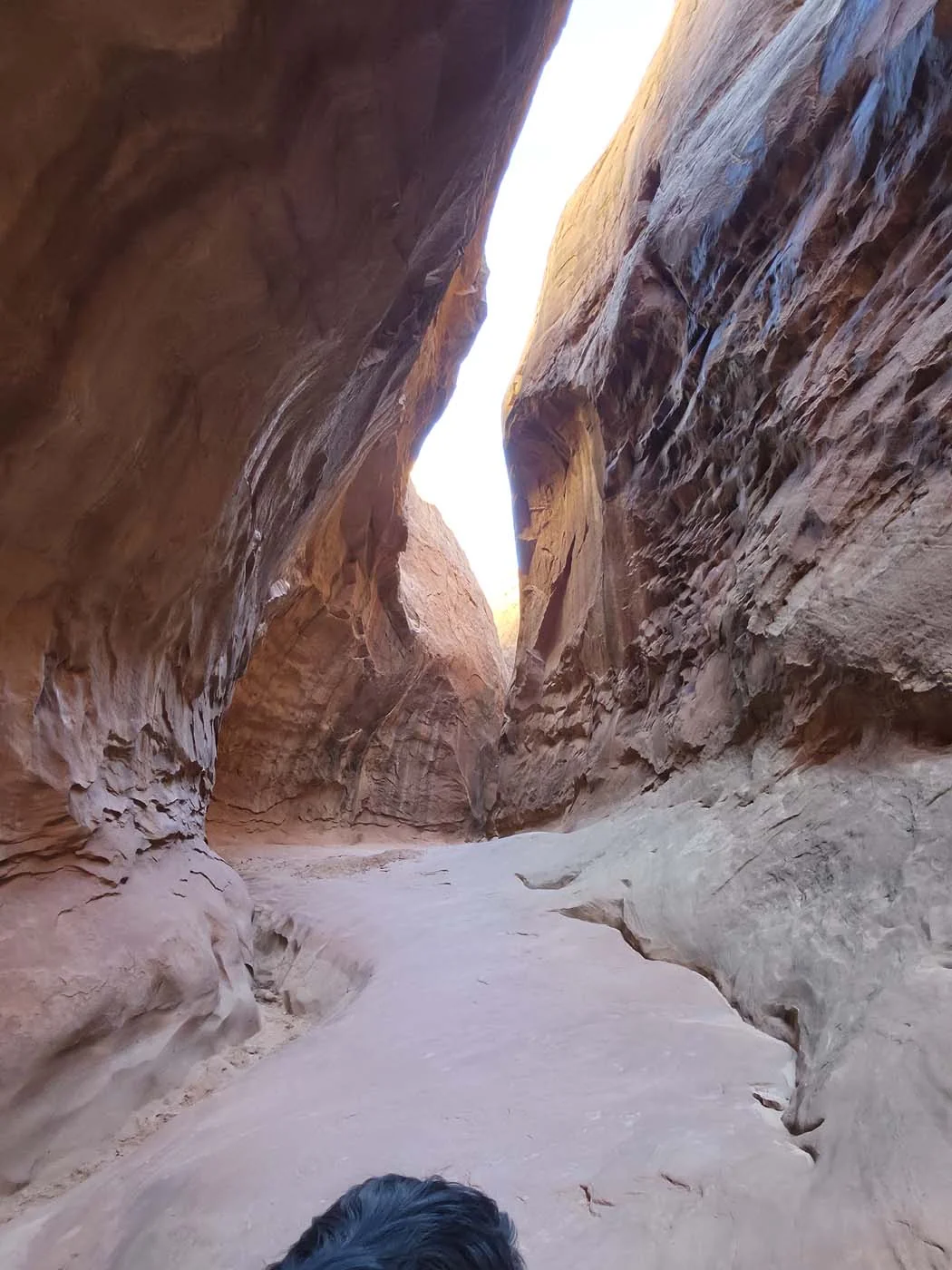
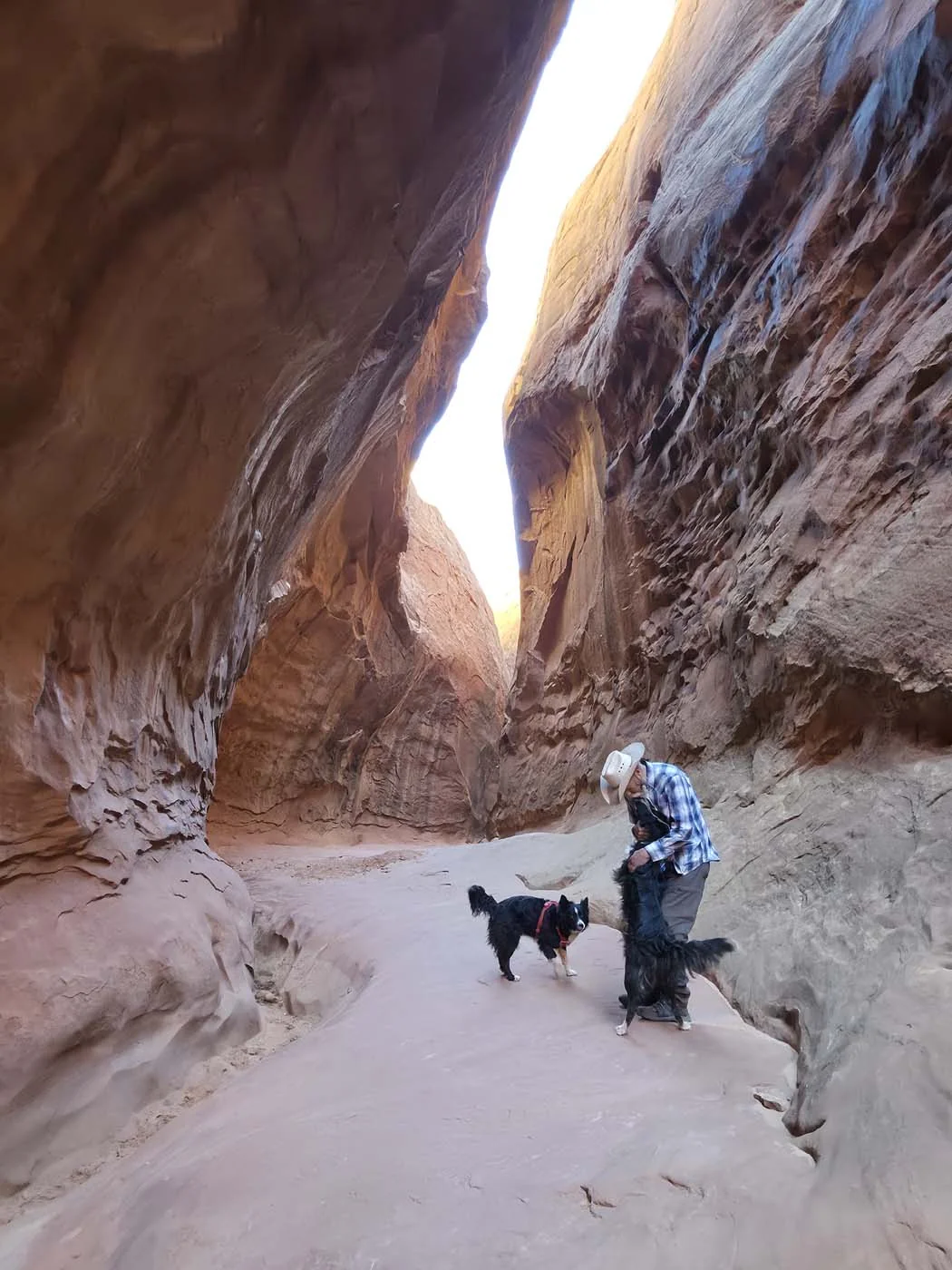
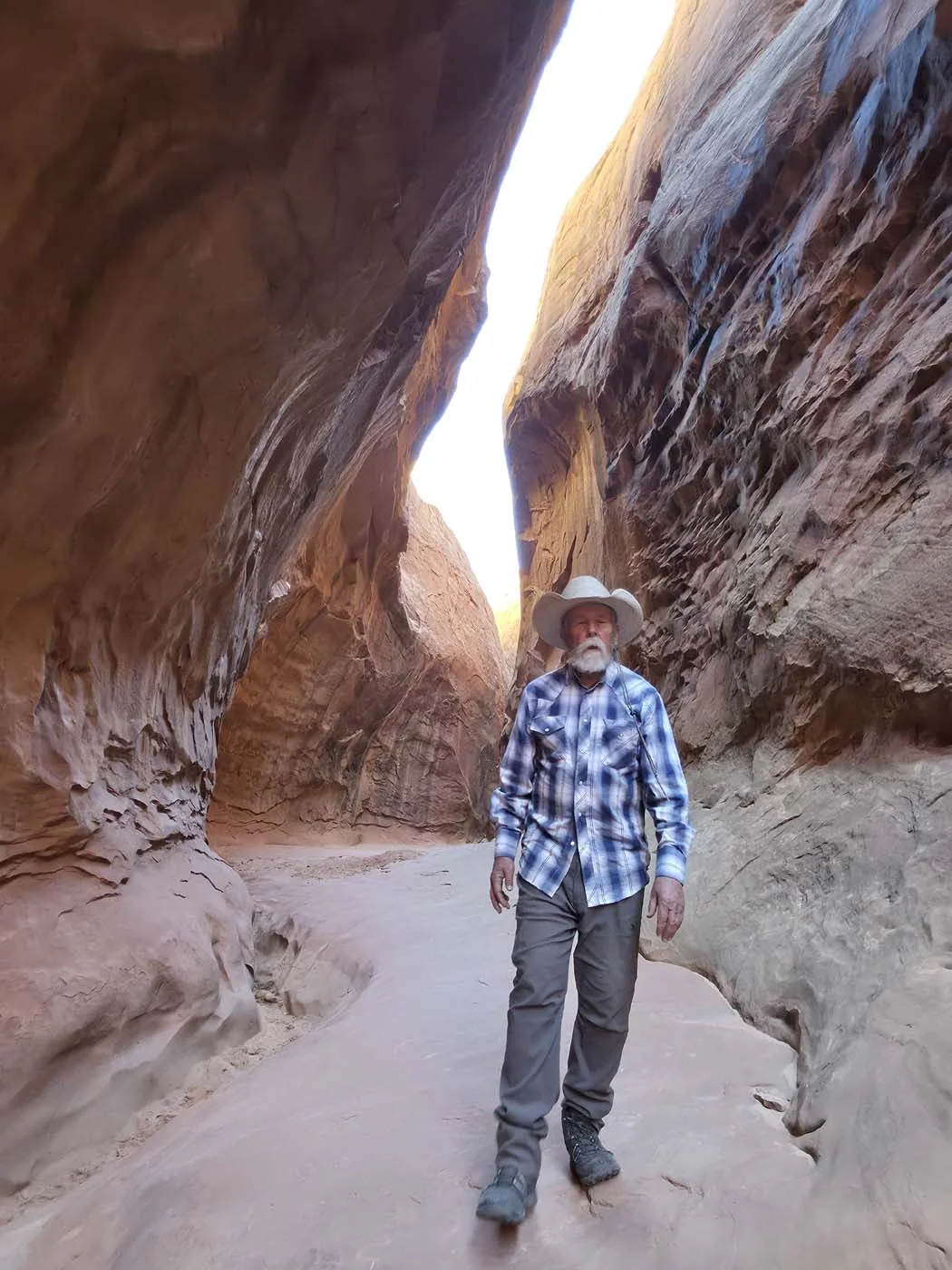
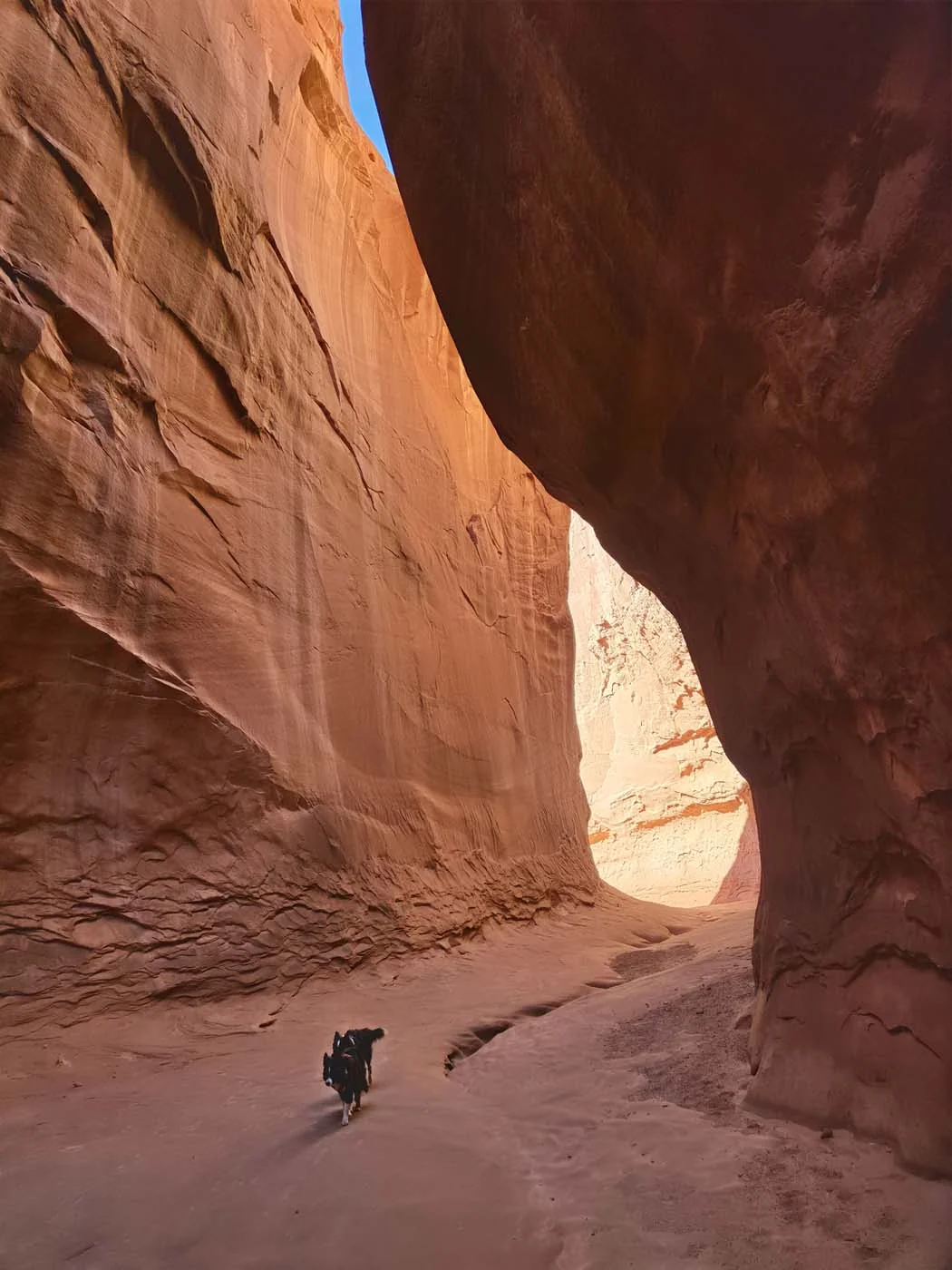
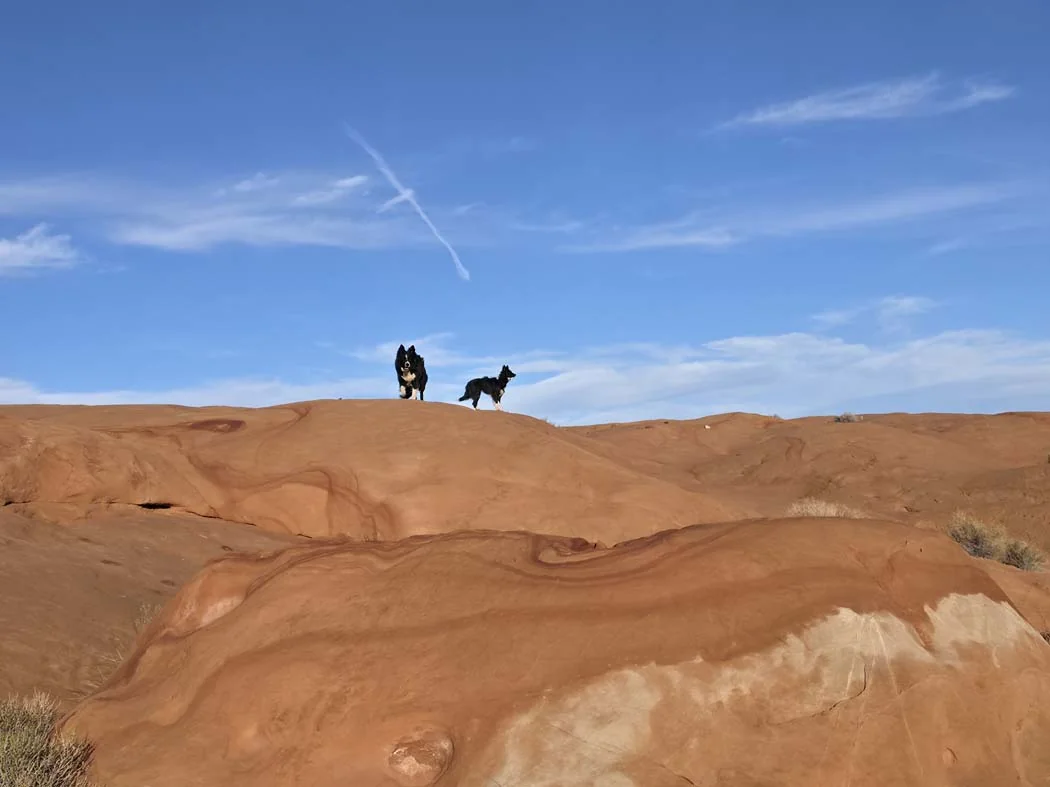
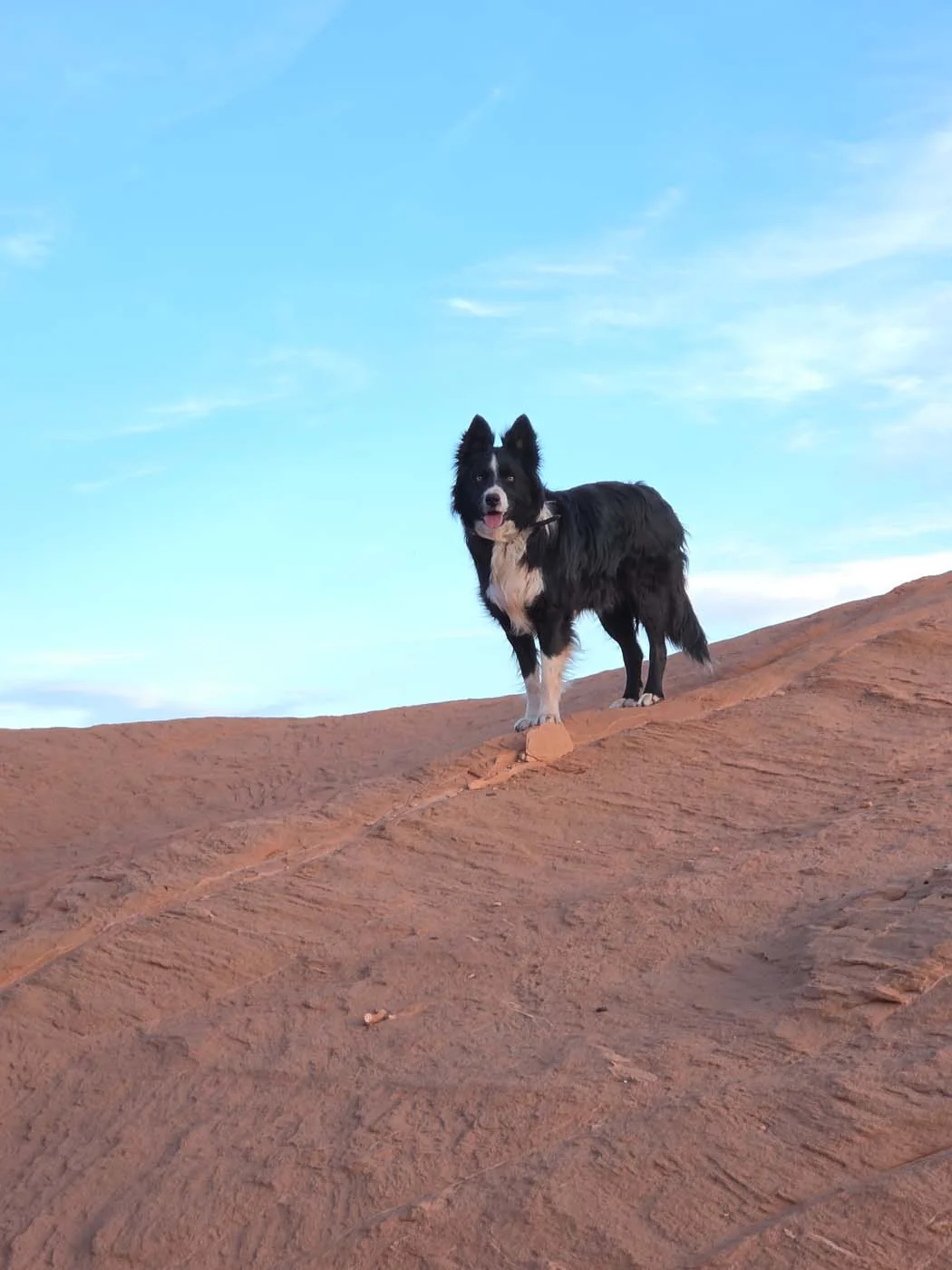
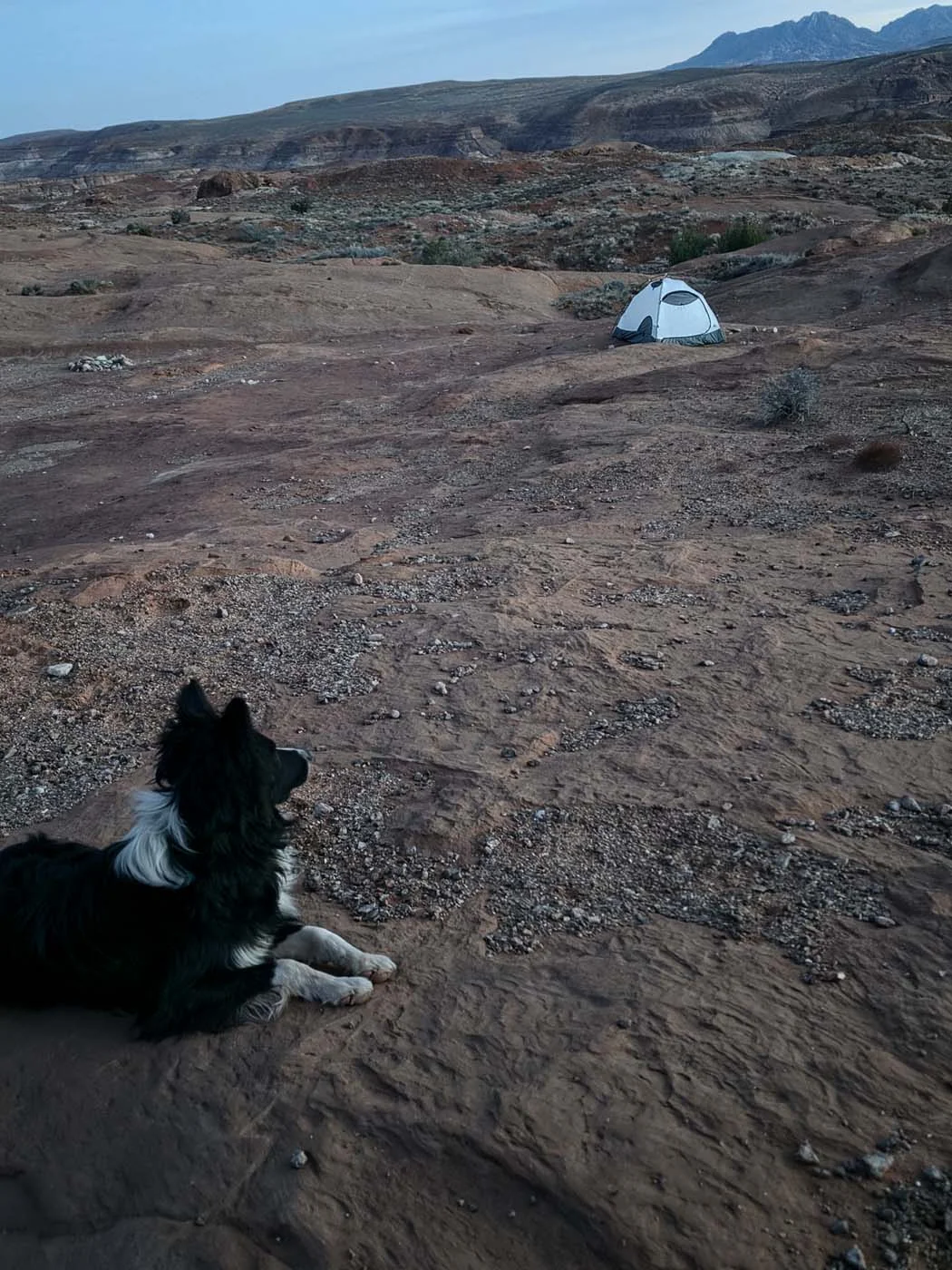
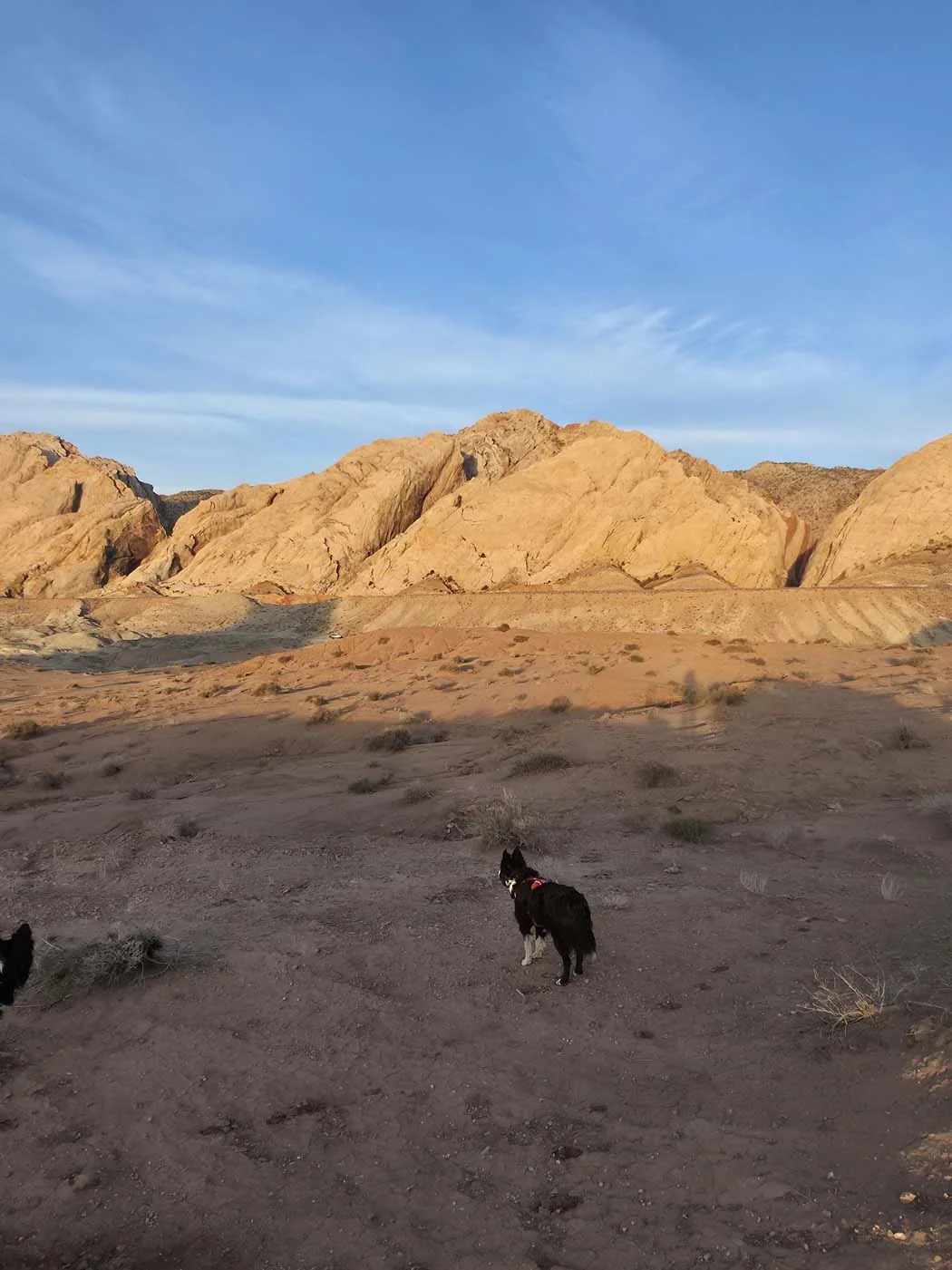
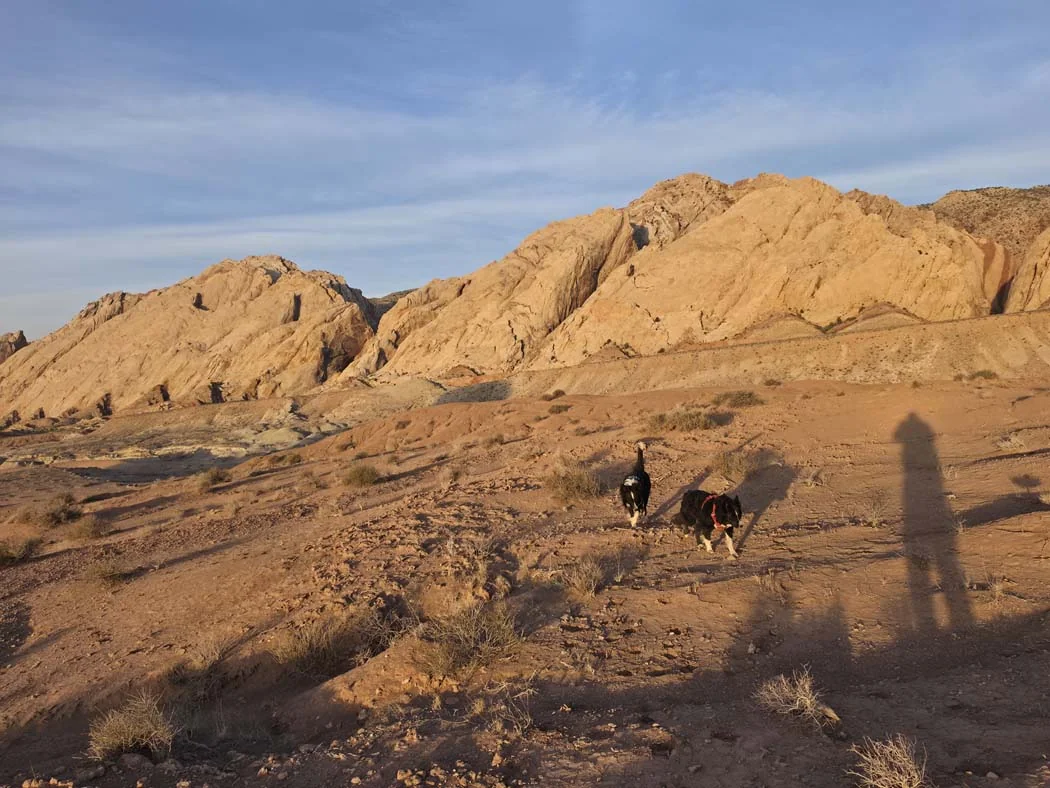
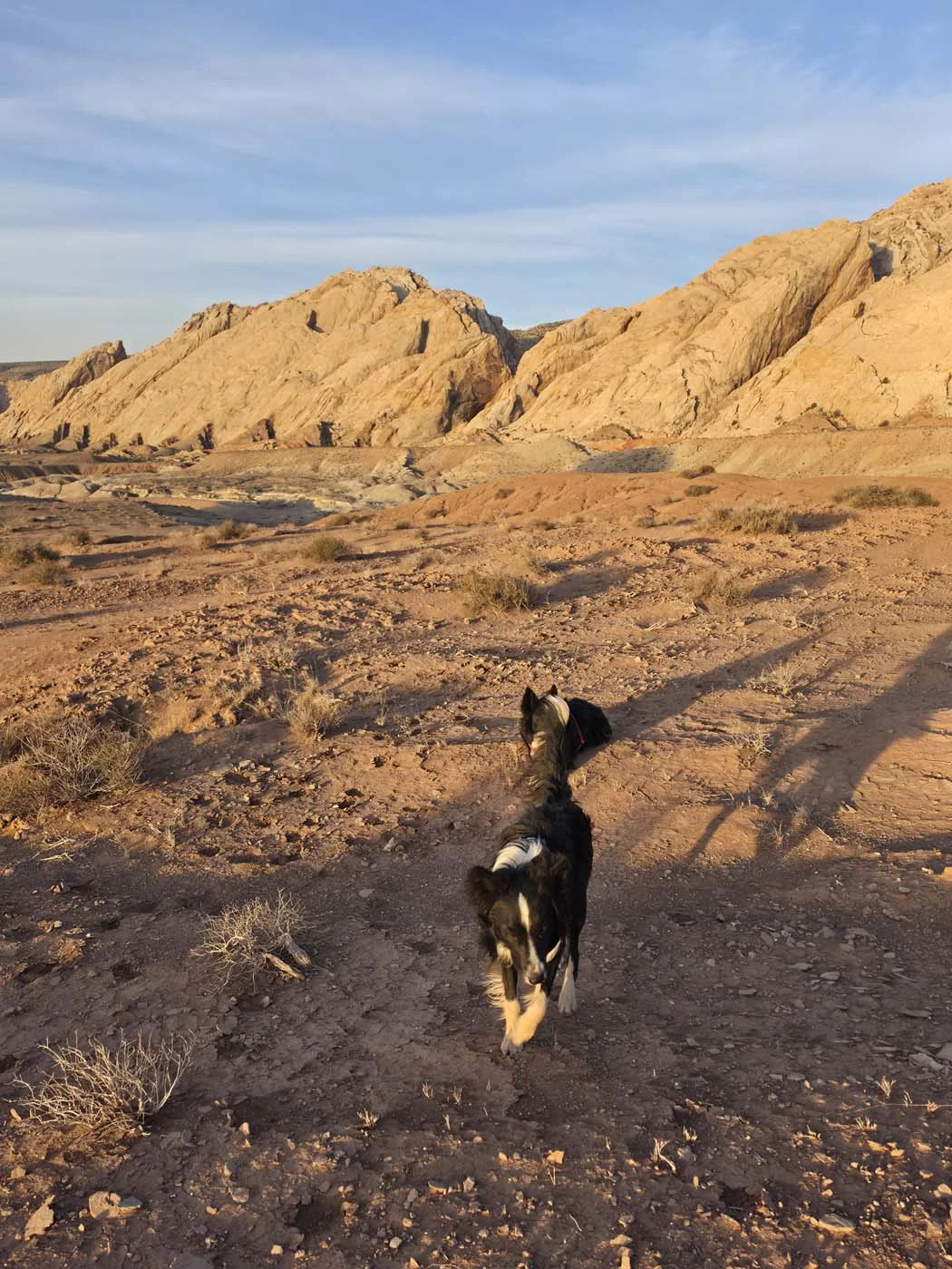
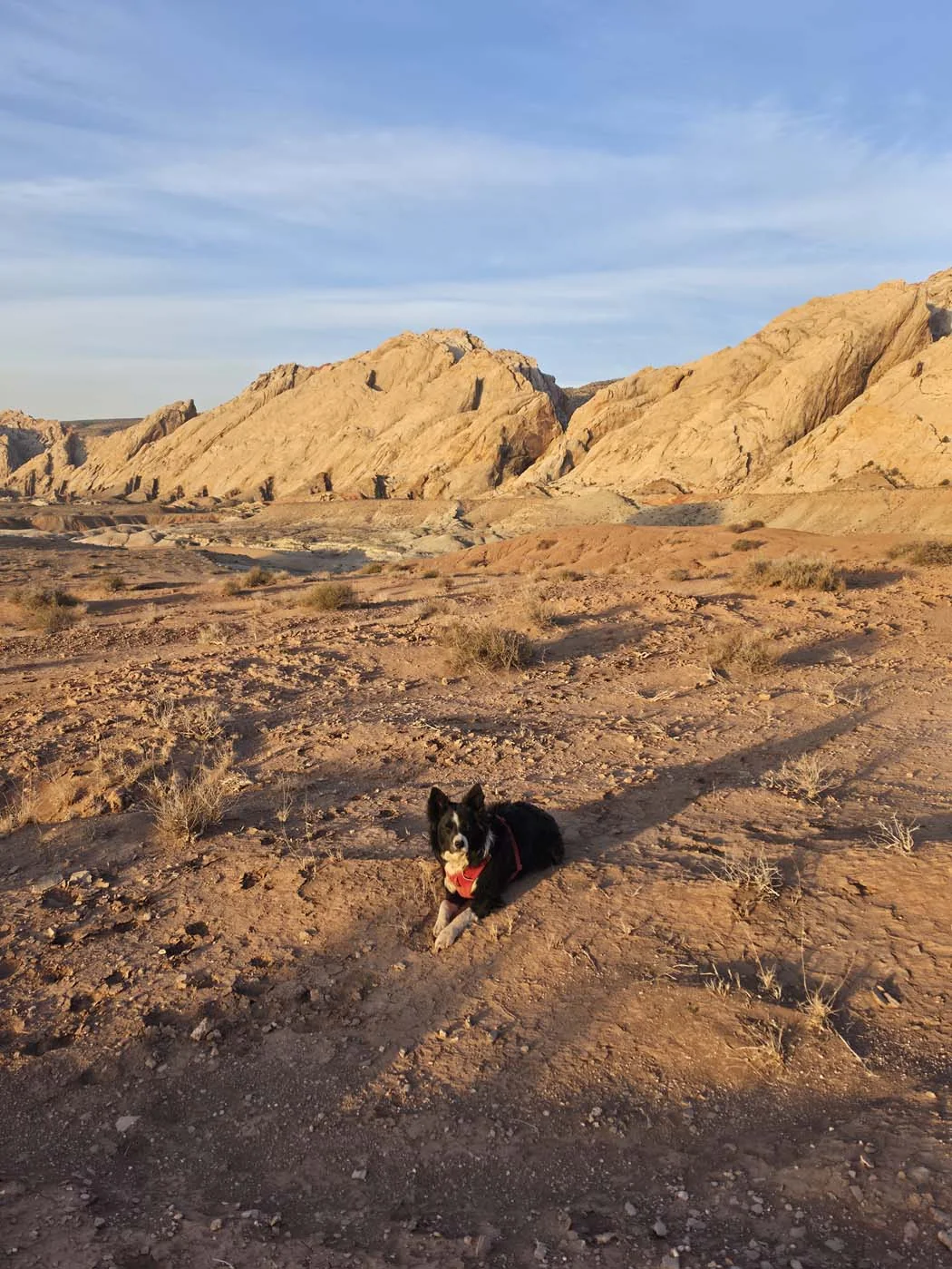
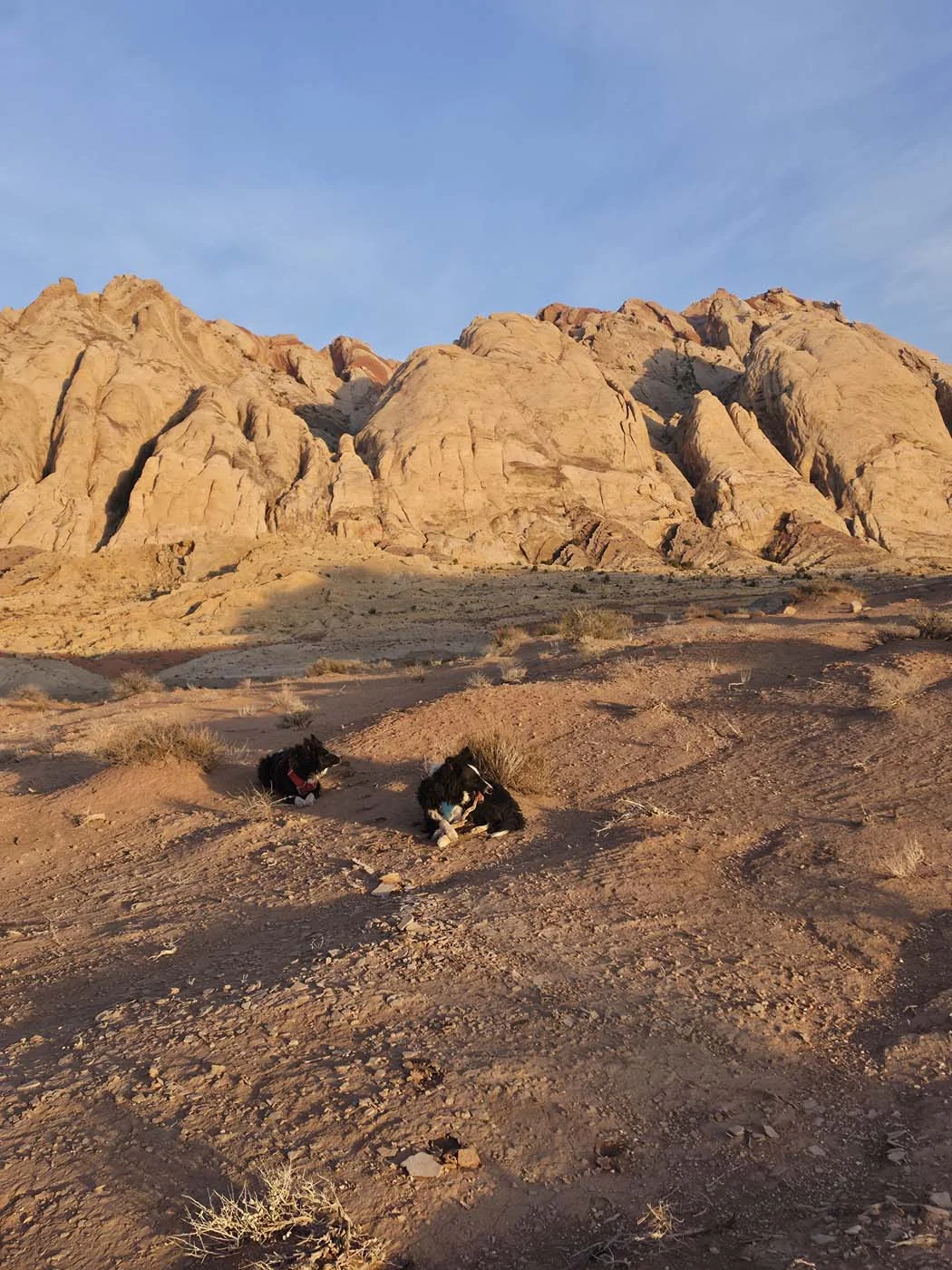
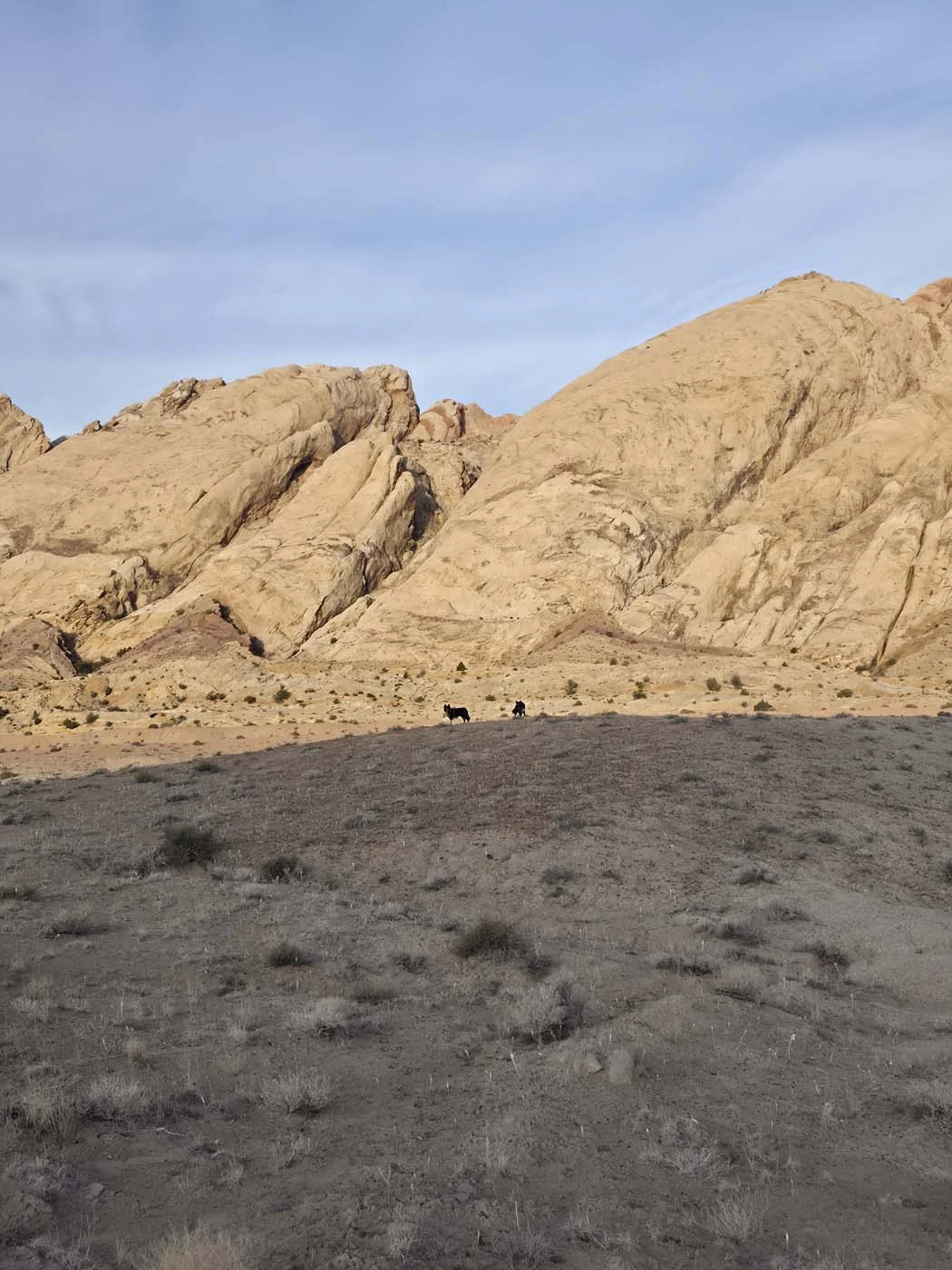
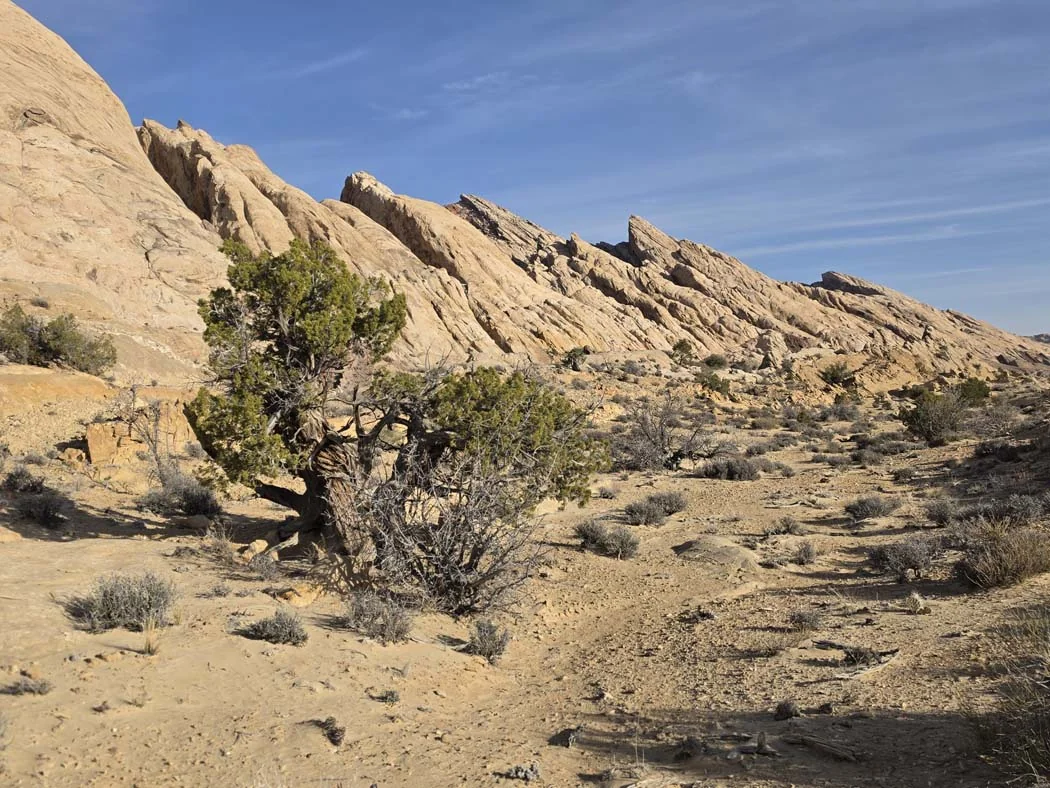
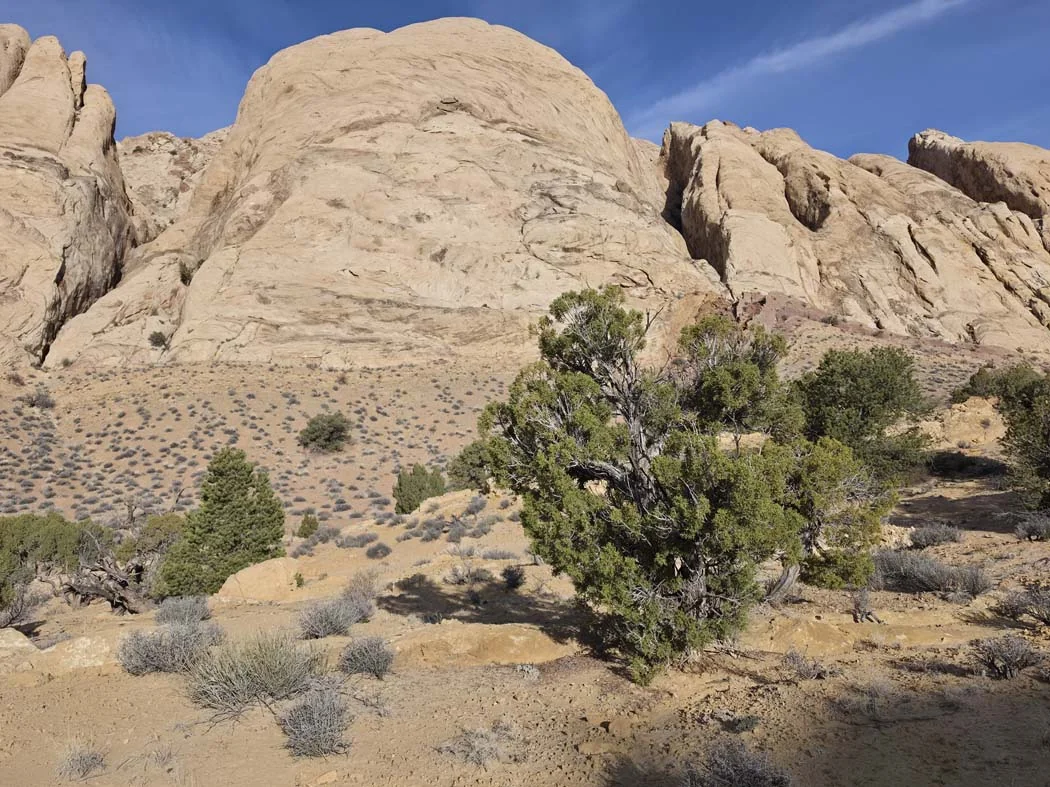
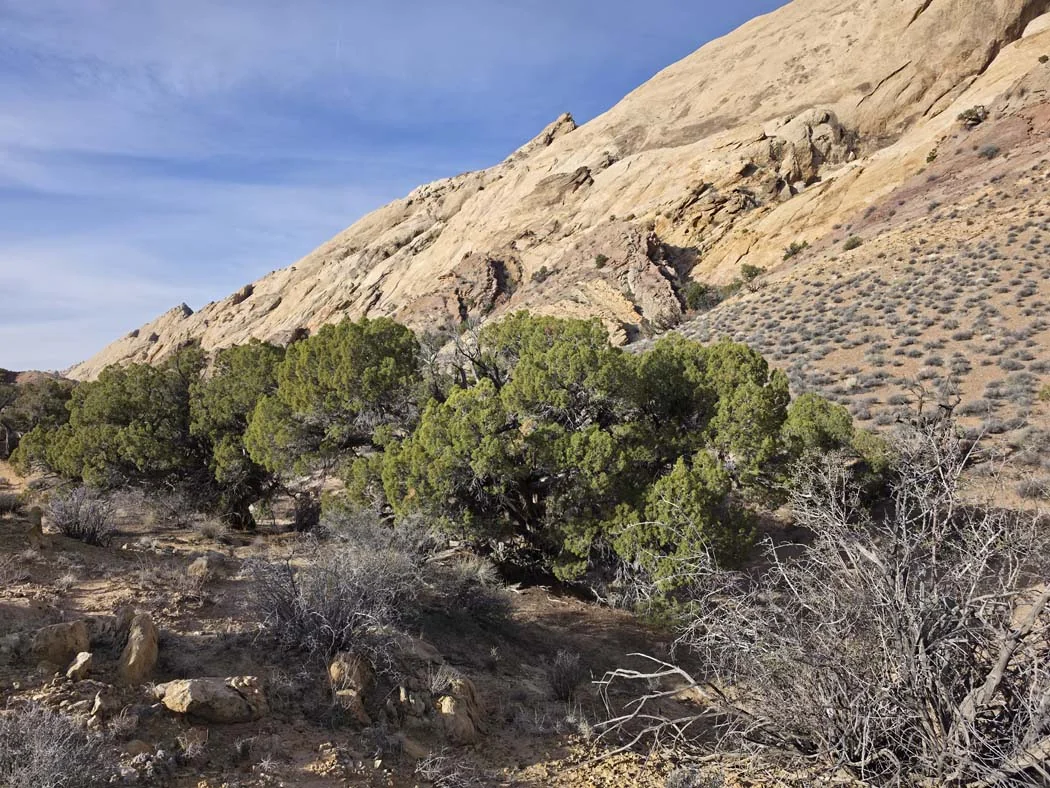
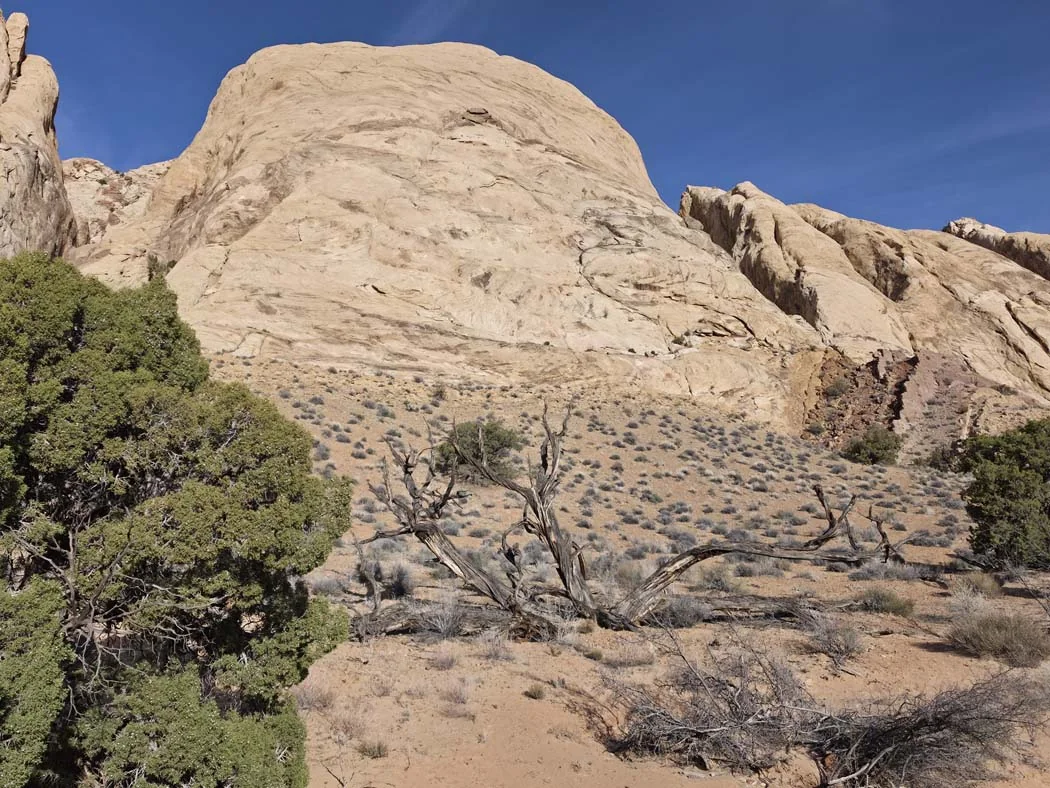
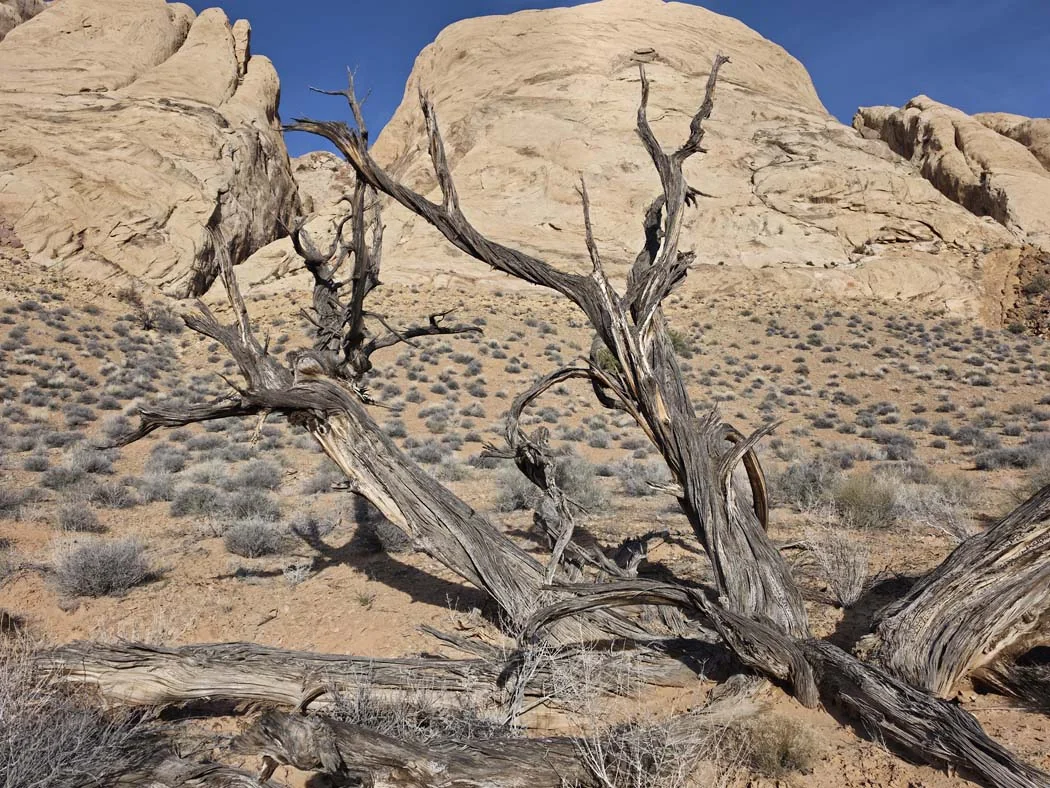
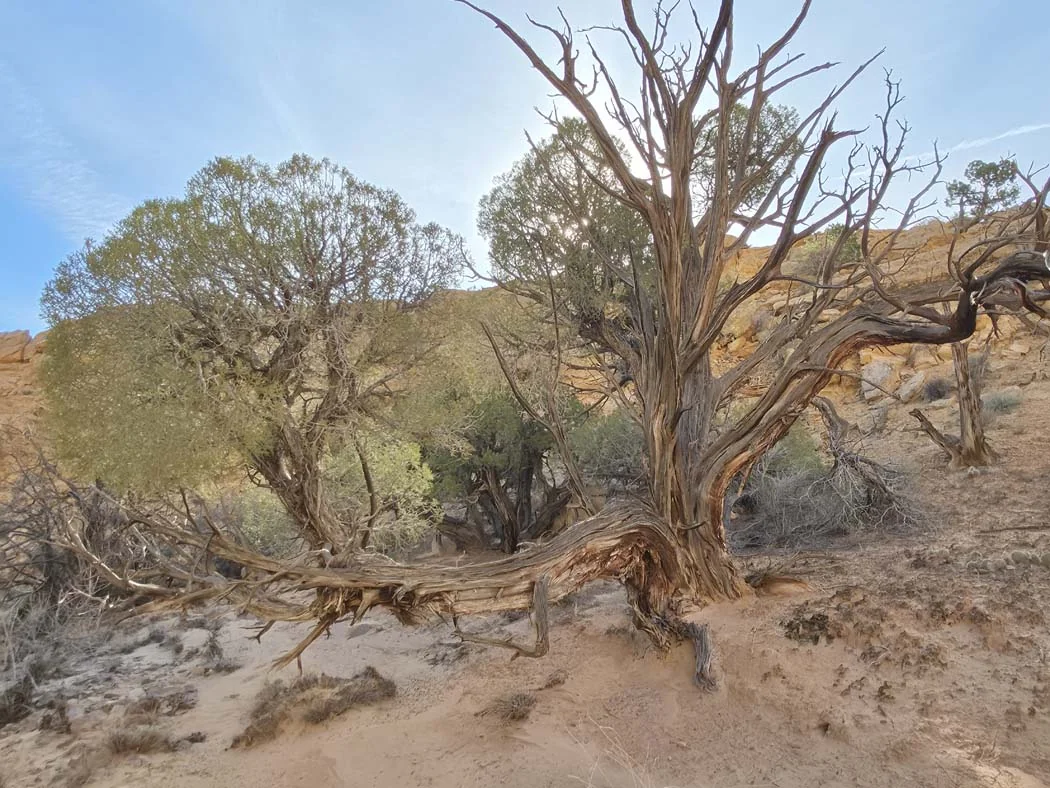
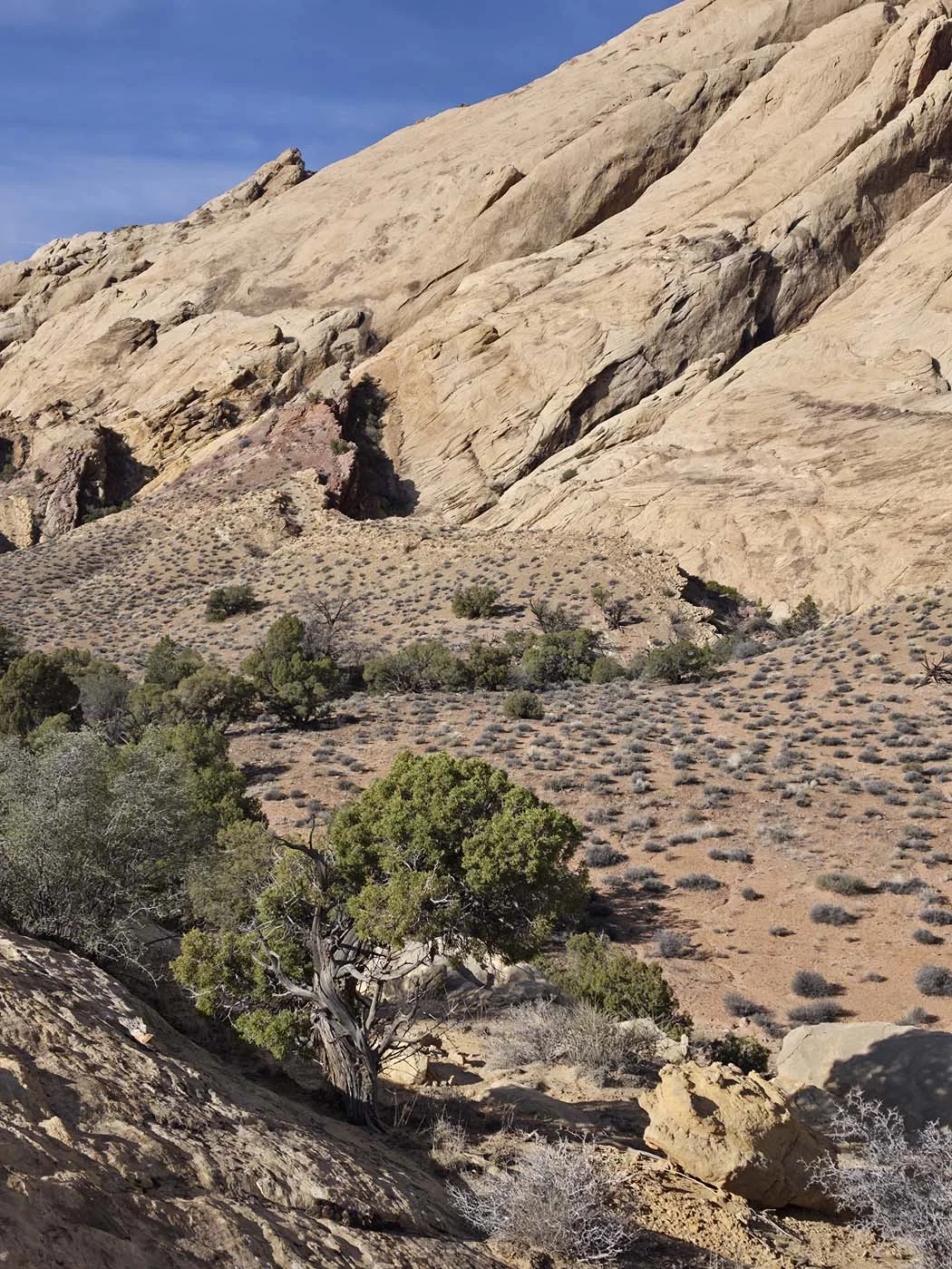
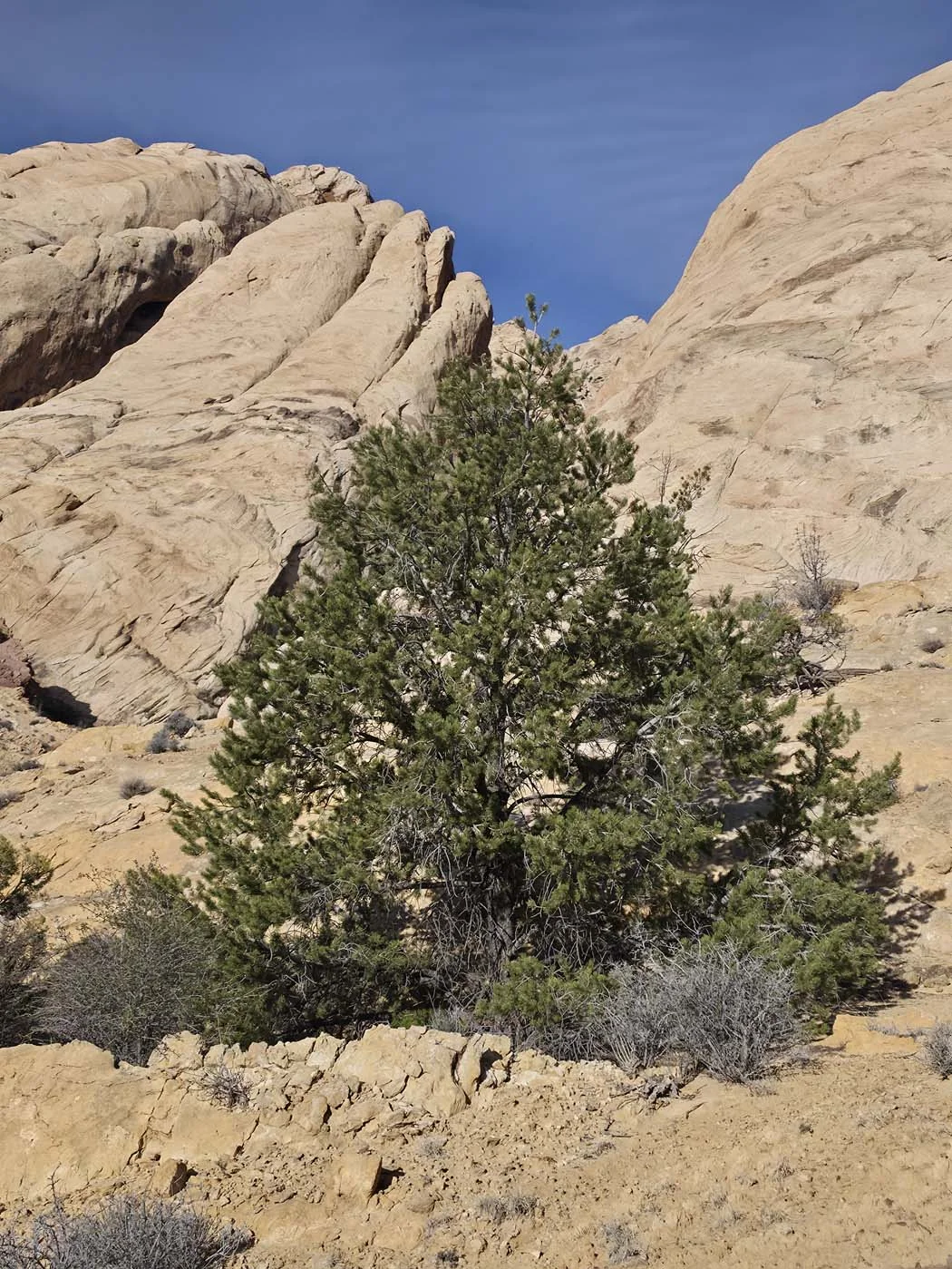
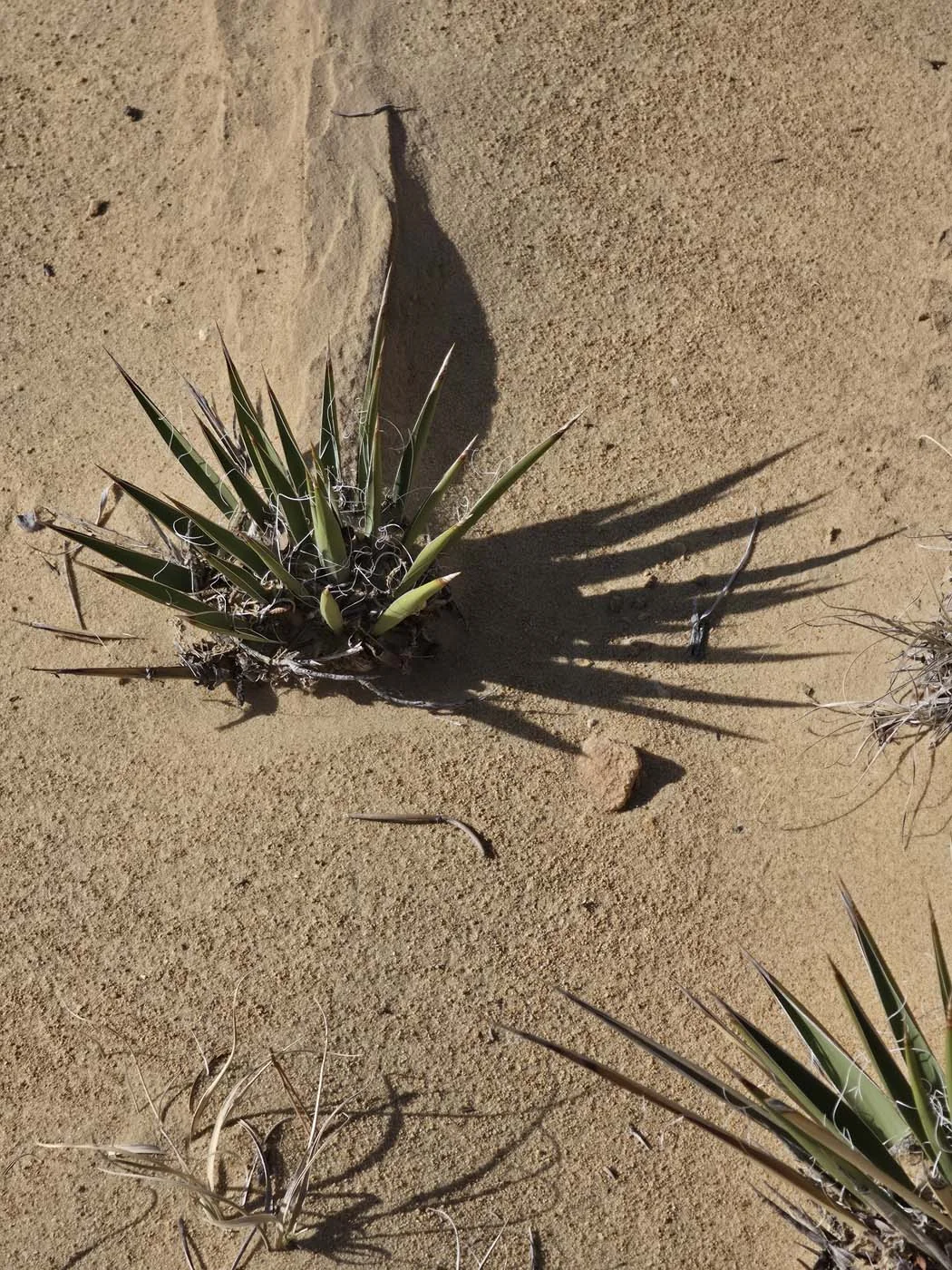
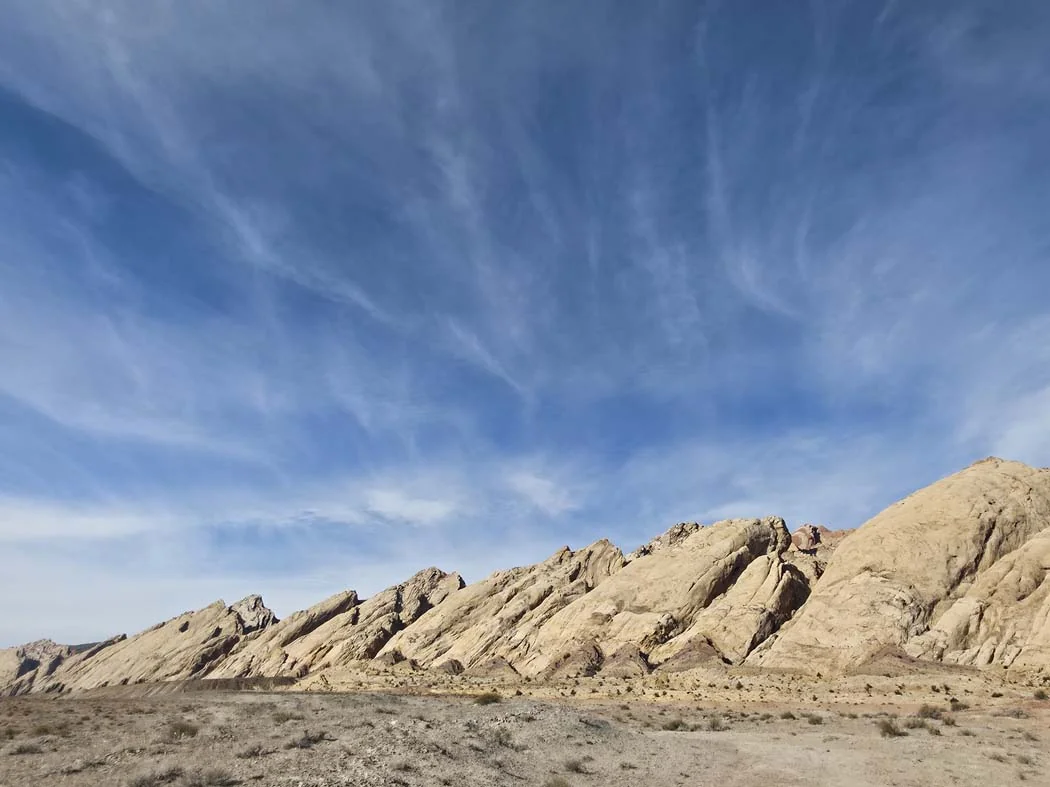
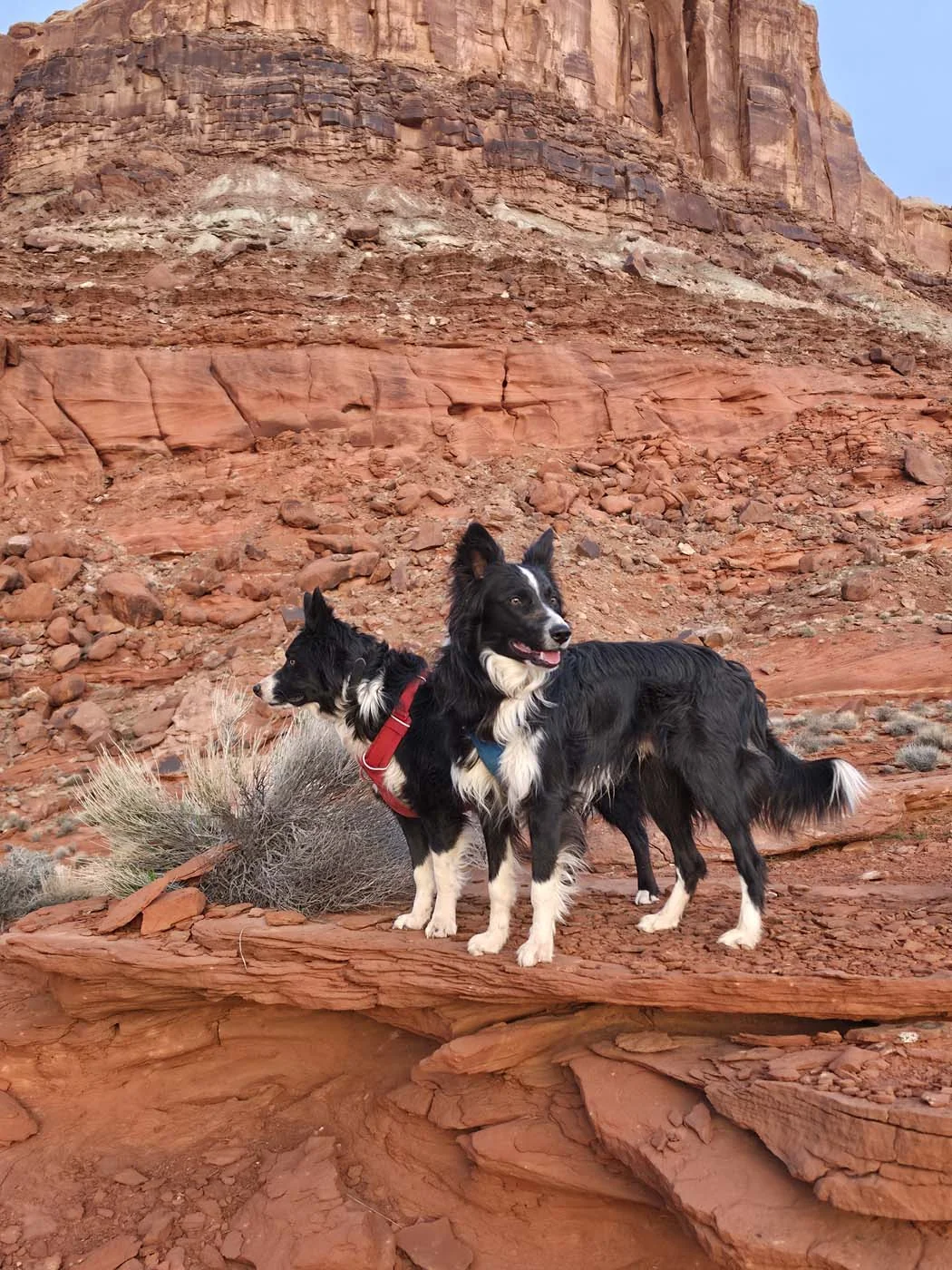
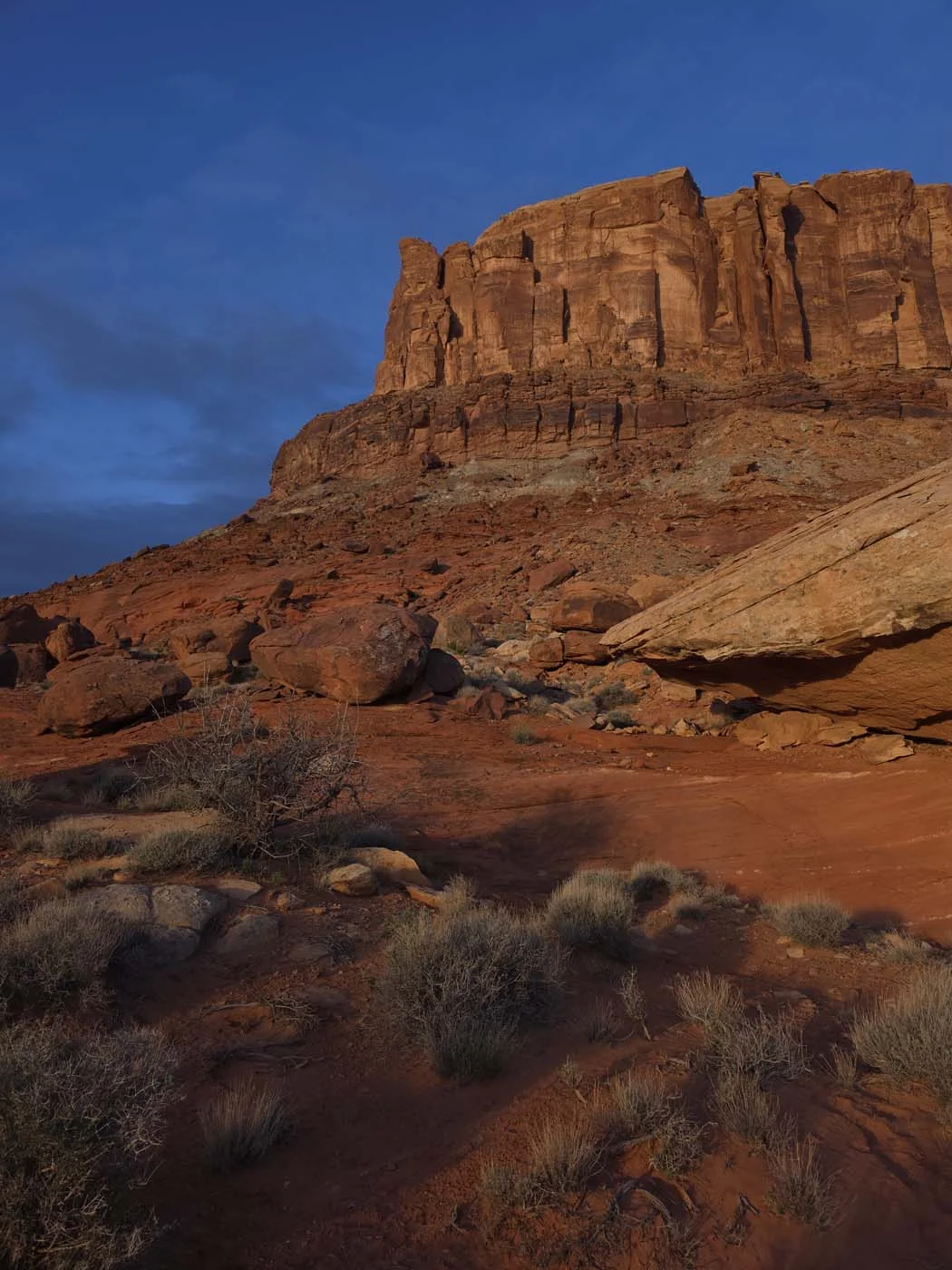
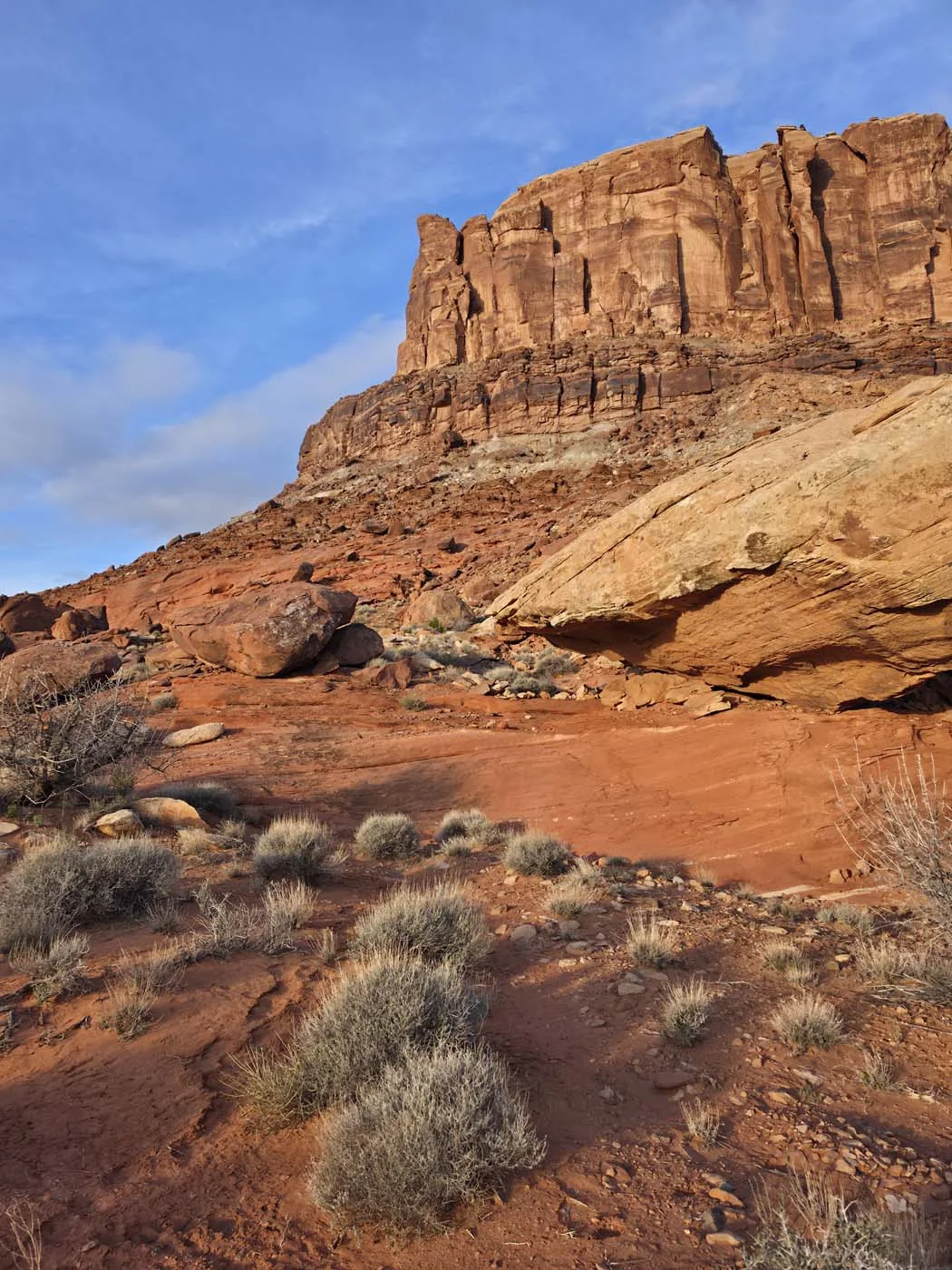
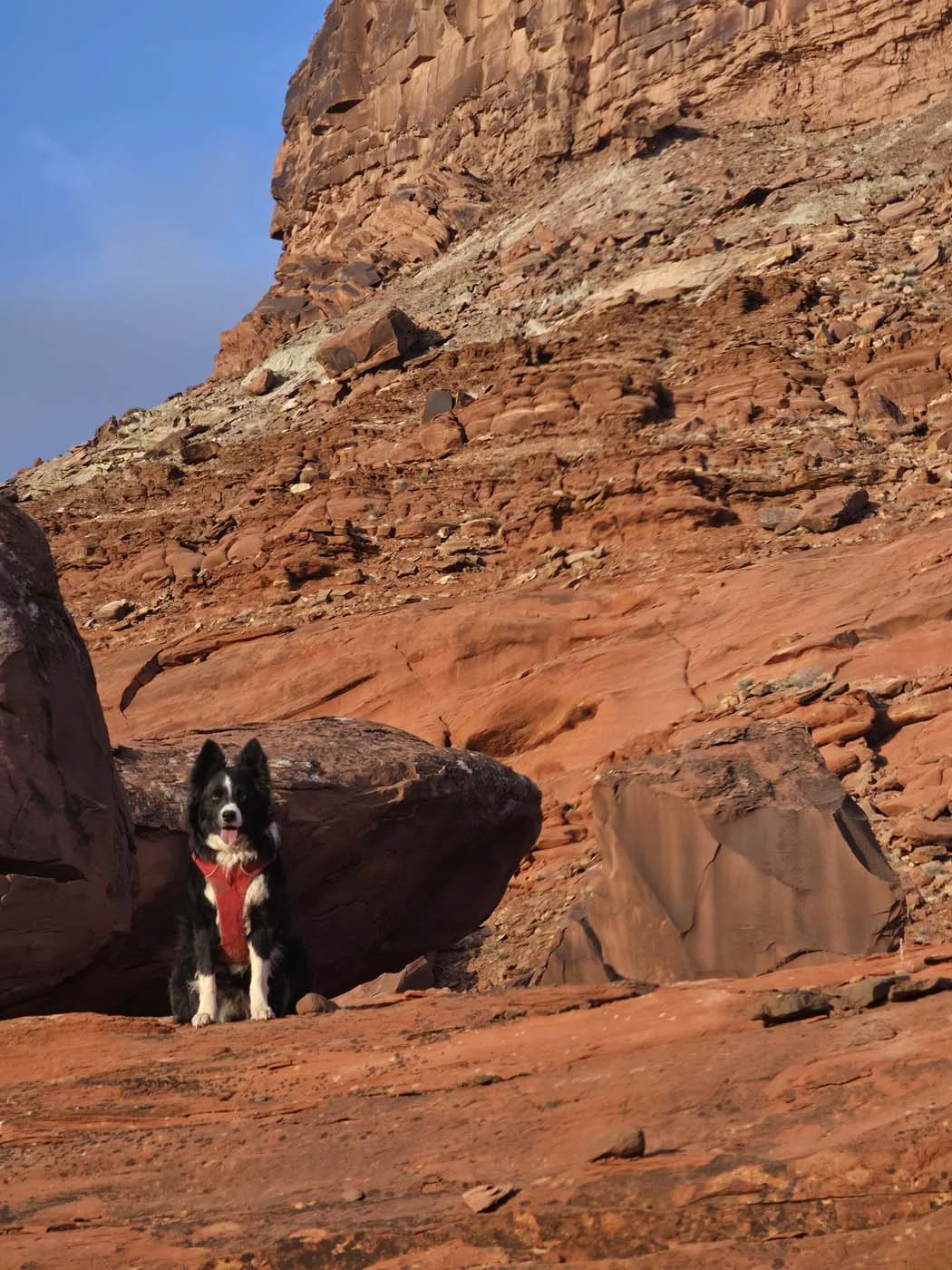
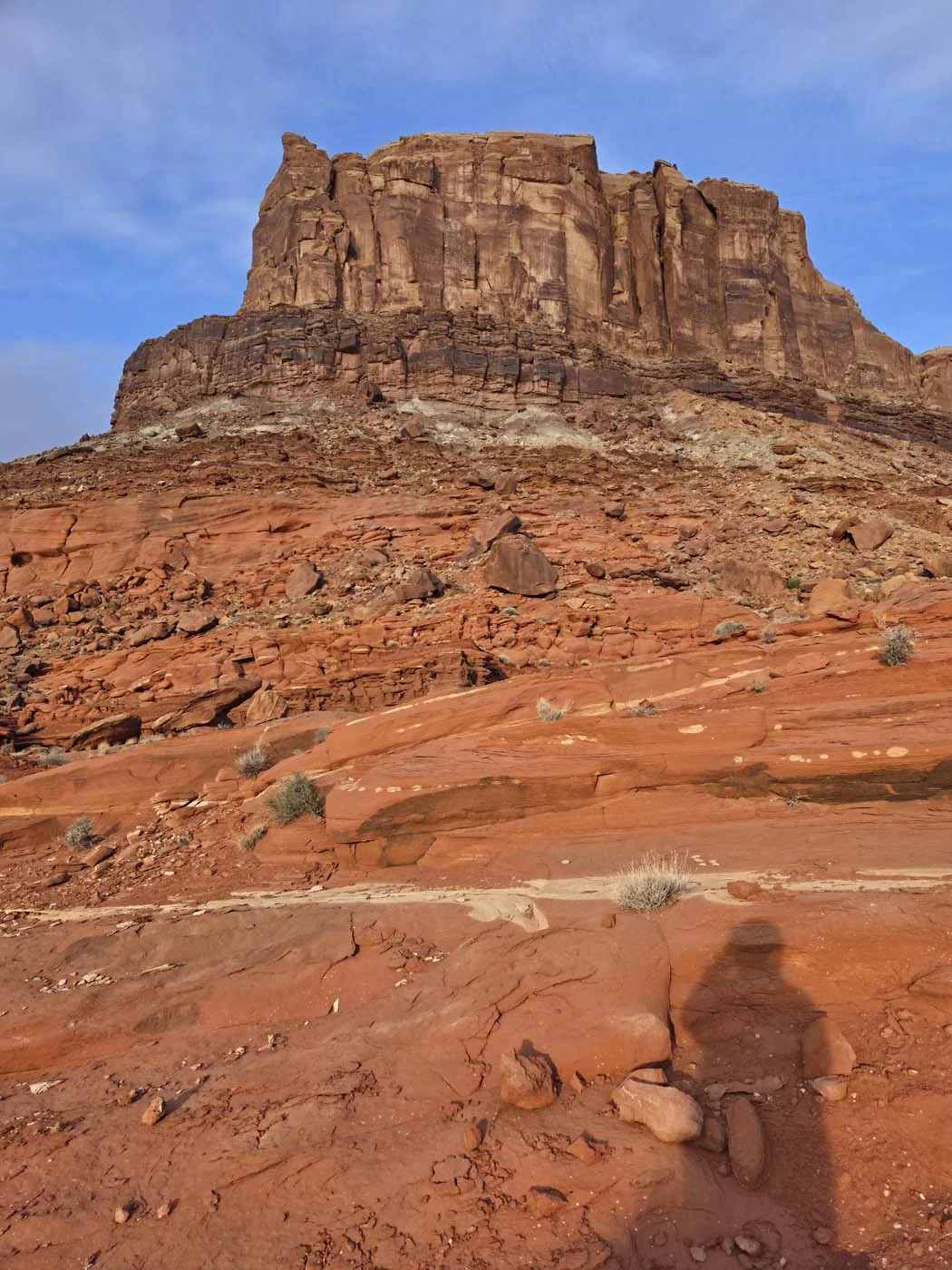
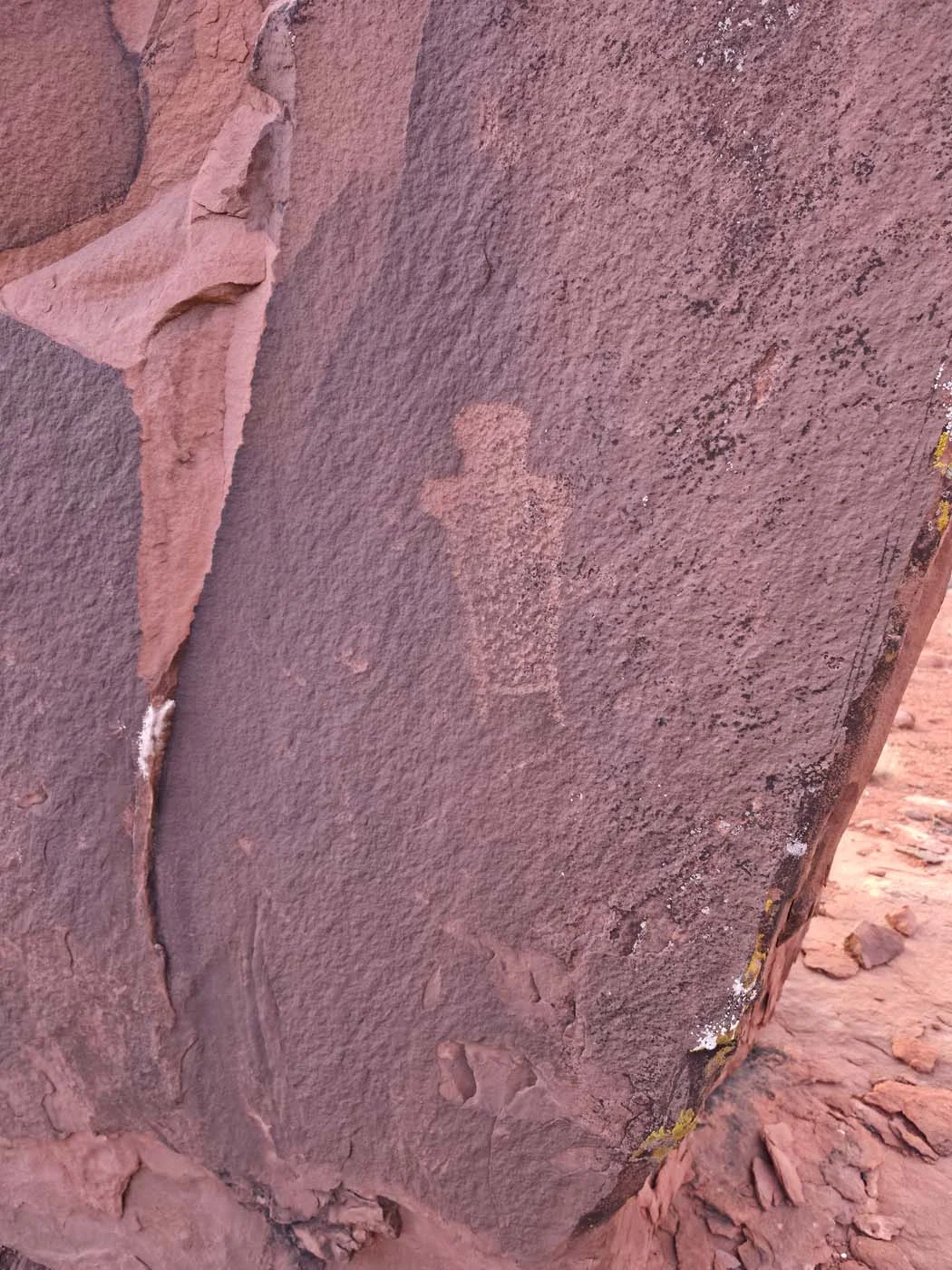
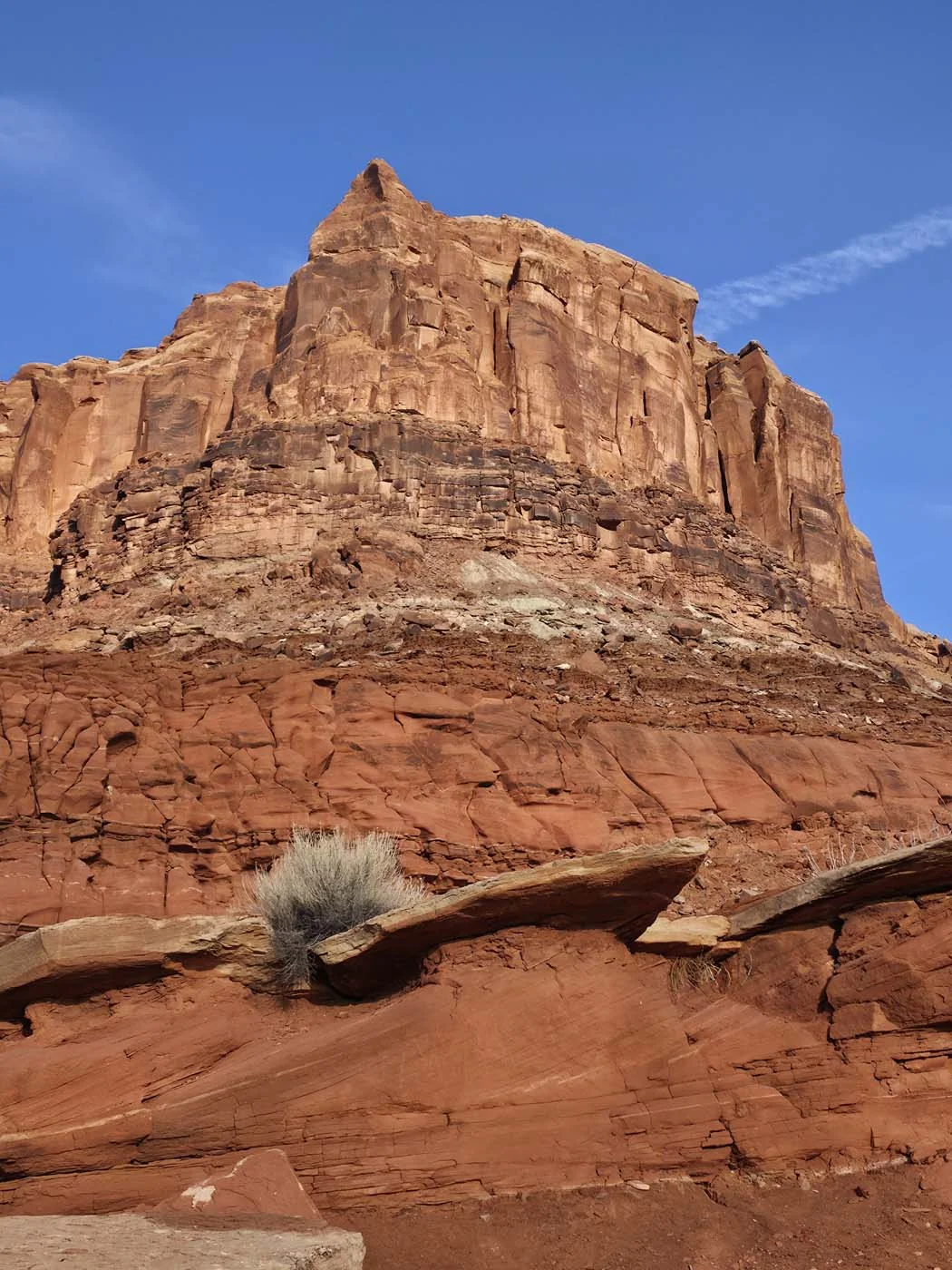
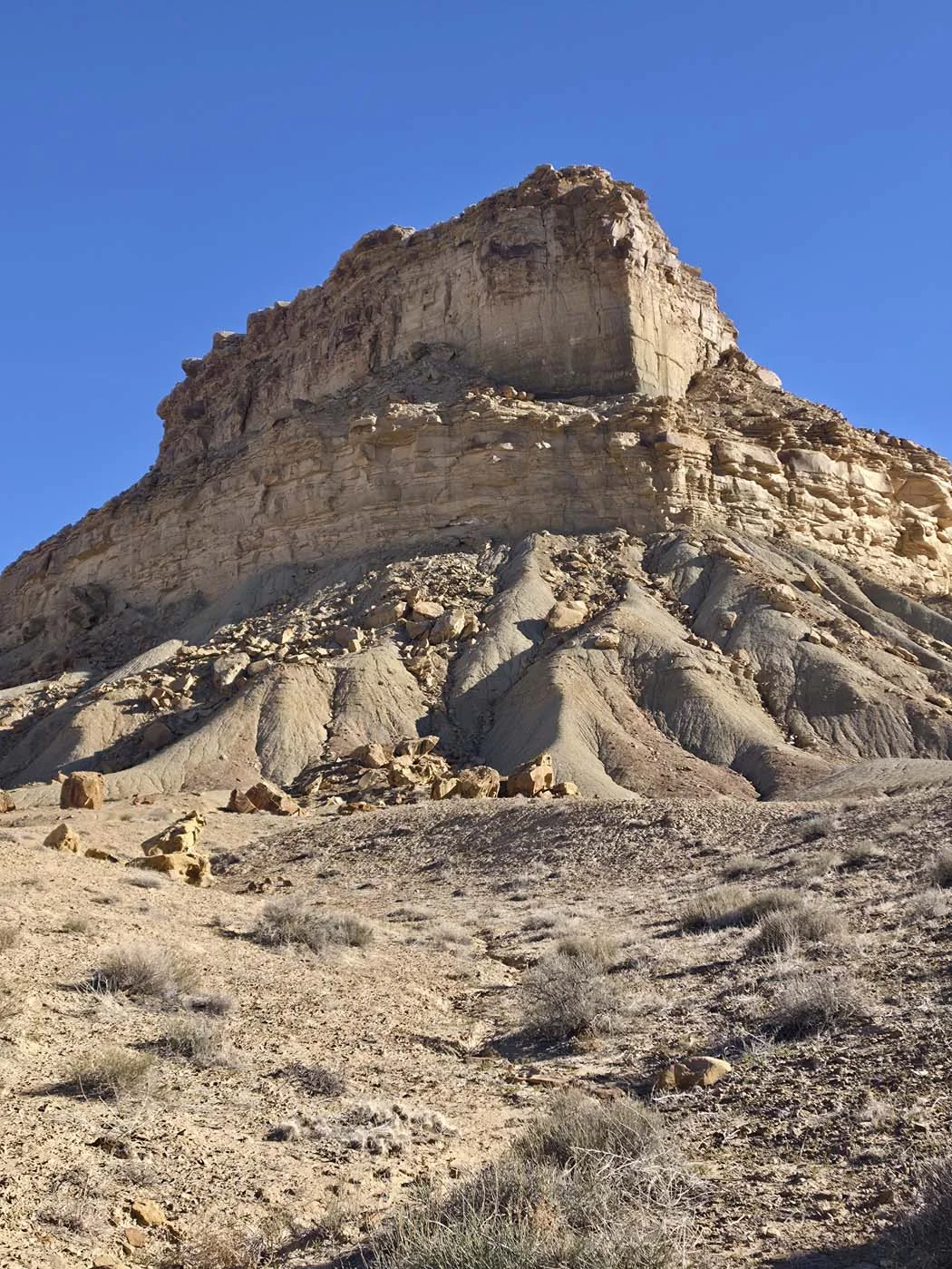
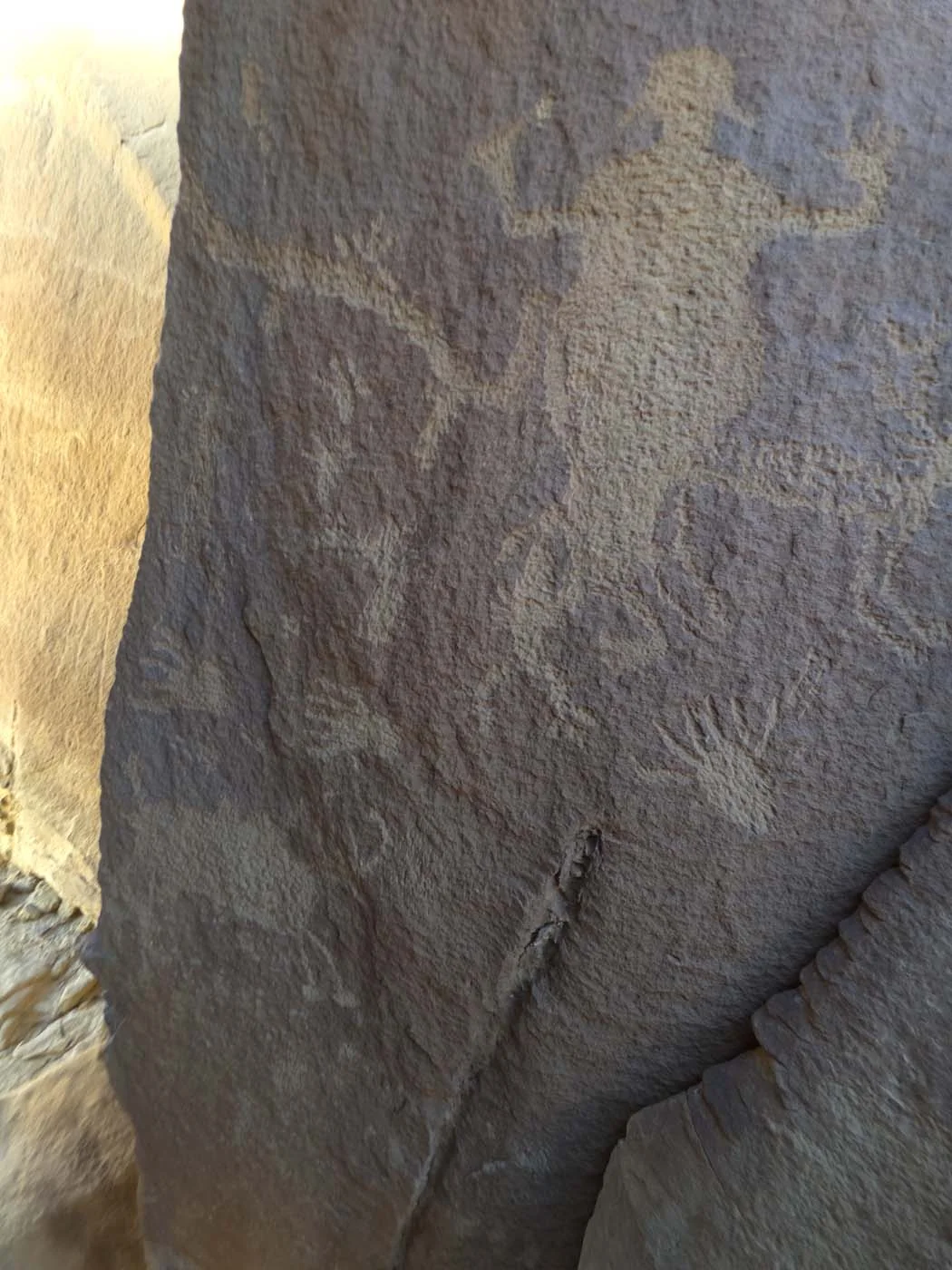
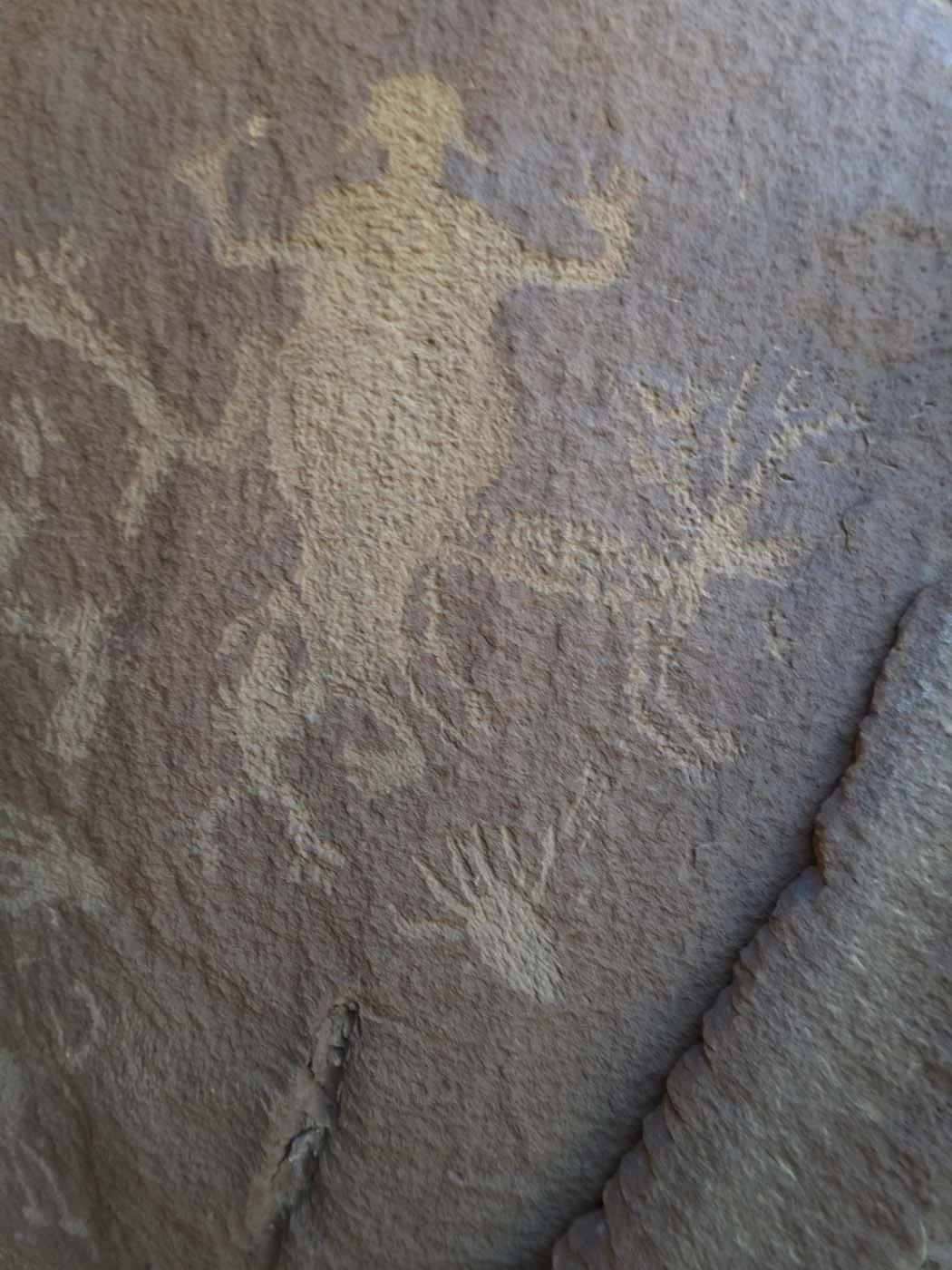
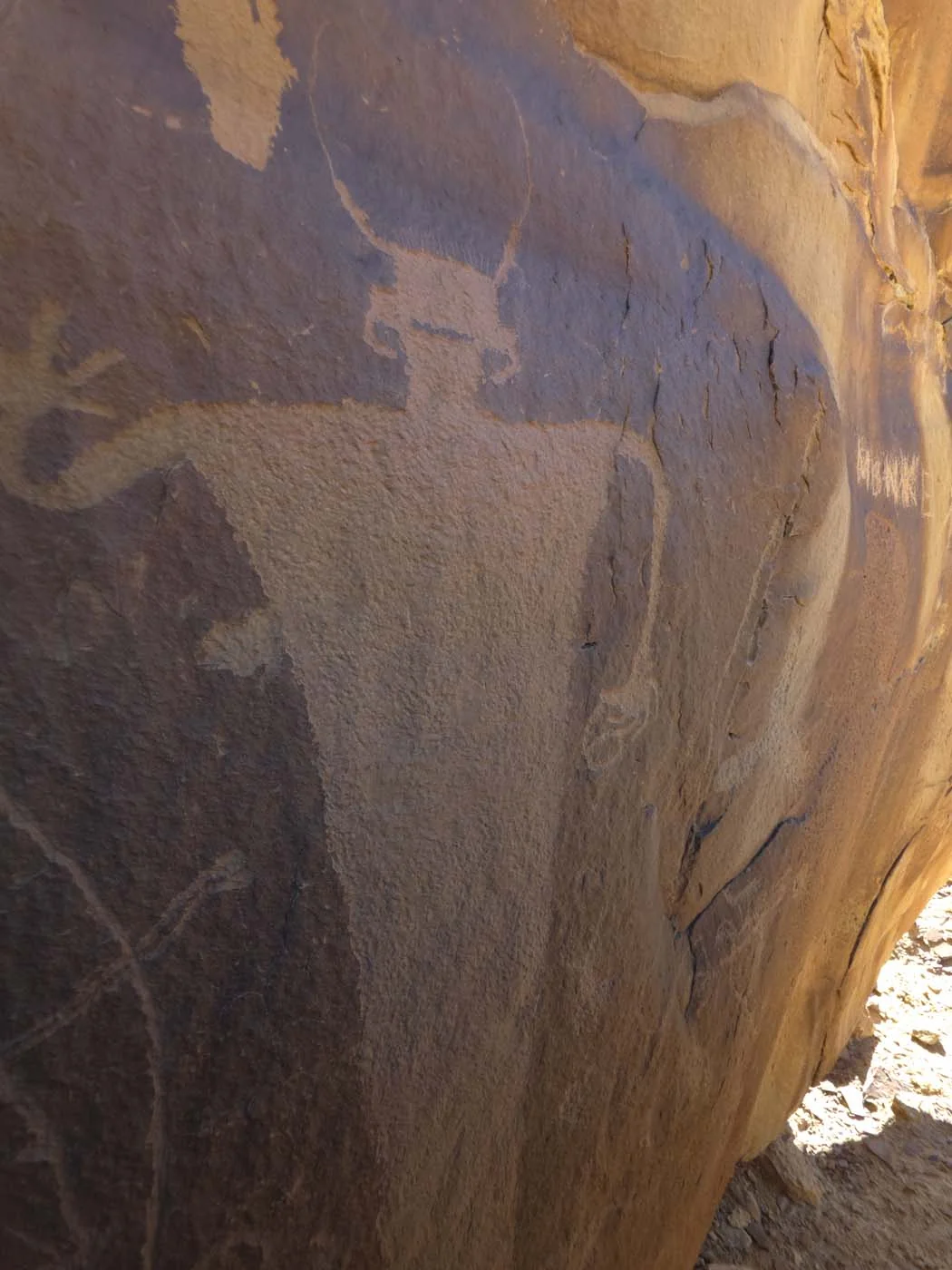
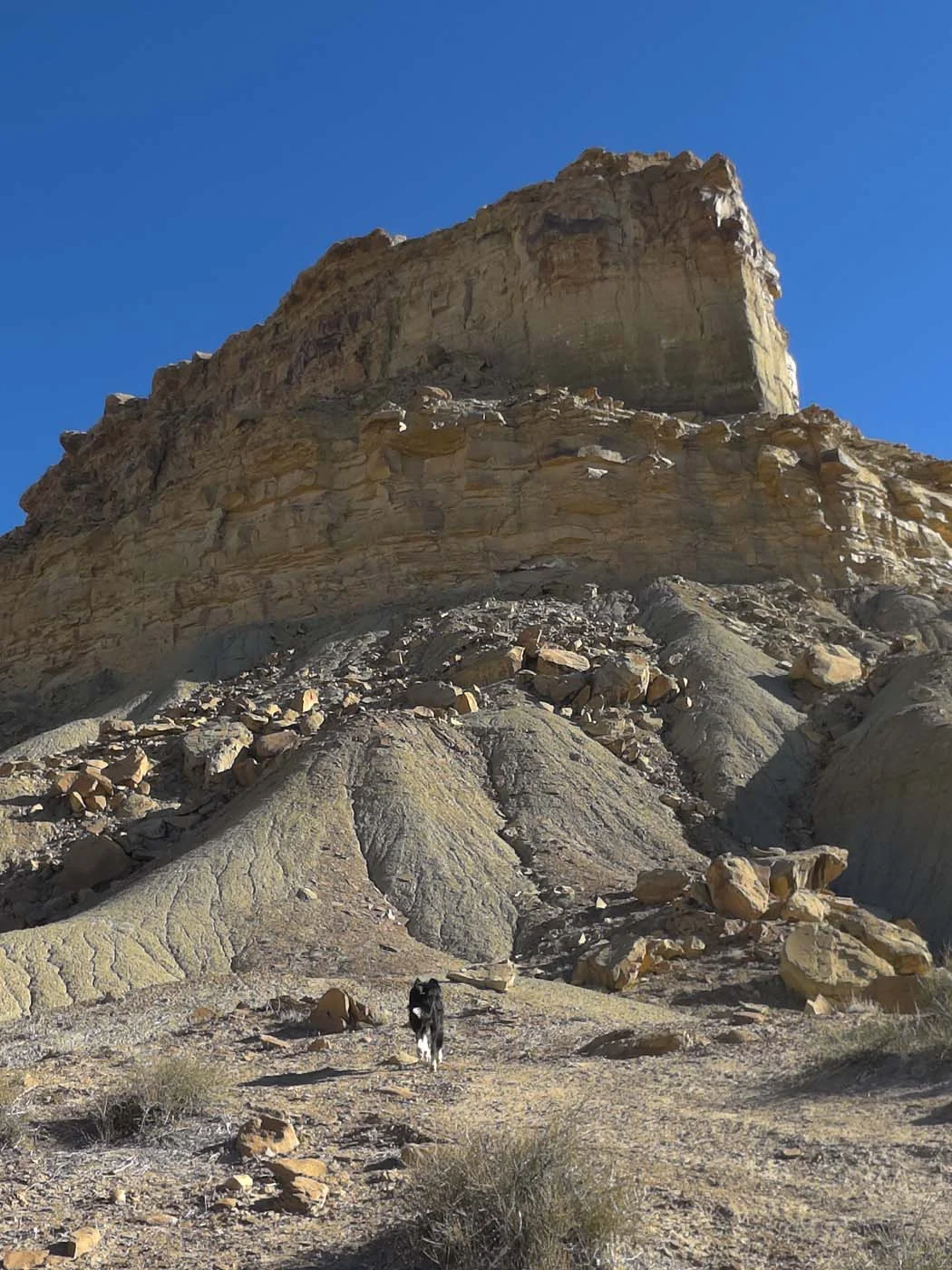
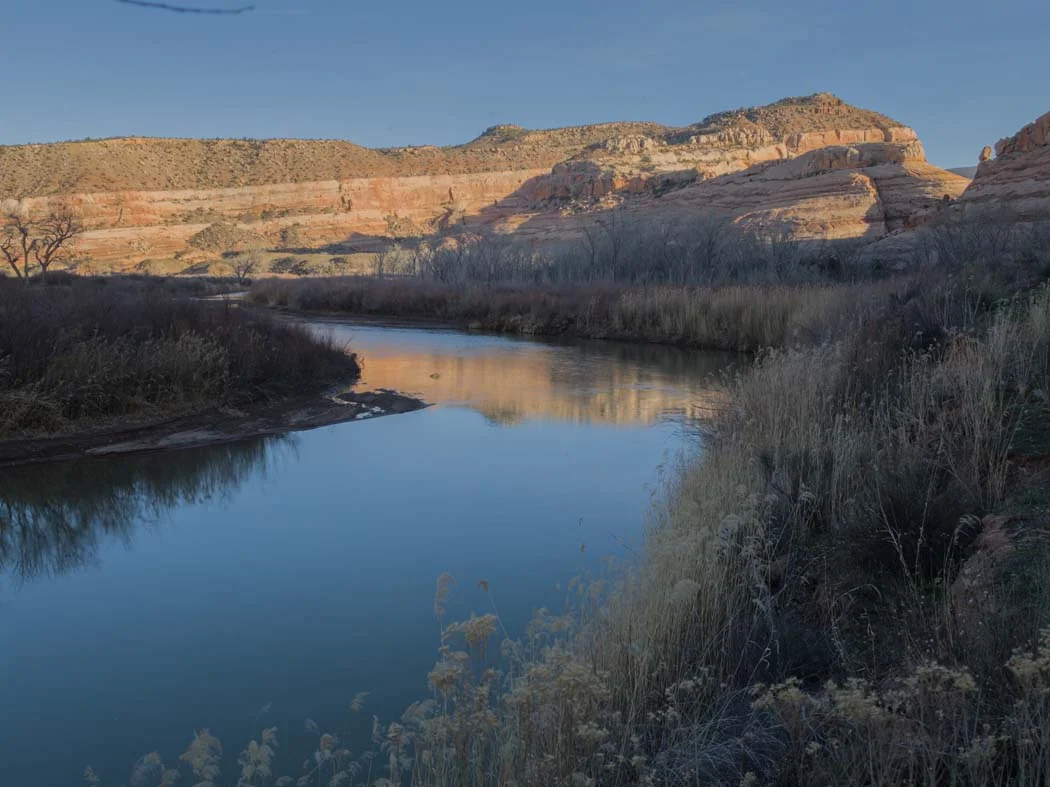
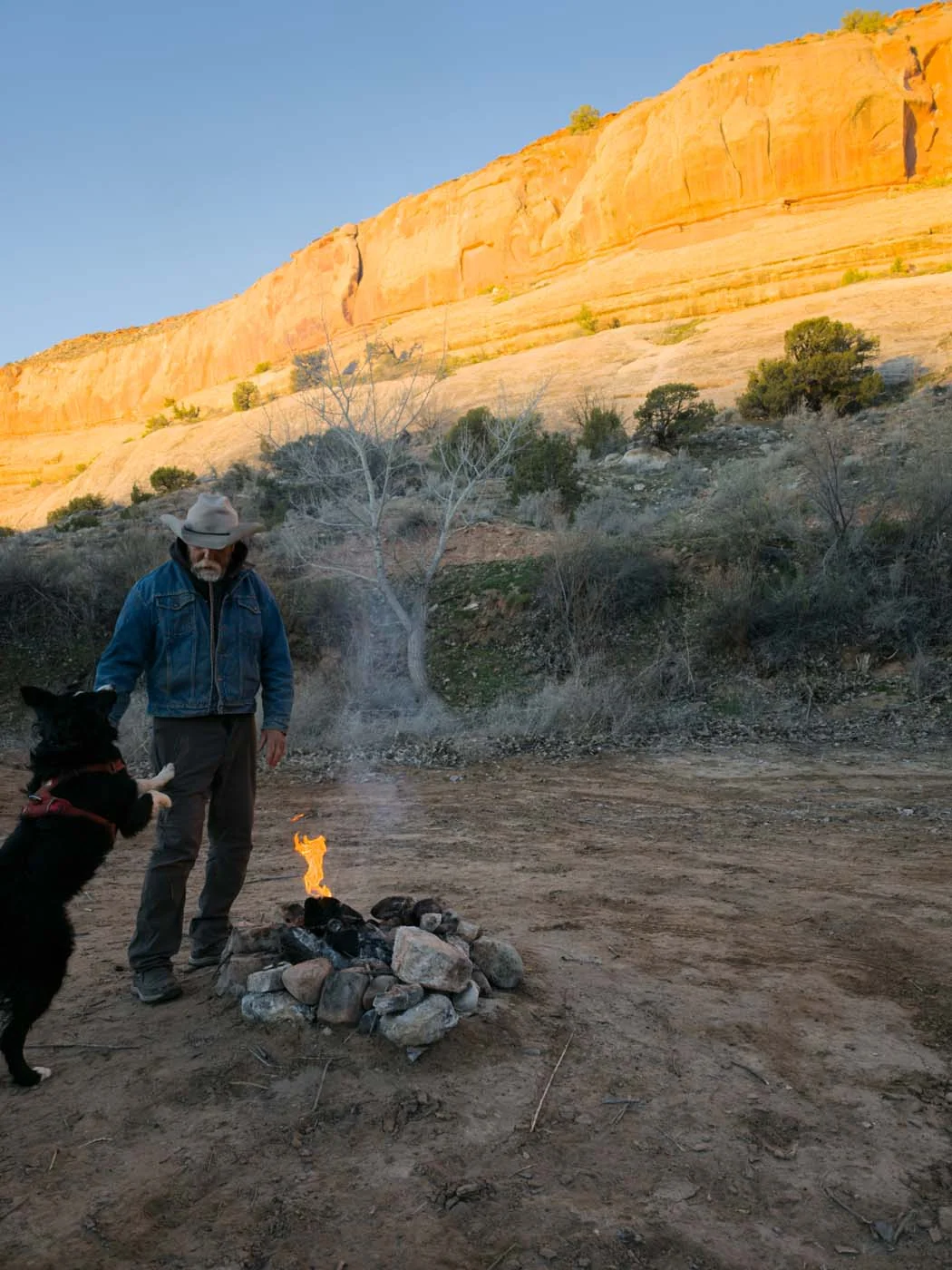
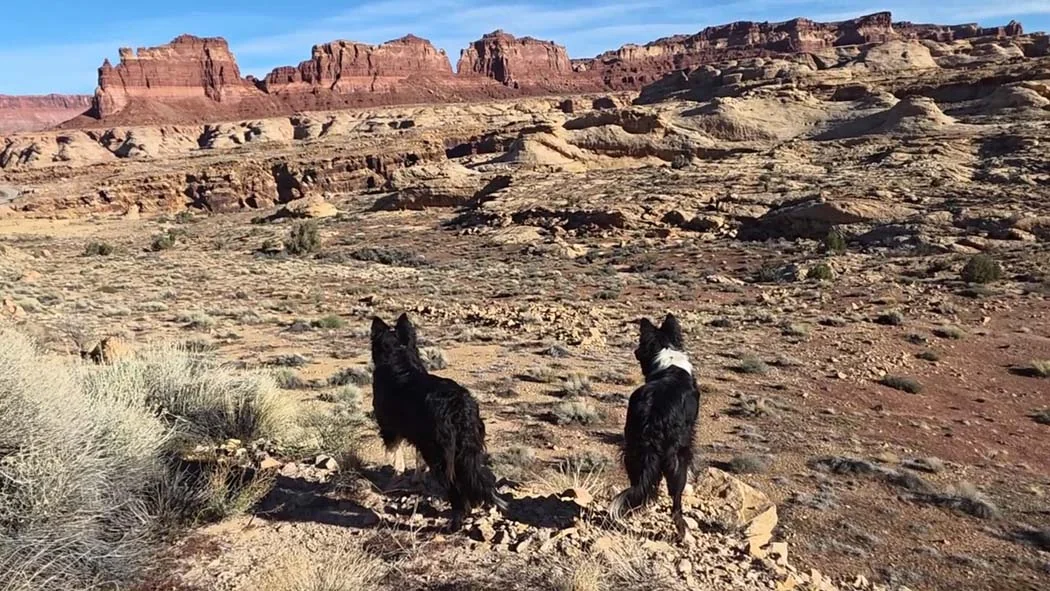
For my April story in the schools I am going to bring the kids down to the four corners area, to the massive landscape of uplifted sedimentary rocks, that cover 130,000 square miles. Here are the highlights of my presentation, which includes an overview of what makes canyon country so special, a story of the hunter and the star maiden, and some highlights of John Wesley Powell’s first exploration of the Colorado River Canyons.
What makes the canyon country of the Four Corners feel so extraordinary is that this huge expanse of land rose high into the sky—on average roughly 5,000 to 6,500 feet—and yet, for the most part, held together. Instead of being crushed and folded into chaos, the layers remained broad and intact. That left the rivers to do the sculpting—cutting downward through age after age of stone until the whole country opened into cliffs, chasms, towers, and light.
Long ago, when the world was young and the spirits walked among the red rocks, there was a young hunter known for his patience and his ability to track the bighorn sheep through the steepest cliffs of what we now call the Island in the Sky.
One night, while camping near the rim of the canyon, he looked up and saw a star that shone brighter and more silver than all the others. As he watched, the star descended from the heavens, transforming into a beautiful maiden as her feet touched the desert floor. She began to dance across the sandstone, her movements as fluid as the river below.
The hunter was captivated. For many nights, he watched her from the shadows. Eventually, he worked up the courage to leave a gift: a rare, perfectly smooth turquoise stone he had found in the canyon depths.
The next night, the Star Maiden found the stone. Instead of returning to the sky, she waited. When the hunter stepped forward, they spoke not with words, but with the shared language of the desert—the wind through the junipers and the silence of the stars.
Their love grew, but the Star Maiden belonged to the sky, and the hunter belonged to the earth. She knew that to stay with him, she would have to give up her eternal light and become mortal. Choosing love over immortality, she remained in the canyons.
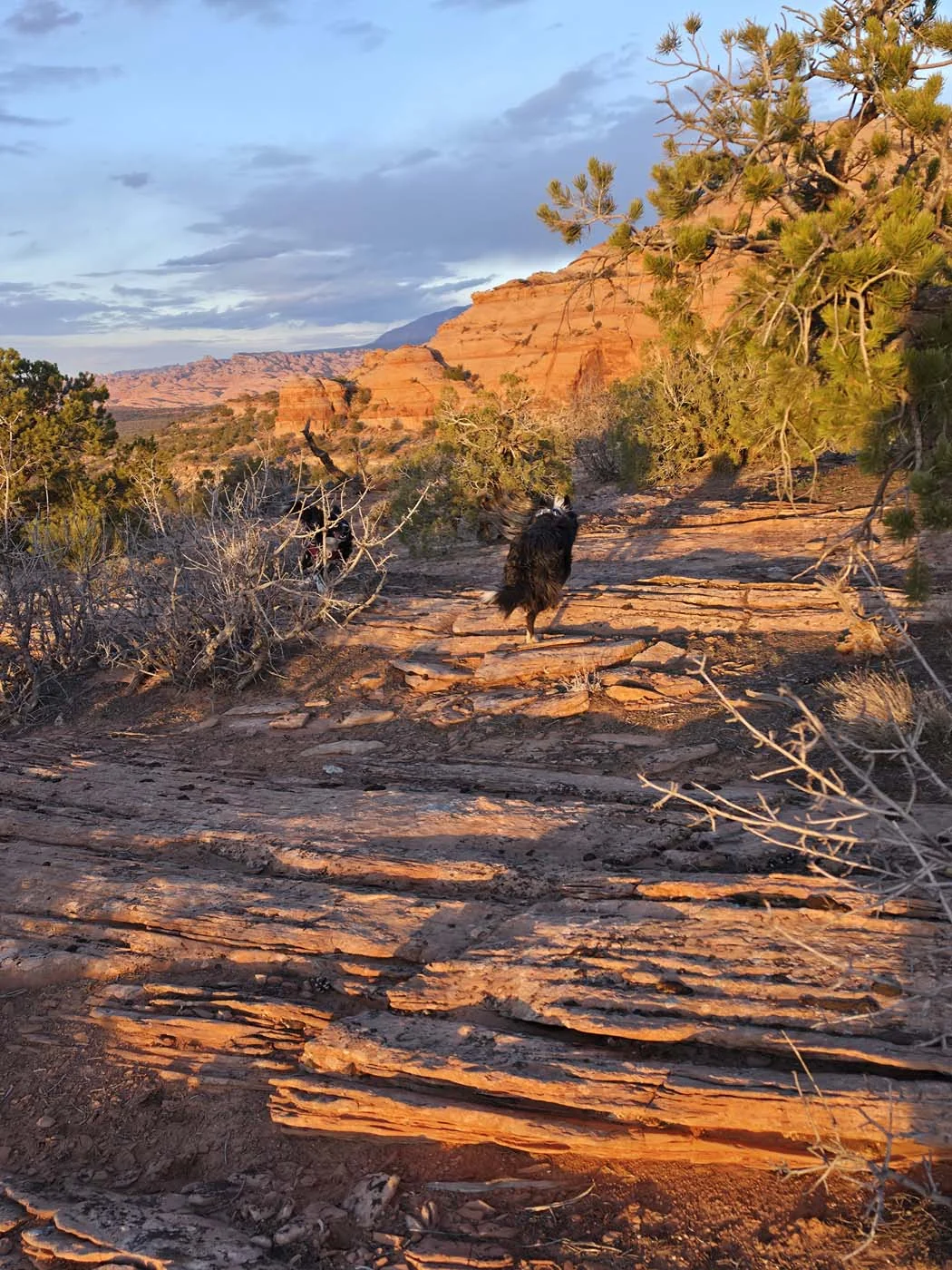
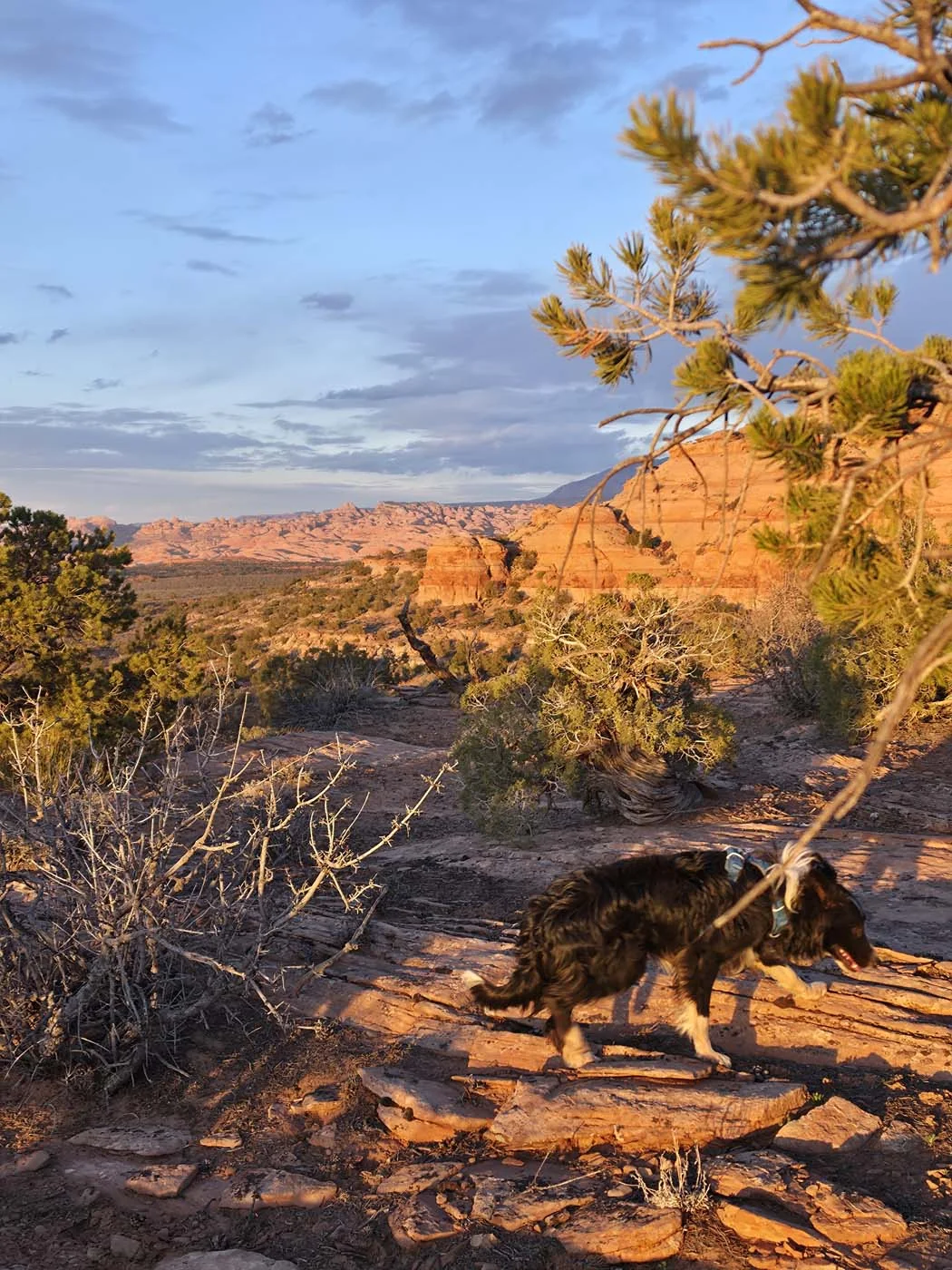
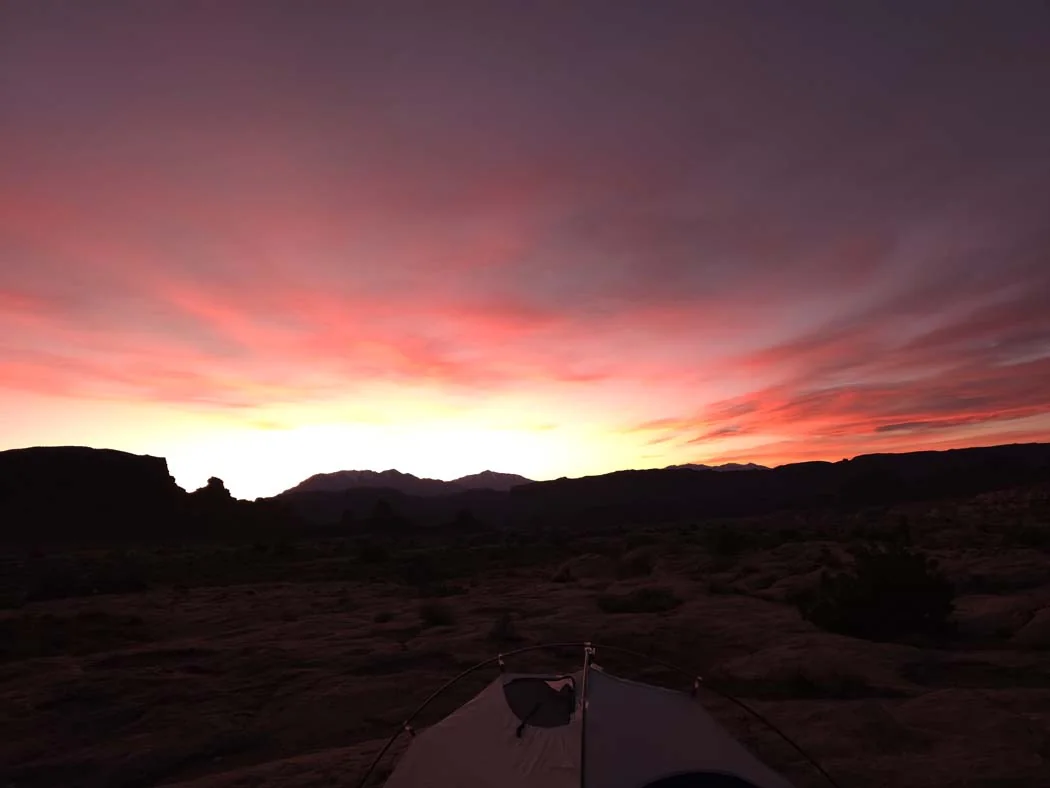
Legend says that the vibrant, glowing oranges and deep purples of the Canyonlands sunsets are a reflection of her celestial spirit still lingering in the dust of the desert, a daily reminder of the beauty that happens when the heavens and the earth meet.
John Wesley Powell was born in 1834 in New York. The son of a strict preacher, his family moved frequently across the frontier—Ohio, Wisconsin, and Illinois. While his father wanted him to study the Bible, "Wes" was more interested in the "Book of Nature."
Mentored by a self-taught scientist named George Crookham, Powell spent his youth collecting shells, plants, and rocks. As a teenager, his restless spirit led him to take solo rowing trips, including one the entire length of the Mississippi River, beginning his lifelong obsession with moving water.
Powell never actually graduated from college; he was too busy teaching himself botany and geology. Despite this, he became a respected educator and the secretary of the Illinois Natural History Society, helping build the museum at Illinois State Normal University. He was known for a "hands-on" approach, famously taking his students into the field to study real specimens rather than just reading about them in books.
When the Civil War broke out, Powell enlisted in the Union Army. At the Battle of Shiloh, his life changed forever when a minie ball struck his right arm, requiring an amputation below the elbow. Despite this, "The Major" returned to active duty and served until 1865.
In 1867, Powell led some of the first organized scientific expeditions to the Rockies. In 1868, he and his team (including his wife, Emma) became the first recorded people to summit Longs Peak. They spent the winter of 1868–69 on the White River in Western Colorado, where Powell began his deep study of the Ute people and scouted the "Great Unknown"—the unexplored canyons of the Colorado River.
With nine men and four wooden boats, Powell set out from Green River, Wyoming. This trip was a desperate "dash" for survival. They lost one boat, the No Name, early on, along with many supplies.
- The Struggle: They faced massive rapids and near-starvation.
- The Split: Just days before the end, three men left the group, fearing the river would kill them.
- The Arrival: Ironically, Powell and the remaining crew emerged from the Grand Canyon just two days later.
The second trip was much longer because it was focused on science rather than just survival.
- The Armchair: To see over the waves with only one arm, Powell had a strapped-down armchair bolted to the deck of his lead boat.
- Wintering at Kanab: During the winter of 1871–1872, the team paused the river journey to set up a base camp near Kanab, Utah.
- Overland Work: They spent the winter trekking on horseback to create a precise map of the plateaus. Powell used this time to live among the Southern Paiute, learning their language and hiring them as guides.
The Paiutes called Powell Kapurats ("Arm Off"). He developed a deep respect for indigenous cultures, working tirelessly to record their myths and legends. He eventually became the first director of the Bureau of Ethnology at the Smithsonian, ensuring that Native American history and languages were preserved as a vital part of the American story.